Goat’s Rue (Tephrosia virginiana): A Comprehensive Guide
Introduction
Goat’s rue, scientifically known as Tephrosia virginiana, is a captivating perennial plant that has captivated the hearts of gardeners, herbal enthusiasts, and botanists for its diverse cultural uses and stunning beauty. In this comprehensive guide, we will delve into understanding the culture, uses, care, and interesting facts about the goat’s rue plant.
Let’s embark on a journey to explore the intricate world of goat’s rue and unravel its enigmatic allure.
Plant Description
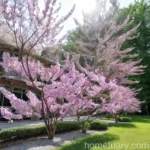
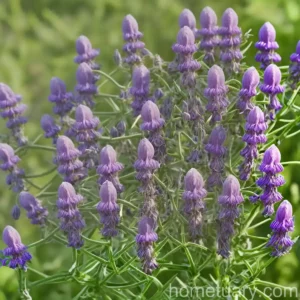
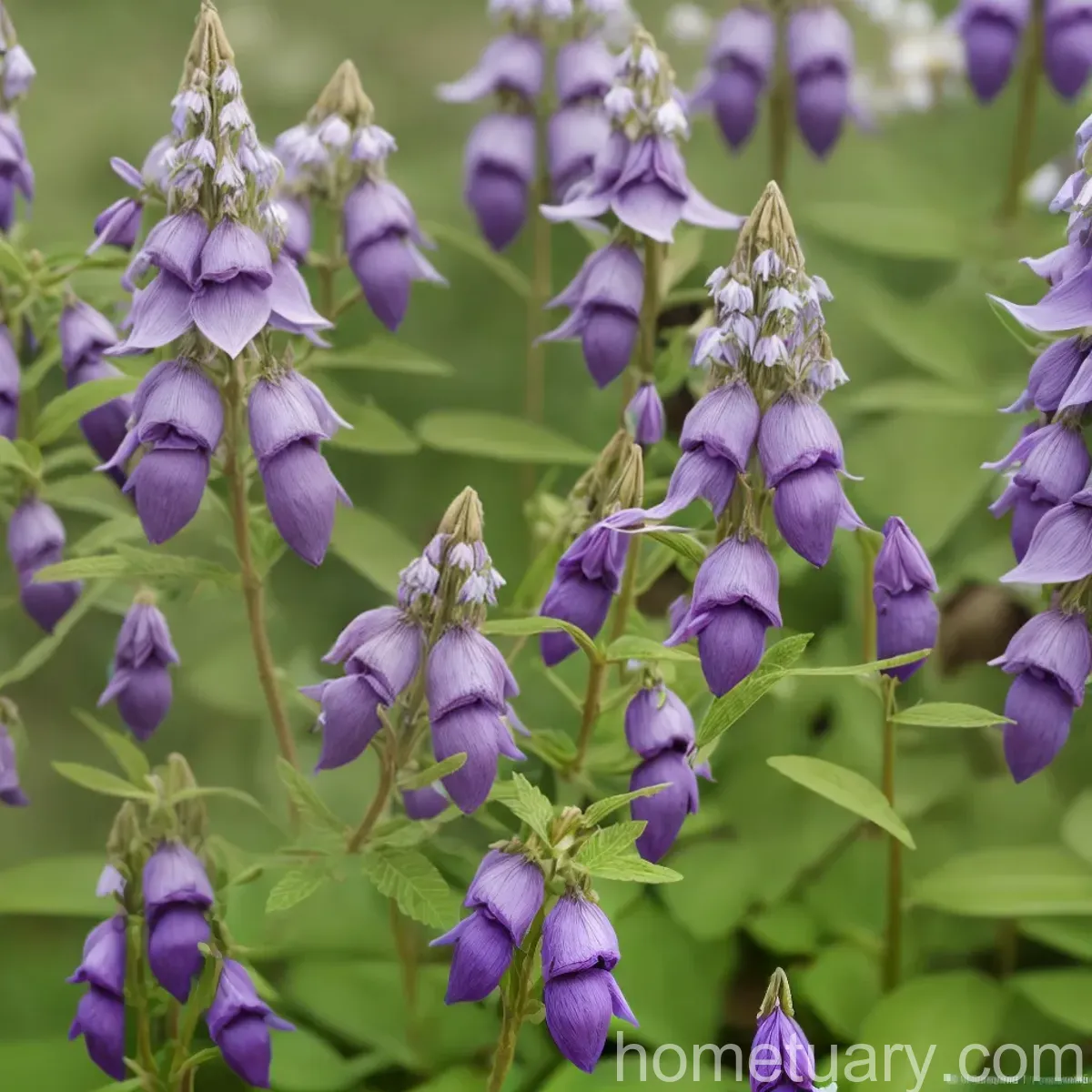
The goat’s rue, or Tephrosia virginiana, belongs to the pea family, Fabaceae, and is native to North America. It is characterized by long, slender stems with pinnate leaves, and stunning clusters of pink or purple pea-like flowers. This plant’s beautiful appearance is complemented by its myriad of medicinal and cultural uses.
Key Takeaways – Goat’s Rue (Tephrosia virginiana)
Goat’s rue, with the scientific name Tephrosia virginiana, has attracted attention due to its rich cultural and medicinal significance. Here are the key takeaways about this intriguing plant:
- Scientific Name: Tephrosia virginiana
- Family: Fabaceae
- Native Habitat: North America
- Flowering Season: Typically blooms in the summer
- Cultural Uses: Medicinal, herbal remedies, and traditional medicine
- Plant Parts: Leaves, seeds, and roots used for various purposes
- Benefits: Widely known for its potential benefits in diabetic care, breastfeeding support, hormonal balance, and liver detoxification
- Cultivation: Suitable for perennial cultivation
- Companion Plants: May have beneficial interactions with certain companion plants
Now, let’s explore in detail the various aspects of goat’s rue, including its culture, uses, and maintenance in a home garden or natural setting.
Culture
Understanding the cultural and environmental needs of goat’s rue is crucial for its successful growth and development. Let’s explore the essential cultural considerations for cultivating and caring for Tephrosia virginiana.
Water
Goat’s rue generally prefers well-drained soil and doesn’t tolerate waterlogging. It is advisable to water the plant regularly but sparingly; allowing the soil to partially dry out between watering sessions is generally beneficial. During extended dry periods, a deeper watering may be necessary to ensure the plant’s vigor and health.
Sunlight
The goat’s rue plant thrives in full sun to partial shade. Placing it in a location with at least 6 hours of direct sunlight will promote robust growth and prolific flowering.
Fertilizer
The goat’s rue plant doesn’t require heavy fertilization. A balanced, slow-release fertilizer applied in spring can provide the necessary nutrients for healthy growth. However, excessive fertilization may lead to overly lush foliage with reduced flowering.
Soil
Tephrosia virginiana prefers well-drained, slightly acidic to neutral soil. It can adapt to various soil types, but it thrives in soil with good drainage. Adding organic matter to the soil during planting can improve its overall health and growth.
Uses
The uses of goat’s rue are diverse, ranging from medicinal and herbal remedies to companion planting. Let’s explore the various applications of this remarkable plant.
Medicinal Uses
Traditional Medicine
Goat’s rue has a long history of use in traditional medicine, particularly in Native American and Ayurvedic systems. Its therapeutic properties have been valued for their potential to address various health concerns, including diabetes, lactation support, hormone balance, and liver detoxification.
Herbal Remedies
The leaves, seeds, and roots of goat’s rue are used in preparing herbal remedies. Common applications include the formulation of teas, tinctures, and extracts to harness its medicinal benefits.
Companion Planting
In addition to its medicinal uses, goat’s rue serves as an excellent companion plant in the garden. It has been observed to attract beneficial insects and enhance the overall health of nearby plants through its nitrogen-fixing capabilities.
Pruning
Pruning can help maintain the desired shape and size of the goat’s rue plant. It is advisable to prune the plant in early spring to remove any dead or damaged branches and encourage new growth. Regular deadheading of faded flowers can also prolong the blooming period and promote additional flowering.
Propagation
The propagation of goat’s rue can be achieved through both seeds and cuttings.
Seed Propagation
The seeds of Tephrosia virginiana can be sown directly into the garden soil in the spring. It is essential to ensure good seed-to-soil contact and provide adequate moisture for germination.
Cuttings
Propagation through cuttings involves taking stem cuttings from a healthy, established plant and rooting them in a suitable growing medium. This method can be effective in producing genetically identical clones of the parent plant.
Container Popularity
Goat’s rue is increasingly gaining popularity as a container plant due to its ornamental qualities and cultural significance. Its adaptability to container gardening makes it a versatile choice for adding a touch of natural beauty to any outdoor or indoor space.
Container Common Diseases
While goat’s rue is generally resilient to many common plant diseases, it may still be susceptible to certain issues under unfavorable conditions. Some of the potential common diseases include:
- Powdery Mildew: Occurs in humid conditions and can affect the foliage of the plant.
- Root Rot: Caused by overwatering and waterlogging, leading to decay of the root system.
Disease Diagnosis
Proper diagnosis of any signs of disease is essential for implementing effective control measures. It is important to monitor the plant for symptoms such as wilting, discoloration, or abnormal growth and promptly address any potential disease concerns.
Common Pests
While goat’s rue is relatively pest-resistant, it may occasionally encounter pest-related challenges. Some common pests that may affect the plant include aphids, spider mites, and caterpillars. Regular inspection and appropriate pest management practices can help mitigate potential pest issues.
Botanist’s Tips
As a plant scientist with a passion for exploring the wonders of nature, here are some valuable tips for cultivating and caring for goat’s rue:
- Optimal Planting Time: Plant goat’s rue in the spring to allow it to establish well before the onset of summer.
- Well-Drained Soil: Ensure that the soil provides good drainage to prevent waterlogging, which can be detrimental to the plant’s health.
- Monitor Moisture Levels: Regularly check the soil moisture to avoid overwatering, especially in container-grown specimens.
- Beneficial Pruning: Pruning the plant in early spring can promote a more compact growth habit and encourage abundant flowering.
Fun Facts
Did you know that:
- Some species of Tephrosia, including Tephrosia purpurea, are used as green manure due to their nitrogen-fixing abilities?
- Goat’s rue has been traditionally associated with increasing milk supply in lactating women and has been used as a breastfeeding aid in certain cultures?
Links to External Resources
To further enhance your understanding of the captivating world of goat’s rue, here are some valuable external resources:
- The Complete Medicinal Herbal: A Practical Guide to the Healing Properties of Herbs
- Ayurvedic Medicine: The Principles of Traditional Practice
- Companion Planting: The Beginner’s Guide to Companion Gardening
Conclusion
In conclusion, goat’s rue, or Tephrosia virginiana, is a truly remarkable plant that encompasses a rich tapestry of cultural, medicinal, and horticultural significance. Its enduring allure continues to fascinate botanists, herbal enthusiasts, and gardening aficionados alike. By understanding its cultural needs, diverse uses, and maintenance practices, one can truly appreciate the captivating essence of the goat’s rue plant.
As we conclude our exploration of this fascinating plant, I hope that you have gained a deeper appreciation for the intricacies and wonder of Tephrosia virginiana. Embrace the beauty and potential of goat’s rue as it intertwines with the natural world, offering a glimpse into the timeless interconnectedness of humanity and nature.