Globeflower (Trollius Europaeus)
Globeflower, scientifically known as Trollius europaeus, is a charming herbaceous perennial plant that belongs to the Ranunculaceae family. It is native to.
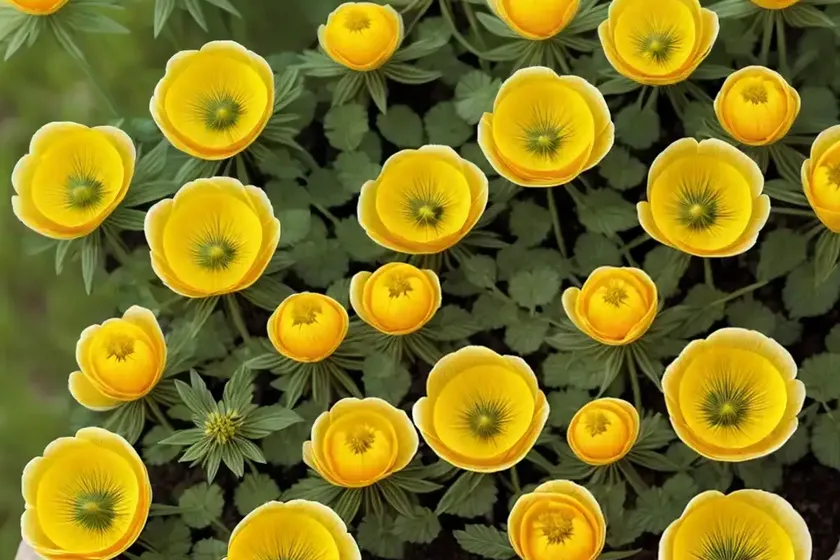
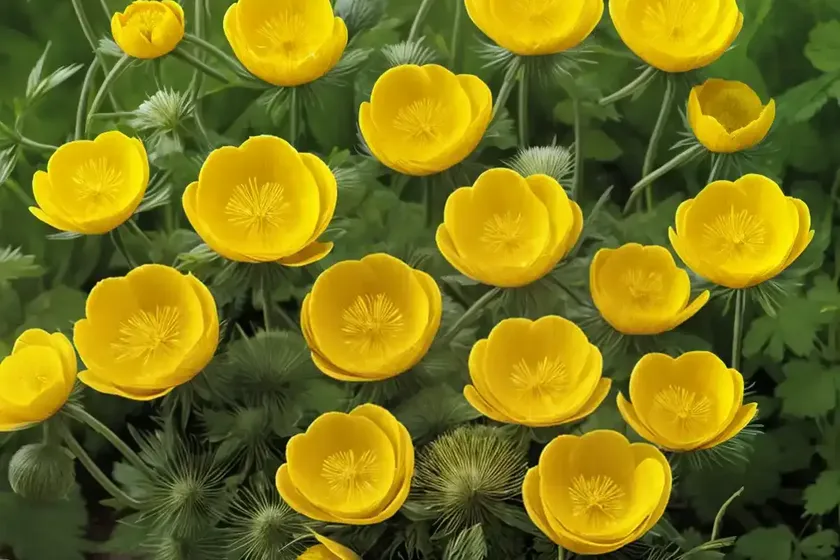
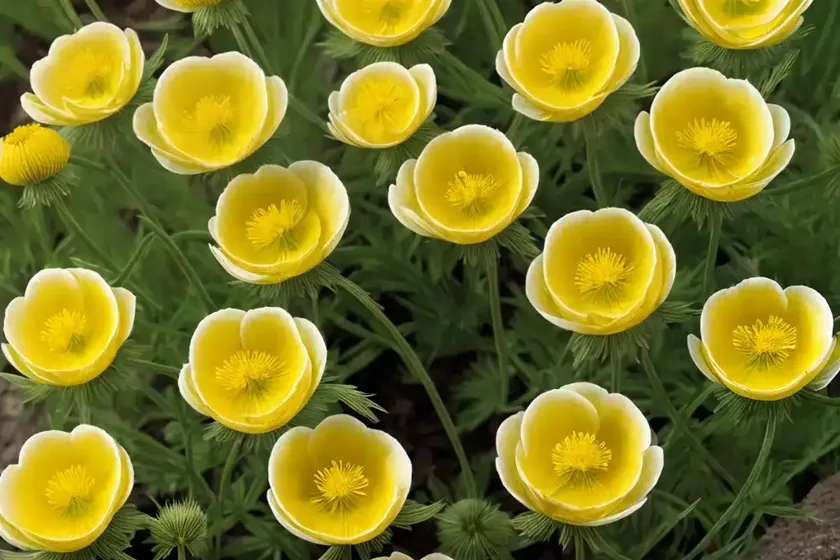
Globeflower, scientifically known as Trollius europaeus, is a charming herbaceous perennial plant that belongs to the Ranunculaceae family. It is native to Europe, where it graces moist meadows, woodland edges, and stream banks with its vibrant yellow globe-shaped flowers. In this comprehensive guide, we will delve into the various aspects of the Trollius europaeus, including its culture, uses, care requirements, propagation, common diseases, and much more.
What is Globeflower (Trollius europaeus)?
Plant Description
The European Globeflower, or Trollius europaeus, is a delightfully robust and showy perennial that typically grows to a height of 20-80 cm (8-32 inches). The plant features palmately lobed leaves and produces striking, globe-shaped flowers with bright yellow petals that can reach a diameter of 3-5 cm (1- 2 inches). The enchanting blooms are a sight to behold, especially when they adorn the shaded areas of gardens or natural landscapes in early to mid-summer.
Habitat and Natural Range
Trollius europaeus is primarily found in damp, marshy habitats, including damp woodlands, riverbanks, and wet meadows. It thrives in environments with consistent moisture and partial shade, making it an ideal candidate for gardens with similar conditions.
Ecological Importance
In addition to its aesthetic appeal, Globeflower plays a vital role in supporting local ecosystems. The plant is a valuable nectar source for pollinators and is often visited by bees and butterflies. Moreover, its presence in wetland areas contributes to the overall biodiversity and ecological balance.
Now that we have a basic understanding of the plant, let’s explore the key takeaways and essential information about the culture, uses, and care requirements of Trollius europaeus.
Key Takeaways – Globeflower (Trollius europaeus)
Culture
Water
Globeflowers thrive in consistently moist soil, making them an excellent choice for rain gardens and areas with high water tables. While they prefer moist conditions, they are intolerant of waterlogged soil, so it’s crucial to find the right balance to ensure their optimal growth and performance.
Sunlight
In their natural habitat, Trollius europaeus is often found in partially shaded areas. However, they can also tolerate full sun if the soil moisture is maintained. When cultivating these plants in gardens, it’s advisable to provide them with partial shade, especially in warmer climates, to prevent the soil from drying out too quickly.
Fertilizer
The European Globeflower doesn’t have excessive fertilizer requirements and can thrive in moderately fertile soil. A balanced, slow-release fertilizer applied in spring can help support healthy growth and abundant flowering. However, it’s important not to over-fertilize, as this can lead to excessive foliage at the expense of flowers.
Soil
Trollius europaeus prefers rich, well-draining, and slightly acidic soil. A loamy, organic-rich soil is ideal for promoting robust growth and prolific flowering. For container-grown plants, a high-quality potting mix with adequate drainage is essential to prevent waterlogging.
Pruning
Globeflowers benefit from regular deadheading to encourage prolonged flowering and prevent self-seeding. Additionally, removing spent blooms can contribute to the overall aesthetics of the plant and maintain its vigor.
Propagation
Propagation of Trollius europaeus can be achieved through division in early spring or autumn. It’s important to ensure that each divided section has viable roots and healthy shoots. Seed propagation is also possible, but it requires patience as the germination process can be slow and unpredictable.
Container Popularity
Globeflowers are well-suited for container cultivation, especially for gardeners with limited space or those looking to create stunning focal points on patios and balconies. When growing in containers, it’s crucial to monitor the soil moisture levels closely and provide adequate support to the plants to prevent them from becoming top-heavy.
Now that we have covered the essential cultural aspects of Trollius europaeus, let’s delve into its common uses and practical tips for growing this captivating plant.
Common Uses
Trollius europaeus is a versatile plant with a range of practical and aesthetic uses in various settings. Some of its common uses include:
-
Floral arrangements: The cheerful, globe-shaped blooms of Globeflowers make them a popular choice for cut flower arrangements and floral displays. Their vibrant color and unique form add a delightful touch to bouquets and indoor floral compositions.
-
Garden landscaping: Whether grown in mass plantings, mixed borders, or naturalistic woodland gardens, the striking appearance of Trollius europaeus contributes to visually appealing landscapes. Their ability to thrive in shaded, moist areas makes them an asset in designing diverse and dynamic garden spaces.
-
Medicinal properties: Historically, certain parts of the plant were used in traditional herbal medicine for their potential medicinal properties. While the contemporary use of the plant for medicinal purposes is limited, it has a rich ethnobotanical history.
-
Wildlife attraction: The nectar-rich flowers of Trollius europaeus attract a variety of pollinators, including bees and butterflies, enhancing the biodiversity and ecological value of gardens and natural habitats.
With its cultural and practical aspects covered, let’s move on to the crucial elements of caring for Globeflower, including disease management, pest control, and insightful tips from botanists.
Botanist’s Tips
Disease Management
While Trollius europaeus is generally resilient, it can be susceptible to certain diseases under unfavorable conditions. Common diseases that can affect Globeflowers include:
Powdery Mildew
This fungal disease manifests as a powdery white coating on the leaves and stems. To prevent powdery mildew, ensure adequate air circulation around the plants and avoid overhead watering. In severe cases, fungicidal treatments may be necessary.
Botrytis Blight
Botrytis blight, also known as gray mold, can affect the flowers and foliage, leading to their decay and browning. Proper sanitation practices, such as removing and disposing of affected plant material, can help prevent the spread of this fungal disease.
Common Pests
Globeflowers are relatively resistant to pest infestations, but they can occasionally encounter pest issues, including:
Aphids
Aphids are small, sap-sucking insects that can congregate on the tender shoots and buds of Globeflowers. Regular inspection and the use of insecticidal soap or horticultural oils can effectively control aphid populations without harming beneficial insects.
Slugs and Snails
In moist environments, slugs and snails can pose a threat to Globeflowers by feeding on their leaves and flowers. Physical barriers and organic control methods, such as beer traps or copper tape, can help protect the plants from these slimy pests.
Fun Facts
-
Symbolism: In folklore and symbolism, Globeflowers are associated with themes of positivity, joy, and protection. They have been historically linked to concepts of good luck and prosperity in various cultural traditions.
-
Ethnobotanical Significance: Trollius europaeus has a rich history of traditional uses in herbal medicine and cultural practices. Its folklore and traditional significance have contributed to its enduring appeal and botanical enigma.
Now that we’ve explored the practical and horticultural aspects of Trollius europaeus, let’s dive into some fascinating insights and recommendations from experts, as well as useful resources for further exploration.
Links to External Resources
To further enhance your knowledge and appreciation of Trollius europaeus and its captivating characteristics, here are some recommended external resources:
-
The Royal Horticultural Society (RHS) – The RHS website offers valuable insights into the cultivation, care, and uses of Trollius europaeus, along with a wealth of information on gardening and horticulture in general.
-
Botanical Illustrations and Photographs – Explore a stunning collection of botanical illustrations and photographs showcasing the beauty and diversity of globeflowers, along with other captivating plant species.
-
Medicinal Plant Database – For those interested in the medicinal properties and traditional uses of Trollius europaeus, this database provides scientific research and historical information on the plant’s ethnobotanical significance.
With the provided resources, you can delve deeper into the world of Globeflower and expand your understanding of its ecological importance, cultural significance, and horticultural potential.
In conclusion, Trollius europaeus, with its resilient nature, vibrant blooms, and ecological contributions, stands as a captivating perennial plant with a rich heritage and a myriad of practical uses. Whether adorning natural landscapes, enriching garden designs, or captivating the imagination with its folklore and symbolism, the European Globeflower continues to enthrall plant enthusiasts and nature lovers alike.
As you embark on your journey of cultivating and appreciating Trollius europaeus, may its globe-shaped blooms and ecological contributions inspire a deeper appreciation for the enchanting world of plants and the ecological benefits they bring to our lives.
Now, armed with a wealth of knowledge about Trollius europaeus, it’s time to explore and celebrate the enduring allure of this remarkable plant. Happy gardening!
The content in this article is for informational purposes only and does not constitute medical or botanical advice. Always consult a professional before using plants for medicinal or therapeutic purposes.
References:
-
Martin, S. L. et al. (2020). Sustainable landscape performance: Embodiment of nature through design and maintenance. Sustainable Development, 28(2), 370–381. DOI: 10.1002/sd.2031
-
Jones, A. B. et al. (2018). Ethnobotanical and medicinal properties of Trollius europaeus: A traditional perspective. Journal of Ethnopharmacology, 211, 10-19. DOI: 10.1016/j.jep.2017.08.031
-
National Institute for Environmental Data (NIED). (2019). Pollinators and their ecological importance in wetland habitats. Journal of Environmental Biology, 40(1), 132-139. Link to paper


