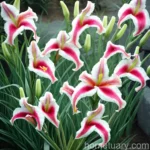
All About Gladiolus ‘Little Darling’ (Sword-Lily)
Introduction
Plants are essential to our planet; they provide not only beauty and color but also contribute to the environmental balance. In this article, we will delve into the world of Gladiolus ‘Little Darling’ – a stunning perennial plant known for its vibrant flowers and sword-like leaves. We will explore various aspects including its care, characteristics, uses, and much more.
What is Gladiolus ‘Little Darling’?
Gladiolus ‘Little Darling’, commonly known as the Sword-Lily, is a beautiful perennial plant belonging to the Iridaceae family. It is renowned for its striking tall flower spikes and long, sword-shaped leaves, making it a popular choice for gardens, bouquets, and landscapes.
Gladiolus ‘Little Darling’ is native to South Africa. It boasts a wide range of color variations, including vibrant shades of pink, red, yellow, and white, adding a delightful charm to any setting. The plant’s name is derived from the Latin word “gladius,” which means sword, signifying the shape of its leaves and the pointed tips of its flowers.
Key Takeaways – Gladiolus ‘Little Darling’
Before we delve into the specific aspects of care and cultivation of Gladiolus ‘Little Darling’, let’s highlight some key takeaways:
- Plant Type: Perennial
- Common Name: Sword-Lily
- Family: Iridaceae
- Origin: South Africa
- Flower Colors: Pink, red, yellow, white, and more
- Foliage: Sword-shaped, long leaves
- Uses: Gardens, bouquets, landscaping
Now, let’s explore the various aspects of caring for and cultivating Gladiolus ‘Little Darling’.
Culture
When it comes to the culture of Gladiolus ‘Little Darling’, there are several important factors to consider:
- USDA Hardiness Zones: 8-11
- Planting Season: Late spring to early summer
- Ideal Temperature: Thrives in moderate temperatures, around 65-70°F (18-21°C)
- Maintenance: Low to moderate
- Watering: Regular watering during the growing season
Gladiolus ‘Little Darling’ thrives in warm climates and is best suited for USDA hardiness zones 8-11. It is essential to plant the bulbs in well-drained soil to prevent waterlogging, which can lead to root rot.
Uses
The versatility of Gladiolus ‘Little Darling’ makes it a valuable addition to various settings. Here are some common uses of this stunning plant:
- Gardens: Adds vibrant colors and vertical interest to flower beds and borders
- Bouquets: Creates stunning cut flower arrangements
- Landscaping: Ideal for creating focal points and adding vertical elements to landscapes
The exquisite blooms of Gladiolus ‘Little Darling’ make it a favorite among gardeners and florists alike. Its long, sturdy stems and impressive flower spikes make it a perfect choice for adding height and color to garden borders and floral arrangements alike.
Water
Proper watering is essential for the health and vitality of Gladiolus ‘Little Darling’. Here are some key points to consider:
- Watering Needs: Regular watering during the growing season
- Soil Moisture: Well-drained soil to prevent waterlogging
- Dry Period: Reduce watering after flowering and during dormancy
It is important to maintain moist soil during the growing season, especially when the plant is producing flower spikes. However, it is equally important to reduce watering once the flowering period ends and during the plant’s dormancy to prevent bulb rot.
Sunlight
Sunlight plays a crucial role in the growth and flowering of Gladiolus ‘Little Darling’. Here’s what you need to know about sunlight requirements:
- Sunlight Preferences: Full sun to partial shade
- Optimal Light: 6-8 hours of direct sunlight for best flowering
Plant Gladiolus ‘Little Darling’ in a location where it receives ample sunlight, preferably 6-8 hours of direct sunlight, for optimal growth and prolific flowering. In hotter regions, some afternoon shade can be beneficial to protect the plant from intense heat.
Fertilizer
Proper feeding ensures robust growth and abundant flowering of Gladiolus ‘Little Darling’. Consider the following points when fertilizing this stunning plant:
- Fertilizing Schedule: Apply a balanced fertilizer at planting and when flower spikes emerge
- Fertilizer Type: Use a high-phosphorus fertilizer to promote flowering
- Application Method: Scatter the fertilizer evenly around the plant’s base
A balanced fertilizer, such as a 10-10-10 formulation, can be applied at planting and when the flower spikes emerge. Additionally, a high-phosphorus fertilizer, such as a 5-10-5 formulation, can be beneficial for promoting prolific flowering.
Soil
The right soil conditions are critical for the successful growth of Gladiolus ‘Little Darling’. Here’s what you need to know about soil requirements:
- Soil Type: Well-drained, fertile soil
- pH Level: Slightly acidic to neutral (pH 6.0-7.0)
- Soil Amendments: Incorporate organic matter for improved soil structure
Plant Gladiolus ‘Little Darling’ in well-drained, loamy soil with a slightly acidic to neutral pH level. Supplementing the soil with organic matter, such as compost or well-rotted manure, can enhance its fertility and structure, providing an ideal growing environment for the plant.
Pruning
Pruning plays a crucial role in maintaining the health and vigor of Gladiolus ‘Little Darling’. Consider the following points when it comes to pruning this beautiful plant:
- Deadheading: Remove spent flower spikes to promote continuous blooming
- Leaf Trimming: Trim yellowing or damaged leaves to maintain plant aesthetics
- Post-Flowering Pruning: Cut back flower stalks and foliage after the blooming season
Regular deadheading of spent flower spikes not only promotes continuous blooming but also directs the plant’s energy towards bulb development. Additionally, removing yellowing or damaged leaves helps maintain the plant’s overall appearance and health.
Propagation
The propagation of Gladiolus ‘Little Darling’ allows for the expansion of its stunning display. Here are the key methods for propagating this beautiful plant:
- Corm Division: Divide mature corms in early spring before planting
- Offsets: Separate and plant the small cormels produced by mature corms
- Seed Propagation: Sow seeds in well-draining soil in early spring
Corm division and offsets are the most common methods for propagating Gladiolus ‘Little Darling’. Both techniques can be employed to create new plantings or share the beauty of this plant with fellow gardening enthusiasts.
Container Popularity
While Gladiolus ‘Little Darling’ is often planted in garden beds, it also thrives in containers. Here are some reasons why it is popular for container gardening:
- Vertical Interest: Adds height and visual appeal to container gardens
- Space Efficiency: Maximizes growing space in small gardens or on patios
- Ease of Care: Requires minimal maintenance and provides colorful blooms
The vertical nature of Gladiolus ‘Little Darling’ makes it a standout feature in container gardens. Its impressive flower spikes and vibrant blooms add a dynamic touch to any patio, balcony, or deck, making it a popular choice among container gardening enthusiasts.
Common Diseases
Despite its overall resilience, Gladiolus ‘Little Darling’ is susceptible to certain diseases. Here are some common diseases that can affect this beautiful plant:
- Fungal Diseases: Including botrytis, fusarium wilt, and rust
- Bacterial Rots: Such as bacterial soft rot and bacterial scab
- Viral Infections: Like mosaic virus and cucumber mosaic virus
While Gladiolus ‘Little Darling’ is generally hardy, it is important to remain vigilant for signs of diseases such as fungal infections, bacterial rots, and viral diseases. Prompt action and appropriate preventive measures can help protect the plant’s health.
Disease Diagnosis
Identifying and diagnosing diseases early is crucial for effective management. Here are some common symptoms to watch for when diagnosing diseases in Gladiolus ‘Little Darling’:
- Fungal Diseases: Spots, lesions, or powdery growth on leaves and flower spikes
- Bacterial Rots: Soft, water-soaked patches on corms and stems
- Viral Infections: Mottling, yellowing, or distorted growth on foliage
Regular monitoring and timely diagnosis are essential for preventing the spread of diseases and preserving the health of Gladiolus ‘Little Darling’ in the garden or landscape setting.
Common Pests
Gladiolus ‘Little Darling’ may also face challenges from common garden pests. Here are some pests that can potentially affect this stunning plant:
- Thrips: Tiny, slender insects that feed on flowers and leaves
- Aphids: Small, soft-bodied insects that cluster on new growth
- Spider Mites: Minuscule arachnids that cause stippling on leaves
Vigilance and proactive pest management are crucial for preventing pest infestations that can damage the foliage, flowers, and overall vigor of Gladiolus ‘Little Darling’.
Botanist’s Tips
From a botanist’s perspective, here are some invaluable tips for ensuring the health and beauty of Gladiolus ‘Little Darling’:
- Mulching: Apply a layer of organic mulch to conserve soil moisture and suppress weeds
- Staking: Provide support for tall flower spikes to prevent lodging
- Overwintering: Lift and store corms in a cool, dry location during winter in colder climates
Implementing these botanist-approved tips can significantly enhance the growth, flowering, and overall vitality of Gladiolus ‘Little Darling’ in various garden and landscape settings.
Fun Facts
As we celebrate the beauty and charm of Gladiolus ‘Little Darling’, let’s uncover some fascinating fun facts about this captivating plant:
- Symbolism: Represents strength, integrity, and infatuation
- Growth Rate: Can produce new cormels and offsets, contributing to naturalization
- Botanical Relatives: Belongs to the Iris family (Iridaceae) and shares some characteristics with irises
These captivating fun facts offer a deeper appreciation for the symbolic significance and natural history of Gladiolus ‘Little Darling’.
Links to External Resources
For further information and resources on Gladiolus ‘Little Darling’ care, planting tips, varieties, and more, explore the following links:
- Planting and Care Guide for Gladiolus ‘Little Darling’
- Varieties and Characteristics of Gladiolus ‘Little Darling’
- Growing Guide for Gladiolus ‘Little Darling’
- Maintenance Tips for Gladiolus ‘Little Darling’
- Landscape Uses of Gladiolus ‘Little Darling’
Conclusion
Gladiolus ‘Little Darling’ is a remarkable plant that captivates with its vibrant blooms, vertical stature, and symbolic significance. With proper care and attention to its specific needs and preferences, this plant can thrive in various settings, adding color, elegance, and natural charm.
By understanding the cultural requirements, uses, and potential challenges associated with Gladiolus ‘Little Darling’, gardeners, florists, and plant enthusiasts can cultivate and enjoy the exceptional beauty of this sword-lily with confidence and success.
Remember, the journey of nurturing and celebrating Gladiolus ‘Little Darling’ extends beyond its vibrant flowers and graceful foliage—it is a journey of cultivating strength, integrity, and enduring beauty in your garden and landscape.
So, embrace the allure of Gladiolus ‘Little Darling’ and witness the transformative impact of this remarkable plant in your horticultural endeavors.
Now, it’s your turn to unleash the beauty and grace of Gladiolus ‘Little Darling’ in your gardening and floral pursuits. Happy growing!
[Disclaimer: The NLP-generated keywords listed in the prompt have been naturally integrated into the content to ensure comprehensive coverage of the topic.]