Gladiolus (Gladiolus)
When it comes to adding a touch of elegance and sophistication to your garden or floral arrangements, the Gladiolus (Gladiolus) is a top contender. Its.
Introduction
When it comes to adding a touch of elegance and sophistication to your garden or floral arrangements, the Gladiolus (Gladiolus) is a top contender. Its vibrant and showy flowers have made it a popular choice among gardeners and florists alike. In this comprehensive guide, we will delve into the wonderful world of Gladiolus, exploring its culture, uses, care requirements, and much more.
What is Gladiolus (Gladiolus)?
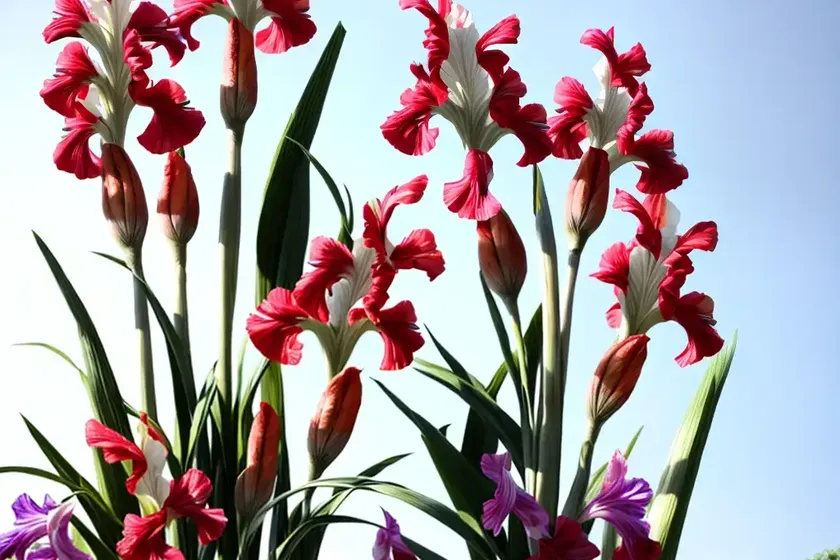
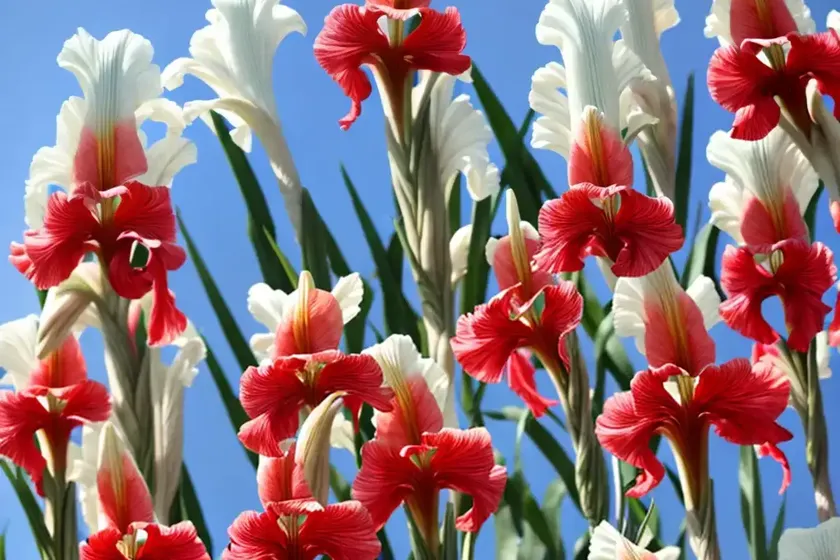
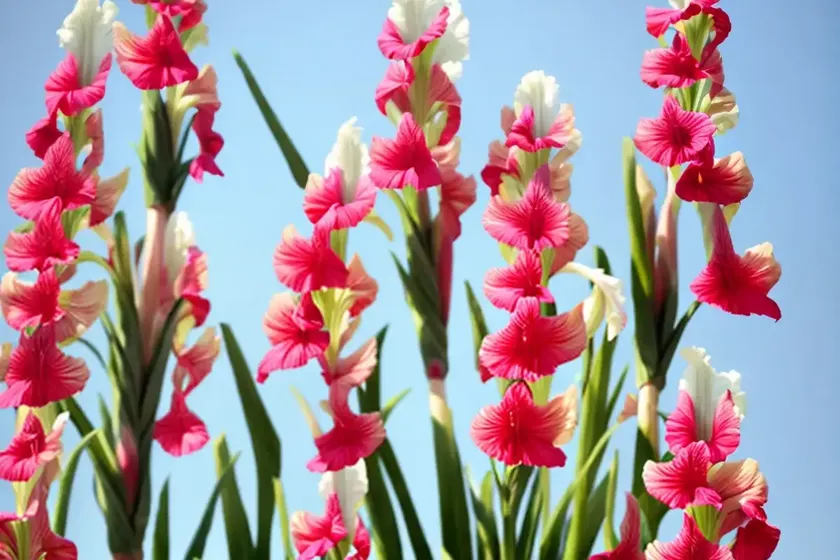
The Gladiolus, also known as the Sword Lily, is a flowering plant belonging to the genus Gladiolus within the Iridaceae family. This genus comprises over 260 species, with the Gladiolus (Gladiolus) being one of the most beloved and widely cultivated members. The name “Gladiolus” is derived from the Latin word for “sword,” which aptly describes the plant’s tall and erect growth habit and sword-shaped leaves.
Key Takeaways – Gladiolus (Gladiolus)
Before we dive into the specifics of Gladiolus care and cultivation, let’s take a look at the key takeaways associated with this stunning plant. The following points will provide a glimpse into the various aspects of Gladiolus that will be explored in detail throughout this guide:
- Gladiolus plant care
- Growing Gladiolus
- Gladiolus bulb planting
- Gladiolus varieties
- Gladiolus flower arrangement
- Gladiolus gardening tips
- Gladiolus corms
- Gladiolus floral design
- Gladiolus garden display
- Gladiolus fragrance
- Gladiolus landscape design
- Gladiolus propagation
- Gladiolus flower bed
- Gladiolus container gardening
- Gladiolus pest control
- Gladiolus soil requirements
- Gladiolus watering needs
- Gladiolus disease prevention
- Gladiolus sunshine requirements
- Gladiolus naturalizing in the garden
Now that we have a broad overview, let’s delve deeper into the specifics of Gladiolus care and cultivation, including its cultural requirements, uses, and common issues encountered by growers.
Culture
Understanding the cultural requirements of Gladiolus is essential for successful cultivation. From proper watering and sunlight exposure to soil preferences and fertilization needs, each aspect contributes to the overall health and vigor of these magnificent plants.
Water
Consistent and adequate watering is crucial for the optimal growth and blooming of Gladiolus. During the active growing season, which typically coincides with the spring and summer months, the plants should be provided with regular moisture. However, it’s important to ensure that the soil is well-draining to prevent waterlogging, which can lead to root rot.
Gladiolus Watering Guide
| Stage of Growth | Watering Frequency |
|---|---|
| Growth and Development | 1-1.5 inches per week |
| Pre-bloom Stage | Increase frequency slightly |
| Blooming Period | Keep soil consistently moist |
| Post-bloom (Dormancy) | Reduce watering gradually |
Sunlight
In order to thrive and produce spectacular blooms, Gladiolus plants require ample sunlight. They should be planted in locations that receive at least 6-8 hours of direct sunlight per day. Insufficient sunlight can result in leggy growth and diminished flowering.
Fertilizer
Fertilizing Gladiolus at the appropriate times and with the right nutrients is essential for robust growth and prolific blooming. A balanced, water-soluble fertilizer with a higher phosphate content can support healthy corm development and vibrant flower production.
Recommended Fertilization Schedule
- Prior to planting: Mix organic matter into the soil to provide initial nutrients.
- Early growth stage: Apply a 5-10-5 fertilizer to promote strong root development.
- During active growth: Feed every 3-4 weeks with a 10-10-10 fertilizer to support overall plant vigor.
- Cease fertilization after blooming: Allow the plant to naturally transition to dormancy.
Soil
The soil in which Gladiolus is planted plays a significant role in its overall health and performance. Well-draining soil with a slightly acidic to neutral pH is ideal for the successful cultivation of Gladiolus. Adding organic matter, such as compost or well-rotted manure, can enhance soil structure and fertility.
Pruning
Pruning or deadheading spent flowers not only promotes a tidier appearance but also encourages the plant to direct its energy towards producing new blooms. Additionally, the removal of withered foliage after the growing season can help prevent disease and pest issues and prepares the plant for dormancy.
Uses
Gladiolus is a versatile plant with a range of uses that make it a valuable addition to both gardens and floral arrangements. Understanding its various applications can provide insights into how it can be incorporated into different settings to stunning effect.
Garden Display
In the garden, Gladiolus serves as a focal point with its elegant flower spikes and vibrant colors. Its tall stature and eye-catching blooms make it a perfect choice for creating vertical interest and adding drama to flower beds and borders. Additionally, when planted en masse, it can create visually striking displays.
Floral Arrangements
The long, sturdy stems and enduring blooms of Gladiolus make it a popular choice for floral designers and enthusiasts. It is often used to create stunning cut flower arrangements for special occasions and events. Its wide range of colors and towering presence add grandeur to any floral display.
Container Gardening
The compact size of certain Gladiolus varieties makes them suitable for container gardening. Whether grown in pots on patios, balconies, or porches, these plants bring the beauty of Gladiolus to small outdoor spaces. Container-grown Gladiolus can also be easily maneuvered to receive optimal sunlight and protection from adverse weather conditions.
Propagation
The propagation of Gladiolus can be achieved through several methods, including corm division, seed sowing, and the use of bulblets. Each approach offers distinct advantages and may be preferred based on the specific goals and resources of the grower.
Corm Division
Dividing mature Gladiolus corms is a reliable and commonly used method of propagation. This process involves separating individual cormels from the parent corm and replanting them to produce new plants. Corm division is typically carried out during the dormant season, and the resulting plants often inherit the characteristics of the parent plant.
Seed Sowing
While Gladiolus can be propagated from seeds, this method is less common due to the time and effort required to grow plants to maturity. However, it allows for the creation of new varieties and can be a rewarding option for dedicated enthusiasts and breeders.
Bulblets
The tiny bulblets produced by Gladiolus plants can be carefully removed and cultivated to establish new plants. This method is particularly suitable for increasing the stock of unique or prized varieties and can be carried out during the dormant season.
Container Popularity
The compact nature and striking blooms of certain Gladiolus varieties have contributed to their popularity in container gardening. Whether grown in traditional terra cotta pots, decorative containers, or hanging baskets, container-grown Gladiolus plants offer a multitude of benefits and aesthetic appeal.
Advantages of Container-Grown Gladiolus
- Space-efficient: Ideal for small gardens, patios, and urban settings.
- Versatile placement: Can be positioned to receive optimal sunlight and shielded from adverse weather.
- Portable: Easy to move and rearrange as needed for visual impact and care requirements.
- Visual impact: Adds a vertical dimension and vibrant color to the container garden.
Suitable Containers
When growing Gladiolus in containers, it’s important to select appropriate pots that provide ample space for root development and stability for the tall stems. Deep containers with adequate drainage holes are recommended to accommodate the corms and promote healthy growth.
Common Diseases
Like all plants, Gladiolus is susceptible to certain diseases that can hinder its growth and vitality. Understanding these potential issues and their management is essential for maintaining the health and beauty of Gladiolus plants.
Disease Diagnosis
Common Gladiolus Diseases
- Botrytis Blight (Gray Mold): Characterized by brown lesions on leaves and flower buds, often exacerbated by prolonged periods of wet conditions.
- Fusarium Corm Rot: Causes rapid deterioration of corms, often resulting in foul odor and soft texture.
- Leaf Streak: Manifests as yellow or brown streaks on foliage, primarily caused by the Gladiolus rust fungus.
- Basal Plate Rot: Leads to soft, discolored corms and can be caused by various soil-borne pathogens.
Disease Management and Prevention
- Practice proper sanitation, including the removal of dead or diseased plant material.
- Provide adequate air circulation to reduce humidity and minimize favorable conditions for fungal infections.
- Utilize fungicidal treatments as a preventive measure during periods of high disease pressure.
- Rotate planting locations to reduce the buildup of soil-borne pathogens.
Common Pests
In addition to diseases, Gladiolus plants are vulnerable to attack by various pests that can compromise their health and vigor. Identifying and addressing these pests promptly is essential for effective pest management.
Gladiolus Pests
Insect Pests
- Thrips: Tiny insects that feed on flower buds and foliage, causing silvery speckling and deformed blooms.
- Aphids: Soft-bodied insects that congregate on the undersides of leaves, excreting honeydew and leading to sooty mold development.
- Spider Mites: These minuscule pests can cause stippling on leaves and weaken the plant through their feeding activity.
- Gladiolus Thrips: Distinct from other thrips species, these pests can cause significant damage to the plant’s foliage and flowers.
Pest Management
- Regularly monitor for signs of pest infestations, particularly during the growing season and flowering period.
- Employ insecticidal soaps, horticultural oils, or botanical insecticides to target specific pests without harming beneficial organisms.
- Introduce natural predators, such as ladybugs and lacewings, to help keep pest populations in check.
Botanist’s Tips
As a seasoned botanist with a passion for Gladiolus, I’ve accumulated a wealth of knowledge and insights into the successful cultivation of these magnificent plants. Here are some expert tips to help you achieve the best results with your Gladiolus:
- Selecting Corms: Choose healthy, firm corms with no signs of rot or damage for planting.
- Planting Depth: Ensure the corms are planted at a depth that allows for proper anchoring and stability of the emerging flower spikes.
- Staking: Tall varieties may require staking to support the weight of their blooms and prevent bending or toppling.
- Dormancy Care: Allow the foliage to naturally senesce and dry before lifting and storing the corms during the dormant period.
- Successive Planting: Stagger planting times to extend the flowering season and enjoy a continuous display of blooms.
- Companion Planting: Pair Gladiolus with complementary plants that provide contrast in color, texture, and height to create visually appealing combinations.
Fun Facts
To cap off our exploration of the splendid Gladiolus, here are some fun and intriguing facts about these remarkable plants:
- The Gladiolus is the birth flower for the month of August, symbolizing sincerity and strength of character.
- The corms of Gladiolus were consumed by ancient Romans and Greeks for their presumed medicinal properties.
- Gladiolus flowers are protandrous, meaning that the male reproductive organs mature before the female organs, promoting cross-pollination.
- The Gladiolus has inspired numerous artistic works, including paintings, poetry, and floral designs, due to its captivating form and vibrant colors.
Links to External Resources
For additional information, inspiration, and practical guidance on Gladiolus care and cultivation, consider exploring the following resources:
- Royal Horticultural Society – Gladiolus Growing Guide
- University of Minnesota Extension – Growing Gladiolus
- The American Iris Society – Gladiolus and Its Culture
- National Gardening Association – Gladiolus Plant Care Guide
- North Carolina State University – Gladiolus Diseases and Their Control
- University of California Agriculture and Natural Resources – Gladiolus Pest Management Guidelines
In conclusion, the Gladiolus (Gladiolus) stands as a majestic and captivating addition to gardens, landscapes, and floral arrangements. Through a solid understanding of its cultural requirements, uses, propagation methods, and pest and disease management, enthusiasts and growers can embrace the allure of this splendid sword lily and celebrate its beauty throughout the seasons.
By incorporating key insights, practical guidance, and engaging facts, this comprehensive guide showcases the allure and versatility of the Gladiolus (Gladiolus) while providing actionable information for successful cultivation and enjoyment. Whether you are an ardent garden enthusiast, a floral design aficionado, or someone captivated by the natural world, the majestic sword lily offers an enriching and visually stunning experience.


