Gladiolus Communis Subsp. Byzantinus (Byzantine Gladiolus)
Gladiolus communis subsp. byzantinus, commonly known as Byzantine Gladiolus, is a stunning flowering plant that belongs to the iris family, Iridaceae. It.
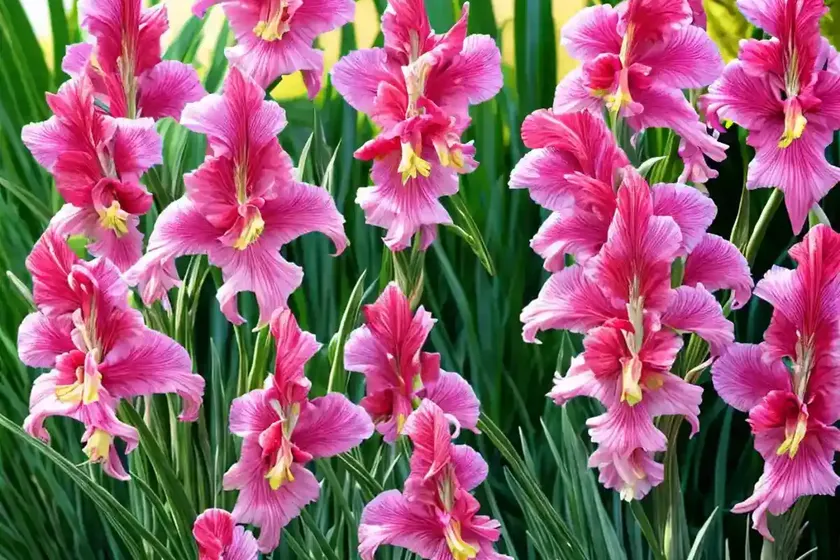
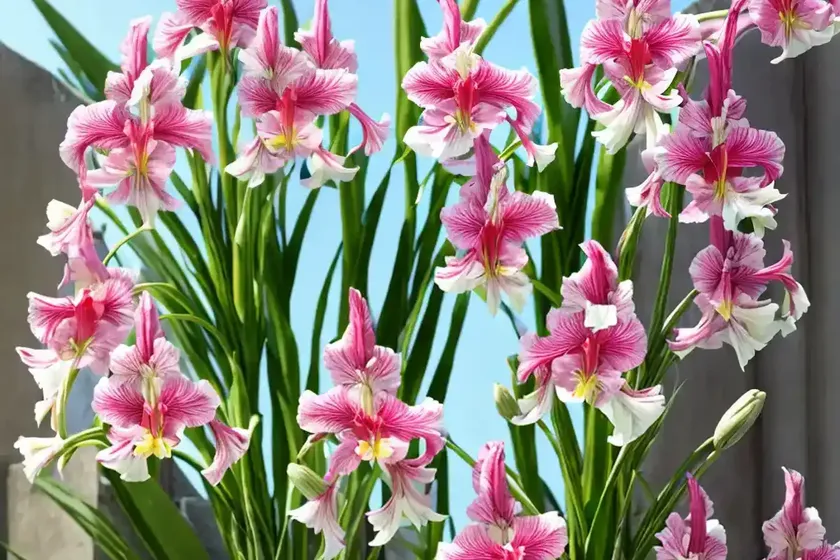
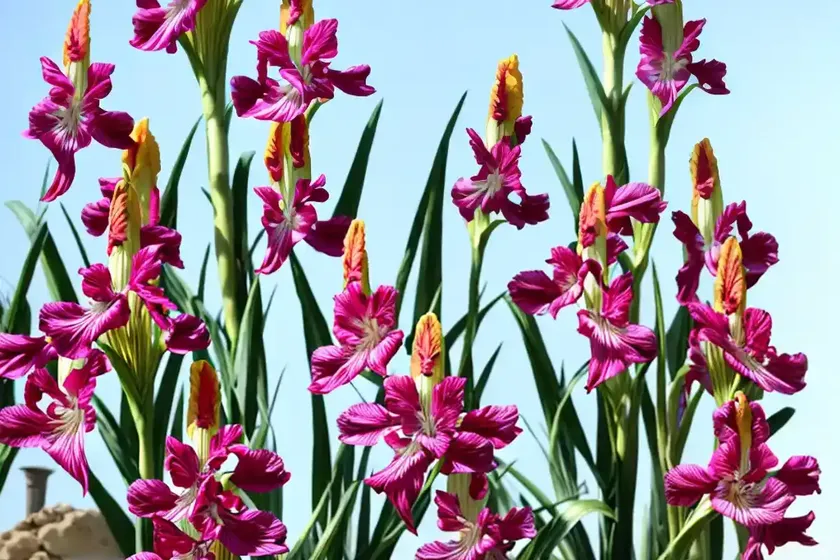
Gladiolus communis subsp. byzantinus, commonly known as Byzantine Gladiolus, is a stunning flowering plant that belongs to the iris family, Iridaceae. It is native to the Mediterranean region and is cherished for its vibrant and delicate flowers. In this comprehensive guide, we will explore the culture, uses, and care of Gladiolus communis subsp. byzantinus to help enthusiasts cultivate and appreciate this beautiful plant in their gardens.
What is Gladiolus communis subsp. byzantinus?
Gladiolus communis subsp. byzantinus is a perennial plant with long, sword-shaped leaves and vibrant magenta flowers. It typically reaches a height of 24 to 36 inches (61 to 91 cm) and blooms in the late spring to early summer, gracing gardens with its striking presence. This species is grouped under the genus Gladiolus, which comprises over 260 species, and is further classified under the subspecies Gladiolus communis.
Gladiolus communis subsp. byzantinus at a Glance:
- Scientific Name: Gladiolus communis subsp. byzantinus
- Common Name: Byzantine Gladiolus
- Family: Iridaceae
- Origin: Mediterranean region
- Flowering Season: Late spring to early summer
- Height: 24 to 36 inches (61 to 91 cm)
Key Takeaways – Gladiolus communis subsp. byzantinus
To effectively understand and appreciate Gladiolus communis subsp. byzantinus, it is essential to recognize some key takeaways about this exquisite species. These takeaways encompass its cultural significance, uses, and essential care requirements.
Gladiolus communis subsp. byzantinus Key Takeaways:
- Cultural Significance: The Byzantine Gladiolus holds cultural significance and has been cultivated for centuries for its ornamental value.
- Flower Varieties: Gladiolus communis subsp. byzantinus showcases vibrant magenta flowers, adding a pop of color to gardens and floral arrangements.
- Perennial Plant: This species is a perennial plant, returning year after year with its beautiful blooms.
Now, let’s delve deeper into the different aspects of cultivating and caring for Gladiolus communis subsp. byzantinus.
Culture of Gladiolus communis subsp. byzantinus
Understanding the culture of Gladiolus communis subsp. byzantinus is crucial for successfully nurturing this plant. This involves comprehending its water, sunlight, fertilizer, soil, and pruning requirements.
Uses
Before delving into its cultivation and care, it is essential to acknowledge the diverse uses of Gladiolus communis subsp. byzantinus. Apart from its ornamental value, these charming flowers are often used in:
- Floral Arrangements: The vibrant blooms of Byzantine Gladiolus are popular choices for floral arrangements, adding color and elegance to bouquets and displays.
Water
Proper watering is crucial for the well-being of Gladiolus communis subsp. byzantinus. The plant requires consistent moisture, especially during periods of active growth and flowering. However, it is essential to avoid overwatering, which can lead to root rot and other issues.
- Watering Requirements: Provide moderate and consistent watering, ensuring that the soil is well-drained and not waterlogged.
Sunlight
Gladiolus communis subsp. byzantinus thrives in full sun to part shade conditions. Adequate sunlight is essential for robust growth and prolific flowering.
- Sunlight Needs: Plant in an area that receives at least 6 to 8 hours of direct sunlight per day for optimal bloom production.
Fertilizer
Fertilizing the Byzantine Gladiolus is integral to promoting healthy foliage and vibrant flowers. A balanced fertilizer with a higher ratio of phosphorus is beneficial for encouraging blooming.
- Fertilizing Schedule: Apply a balanced fertilizer or a special bulb fertilizer in early spring before new growth appears. Continue to fertilize every 4 to 6 weeks during the growing season.
Soil
The right soil type forms the foundation for the successful cultivation of Gladiolus communis subsp. byzantinus. Well-draining, nutrient-rich soil is essential for promoting healthy growth and flowering.
- Ideal Soil: Plant the bulbs in well-drained, fertile soil with a slightly acidic to neutral pH.
Pruning
Pruning is a vital aspect of Gladiolus care, contributing to plant health, aesthetics, and the promotion of future growth and flowering.
- Pruning Technique: After the blooming period, remove faded flowers and any yellowing or browning foliage. Allow the remaining foliage to wither naturally before cutting it back to the ground.
Propagation
Gladiolus communis subsp. byzantinus can be propagated through various methods, including division and seed propagation. Division is the most common and reliable method for increasing the plant population.
- Propagation Methods: Divide mature clumps of bulbs every 2 to 3 years in the early spring before new growth starts.
Container Popularity
While Byzantine Gladiolus is typically grown in garden beds, it is also well-suited for container cultivation. This option allows individuals with limited garden space to enjoy the beauty of these vibrant flowers.
- Container Cultivation: Plant bulbs in well-draining, sizable containers with adequate depth to accommodate the roots.
The detailed understanding of these cultural aspects provides a strong foundation for successfully growing and caring for Gladiolus communis subsp. byzantinus in various settings.
Common Diseases and Pests
Like many other plants, Gladiolus communis subsp. byzantinus is susceptible to certain diseases and pests. Recognizing these issues and their appropriate management is crucial for maintaining the health and vitality of the plant.
Common Diseases
-
Botrytis Blight: This fungal disease can cause brown spots and rot on the foliage and flowers, particularly in humid conditions.
-
Fusarium Rot: It causes the base of the corms to decay, leading to stunted growth and wilting.
Disease Diagnosis
Early detection and diagnosis of diseases are essential for effective management. Look for symptoms such as discolored spots on the leaves, wilting, and rotting of the bulbs.
Common Pests
-
Thrips: These tiny insects can cause discoloration and deformation of the flowers and buds.
-
Aphids: Aphids can suck sap from the plant, leading to distorted growth and a decline in overall health.
Botanist’s Tips
Botanist’s tips offer valuable insights and recommendations for successfully cultivating, maintaining, and enjoying Gladiolus communis subsp. byzantinus. These tips are based on scientific knowledge and practical experience, enhancing the overall gardening experience.
Fun Facts
-
The Byzantine Gladiolus is often associated with grace, beauty, and sincerity, making it a meaningful choice for gifting and commemorating special occasions.
-
Gladiolus flowers are also known for their long vase life, making them popular choices for cut flower arrangements and floral displays.
Links to External Resources
For more in-depth information on Gladiolus communis subsp. byzantinus and related topics, refer to the following resources:
- Royal Horticultural Society – Gladiolus
- American Iris Society – Growing Irises
- University of Minnesota Extension – Bulbs and More
- Gardeners’ World – Plant Profiles
The information provided in these resources will further enrich your understanding of Gladiolus communis subsp. byzantinus and support your journey in cultivating and appreciating this remarkable plant.
In conclusion, Gladiolus communis subsp. byzantinus, or Byzantine Gladiolus, is an exceptional addition to any garden, offering vibrant blooms, cultural significance, and a relatively low-maintenance nature. By incorporating the insights and knowledge presented in this guide, enthusiasts can cultivate, care for, and enjoy the beauty of this captivating plant with confidence and success.
Happy Gardening!


