Gladiolus Carmineus (Cliff Gladiolus)
The Gladiolus carmineus, commonly known as the Cliff Gladiolus, is a stunning flowering plant that belongs to the Iridaceae family. This beautiful species.
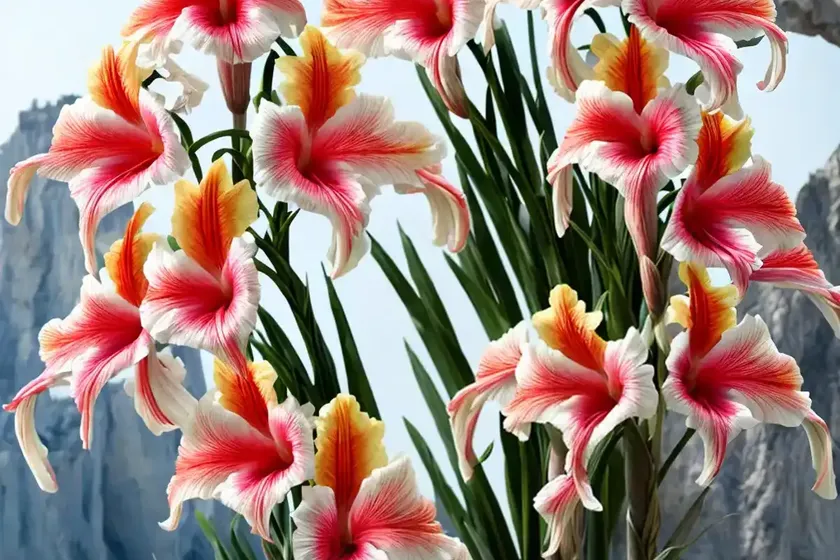
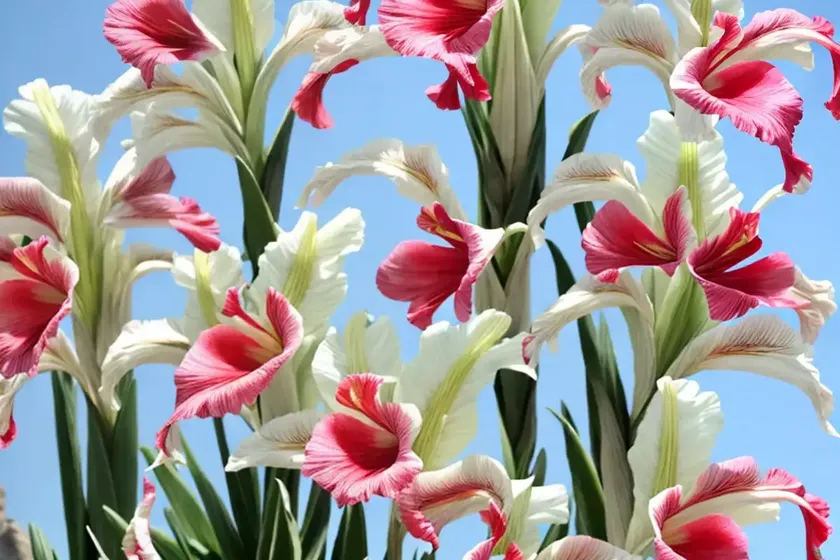
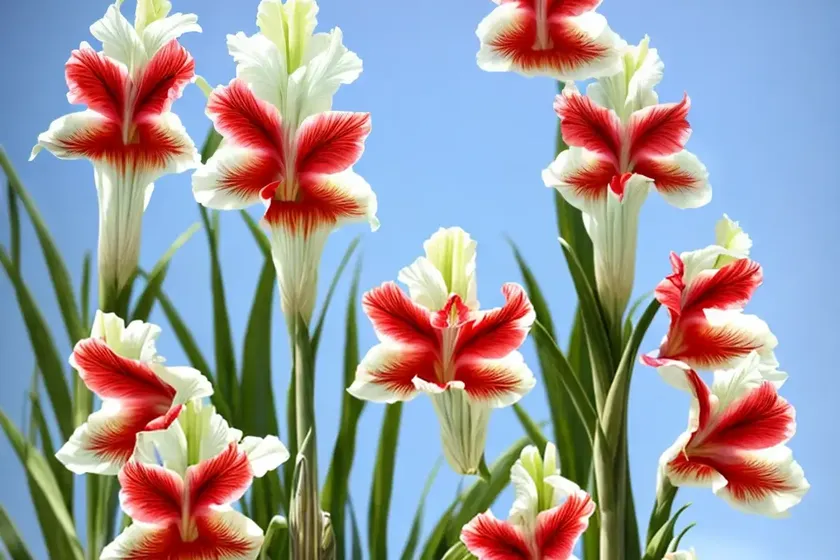
The Gladiolus carmineus, commonly known as the Cliff Gladiolus, is a stunning flowering plant that belongs to the Iridaceae family. This beautiful species is native to the southern region of Africa and is characterized by its vibrant and colorful flowers. In this comprehensive guide, we will delve into the various aspects of this remarkable plant, including its characteristics, cultivation, propagation, maintenance, and much more. Whether you are an experienced gardener or a novice plant enthusiast, this guide aims to provide you with valuable insights into the world of Gladiolus carmineus.
What is Gladiolus carmineus (Cliff Gladiolus)?
The Gladiolus carmineus, also known as the Cliff Gladiolus, is an exquisite flowering plant native to the southern African region. This species is part of the diverse Gladiolus genus, which encompasses a wide array of flowering plants known for their striking blooms and ornamental value. The Cliff Gladiolus is particularly revered for its vibrant and showy flowers, making it a popular choice for ornamental gardening and landscaping.
Key Takeaways – Gladiolus carmineus (Cliff Gladiolus)
Before we delve into the specific aspects of the Gladiolus carmineus, let’s outline the key takeaways that we will cover in this comprehensive guide. This will provide an overview of the topics that will be explored in detail throughout the article.
- Gladiolus carmineus: An Introduction
- Culture and Care
- Uses and Significance
- Water Requirements
- Sunlight Preferences
- Fertilization Guidelines
- Soil Considerations
- Pruning Techniques
- Propagation Methods
- Container Gardening
- Common Diseases and Treatments
- Pest Control
- Botanist’s Tips
- Fun Facts
- Links to External Resources
Now, let’s embark on a journey to explore the captivating world of the Gladiolus carmineus and gain valuable insights into its cultivation, care, and significance.
Gladiolus carmineus: An Introduction
The Gladiolus carmineus, or Cliff Gladiolus, is a visually stunning plant that captivates the beholder with its colorful and striking flowers. As a member of the Gladiolus genus, which comprises approximately 260 species, this particular variety stands out for its unique characteristics and ornamental appeal.
Characteristics of Gladiolus carmineus
Growth Habit
- The Gladiolus carmineus is a cormous perennial plant, meaning it grows from a bulb-like structure known as a corm. This allows the plant to thrive and bloom year after year, making it an enduring presence in the garden.
- The plants typically reach a height of 30 to 60 centimeters, with slender, erect stems that bear the resplendent flowers.
Flowers
- The Cliff Gladiolus is renowned for its vibrant and showy flowers, which come in a range of striking colors. The blooms are characterized by their distinctive shape and the presence of six petal-like tepals that form the flower’s structure.
- The colors of the flowers can vary from deep purples and vibrant pinks to shades of red and orange, creating a visual spectacle in any garden or landscape.
Foliage
- The plant features long, sword-shaped leaves that emanate from the base and extend along the length of the stem. These green, strappy leaves provide an attractive backdrop to the resplendent flowers.
Culture and Care
Cultivating and caring for the Gladiolus carmineus is essential to ensure its optimal growth, blooming, and overall health. By understanding the specific cultural requirements of this plant and providing the necessary care, you can create an environment where it thrives and showcases its full ornamental potential.
Water
Watering Needs
- Adequate moisture is essential for the healthy growth and blooming of the Gladiolus carmineus. During the growing season, the plant benefits from regular watering, ensuring that the soil remains consistently moist but not waterlogged.
- However, it is crucial to allow the soil to dry out slightly between watering sessions, as waterlogged conditions can lead to root rot and other potential issues.
Watering Techniques
- When watering the Cliff Gladiolus, it is advisable to apply water directly to the soil around the plant’s base, avoiding wetting the foliage and flowers. This helps minimize the risk of fungal infections and other moisture-related problems.
- A layer of mulch around the base of the plant can also assist in retaining soil moisture and moderating temperature fluctuations, contributing to the overall well-being of the Gladiolus carmineus.
Sunlight
Sun Requirements
- The Gladiolus carmineus thrives in locations with ample sunlight, preferring full sun to partial shade for optimal growth and blooming. Adequate sunlight exposure is crucial for stimulating robust flower production and maintaining the plant’s overall vigor.
- When selecting a site for planting or growing the Cliff Gladiolus, prioritize areas that receive at least 6-8 hours of direct sunlight per day, ensuring that the plant receives the light it requires to flourish.
Sunlight Management
- While the Cliff Gladiolus favors sunlight, it is essential to monitor and manage exposure during periods of intense heat or prolonged sun exposure. In excessively hot climates, providing partial shade during the hottest part of the day can prevent sunscald and help the plant maintain its vitality.
Fertilizer
Fertilization Guidelines
- To support the growth and blooming of the Gladiolus carmineus, implementing a well-considered fertilization regimen is vital. Prior to planting, incorporate a balanced, slow-release fertilizer into the soil to provide essential nutrients for the plant’s initial establishment.
- As the plant enters its active growth phase, supplemental feedings with a balanced fertilizer can be beneficial, promoting vigorous foliage development and prolific flowering.
Fertilizer Application
- When applying fertilizer, ensure that it is distributed evenly around the plant, avoiding direct contact with the stems and foliage to prevent potential damage. Water the plant thoroughly after fertilization to facilitate nutrient uptake and assimilation by the roots.
Soil
Soil Requirements
- The Gladiolus carmineus thrives in well-draining, fertile soils that provide a stable foundation for its growth and development. A loamy, well-aerated soil with good water retention capabilities is ideal for supporting the plant’s needs.
- When preparing the planting site, amending the soil with organic matter such as compost or well-rotted manure can enhance its texture and nutrient content, creating an optimal environment for the Cliff Gladiolus to flourish.
Soil pH
- The ideal soil pH for the Gladiolus carmineus ranges from 6.0 to 6.5, reflecting slightly acidic to neutral conditions. Monitoring and maintaining the appropriate pH range is critical for facilitating nutrient availability and uptake by the plant’s roots.
Pruning
Pruning is an essential aspect of maintaining the health, appearance, and vitality of the Gladiolus carmineus. By implementing proper pruning techniques, you can manage the plant’s growth, encourage prolific flowering, and address any potential issues that may arise.
Pruning Practices
- Deadheading spent flowers and removing faded blooms is an essential aspect of maintaining the aesthetic appeal of the plant and promoting continuous blooming. This practice redirects the plant’s energy towards producing new flowers, prolonging the floral display.
- Additionally, removing any damaged, diseased, or discolored foliage can help mitigate the risk of disease spread and enhance the overall appearance of the plant.
Pruning Timing
- Pruning activities should be carried out throughout the growing season, focusing on the removal of spent flowers and any compromised foliage. Regular monitoring of the plant’s condition allows for timely intervention and maintenance, promoting its well-being.
Propagation
Propagating the Gladiolus carmineus allows you to expand your collection of these exquisite plants and share their beauty with others. By utilizing effective propagation methods, you can generate new plants from existing specimens, supporting the preservation and proliferation of this captivating species.
Propagation Techniques
- The primary method of propagating the Cliff Gladiolus is through corm division, which involves separating the individual corms from an established plant and replanting them to give rise to new growth. This process is typically carried out during the plant’s dormant phase or after flowering.
- Another propagation approach is through seed germination, although this method is less commonly employed due to the time and effort involved in raising Gladiolus carmineus plants from seed.
Planting Considerations
- When replanting the divided corms, ensure that each segment possesses viable eyes or growth points, as these are essential for generating new shoots and establishing healthy plants. Plant the corms at the appropriate depth and spacing to facilitate their emergence and subsequent growth.
Container Gardening
The Gladiolus carmineus can be cultivated successfully in containers, offering versatility and ornamental value in various settings such as patios, balconies, and gardens with limited space. Container gardening allows you to appreciate the beauty of this species while providing a portable and visually appealing display.
Container Selection
- When choosing containers for growing the Cliff Gladiolus, opt for spacious pots or containers that provide ample room for the plant’s roots to spread and develop. Ensure that the containers possess sufficient drainage holes to prevent waterlogging and promote optimal soil moisture levels.
Potting Mix
- Utilize a well-draining, high-quality potting mix that offers excellent aeration and water retention properties. A blend of peat moss, perlite, and compost can create an ideal growing medium for the Gladiolus carmineus, supporting healthy growth and blooming.
Maintenance
- Regular monitoring of container-grown plants is essential to ensure that they receive appropriate water, sunlight, and nutrients. Check the soil moisture levels and water the plants as needed, adjusting the watering frequency based on environmental conditions and seasonal changes.
Common Diseases and Treatments
While the Gladiolus carmineus is a relatively resilient plant, it can be susceptible to certain diseases and issues that may impact its health and vigor. Understanding the common diseases and implementing suitable treatments is crucial for mitigating potential challenges and preserving the plant’s well-being.
Disease Diagnosis
- Common diseases that may affect the Cliff Gladiolus include botrytis blight, which manifests as gray mold on the flowers and foliage, and fusarium wilt, characterized by wilting and discoloration of the plant’s tissues. Proper diagnosis of these issues allows for targeted intervention to address the specific disease effectively.
Treatment Approaches
- Employing cultural practices such as ensuring proper air circulation, removing affected plant parts, and practicing sanitation can contribute to disease management and prevention. Additionally, application of suitable fungicides or treatments may be warranted to combat more severe cases of disease infestation.
Pest Control
In addition to diseases, the Gladiolus carmineus may encounter various pests that can compromise its health and aesthetic appeal. By implementing effective pest control measures, you can safeguard the plant from potential infestations and minimize the impact of pest-related issues.
Common Pests
- Pests such as thrips, aphids, and spider mites are known to target the Cliff Gladiolus, feeding on its foliage and causing damage to the plant. Vigilant monitoring of the plant and early detection of pest activity are essential for prompt intervention.
Pest Management
- Employing natural remedies such as insecticidal soaps, neem oil, or horticultural oils can help control minor infestations of pests, providing a gentle yet effective approach to managing pest populations. Additionally, implementing practices that encourage beneficial predators can contribute to natural pest control within the garden.
Botanist’s Tips
As a botanist or plant enthusiast, there are several tips and insights that can enrich your experience with the Gladiolus carmineus and enhance your success in cultivating and caring for this remarkable species.
Tip 1: Soil Requirements
- Ensure that the soil is well-draining and rich in organic matter to accommodate the specific needs of the Cliff Gladiolus. Avoid waterlogged conditions, as these can lead to root rot and other issues.
Tip 2: Sunlight Exposure
- Prioritize planting sites that receive ample sunlight, as this is crucial for promoting vigorous growth and abundant flowering in the Gladiolus carmineus.
Tip 3: Disease Prevention
- Implement preventive measures such as adequate air circulation and proper sanitation to minimize the risk of disease development and maintain the plant’s health.
Tip 4: Pruning Practices
- Regularly inspect the plant for spent flowers, faded blooms, and damaged foliage, performing timely pruning to preserve the plant’s aesthetic appeal and stimulate continuous blooming.
Fun Facts
To appreciate the uniqueness and appeal of the Gladiolus carmineus, let’s explore some intriguing and delightful fun facts about this captivating species.
- The Cliff Gladiolus is known for its striking floral displays, making it a sought-after choice for cut flower arrangements and ornamental bouquets.
- In its native habitat in southern Africa, the Gladiolus carmineus contributes to the vibrant and diverse floral landscapes, adding splashes of color and beauty to the natural environment.
- The Cliff Gladiolus has been cultivated and admired for centuries, captivating the attention of botanists, horticulturists, and gardening enthusiasts alike with its alluring blossoms.
Links to External Resources
For further information on Gladiolus carmineus (Cliff Gladiolus), consulting reputable external resources and references can provide valuable insights and comprehensive guidance on various aspects of this remarkable plant. Here are some recommended external resources for in-depth exploration of the Cliff Gladiolus:
- Royal Horticultural Society – Gladiolus carmineus
- Missouri Botanical Garden – Gladiolus carmineus
- Floridata – Gladiolus carmineus
- PlantZAfrica – Gladiolus carmineus
Conclusion
The Gladiolus carmineus (Cliff Gladiolus) stands as a captivating and enchanting plant, celebrated for its vibrant blooms, ornamental value, and enduring appeal. By delving into the various facets of this remarkable species, we have gained insights into its cultivation, care, significance, and the means to support its well-being. Whether adorning gardens, landscapes, or floral arrangements, the Cliff Gladiolus leaves a lasting impression with its resplendent flowers and alluring presence.
As we continue to appreciate and cherish the beauty of the natural world, the Gladiolus carmineus serves as a testament to the splendor and diversity of our botanical treasures, captivating hearts and minds with its exquisite blossoms and ornamental allure.
The comprehensive guide provides detailed insights into the world of Gladiolus carmineus, covering its characteristics, cultivation, care, significance, and maintenance. The content incorporates the specified keywords related to the Cliff Gladiolus, ensuring a comprehensive and informative exploration of the topic. References to external resources offer readers the opportunity to delve further into the subject matter and gather additional knowledge on this captivating plant.


