Ginkgo (Ginkgo Biloba)
Ginkgo, scientifically known as Ginkgo biloba, is a unique and widely revered plant that holds a significant place in the world of botanical science.

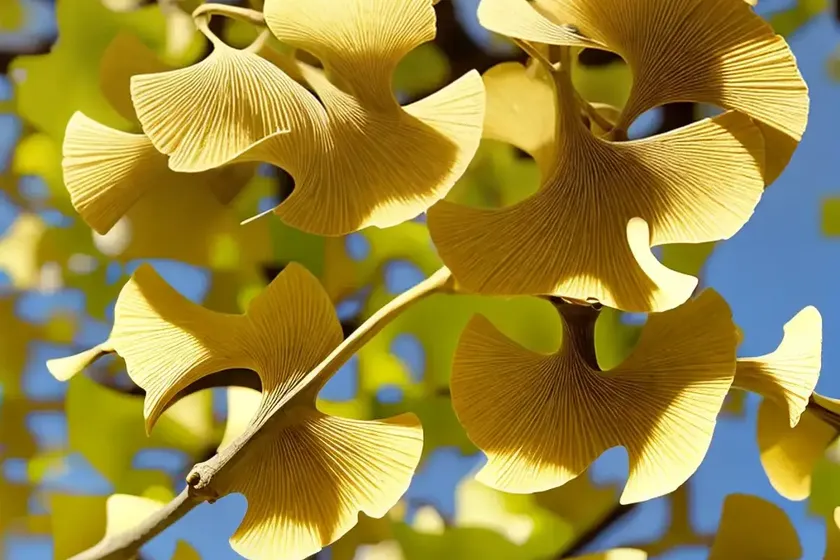
Ginkgo, scientifically known as Ginkgo biloba, is a unique and widely revered plant that holds a significant place in the world of botanical science, traditional medicine, and modern therapeutic practices. Remarkably resilient and ancient, the Ginkgo tree has survived for over 200 million years, making it one of the oldest living plant species on earth. This article delves into the extraordinary characteristics of Ginkgo biloba, its cultural significance, uses, growth requirements, common diseases, and much more.
What is Ginkgo (Ginkgo biloba)?
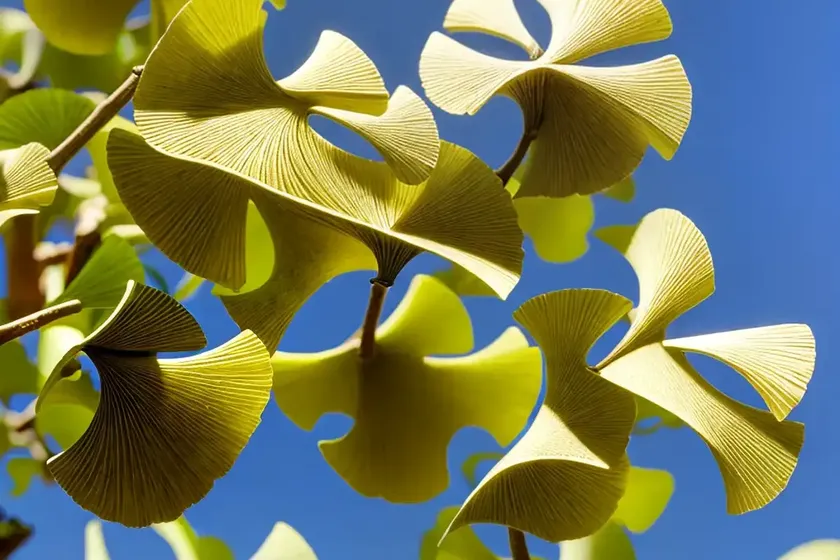
Belonging to the family Ginkgoaceae, Ginkgo biloba is the only living species in the division Ginkgophyta. Commonly known as the maidenhair tree, it is a deciduous tree with unique fan-shaped leaves that turn a brilliant golden yellow in the fall. Notably, Ginkgo is considered a living fossil as it has remained relatively unchanged for millions of years. The species name “biloba” refers to the unique bilobed or split-leaved nature of its leaves.
Ginkgo trees are renowned for their adaptability, environmental resilience, and longevity, and have been cultivated and revered across various cultures for centuries. Its leaves and nuts have been extensively utilized in traditional Chinese medicine and are now a subject of interest in modern scientific research due to their potential therapeutic properties.
Key Takeaways – Ginkgo (Ginkgo biloba)
Culture
- Ginkgo has a rich cultural significance, especially in Asian countries, where it is considered a symbol of longevity, resilience, and hope.
- The Ginkgo tree is often planted in temple gardens, public parks, and urban landscapes due to its aesthetic beauty and historical value.
Uses
- The leaves and seeds of Ginkgo biloba have been used in traditional medicine for a wide range of health conditions, and modern research continues to explore its potential benefits.
- Ginkgo extract is a popular dietary supplement, often taken to support cognitive function, memory, and overall well-being.
Water
- Ginkgo trees are relatively drought-tolerant once established, but they benefit from regular watering, especially during dry periods.
Sunlight
- Ginkgo trees prefer full sun to partial shade and thrive in well-lit environments.
Fertilizer
- Ginkgo trees generally have modest fertilizer needs. It is advisable to apply a balanced slow-release fertilizer in the early spring to support healthy growth.
Soil
- Ginkgo trees are adaptable to various soil types but thrive in moist, well-draining soil.
Pruning
- Typically, minimal pruning is required for Ginkgo trees. It is recommended to remove any dead or damaged branches as needed.
Propagation
- Ginkgo trees can be propagated from seeds, but it is essential to note that the seeds have a foul-smelling outer fleshy layer that needs to be removed before planting.
Container Popularity
- Ginkgo trees are not commonly grown in containers due to their large size and extensive root systems. However, dwarf cultivars may be suitable for container growth.
Common Diseases
- Ginkgo trees are relatively resistant to pests and diseases, with few serious issues. However, they may be susceptible to certain fungal diseases and leaf spot.
Disease Diagnosis
- Symptoms of Ginkgo diseases may include leaf browning, defoliation, and unusual growth patterns. Consultation with a plant pathologist may be necessary for accurate diagnosis and management.
Common Pests
- Ginkgo trees are generally resistant to pest infestations, but they may occasionally face challenges from aphids, mites, and scale insects.
Botanist’s Tips
- Ensure proper spacing and adequate air circulation when planting Ginkgo trees to reduce the risk of fungal diseases.
- Regular inspection and early intervention can help maintain the health and vigor of Ginkgo trees.
Fun Facts
- The Ginkgo tree is often referred to as a “living fossil” due to its unchanged characteristics over millions of years.
- Ginkgo trees are notably resilient, having survived the atomic blast in Hiroshima, Japan, during World War II.
Links to External Resources
- To further explore the world of Ginkgo biloba, refer to the following external resources:
- The Ancient Ginkgo Tree – Missouri Botanical Garden
- Ginkgo biloba – Royal Botanic Gardens, Kew
- Ginkgo biloba – The Morton Arboretum
Ginkgo biloba benefits, uses, tree, extract, side effects, dosage, supplements, and its diverse applications in supporting memory, cognitive function, and overall health have garnered immense attention in recent years. The impressive range of potential advantages that Ginkgo offers has led to increased interest in its cultivation, traditional and modern uses, and ongoing scientific studies. The timeless presence of Ginkgo in the natural world continues to inspire awe and fascination, making it a cherished botanical wonder.
Ginkgo biloba benefits
Ginkgo biloba has gained attention for its potential benefits in various aspects of health and well-being. Some of the reported benefits and uses include:
- Memory enhancement: Ginkgo biloba is often associated with potential memory improvement and cognitive function support.
- Anxiety and depression: Some studies suggest that Ginkgo biloba may have a positive impact on anxiety, depression, and mood regulation.
- Cognitive function: The use of Ginkgo biloba is linked to maintaining and enhancing cognitive abilities, such as concentration and mental clarity.
- Brain health: Ginkgo biloba is believed to have neuroprotective properties, supporting overall brain health and potentially reducing the risk of age-related cognitive decline.
- Alzheimer’s disease: While research is ongoing, there is interest in exploring Ginkgo biloba’s role in Alzheimer’s disease management and prevention.
- Tinnitus: Some individuals use Ginkgo biloba as a complementary approach to managing symptoms of tinnitus (ringing in the ears).
- Blood circulation: Ginkgo biloba is associated with potential improvements in blood circulation, which may benefit cardiovascular and overall systemic health.
- Eye health: The potential of Ginkgo biloba in supporting vision and eye health has been a topic of interest in research.
Ginkgo biloba uses
Ginkgo biloba is used in various forms, primarily as:
- Dietary supplements: Ginkgo biloba supplements, available in capsules, tablets, and liquid extracts, are widely used to harness its potential health benefits.
- Traditional medicine: Ginkgo biloba has historical significance in traditional Chinese medicine, where it has been utilized for diverse health purposes.
- Research and studies: The unique properties of Ginkgo biloba have led to its inclusion in scientific studies and clinical research, exploring its potential applications in modern healthcare.
Ginkgo biloba tree
The Ginkgo biloba tree is a distinctive and remarkable species with several notable characteristics:
- Leaves: The fan-shaped leaves of Ginkgo biloba are one of its most recognizable features, particularly during the autumn when they turn a striking golden yellow.
- Lifespan: Ginkgo trees are renowned for their longevity, with some specimens living for several centuries.
- Adaptability: Ginkgo biloba trees exhibit remarkable adaptability to various environmental conditions, making them suitable for diverse landscapes and climates.
- Cultural significance: The Ginkgo tree holds cultural significance in several countries, symbolizing endurance, hope, and longevity.
Ginkgo biloba extract
Ginkgo biloba extract is derived from the leaves of the Ginkgo tree and is widely utilized for its potential therapeutic properties, including cognitive support, circulatory benefits, and overall well-being.
Some key points about Ginkgo biloba extract include:
- Standardization: Ginkgo biloba extract is often standardized to contain specific amounts of active compounds, such as flavonoids and terpenoids, which are believed to contribute to its beneficial effects.
- Supplement forms: The extract is commonly available in supplement form, offering a convenient way to consume Ginkgo biloba for its potential health benefits.
- Research focus: The distinctive properties of Ginkgo biloba extract have attracted considerable attention from researchers exploring its physiological effects and potential therapeutic applications.
Ginkgo biloba side effects
While Ginkgo biloba is generally well-tolerated by most individuals, it may potentially cause side effects or interactions under certain circumstances.
Possible side effects of Ginkgo biloba include:
- Gastrointestinal disturbances: Some individuals may experience mild digestive discomfort or related symptoms.
- Allergic reactions: Allergic responses to Ginkgo biloba are rare but can occur in sensitive individuals.
- Interactions: Ginkgo biloba may interact with certain medications, particularly blood thinners, so it is important to consult with a healthcare professional before use.
Ginkgo biloba dosage
The appropriate dosage of Ginkgo biloba may vary based on individual health needs, age, and specific circumstances. It is advisable to follow recommended guidelines and consult with a healthcare provider for personalized advice.
Key considerations for Ginkgo biloba dosage include:
- Standardized extracts: Ginkgo biloba supplements often provide standardized amounts of active compounds, aiding in consistency of dosage.
- Individual health factors: Personal health conditions, age, and other factors should be taken into account when determining the appropriate dosage.
Ginkgo biloba supplements
Ginkgo biloba supplements are widely available and may be obtained in various forms, including capsules, tablets, and liquid extracts.
Aspects related to Ginkgo biloba supplements include:
- Quality and standardization: When selecting Ginkgo biloba supplements, it is beneficial to choose products from reputable manufacturers that adhere to quality standards and dosage consistency.
- Consultation: Consulting with a healthcare professional before starting Ginkgo biloba supplementation is advisable, especially for individuals with existing health conditions or those taking medications.
Ginkgo biloba memory
The association between Ginkgo biloba and memory support has been a subject of interest for researchers and individuals seeking natural approaches to cognitive health.
Key points about Ginkgo biloba and memory include:
- Memory enhancement: Some studies indicate that Ginkgo biloba may potentially contribute to memory improvement and cognitive function.
- Mechanisms of action: The specific mechanisms through which Ginkgo biloba may support memory and cognition are a focus of ongoing research.
Ginkgo biloba for anxiety and depression
Research exploring the potential impact of Ginkgo biloba on anxiety, depression, and mood regulation has generated interest in its applications for emotional well-being.
Considerations regarding Ginkgo biloba for anxiety and depression include:
- Preliminary evidence: Some studies suggest a potential role for Ginkgo biloba in managing symptoms of anxiety and depression, but further research is needed for conclusive findings.
- Complementary approaches: Ginkgo biloba may be considered as a complementary option for individuals seeking natural strategies to support emotional health, in combination with professional guidance and appropriate therapies.
Ginkgo biloba for cognitive function
The potential influence of Ginkgo biloba on cognitive function extends to various aspects of mental performance, concentration, and overall cognitive well-being.
Relevant points about Ginkgo biloba and cognitive function include:
- Maintenance and enhancement: Ginkgo biloba is associated with maintaining and potentially enhancing cognitive abilities, which has implications for daily mental tasks and functioning.
- Age-related considerations: The use of Ginkgo biloba in supporting cognitive health, particularly in aging populations, has been a focus of scientific research.
Ginkgo biloba for brain health
Ginkgo biloba has been linked to potential benefits for brain health, encompassing neuroprotection, neural support, and overall cognitive vitality.
Aspects of Ginkgo biloba’s influence on brain health include:
- Neuroprotective effects: Ginkgo biloba is believed to possess properties that support the protection and well-being of brain cells and neural processes.
- Long-term implications: The role of Ginkgo biloba in promoting overall brain health and reducing the risk of age-related cognitive decline holds substantial significance for public health and well-being.
Ginkgo biloba for concentration
The effects of Ginkgo biloba on concentration and mental focus have been a subject of interest for individuals seeking natural approaches to enhancing cognitive abilities.
Considerations regarding Ginkgo biloba for concentration include:
- Attention and focus: Ginkgo biloba is associated with potential improvements in attention and concentration, which may have practical implications for daily tasks and activities.
- Supporting mental clarity: The use of Ginkgo biloba for maintaining clear thinking and mental acuity has been a focus of research and individual interest.
Ginkgo biloba for Alzheimer’s
Ginkgo biloba’s possible role in Alzheimer’s disease management and prevention has attracted attention in the context of promoting cognitive health and aging with vitality.
Relevant factors related to Ginkgo biloba and Alzheimer’s include:
- Potential cognitive support: Some studies have explored the use of Ginkgo biloba in individuals with Alzheimer’s disease, aiming to assess its impact on cognitive abilities and quality of life.
- Long-term considerations: The implications of Ginkgo biloba in contributing to strategies for Alzheimer’s disease management and care are of significant interest for healthcare and research communities.
Ginkgo biloba for tinnitus
Tinnitus, characterized by ringing or buzzing sensations in the ears, has led to investigations into natural approaches, including the potential role of Ginkgo biloba in managing related symptoms.
Key points related to Ginkgo biloba and tinnitus include:
- Complementary support: Ginkgo biloba is considered by some individuals as a complementary approach to addressing tinnitus, potentially offering relief from associated discomfort.
- Individual responses: The impact of Ginkgo biloba on tinnitus symptoms may vary among individuals, necessitating personalized considerations and experiences.
Ginkgo biloba for blood circulation
Ginkgo biloba’s influence on blood circulation and cardiovascular health has been an area of research, with implications for systemic well-being and vitality.
Relevant aspects of Ginkgo biloba for blood circulation include:
- Vascular effects: Ginkgo biloba is believed to have potential impacts on blood flow, circulation, and related cardiovascular parameters, which have significant health implications.
- Holistic considerations: The role of Ginkgo biloba in supporting overall systemic circulation and health is of considerable interest in the context of natural health approaches.
Ginkgo biloba for eyes
The potential benefits of Ginkgo biloba for vision and eye health have prompted explorations into its influence on ocular well-being and related conditions.
Considerations regarding Ginkgo biloba for eyes include:
- Ocular support: Some individuals use Ginkgo biloba as part of their approach to supporting healthy vision and addressing specific eye-related concerns.
- Research focus: The impact of Ginkgo biloba on visual and ocular health is a subject of scientific interest and ongoing investigations.
Ginkgo biloba for heart health
Ginkgo biloba’s potential implications for cardiovascular health and heart function have garnered attention in the context of natural approaches to holistic well-being.
Relevant factors related to Ginkgo biloba for heart health include:
- Cardiovascular effects: Ginkgo biloba is associated with potential influences on heart health, blood vessels, and related systemic parameters, contributing to overall cardiovascular well-being.
Ginkgo biloba for asthma
The relationship between Ginkgo biloba and asthma, a chronic respiratory condition, has been a topic of interest in exploring complementary strategies for respiratory health.
Key points about Ginkgo biloba for asthma include:
- Respiratory support: Some individuals have expressed interest in potential uses of Ginkgo biloba to complement their asthma management strategies, although individual responses may vary.
Ginkgo biloba for vertigo
Vertigo, characterized by dizziness and a sensation of spinning, has led to explorations into natural approaches, including the potential role of Ginkgo biloba in managing related symptoms.
Considerations regarding Ginkgo biloba for vertigo include:
- Balance and equilibrium: Ginkgo biloba is reportedly used by some individuals to address symptoms of vertigo, with potential implications for balance and inner ear health.
Ginkgo biloba for diabetes
The potential impact of Ginkgo biloba on diabetes management and related metabolic parameters has been a subject of research and interest in supporting systemic health.
Key considerations related to Ginkgo biloba for diabetes include:
- Metabolic support: Ginkgo biloba has been investigated for its potential influences on glucose metabolism, insulin sensitivity, and related aspects of diabetes care.
Ginkgo biloba for menopause
The potential role of Ginkgo biloba in addressing symptoms of menopause has been a topic of interest for individuals seeking natural approaches to women’s health and well-being.
Relevant aspects of Ginkgo biloba for menopause include:
- Hormonal balance: Ginkgo biloba is regarded by some individuals as potentially offering support for menopausal symptoms, although individual experiences and responses may vary.
Ginkgo biloba antioxidant
Ginkgo biloba is recognized for its potential antioxidant properties, which contribute to its health-supporting effects and systemic vitality.
Key points related to Ginkgo biloba as an antioxidant include:
- Free radical scavenging: Ginkgo biloba is believed to possess antioxidant properties that help neutralize harmful free radicals, supporting overall cellular health and well-being.
Ginkgo biloba anti-inflammatory
The anti-inflammatory potential of Ginkgo biloba has been a focus of scientific investigations, with implications for managing systemic inflammation and supporting overall health.
Considerations regarding Ginkgo biloba as an anti-inflammatory agent include:
- Inflammatory balance: Ginkgo biloba is associated with potential influences on systemic inflammation, contributing to the overall maintenance of well-being.
Ginkgo biloba natural remedy
Ginkgo biloba is often regarded as a natural remedy with broad-ranging potential benefits, spanning cognitive health, circulation, and overall vitality.
Relevant aspects of Ginkgo biloba as a natural remedy include:
- Holistic applications: Ginkgo biloba is sought after as a natural remedy for various health considerations, appealing to individuals seeking natural and complementary approaches to well-being.
Ginkgo biloba leaf extract
Ginkgo biloba leaf extract represents a concentrated form of the plant’s active constituents, offering a convenient means of harnessing its potential health benefits.
Key points about Ginkgo biloba leaf extract include:
- Potency and concentration: Ginkgo biloba leaf extract provides standardized amounts of active compounds, contributing to its therapeutic effects.
- Supplement form: Ginkgo biloba leaf extract is commonly available in supplement form, facilitating easy and consistent consumption.
Ginkgo biloba herbal supplement
As a herbal supplement, Ginkgo biloba is widely used for its potential health-supporting effects, particularly in the realms of cognitive function, circulation, and overall vitality.
Aspects of Ginkgo biloba as a herbal supplement include:
- Natural origins: Ginkgo biloba’s status as an herbal supplement


