Ginkgo Biloba (Maidenhair Tree)
Ginkgo biloba, commonly known as the Maidenhair Tree, is a unique and ancient plant species that has fascinated botanists, scientists, and herbal.
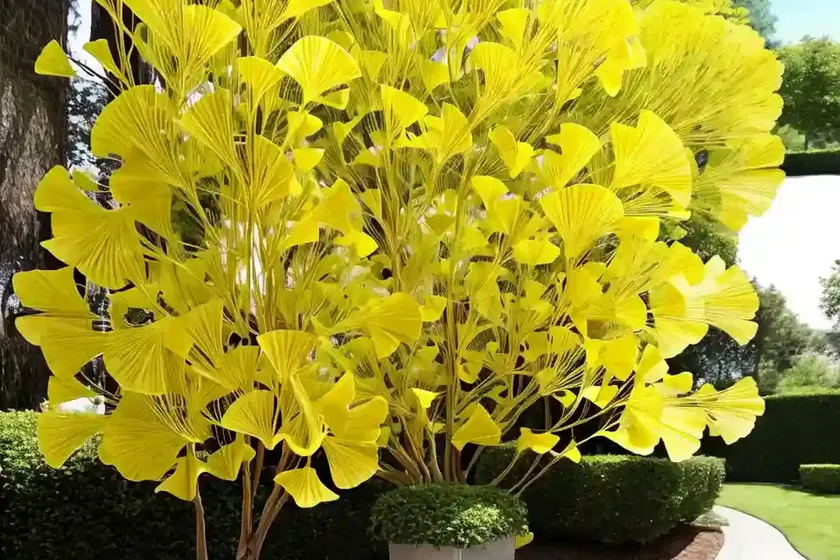
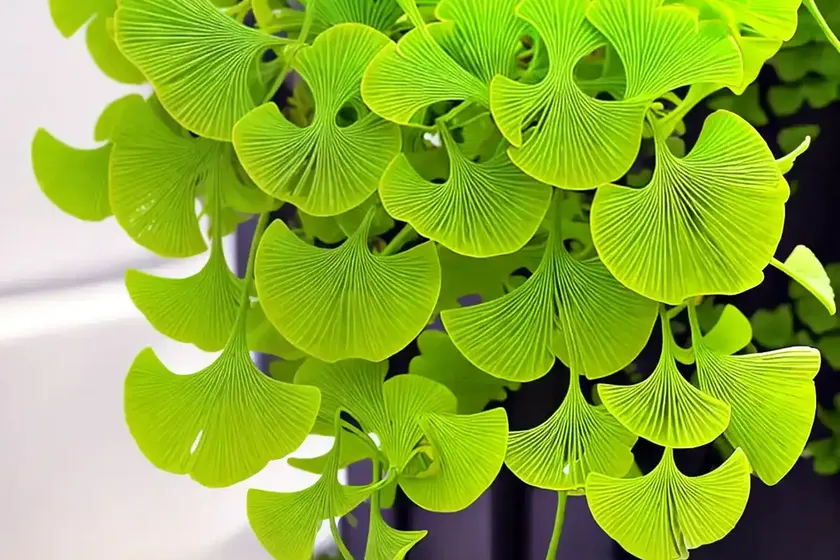
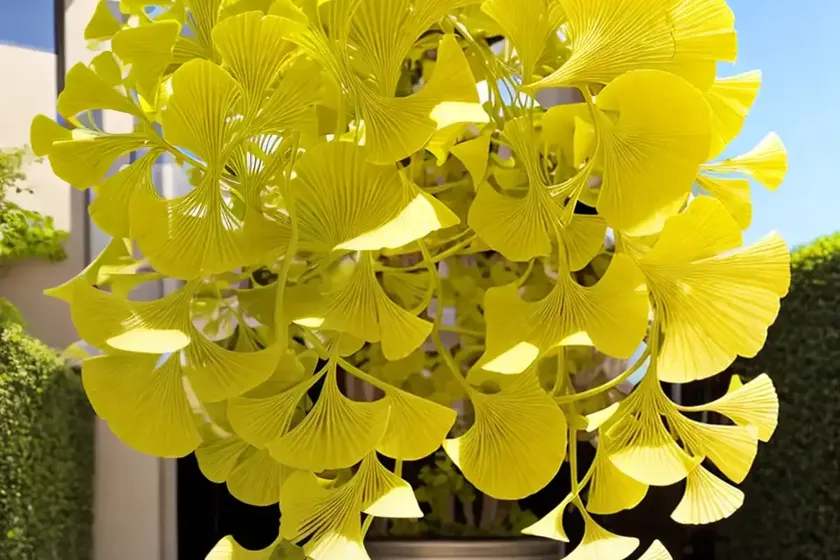
Ginkgo biloba, commonly known as the Maidenhair Tree, is a unique and ancient plant species that has fascinated botanists, scientists, and herbal enthusiasts for centuries. This plant is not just a beautiful ornamental addition to gardens and landscapes, but it’s also valued for its cultural significance, health benefits, and various uses. In this comprehensive guide, we’ll delve into the diverse aspects of Ginkgo biloba, including its cultural significance, uses, care requirements, common diseases, pests, propagation, and much more.
What is Ginkgo biloba (Maidenhair Tree)?
Ginkgo biloba, belonging to the family Ginkgoaceae, is a living fossil and is the only living species in the division Ginkgophyta. It is considered to be a unique species because it has no living relatives and has remained unchanged for millions of years. The term “biloba” in its scientific name refers to the distinct bilobed or bi-lobed shape of its leaves.
This deciduous tree is native to China and is widely cultivated across the globe for its extraordinary characteristics and uses. It is especially renowned for its fan-shaped leaves, significant historical value, and medicinal properties. Furthermore, Ginkgo biloba is also a popular subject of research due to its potential benefits for cognitive function, memory, and overall well-being.
Key Takeaways – Ginkgo biloba (Maidenhair Tree)
Before we delve into the specific aspects of Ginkgo biloba, let’s take a look at some key takeaways that we’ll be exploring in detail throughout this guide:
- Cultural Significance: Ginkgo biloba holds immense cultural significance in various regions around the world.
- Uses: The Maidenhair Tree is utilized for a wide range of purposes, including medicinal, culinary, and ornamental applications.
- Care Requirements: Understanding the water, sunlight, fertilizer, soil, pruning, and propagation needs of Ginkgo biloba is crucial for its successful cultivation.
- Common Diseases and Pests: Like any other plant, Ginkgo biloba is susceptible to certain diseases and pests, and recognizing and addressing these issues is essential for maintaining its health and vigor.
Now that we have an overview of what we’ll be covering, let’s embark on a journey to explore the various facets of Ginkgo biloba and gain a deeper understanding of this remarkable plant.
Culture
Cultural Significance of Ginkgo biloba
Ginkgo biloba has a rich cultural history and holds a special place in the traditions and folklore of several societies. Some of the cultural aspects associated with the Maidenhair Tree include:
- Symbol of Longevity and Hope: In many cultures, Ginkgo biloba symbolizes longevity, resilience, and hope. The tree’s ability to survive under adverse conditions, such as pollution and diseases, has contributed to its symbolic significance.
- Medicinal and Spiritual Uses: Throughout history, various parts of the Ginkgo biloba tree, particularly its leaves, have been employed in traditional medicine and spiritual rituals. Its association with vitality and health has made it a revered symbol in many belief systems.
- Ornamental Planting: Beyond its symbolic value, the Maidenhair Tree is widely planted for its aesthetic appeal. Its unique leaves, turning from vibrant green to golden yellow in the fall, make it a sought-after tree in urban and natural landscapes.
Ginkgo biloba in Literature and Art
The captivating features and cultural symbolism of Ginkgo biloba have influenced numerous works of literature, art, and poetry. From ancient Chinese texts to modern-day artistic expressions, the Maidenhair Tree has left a lasting impression on creative minds, serving as a muse for artists, poets, and writers.
In literature, Ginkgo biloba is often used metaphorically to convey themes of endurance, wisdom, and the passage of time. In art, the distinct shape and color of its leaves have been depicted in paintings, sculptures, and other visual mediums, adding to the tree’s cultural significance.
Uses
Ginkgo biloba in Traditional Medicine
Ginkgo biloba has a long history of use in traditional medicine, particularly in Chinese, Japanese, and Korean traditional healing practices. Extracts from the leaves of Ginkgo biloba have been employed to address various health concerns and promote well-being. Some of the traditional uses of Ginkgo biloba include:
- Enhancing Cognitive Function: Ginkgo biloba has been traditionally used to support cognitive function and memory. It is believed to improve blood circulation to the brain, thereby potentially enhancing mental clarity and alertness.
- Supporting Cardiovascular Health: The therapeutic properties of Ginkgo biloba have been historically associated with cardiovascular health, with its extracts utilized to promote healthy circulation and vascular function.
- Assisting in Age-Related Health Challenges: In traditional medicine, Ginkgo biloba has been used to address age-related health issues, including cognitive decline and circulatory problems.
Culinary Uses of Ginkgo biloba
In addition to its medicinal applications, Ginkgo biloba has culinary uses, although they are less common due to the presence of certain compounds, such as ginkgotoxin, in the seeds that can be toxic if not prepared properly. However, in some East Asian cuisines, the seeds of Ginkgo biloba are used in cooking after undergoing careful processing to remove the toxic components. These processed seeds are incorporated into dishes and confections, adding a unique flavor and texture to culinary creations.
Ornamental Value
With its distinctive fan-shaped leaves and striking autumn coloration, Ginkgo biloba is highly valued as an ornamental tree in gardens, parks, and urban landscapes. The tree’s resilience, adaptability, and aesthetic appeal have made it a popular choice for landscaping, providing shade, visual interest, and seasonal beauty.
Care Requirements
Caring for Ginkgo biloba involves understanding and meeting its specific requirements for water, sunlight, fertilizer, soil, pruning, and propagation.
Water
Ginkgo biloba is relatively tolerant of different moisture levels and soil conditions. However, it thrives best in well-draining soil and benefits from regular watering, especially during its early establishment phase. Once established, it can withstand periods of drought, although consistent moisture is ideal for optimal growth and leaf development.
Sunlight
Maidenhair Trees prefer full sun to partial shade, thriving in locations with ample sunlight. While they can tolerate partial shade, providing them with full sun exposure encourages robust growth and vibrant foliage.
Fertilizer
Ginkgo biloba trees generally do not require excessive fertilization. A balanced, slow-release fertilizer applied in spring can help promote healthy growth. It is essential to follow the recommended application rates and guidelines to prevent over-fertilization, which can be detrimental to the tree’s overall health.
Soil
The Maidenhair Tree is adaptable to various soil types, including sandy, loamy, or clay soils, as long as they are well-draining. It is essential to avoid waterlogged or compacted soil, as this can lead to root rot and other issues. Maintaining moderately acidic to neutral soil pH levels is beneficial for the tree’s overall vitality.
Pruning
Ginkgo biloba typically requires minimal pruning, especially when grown as a specimen tree. Regular removal of dead or damaged branches, as well as shaping to maintain a desirable form, is generally all that is necessary.
Propagation
Propagating Ginkgo biloba can be achieved through various methods, including seed propagation and vegetative propagation. Seed propagation requires patience, as the seeds may take some time to germinate and establish. When using vegetative propagation methods, such as rooting cuttings, it is important to ensure proper care and environmental conditions to encourage successful root development.
Container Planting
Ginkgo biloba can also be grown in containers, making it a versatile option for urban gardening, patios, and small outdoor spaces. When growing Ginkgo biloba in containers, it is crucial to select a well-draining potting mix and provide adequate space for the tree’s root system to develop. Regular watering and occasional fertilization can help container-grown Ginkgo biloba thrive.
Popularity
Ginkgo biloba’s popularity stems from its multifaceted appeal, making it a sought-after tree for diverse purposes. Its popularity is underscored by the following factors:
- Historical Significance: As a living fossil, Ginkgo biloba has captured the fascination of scientists, historians, and nature enthusiasts, enhancing its appeal and desirability.
- Health Benefits: The potential cognitive and circulatory benefits attributed to Ginkgo biloba have contributed to its popularity as a natural health supplement and wellness aid.
- Ornamental Value: Its striking appearance and adaptability as an ornamental tree have made it a favored choice for gardeners, landscape designers, and urban planners.
The distinguished features and diverse uses of Ginkgo biloba continue to foster its popularity and intrigue, positioning it as an enduring botanical icon.
Common Diseases
Despite its resilience, Ginkgo biloba is susceptible to certain diseases and disorders that can affect its health and vigor. Understanding these common diseases is essential for proactive management and preservation of the tree’s well-being.
Common Diseases of Ginkgo biloba
- Leaf Spot Diseases: Various fungal pathogens can cause leaf spot diseases on Ginkgo biloba, leading to the formation of unsightly spots on the foliage. Proper sanitation and, if necessary, targeted fungicidal treatments can help mitigate these issues.
- Powdery Mildew: Powdery mildew, caused by fungal pathogens, can affect the leaves of Ginkgo biloba, resulting in a powdery white coating on the foliage. Adequate air circulation and, if needed, fungicidal treatments can aid in managing this condition.
- Anthracnose: Anthracnose, caused by specific fungi, can result in dark, sunken lesions on the leaves of Ginkgo biloba. Pruning to improve air circulation and preventive fungicidal applications can help prevent the spread of anthracnose.
- Root Rot: Excessive moisture and poorly draining soil can predispose Ginkgo biloba to root rot, a condition caused by various soil-borne pathogens. Maintaining well-draining soil and avoiding overwatering are crucial for preventing root rot.
Understanding the environmental and cultural factors that contribute to the development of these diseases is essential for implementing proactive measures to safeguard the health of Ginkgo biloba trees.
Disease Diagnosis and Management
In order to effectively manage diseases in Ginkgo biloba, accurate diagnosis and prompt action are pivotal. By closely inspecting the tree for symptoms, such as leaf discoloration, spots, or unusual growth patterns, early detection and intervention can be achieved. Engaging in cultural practices that promote overall tree vigor, such as proper watering, pruning, and soil management, is integral to disease prevention and management.
Disease Management Strategies for Ginkgo biloba:
– Maintain good air circulation around the tree.
– Avoid overhead watering to minimize foliage wetness.
– Regularly monitor the tree for signs of disease and promptly address any issues that arise.
– Implement appropriate cultural practices to promote tree health and resilience.
Common Pests
Ginkgo biloba can encounter various pests that can pose challenges to its growth and appearance. Being aware of these common pests and their management is vital for mitigating their impact on the tree’s health.
Pest Threats to Ginkgo biloba
- Aphids: These small, sap-sucking insects can infest the leaves and tender stems of Ginkgo biloba, potentially causing distortion and yellowing of the foliage. Insecticidal soaps or horticultural oils can be used to control aphid populations.
- Scale Insects: Scale insects, characterized by their protective waxy covering, can affect Ginkgo biloba, leading to weakened growth and yellowing of leaves. Targeted insecticidal treatments or manual removal can aid in scale insect management.
- Ginkgo Biloba Mites: Specific mite species may infest Ginkgo biloba, causing stippling and distortion of the leaves. Miticides and horticultural oils can be employed to mitigate mite infestations.
- Caterpillars: Certain caterpillar species can feed on the foliage of Ginkgo biloba, potentially causing visible defoliation. Physical removal of caterpillars and the use of biological or targeted insecticides can help manage these pests.
Pest Management and Prevention
Implementing integrated pest management (IPM) practices is crucial for mitigating pest pressures on Ginkgo biloba. This approach involves a combination of preventive measures, monitoring, and targeted interventions to manage pests while minimizing environmental impact.
Integrated Pest Management Strategies for Ginkgo biloba:
– Monitor the tree regularly for signs of pest activity.
– Encourage natural predators and beneficial insects to help control pest populations.
– Employ cultural practices, such as pruning and sanitation, to create an unfavorable environment for pests.
– Utilize targeted treatments, such as insecticidal soaps or botanical insecticides, when necessary.
Botanist’s Tips
Recommendations for Growing Ginkgo biloba
Based on the unique characteristics and specific requirements of Ginkgo biloba, here are some expert tips for successfully cultivating this remarkable tree:
- Selecting a Suitable Site: Choose a location with well-draining soil and ample sunlight for optimal growth and health.
- Implementing Proper Watering: Especially during its establishment phase, ensuring consistent moisture without waterlogging is important. Once established, a balance of moisture is ideal for sustained growth.
- Maintaining Good Air Circulation: Pruning to enhance air circulation and reduce moisture around the tree can help mitigate disease and pest issues.
- Monitoring for Diseases and Pests: Regularly inspecting the tree for signs of diseases and pests allows for early intervention and management.
- Adhering to Proper Pruning Practices: Minimal, targeted pruning can assist in maintaining the tree’s natural form and promoting healthy growth.
By incorporating these recommendations into the care and management of Ginkgo biloba, gardeners and enthusiasts can support the tree’s well-being and vitality.
Fun Facts
To add an element of intrigue and fascination, here are some captivating and lesser-known facts about Ginkgo biloba:
- Living Fossil: Ginkgo biloba is often referred to as a “living fossil” due to its ancient lineage and lack of close living relatives.
- Resilience to Pollution: Maidenhair Trees are known for their ability to thrive in urban environments and tolerate pollution, making them valued urban trees.
- Symbol of Hope: In various cultures, Ginkgo biloba is revered as a symbol of hope, endurance, and longevity, adding to its cultural significance.
- Fall Foliage: The leaves of Ginkgo biloba turn a beautiful golden yellow in the fall, creating a stunning visual display.
- Ancient History: Ginkgo biloba has a history that spans millions of years, with fossil records dating back to prehistoric eras.
Links to External Resources
For those seeking additional information and resources on Ginkgo biloba and related topics, the following external links provide valuable insights and in-depth knowledge:
- Ginkgo biloba Benefits and Uses
- Ginkgo biloba Supplements for Memory Improvement
- Health Benefits of Maidenhair Tree Extract
- Ginkgo biloba and Cognitive Function
- Ginkgo biloba for Mental Clarity and Focus
Incorporating information from reputable sources and research institutions can enrich one’s understanding of Ginkgo biloba and its diverse attributes.
In conclusion, the multifaceted nature of Ginkgo biloba, from its cultural significance to its health benefits and ornamental appeal, makes it a plant of immense intrigue and value. By exploring its diverse uses, understanding its care requirements, and recognizing its place in history and modern research, we gain a deeper appreciation for the Maidenhair Tree and its enduring legacy.
The extraordinary resilience, health potential, and timeless allure of Ginkgo biloba position it as a plant of timeless fascination, inspiring continued admiration, research, and cultivation.
Remember, the information provided in this guide is intended for educational purposes and is not a substitute for professional botanical or medical advice. Always consult with qualified experts and specialists for personalized guidance on plant care, health applications, and related concerns.


