Ginkgo Biloba ‘Autumn Gold’ (Maidenhair Tree)
Ginkgo biloba ‘Autumn Gold,’ commonly known as the Maidenhair Tree, is a unique and fascinating plant that has been revered for its beauty and medicinal.
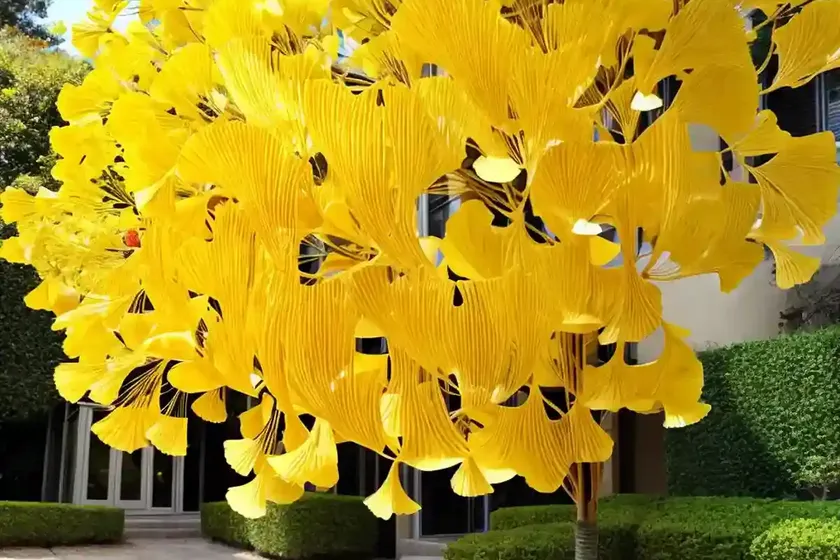
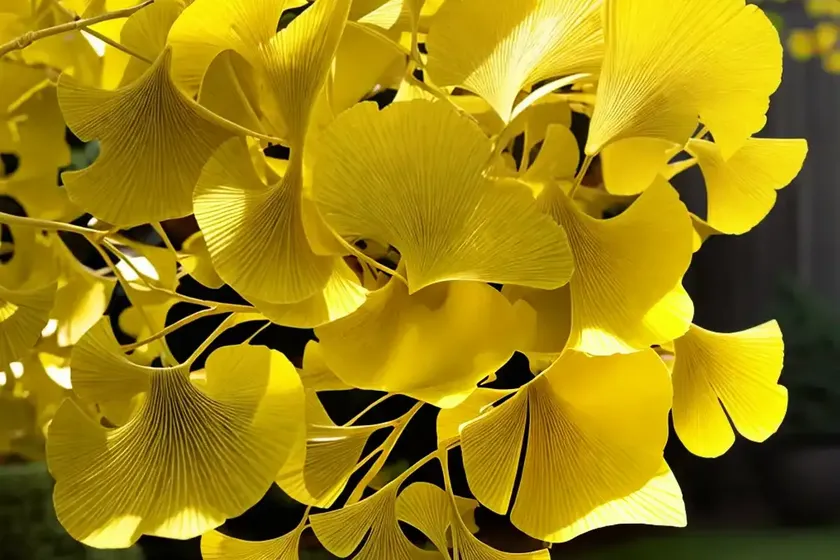
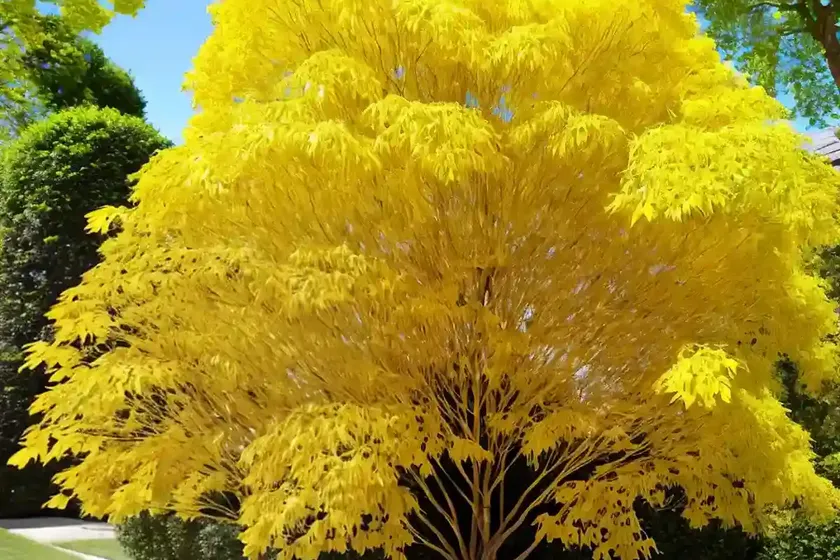
Ginkgo biloba ‘Autumn Gold,’ commonly known as the Maidenhair Tree, is a unique and fascinating plant that has been revered for its beauty and medicinal properties for centuries. This ancient tree species boasts striking fan-shaped leaves, remarkable adaptability, and a rich cultural history. In this comprehensive guide, we will delve into the various aspects of the Ginkgo biloba ‘Autumn Gold’, including its uses, care tips, characteristics, and much more. Whether you are a seasoned gardener, an aspiring botanist, or simply a nature enthusiast, this article aims to provide an in-depth understanding of this remarkable plant.
What is Ginkgo biloba ‘Autumn Gold’?
Ginkgo biloba ‘Autumn Gold’ is a deciduous tree that belongs to the family Ginkgoaceae. It is often referred to as a “living fossil,” as Ginkgo trees have remained virtually unchanged for over 200 million years. The species is known for its resilience, longevity, and distinctive appearance, making it a popular choice for ornamental and medicinal purposes.
Key Takeaways – Ginkgo biloba ‘Autumn Gold’
Before delving into the specifics of Ginkgo biloba ‘Autumn Gold’, let’s explore some key takeaways about this intriguing plant:
- Uses: Ginkgo biloba ‘Autumn Gold’ is used for medicinal and ornamental purposes.
- Benefits: It offers health benefits, adds aesthetic appeal to landscapes, and serves as an adaptive and low-maintenance tree.
- Care Tips: Proper watering, sunlight, and soil conditions are essential for its growth and health.
- Characteristics: It features fan-shaped leaves, beautiful foliage color changes in autumn, and a unique growth pattern.
- Facts: Ginkgo biloba ‘Autumn Gold’ is one of the oldest tree species on earth and has cultural significance in various traditions.
Now, let’s delve deeper into each of these aspects to gain a comprehensive understanding of Ginkgo biloba ‘Autumn Gold.’
Culture of Ginkgo biloba ‘Autumn Gold’
Understanding the cultural requirements of Ginkgo biloba ‘Autumn Gold’ is crucial for ensuring its optimal growth and overall well-being. This section will cover the essential cultural aspects, including water, sunlight, fertilizer, soil, pruning, and propagation.
Water
Ginkgo biloba ‘Autumn Gold’ is relatively tolerant of different moisture levels and can adapt to both dry and moderately moist soil conditions. However, it is essential to provide consistent watering during the tree’s establishment phase to promote healthy root development. Once established, Ginkgo trees are quite resilient and can withstand periods of drought. However, it’s crucial to monitor the soil moisture levels, especially during prolonged dry spells, and provide supplemental watering as needed.
Sunlight
As a deciduous tree, Ginkgo biloba ‘Autumn Gold’ thrives in full sun to partial shade. It is adaptable to a wide range of light conditions, making it suitable for diverse landscapes and climates. When planting Ginkgo trees, it is beneficial to choose a site that receives ample sunlight throughout the day, as this encourages robust growth and vibrant foliage coloration during the autumn months.
Fertilizer
Ginkgo biloba ‘Autumn Gold’ typically does not require excessive fertilization. However, applying a balanced, slow-release fertilizer in early spring can support healthy growth and foliage development. It is important to follow the recommended dosage and application guidelines provided by the fertilizer manufacturer to prevent over-fertilization, which can be detrimental to the tree’s health.
Soil
The Maidenhair Tree is adaptable to various soil types, including loamy, sandy, and clay soils, as long as they are well-draining. It is important to avoid waterlogged or compacted soils, as they can hinder root development and lead to issues such as root rot. Before planting Ginkgo biloba ‘Autumn Gold’, it is recommended to amend the soil with organic matter to improve its structure and fertility, thereby creating an ideal growing environment for the tree.
Pruning
Pruning requirements for Ginkgo biloba ‘Autumn Gold’ are minimal, primarily focusing on the removal of dead or damaged branches. As the tree matures, occasional shaping and thinning may be necessary to maintain a balanced and aesthetically pleasing structure. It is advisable to conduct pruning during the dormant season to minimize stress on the tree and promote efficient healing of the pruning wounds.
Propagation
Propagation of Ginkgo biloba ‘Autumn Gold’ can be achieved through seeds or cuttings. However, it’s important to note that Ginkgo seeds have a fleshy outer coating that can cause skin irritation, and proper precautions should be taken when handling them. Seeds can be collected from mature Ginkgo trees in the autumn and stratified before sowing. Cuttings can be taken in the early summer and rooted under controlled conditions to establish new plants.
Container Popularity of Ginkgo biloba ‘Autumn Gold’
Ginkgo biloba ‘Autumn Gold’ is also highly adaptable to container cultivation, making it a popular choice for urban gardens, patios, and small outdoor spaces. Its compact growth habit and aesthetic appeal in both foliage and form contribute to its widespread popularity as a container plant.
Container Common Diseases
Despite being relatively low-maintenance, Ginkgo biloba ‘Autumn Gold’ can be susceptible to certain diseases, especially when grown in containers. Common diseases that may affect container-grown Ginkgo trees include:
- Leaf Spot: This fungal disease can cause circular brown spots on the leaves, leading to defoliation if left untreated.
- Powdery Mildew: A common fungal infection that manifests as a powdery white coating on the leaves, inhibiting photosynthesis and weakening the tree.
Disease Diagnosis
Regular inspection of the foliage and overall health of the tree is crucial for early disease diagnosis. If symptoms of disease are observed, it is important to promptly identify the issue and take appropriate measures to prevent its spread.
Common Pests Affecting Ginkgo biloba ‘Autumn Gold’
Ginkgo biloba ‘Autumn Gold’ is relatively resistant to pests, but some insects may occasionally pose a threat to its well-being. Understanding the common pests affecting Ginkgo trees is essential for implementing effective pest management strategies.
- Aphids: These tiny insects can cluster on the undersides of leaves and feed on the tree’s sap, leading to stunted growth and distorted foliage.
- Scale Insects: Scale insects can attach themselves to the bark and foliage of Ginkgo trees, sucking out plant juices and causing yellowing and wilting of the leaves.
Implementing cultural practices such as regular watering, proper fertilization, and maintaining overall tree health can contribute to pest resistance and reduce the likelihood of infestations.
Botanist’s Tips for Ginkgo biloba ‘Autumn Gold’
As a plant scientist, I offer the following tips for successfully cultivating and caring for Ginkgo biloba ‘Autumn Gold’:
- Optimal Growing Conditions: Choose a well-draining site with ample sunlight for planting Ginkgo biloba ‘Autumn Gold’ to promote healthy growth and foliage development.
- Regular Monitoring: Keep a vigilant eye on the tree for signs of disease, pest infestations, or nutrient deficiencies, addressing any issues promptly.
- Minimal Pruning: Practice minimal pruning, focusing on the removal of dead or damaged branches to maintain the tree’s natural form and structure.
Fun Facts about Ginkgo biloba ‘Autumn Gold’
Here are some intriguing and lesser-known facts about Ginkgo biloba ‘Autumn Gold’ that highlight its unique characteristics and cultural significance:
- Ginkgo trees are considered living fossils, with a history spanning millions of years.
- The leaves of Ginkgo biloba ‘Autumn Gold’ turn a vibrant golden-yellow color in the autumn, creating a stunning visual display.
- Ginkgo seeds are used in traditional Chinese cuisine and are believed to offer various health benefits.
Now that we’ve explored the essential aspects of Ginkgo biloba ‘Autumn Gold,’ let’s dive deeper into its uses, benefits, and the broader ecological and cultural significance of this remarkable tree.
Links to External Resources
For further information and insights into Ginkgo biloba ‘Autumn Gold’ (Maidenhair Tree), I recommend exploring the following resources:
- Royal Horticultural Society – Ginkgo biloba ‘Autumn Gold’
- Missouri Botanical Garden – Ginkgo biloba
- The Morton Arboretum – Maidenhair Tree
This comprehensive guide aims to provide a holistic understanding of Ginkgo biloba ‘Autumn Gold,’ encompassing its cultural significance, care requirements, and unique attributes. Whether you are fascinated by its ancient lineage, captivated by its seasonal foliage display, or seeking to cultivate this remarkable tree in your landscape, I hope this article has enriched your knowledge and appreciation of Ginkgo biloba ‘Autumn Gold.’


