Giant Chickweed (Myosoton Aquaticum)
Plants are not just living things confined to the periphery of our lives; they are essential components of our ecosystem and contribute significantly to.
Plants are not just living things confined to the periphery of our lives; they are essential components of our ecosystem and contribute significantly to our well-being and the sustenance of life on Earth. From providing us with oxygen to serving as food, shelter, and medicine, plants play a vital role in maintaining ecological balance. In this blog post, we will delve into the fascinating world of the Giant Chickweed (Myosoton aquaticum), exploring its features, uses, cultivation, and much more.
What is the Giant Chickweed (Myosoton aquaticum)?
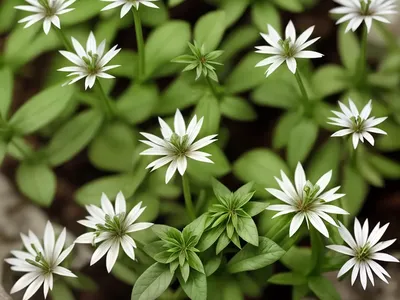
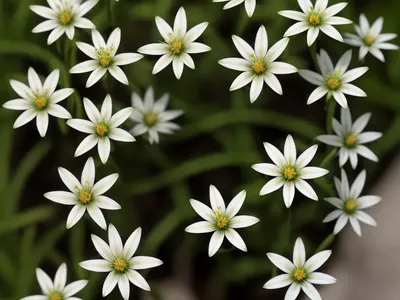
Giant Chickweed, scientifically known as Myosoton aquaticum, is a herbaceous plant belonging to the family Caryophyllaceae. This perennial species is native to Europe but has become naturalized in other parts of the world, including North America and Asia. It is commonly found in damp, shady places such as woodland edges, riverbanks, and wet meadows. Giant Chickweed is characterized by its delicate white flowers and lush green foliage, making it a visually appealing addition to gardens and natural landscapes.
Key Takeaways – Giant Chickweed (Myosoton aquaticum)
Before we delve deeper into the various aspects of Giant Chickweed, let’s take a moment to outline the key takeaways about this fascinating plant:
- Plant Name: Giant Chickweed (Myosoton aquaticum)
- Family: Caryophyllaceae
- Native to: Europe
- Commonly Found in: Damp, shady environments
- Features: Delicate white flowers, lush green foliage
- Uses: Medicinal, ornamental, ecological
Now that we have an overview of Giant Chickweed, let’s explore its characteristics, culture, uses, and more in detail.
Giant Chickweed Features
Giant Chickweed, also known as aquatic chickweed, exhibits several distinctive features that make it a sought-after plant in various contexts. Understanding the characteristics of Myosoton aquaticum is essential for its successful cultivation and utilization.
Characteristics of Myosoton aquaticum
-
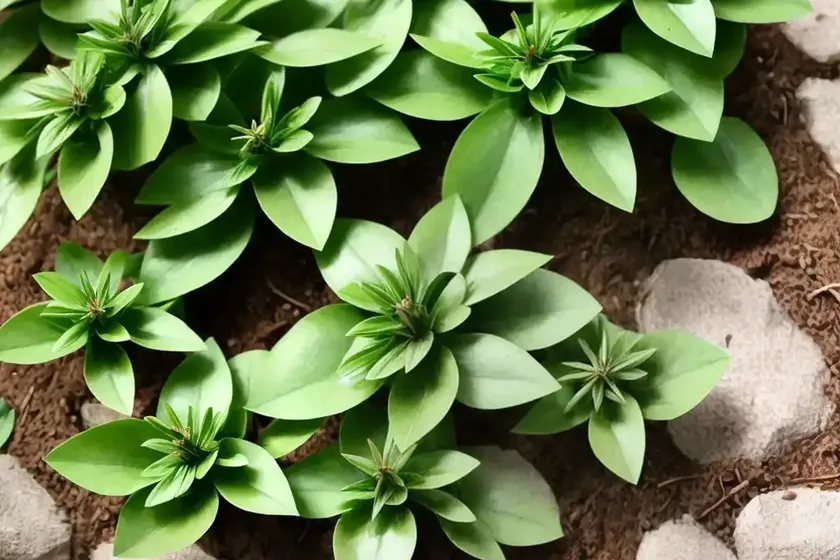
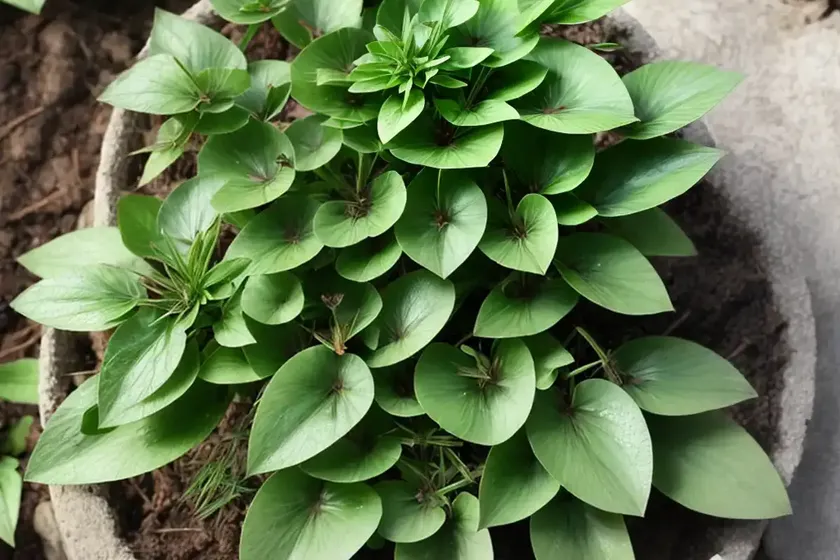
Foliage: The foliage of Giant Chickweed is characterized by oval to lance-shaped leaves with a smooth texture. The leaves are arranged oppositely along the stems and are vibrant green in color.
-
Flowers: The flowers of Myosoton aquaticum are small and delicate, with five white petals arranged in a star-shaped pattern. These flowers bloom in clusters, adding an ethereal charm to the plant.
-
Size: As the name suggests, Giant Chickweed can reach a substantial size, with a mature plant often reaching heights of 30-50 centimeters.
-
Habitat: It thrives in moist, shaded environments and has the ability to spread and form dense mats, making it an excellent ground cover in suitable locations.
Giant Chickweed Uses
The uses of Myosoton aquaticum are varied and encompass medicinal, ornamental, and ecological applications. Understanding the diverse uses of this plant underscores its value and significance in different spheres.
Medicinal Uses of Giant Chickweed
Giant Chickweed has a rich history of traditional medicinal use, with various parts of the plant being employed for their therapeutic properties. Some of the medicinal uses of Myosoton aquaticum include:
-
Wound Healing: The aerial parts of the plant have been used in traditional medicine for their purported wound-healing properties. Poultices and ointments made from Giant Chickweed have been applied to minor cuts, burns, and skin irritations.
-
Anti-inflammatory Effects: The plant is believed to possess anti-inflammatory properties, and preparations derived from Giant Chickweed have been used topically to alleviate inflammation and discomfort.
-
Oral Health: In some folk medicine traditions, Giant Chickweed has been used to promote oral health, with infusions or mouthwashes made from the plant being utilized for their potential antimicrobial effects.
Ornamental Uses of Myosoton aquaticum
In addition to its medicinal value, Giant Chickweed is also esteemed for its ornamental appeal. Its delicate flowers and lush foliage make it a charming addition to gardens, landscapes, and naturalistic plantings. Whether used as a ground cover or interspersed among other plants, Myosoton aquaticum adds a touch of elegance to any setting.
Ecological Uses of Giant Chickweed
From an ecological perspective, Giant Chickweed serves several important functions, contributing to the well-being of the environment. Its capacity to form dense mats helps in erosion control, stabilizing soil in areas prone to erosion. Furthermore, its foliage provides habitat and cover for small creatures, promoting biodiversity within ecosystems.
Growing Giant Chickweed
To effectively cultivate Giant Chickweed and harness its benefits, it is crucial to understand its specific cultural requirements. From water and sunlight needs to soil preferences, providing the right growing conditions is essential for the successful development of Myosoton aquaticum.
Water
Giant Chickweed thrives in moist environments and exhibits optimal growth when provided with consistent moisture. Adequate watering is essential, particularly during dry spells, to ensure that the soil remains evenly moist. However, it is important to avoid waterlogged conditions, as excessive moisture can lead to issues such as root rot.
Sunlight
When it comes to sunlight, Giant Chickweed prefers partial to full shade, making it well-suited for shaded gardens and woodland areas. While the plant can tolerate some dappled sunlight, it generally thrives in shaded conditions, where it can display its characteristic vigor and lush foliage.
Fertilizer
In terms of fertilizer requirements, Giant Chickweed typically does not necessitate heavy feeding. A balanced, organic fertilizer applied in spring can provide the plant with the nutrients it needs for healthy growth. It is important to avoid excessive fertilization, as this can lead to overly lush foliage at the expense of flower production.
Soil
Myosoton aquaticum thrives in well-draining, humus-rich soil with a slightly acidic to neutral pH. The ideal soil composition for Giant Chickweed is one that retains moisture without becoming waterlogged. Amending the soil with organic matter such as compost can improve its texture and fertility, providing an optimal growing medium for the plant.
Caring for Myosoton aquaticum
In addition to meeting its basic cultural needs, caring for Giant Chickweed involves specific practices that contribute to its overall health and vitality. From pruning to propagation, paying attention to the plant’s maintenance requirements is essential for its long-term well-being.
Pruning
Giant Chickweed generally does not require extensive pruning, particularly if it is growing in a naturalistic setting where it can spread and form colonies. However, selective pruning can help manage the plant’s growth and shape, particularly in garden settings. Removing spent flowers can prolong the blooming period and promote a tidy appearance.
Propagation of Giant Chickweed
Propagating Myosoton aquaticum can be achieved through several methods, including division, stem cuttings, and seed propagation. Each method has its own advantages and considerations, allowing for flexibility in expanding the presence of Giant Chickweed in various settings.
-
Division: Divide mature clumps of Giant Chickweed in early spring to create new plants. Ensure that each division has several healthy shoots and an adequate root system before transplanting.
-
Stem Cuttings: Take stem cuttings from established plants and root them in moist, well-draining soil to propagate new individuals. This method allows for the rapid propagation of Giant Chickweed using actively growing plant material.
-
Seed Propagation: Giant Chickweed produces small seeds that can be sown in prepared seed beds in late spring or early autumn. Keep the soil consistently moist to facilitate seed germination, and transplant the seedlings once they have developed adequate root systems.
Container Popularity
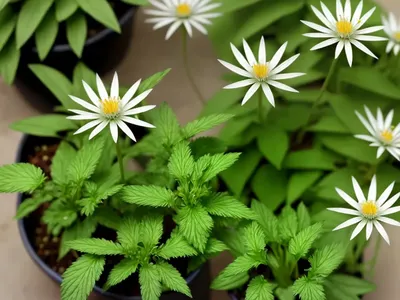
In addition to being grown in garden beds and naturalistic settings, Giant Chickweed is well-suited for container cultivation. Its ability to thrive in shaded conditions makes it an excellent candidate for container gardens in areas with limited sunlight. Whether grown in individual containers or incorporated into mixed plantings, Myosoton aquaticum can bring a touch of elegance to shaded patios, balconies, and other outdoor spaces.
Common Diseases of Myosoton aquaticum
While Giant Chickweed is generally resilient, it may be susceptible to certain diseases and issues that can affect its health and appearance. Being aware of these common diseases and their symptoms is crucial for prompt intervention and effective management.
Disease Diagnosis
-
Powdery Mildew: A fungal disease characterized by white, powdery patches on the foliage, powdery mildew can affect Giant Chickweed, particularly in humid conditions. Good air circulation and proper spacing of plants can help prevent this issue.
-
Root Rot: Excessive moisture and poorly drained soil can lead to root rot, causing the plant’s roots to decay. Symptoms include wilting, yellowing foliage, and stunted growth. Improving soil drainage and avoiding overwatering can mitigate the risk of root rot.
-
Leaf Spot: Leaf spot diseases can manifest as dark, water-soaked lesions on the foliage, potentially leading to leaf discoloration and defoliation. Pruning affected foliage and promoting good air circulation can help manage leaf spot issues.
Common Pests
In addition to diseases, Giant Chickweed may also be susceptible to certain pests that can impact its growth and vitality. Some common pests that may affect Myosoton aquaticum include:
-
Aphids: These small, sap-sucking insects can congregate on the underside of leaves, causing distortion and decline in plant health. Insecticidal soap or horticultural oils can be used to manage aphid infestations.
-
Slugs and Snails: These mollusks can feed on the foliage of Giant Chickweed, causing unsightly damage. Manual removal, barriers, and natural predators can be employed to control slug and snail populations.
-
Spider Mites: These tiny arachnids can infest the foliage of Giant Chickweed, causing stippling and webbing. Miticides and improving environmental conditions can help mitigate spider mite infestations.
Botanist’s Tips
Understanding the preferences and nuances of Myosoton aquaticum can greatly enhance its cultivation and utilization. Here are some valuable tips from a botanist’s perspective to help you make the most of Giant Chickweed in various contexts:
-
Shade Management: Given its preference for shaded environments, consider incorporating Giant Chickweed into areas with partial to full shade, such as woodland gardens, under trees, or along shaded pathways.
-
Moisture Monitoring: Regularly monitor soil moisture levels to ensure that Giant Chickweed receives adequate hydration without becoming waterlogged. Mulching can help conserve soil moisture and regulate temperature.
-
Companion Planting: Pair Giant Chickweed with companion plants that share similar cultural requirements, such as hostas, ferns, and bleeding hearts. This approach can create visually appealing and ecologically harmonious plantings.
-
Wildlife Attraction: Given its ecological value, consider integrating Giant Chickweed into wildlife-friendly landscapes to provide habitat and forage for small animals, insects, and birds.
Fun Facts about Giant Chickweed
To further appreciate the unique qualities of Myosoton aquaticum, here are some intriguing and fun facts about Giant Chickweed:
-
While Giant Chickweed is commonly found in its native European habitats, it has also been naturalized in other regions, where it contributes to local ecosystems.
-
The delicate flowers of Giant Chickweed attract pollinators such as bees and butterflies, contributing to the ecological value of the plant.
-
In some cultures, Giant Chickweed has been used in traditional medicine for its purported healing properties, adding to its rich ethnobotanical heritage.
Links to External Resources
For those interested in further exploring the world of Giant Chickweed, here are some curated links to external resources:
- Royal Horticultural Society – Myosoton aquaticum
- USDA Plants Database – Myosoton aquaticum
- Plant Conservation Alliance – Giant Chickweed
Conclusion
Giant Chickweed (Myosoton aquaticum) stands as a testament to the diversity and adaptability of plant life, offering an array of uses and ecological benefits. From its lush foliage and delicate flowers to its cultural and ecological significance, this captivating plant has much to offer to gardening enthusiasts, conservationists, and herbalists alike. By understanding and embracing the unique features of Myosoton aquaticum, we can foster a deeper appreciation for this understated gem of the plant kingdom.
In this comprehensive exploration, we have delved into the nuances of Giant Chickweed, shedding light on its cultural requirements, uses, and intriguing characteristics. As we continue to celebrate the myriad wonders of the natural world, Giant Chickweed stands as a shining example of the beauty and resilience that plants embody, enriching our lives in ways both remarkable and profound.