Giant Bamburanta (Ctenanthe Oppenheimiana)
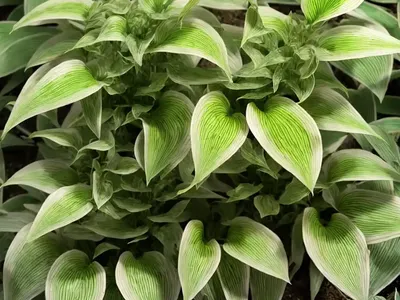
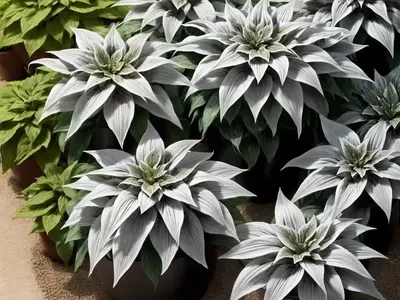
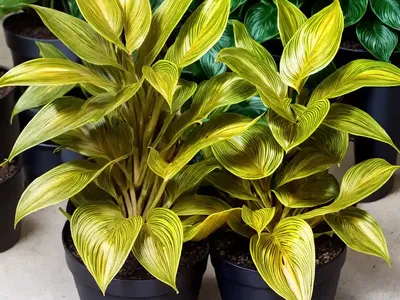
Giant Bamburanta, scientifically known as Ctenanthe oppenheimiana, is a strikingly beautiful plant adored for its unique foliage and easy-to-care-for.
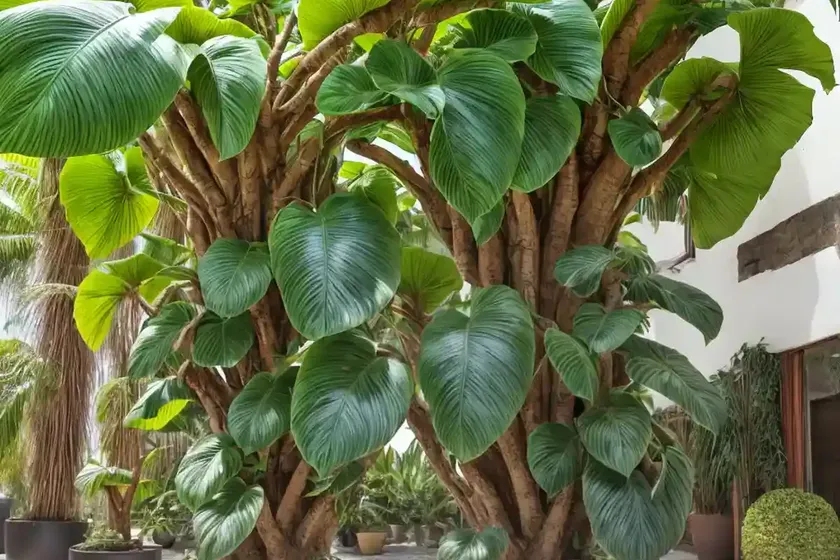
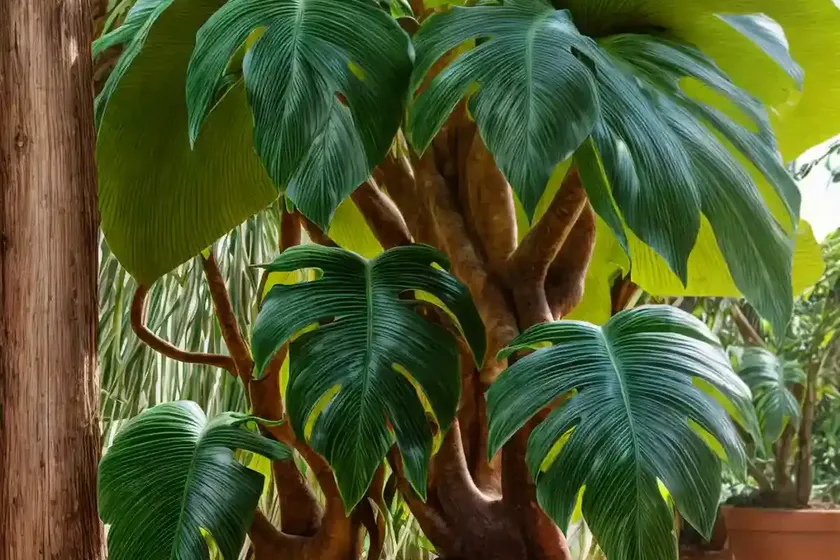
Giant Bamburanta, scientifically known as Ctenanthe oppenheimiana, is a strikingly beautiful plant adored for its unique foliage and easy-to-care-for nature. Hailing from the Marantaceae family, this plant is native to Brazil and is often referred to as the “Never-Never Plant” due to its ability to open and close its leaves daily. With its intricate patterns, vibrant colors, and air-purifying capabilities, Giant Bamburanta has become a popular choice for indoor and outdoor plant enthusiasts alike.
In this comprehensive care guide, we will explore everything you need to know about the Giant Bamburanta plant, from its ideal growing conditions to maintenance tips, common diseases, propagation methods, and much more. Whether you’re a seasoned plant enthusiast or a beginner looking to elevate your green thumb skills, this guide will equip you with the knowledge to nurture your Giant Bamburanta to its fullest potential.
What is Giant Bamburanta (Ctenanthe Oppenheimiana)?
Giant Bamburanta, or Ctenanthe Oppenheimiana, is a perennial plant known for its large, variegated leaves and unique leaf movement. Belonging to the Marantaceae family, this species is native to the tropical rainforests of Brazil, where it thrives in the dappled light and humid conditions of its natural habitat. The plant’s botanical name, Ctenanthe Oppenheimiana, pays homage to its distinct botanical characteristics and the renowned German botanist, Karl Heinrich Gustav Oppenheim, who made significant contributions to the study of plant taxonomy.
Key Takeaways – Giant Bamburanta (Ctenanthe Oppenheimiana)
Before delving into the specifics of caring for the Giant Bamburanta plant, let’s highlight some key takeaways that capture the essence of this remarkable species:
- Common Name: Giant Bamburanta
- Scientific Name: Ctenanthe Oppenheimiana
- Native Region: Brazil
- Family: Marantaceae
- Characteristics: Variegated foliage, leaf movement, air-purifying
- Ideal Growing Conditions: Moderate to bright indirect light, high humidity, well-draining soil
- Uses: Indoor ornamental plant, air-purifier, landscaping accent
- Maintenance: Low to moderate
- Popularity: Increasing as a decorative houseplant and office greenery
- Special Features: Foliage patterns, leaf movement, non-toxic to pets
- Challenges: Susceptible to certain pests and diseases under unfavorable conditions
Now that we have a general overview of Giant Bamburanta, let’s dive into the specifics of caring for this captivating species, covering its culture, uses, water requirements, sunlight preferences, fertilizer needs, soil requirements, pruning techniques, propagation methods, common diseases, pest management, and more.
Culture
Understanding the cultural preferences of Giant Bamburanta is crucial for creating an environment in which it can thrive. This encompasses factors such as indoor versus outdoor settings, ideal temperature and humidity levels, and the necessary care routines to promote healthy growth.
Uses
As an ornamental plant, Giant Bamburanta finds its place in indoor and outdoor settings, adding a touch of vibrant foliage to any space. Due to its air-purifying qualities, it is often favored for interior décor, bringing a breath of fresh air to homes and offices. Furthermore, its unique leaf movement makes it a captivating addition to any plant collection, offering visual interest and an ever-changing display.
Water
Striking the right balance in watering Giant Bamburanta is essential for maintaining its health and ensuring optimal growth. It is important to consider the plant’s native habitat and its habitual moisture levels when determining the appropriate watering routine.
-
Watering Routine: Giant Bamburanta thrives in consistently moist, but not waterlogged, soil. Aim to water the plant when the top inch of the soil feels dry to the touch. During the growing season, typically spring and summer, frequent watering may be necessary, while in the dormant period, from fall to winter, it is advisable to reduce the frequency of watering.
-
Water Quality: Ensure that the water used for irrigating Giant Bamburanta is at room temperature and free from chlorine or other harmful chemicals. Using filtered water or allowing tap water to sit for 24 hours before application can help remove any potential harmful components.
-
Watering Technique: Rather than drenching the soil, opt for a steady and gentle watering approach. This allows the water to permeate the root system without creating waterlogged conditions.
Sunlight
Providing the appropriate amount of light is crucial for the well-being of Giant Bamburanta. While it thrives in bright conditions, direct sunlight should be moderated to prevent potential leaf damage.
-
Light Requirements: Giant Bamburanta prefers bright, indirect light. Placing it near a window where it can receive ample natural light without being exposed to direct sunrays is ideal. In spaces with limited natural light, supplementing with artificial grow lights can help meet the plant’s light needs.
-
Sunlight Duration: Aim for 6-8 hours of indirect sunlight daily to maintain the plant’s vibrant foliage and promote healthy growth. However, it is essential to protect the plant from prolonged exposure to direct sunlight, particularly during the peak intensity hours.
Fertilizer
Supplementing Giant Bamburanta with the right nutrients can enhance its overall vigor and contribute to robust foliage growth.
-
Fertilizing Schedule: During the active growing season, which typically spans from spring to summer, feed Giant Bamburanta with a balanced, water-soluble fertilizer every 4-6 weeks. Reduce the frequency or discontinue fertilization during the dormant period in fall and winter.
-
Fertilizer Type: Opt for a well-balanced, diluted houseplant fertilizer with an N-P-K ratio of 10-10-10 or similar. This formulation provides the essential macronutrients nitrogen, phosphorus, and potassium, along with micronutrients necessary for healthy growth.
-
Application Method: When applying fertilizer, dilute it to half the recommended strength to avoid overfeeding the plant and causing fertilizer burn. Ensure that the soil is moist before applying the fertilizer solution to prevent potential root damage.
Soil
Selecting the right type of soil for Giant Bamburanta is fundamental in providing the necessary support and proper drainage for its root system.
-
Soil Type: Giant Bamburanta thrives in well-draining, fertile potting mix with a slightly acidic to neutral pH ranging from 6.0 to 7.0. Seek out high-quality commercial potting mixes designed for tropical plants or create a custom blend using components such as peat moss, perlite, and pine bark.
-
Potting Medium: When repotting or initially planting Giant Bamburanta, opt for a container with adequate drainage holes to prevent waterlogging. Additionally, consider using a pot with slightly larger dimensions to accommodate the plant’s root system and allow for unrestricted growth.
Pruning
While Giant Bamburanta is relatively low-maintenance when it comes to pruning, occasional grooming can help keep the plant looking tidy and further promote its health.
-
Pruning Goals: The primary objectives of pruning Giant Bamburanta are the removal of yellowing or damaged leaves, the encouragement of new growth, and the control of its overall shape and size.
-
Pruning Technique: Use clean, sharp scissors or pruning shears to trim away any unsightly or diseased foliage. When performing pruning, ensure that the tools are sanitized to prevent the spread of pathogens. Additionally, carefully monitor the plant’s growth patterns to identify any necessary adjustments in its maintenance.
Propagation
Propagating Giant Bamburanta opens up the opportunity to expand your plant collection or share its beauty with friends and fellow enthusiasts.
-
Propagation Methods: Giant Bamburanta can be propagated through division or stem cuttings. Both methods are effective in producing new plants that retain the favorable characteristics of the parent plant.
-
Division: When the plant has outgrown its current container, carefully remove it from the pot and divide the root ball into sections, ensuring that each section contains healthy roots and foliage. Replant the divided sections in separate containers and provide the appropriate care to support their establishment.
-
Stem Cuttings: Select a healthy stem with several leaves and make a clean cut just below a node using sterile cutting tools. Place the cutting in a prepared propagation medium and provide the necessary warmth and moisture to encourage root development. Once roots have formed, transplant the cutting into a suitable container, and continue its care as you would for a mature Giant Bamburanta.
Container Popularity
Giant Bamburanta’s growing popularity as a container plant stems from its adaptability to indoor environments and the visual appeal it brings to interior spaces.
-
Indoor Elegance: Its vibrant foliage and unique leaf movement make Giant Bamburanta a favorite choice for showcasing indoors, whether in homes, offices, or public spaces. Its relatively compact size and low maintenance needs further contribute to its popularity as a container plant.
-
Outdoor Accents: In addition to its indoor appeal, Giant Bamburanta can also be used in outdoor container gardening, particularly in shaded or partially shaded areas. Placing it on patios, decks, or balconies adds a touch of tropical beauty to outdoor settings.
Common Diseases
Despite its resilience, Giant Bamburanta is susceptible to certain diseases, particularly under unfavorable growing conditions. Understanding and promptly addressing these issues is essential for safeguarding the plant’s health.
-
Leaf Spot: Fungal infections can lead to the development of leaf spots on Giant Bamburanta. These appear as dark, water-soaked lesions on the foliage and may spread if left unattended.
-
Root Rot: Overly moist or waterlogged soil can predispose the plant to root rot, a condition caused by fungal pathogens. The symptoms include wilting, yellowing foliage, and a foul smell emanating from the soil.
-
Pest Infestations: While not a disease per se, pest infestations, particularly by spider mites and aphids, can significantly impact Giant Bamburanta’s health. These pests feed on the plant’s sap and can cause wilting, yellowing leaves, and overall decline in vigor.
Disease Diagnosis
Diagnosing and addressing diseases in Giant Bamburanta involves close observation of the plant’s symptoms and prompt intervention to prevent further spread.
-
Symptom Recognition: Regularly inspect the plant for any signs of abnormal leaf spots, wilting, or discoloration. While some leaf spots may be innocuous, particularly those caused by water droplets or minor physical damage, consistent or expanding lesions may indicate a fungal infection.
-
Soil Examination: If the plant shows signs of wilting, despite appropriate watering practices, carefully inspect the soil for excessive moisture and any foul odor, which are indicative of root rot. Gently remove the plant from its pot to examine the root system for signs of decay.
-
Pest Detection: Look for the presence of tiny webs, stippling on the foliage, or clusters of small insects, which may indicate spider mite or aphid infestations. Addressing the pests promptly can prevent their proliferation and minimize damage to the plant.
Common Pests
Giant Bamburanta can fall victim to pest infestations, especially when grown in suboptimal conditions or alongside other susceptible plants.
-
Spider Mites: These minuscule arachnids tend to thrive in warm, dry conditions and can cause extensive damage to the plant by puncturing its cells and feeding on the sap. Identifying their presence and promptly mitigating their impact is crucial for the plant’s well-being.
-
Aphids: Soft-bodied insects, aphids feed on the plant’s sap and reproduce rapidly, leading to the formation of dense colonies. Their presence can cause leaf curling, yellowing, and a general decline in the health of Giant Bamburanta.
Botanist’s Tips
Drawing from botanical insights and practical experience, here are some tips for successfully caring for Giant Bamburanta:
-
Humidity Management: Given its tropical origins, Giant Bamburanta thrives in high humidity environments. To create the ideal conditions, consider using a humidifier, grouping plants together, or placing a shallow tray filled with water and pebbles near the plant to increase local humidity.
-
Leaf Cleaning: Dust and debris can accumulate on the plant’s foliage, hindering its ability to photosynthesize effectively. Regularly wipe the leaves with a damp cloth or mist them to maintain their cleanliness and ensure optimal light absorption.
-
Non-Toxicity: Giant Bamburanta is safe for pets and humans, making it an excellent choice for households with furry friends or young children. However, while non-toxic, ingestion of plant material should still be avoided to prevent any potential discomfort.
Fun Facts
Delving into the intriguing attributes of Giant Bamburanta reveals several captivating and insightful tidbits:
-
Leaf Movement: The leaves of Giant Bamburanta display a unique daily movement, opening in the morning and closing in the evening. This behavior, known as nyctinasty, is a natural response to environmental cues and an adaptation for maximizing light exposure and minimizing water loss.
-
Air-Purifying Qualities: In addition to its aesthetic appeal, Giant Bamburanta contributes to indoor air quality by removing toxins such as formaldehyde and benzene. This makes it an excellent choice for enhancing the environmental well-being of interior spaces.
Links to External Resources
Expanding your knowledge and understanding of Giant Bamburanta can be enriched through the exploration of external sources. Here are some reputable resources to further immerse yourself in the world of this fascinating plant:
-
The Royal Horticultural Society (RHS) – The official website of the RHS provides in-depth plant profiles, care guides, and expert advice on horticultural topics, including Giant Bamburanta.
-
Missouri Botanical Garden – The Missouri Botanical Garden’s online platform encompasses an extensive plant database, educational materials, and valuable insights into the natural world.
-
Houseplant Central – A comprehensive hub for houseplant enthusiasts, Houseplant Central offers articles, care tips, and insightful resources dedicated to a wide array of indoor plants, including Giant Bamburanta.
By arming yourself with the knowledge and guidance provided in this comprehensive care guide, you are well-equipped to nurture and appreciate the splendor of Giant Bamburanta. Embrace the unique characteristics and natural wonders of this captivating plant, and revel in the joy it brings to your indoor and outdoor spaces. With the right care and attention, Giant Bamburanta will flourish, gracing your surroundings with its vibrant foliage and enchanting leaf movement.