Geranium X Oxonianum ‘Wargrave Pink’ (Cranesbill)
Welcome to the comprehensive guide to Geranium x oxonianum ‘Wargrave Pink’, commonly known as Cranesbill. This elegant and versatile perennial plant is a.
Introduction
Welcome to the comprehensive guide to Geranium x oxonianum ‘Wargrave Pink’, commonly known as Cranesbill. This elegant and versatile perennial plant is a favorite among gardeners for its charming pink flowers and low-maintenance nature. Throughout this guide, we will explore the characteristics, cultivation, and care tips for this beautiful plant. Whether you are a seasoned gardener or just starting, this guide will equip you with the knowledge and insights to cultivate and care for the Geranium x oxonianum ‘Wargrave Pink’ successfully.
What is Geranium x oxonianum ‘Wargrave Pink’?
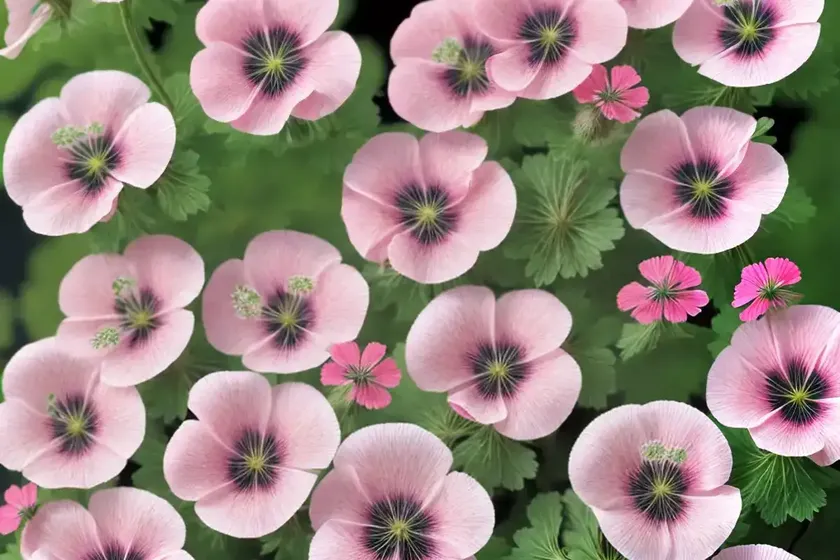
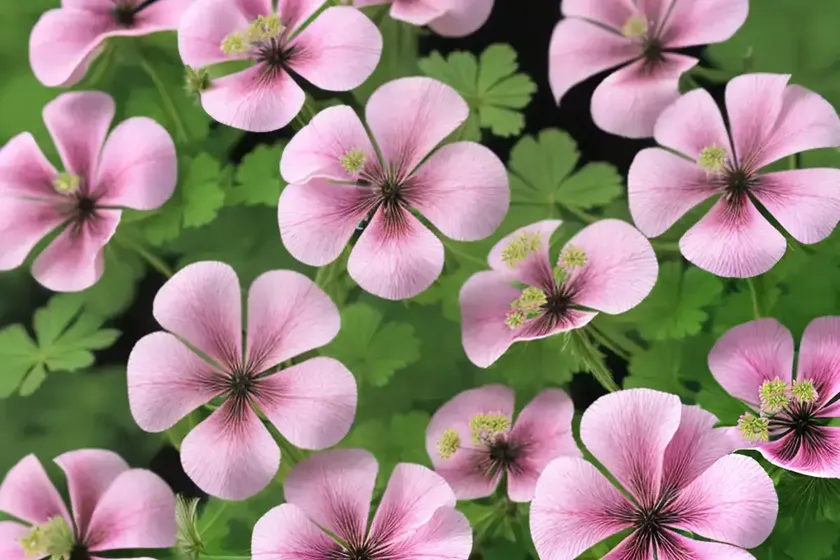
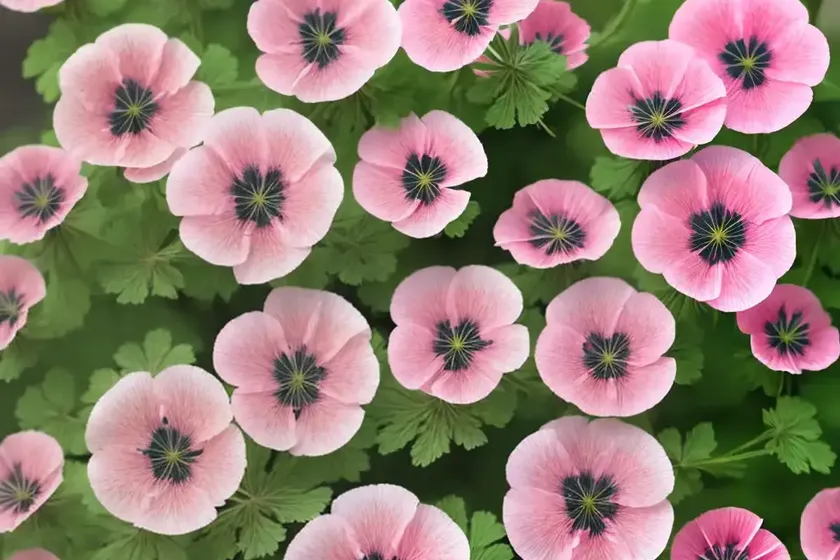
Geranium x oxonianum ‘Wargrave Pink’, also known as Cranesbill, is a perennial flowering plant that belongs to the Geraniaceae family. This hybrid plant is a result of crossing Geranium endressii with Geranium versicolor. It is characterized by its delicate, five-petaled pink flowers, deeply lobed leaves, and its ability to thrive in various growing conditions. ‘Wargrave Pink’ is revered for its extended blooming period and its adaptability to different soil types and sunlight conditions.
Key Takeaways – Geranium x oxonianum ‘Wargrave Pink’
To begin our exploration of Geranium x oxonianum ‘Wargrave Pink’, let’s take a closer look at some key takeaways about this delightful Cranesbill plant.
- Botanical Name: Geranium x oxonianum ‘Wargrave Pink’
- Common Name: Cranesbill
- Plant Type: Perennial
- Flower Color: Pink
- Foliage: Deciduous
- Blooming Season: Late Spring to Early Fall
- Height: 12-18 inches
- Spread: 18-24 inches
- Sunlight: Full Sun to Partial Shade
- Watering: Moderate
- Soil pH: Neutral to slightly acidic
- USDA Hardiness Zones: 4-8
- Uses: Borders, groundcover, containers, cottage gardens, rock gardens
With these key takeaways in mind, let’s delve into the detailed guide for growing and maintaining Geranium x oxonianum ‘Wargrave Pink’.
Culture
The culture of Geranium x oxonianum ‘Wargrave Pink’ encompasses its ideal growing conditions, preferred uses in landscaping, and its adaptability to different settings.
Uses
Cranesbill is a versatile plant that offers several uses in landscaping and garden design. Some common uses include:
-
Borders: The low-growing and prolific blooming nature of ‘Wargrave Pink’ makes it an excellent choice for edging borders and pathways. Its delicate pink flowers create a charming border when planted in groups.
-
Groundcover: Due to its spreading habit, ‘Wargrave Pink’ is well-suited for use as a groundcover. It effectively suppresses weed growth and fills in empty spaces with its lush foliage and flowers.
-
Containers: This Cranesbill variety thrives in containers, adding a touch of elegance to patios, balconies, and outdoor seating areas. When planted in containers, it can be easily moved to different locations, allowing for versatile garden designs.
-
Cottage Gardens: Its old-fashioned allure and long blooming period make it an ideal addition to cottage-style gardens, where it can mingle with other perennials and provide a soft, romantic appeal.
-
Rock Gardens: In rock gardens or alpine settings, ‘Wargrave Pink’ adds a splash of color and texture, complementing the surrounding rocks and low-growing alpine plants.
Water
Geranium x oxonianum ‘Wargrave Pink’ exhibits moderate water needs. While it is relatively drought-tolerant once established, consistent moisture is essential, especially during the growing season and periods of prolonged heat or dry spells. As a general guideline, aim to water the plant when the top inch of the soil feels dry to the touch. Avoid overwatering, as excessive moisture can lead to root rot and other moisture-related issues.
Sunlight
This Cranesbill plant thrives in a variety of light conditions, from full sun to partial shade. When grown in full sun, it tends to produce more flowers and maintain a compact growth habit. In regions with hot summers, providing some afternoon shade can help protect the plant from intense heat and prevent the soil from drying out too quickly. In areas with limited sunlight, such as under deciduous trees, ‘Wargrave Pink’ can still flourish, although flowering may be slightly reduced.
Fertilizer
Geranium x oxonianum ‘Wargrave Pink’ generally does not have high fertilizer requirements. However, applying a balanced, slow-release fertilizer in the early spring can promote healthy growth and abundant flowering. A granular, general-purpose fertilizer with an N-P-K ratio of 10-10-10 or similar can be lightly incorporated into the soil around the base of the plant. Be sure to follow the manufacturer’s instructions regarding application rates, and avoid over-fertilizing, as this can lead to excessive foliage growth at the expense of flowers.
Soil
One of the remarkable attributes of ‘Wargrave Pink’ is its adaptability to different soil types. It thrives in well-draining soils with a neutral to slightly acidic pH. Rich, loamy soils are ideal, but Cranesbill can also tolerate sandy or clayey soils as long as they provide adequate drainage. Before planting, amending the soil with organic matter such as compost or well-rotted manure can enhance its moisture retention and nutrient content, promoting robust growth and prolific blooming.
Pruning
Pruning is an essential aspect of maintaining the health and aesthetics of Geranium x oxonianum ‘Wargrave Pink’. Regular deadheading of spent flowers not only prolongs the blooming period but also encourages the plant to produce new blooms. Additionally, removing old or damaged foliage can improve air circulation and reduce the risk of disease. In late fall or early spring, cutting the plant back to remove any remaining dead growth can rejuvenate it for the upcoming growing season. For established plants, periodic division every 3-4 years can help rejuvenate overcrowded clumps and promote vigorous growth.
Propagation
Propagating Geranium x oxonianum ‘Wargrave Pink’ can be achieved through several methods, including division, stem cuttings, and seed propagation.
Division
Dividing mature clumps of ‘Wargrave Pink’ is a simple and effective way to propagate the plant. This is best done in early spring or late summer, when the plant is actively growing. To divide the plant:
- Dig up the entire clump, carefully preserving the root system.
- Use a sharp knife or garden spade to divide the clump into smaller sections, each containing healthy roots and sufficient foliage.
- Replant the divisions in prepared soil, ensuring they are at the same depth as they were originally growing.
- Water the newly planted divisions thoroughly and monitor their growth to ensure successful establishment.
Stem Cuttings
Taking stem cuttings from healthy, non-flowering shoots is another viable method for propagating ‘Wargrave Pink’. Follow these steps to propagate Cranesbill from stem cuttings:
- Select a healthy, non-flowering stem and use a sharp, clean knife or scissors to cut a 3-4 inch section.
- Remove the lower leaves, leaving only a few leaves at the top of the cutting.
- Dip the cut end in a rooting hormone to encourage root development.
- Plant the cutting in a well-draining potting mix and place it in a warm, bright location with indirect sunlight.
- Keep the soil consistently moist but not waterlogged, and monitor the cutting for signs of new growth, indicating successful root development.
Seed Propagation
While ‘Wargrave Pink’ can be propagated from seeds, this method is less commonly used due to the relatively slow growth of seed-grown plants. To propagate Cranesbill from seeds:
- Collect ripe seed pods from the plant in late summer or early fall.
- Sow the seeds in trays or pots filled with a moist, well-draining seed starting mix, covering them lightly with a thin layer of soil.
- Place the trays in a warm, bright location with indirect sunlight and maintain consistent moisture levels.
- Seedlings will emerge over several weeks, at which point they can be carefully transplanted into individual pots or directly into the garden.
Container Popularity
The popularity of Geranium x oxonianum ‘Wargrave Pink’ in container gardening stems from its compact growth habit, prolonged blooming period, and adaptability to container conditions. When grown in containers, ‘Wargrave Pink’ adds a touch of elegance to outdoor spaces and can be easily incorporated into various design schemes. Whether used as a standalone feature or combined with other flowering or foliage plants, Cranesbill thrives in containers placed on patios, balconies, and porches. Its ability to attract pollinators further enhances its appeal in container gardens, contributing to the overall biodiversity of urban and suburban landscapes.
Container Common Diseases
While container gardening offers numerous benefits, there are specific diseases and issues that can affect plants grown in containers, including Geranium x oxonianum ‘Wargrave Pink’.
Disease Diagnosis
Several common diseases and disorders that may affect ‘Wargrave Pink’ in containers include:
-
Root Rot: Excessive moisture in the container’s soil can lead to root rot, caused by fungal pathogens that thrive in waterlogged conditions. Symptoms include wilting, yellowing leaves, and a foul odor emanating from the root zone.
-
Powdery Mildew: This fungal disease manifests as a powdery, white coating on the leaves and stems of the plant. It thrives in warm, humid conditions and can weaken the plant if left unchecked.
-
Botrytis Blight: Also known as gray mold, botrytis blight can affect the flowers and foliage of ‘Wargrave Pink’, causing brown spots and a fuzzy gray mold to develop under moist conditions.
-
Pests: While not a disease, pests such as aphids, spider mites, and whiteflies can infest container-grown plants, leading to reduced vigor and damage to the foliage and flowers.
Disease Management
To mitigate the risk of diseases in container-grown ‘Wargrave Pink’, proactive measures can be taken to promote plant health and vigor. Consider the following steps:
- Use well-draining potting mix and containers with drainage holes to prevent waterlogging and reduce the risk of root rot.
- Ensure adequate air circulation around the plant by avoiding overcrowding and strategically placing containers in locations with good airflow.
- Monitor the plant regularly for signs of disease or pest infestations, promptly addressing any issues to prevent them from spreading.
- Avoid overhead watering, as wet foliage can create favorable conditions for powdery mildew and other moisture-related diseases. Instead, water the plant at the base to keep the foliage dry.
Common Pests
Geranium x oxonianum ‘Wargrave Pink’ is generally resistant to most pests, thanks to its natural resilience and moderate toxicity to insects. However, there are a few pests that can occasionally pose a threat to this Cranesbill variety.
Common Pests
The common pests that can affect ‘Wargrave Pink’ include:
-
Aphids: These small, soft-bodied insects feed on the sap of the plant, causing leaves to curl and distort, and leaving behind sticky honeydew.
-
Spider Mites: Spider mites are tiny arachnids that suck the sap from the leaves, leading to stippling, discoloration, and, in severe infestations, webbing on the foliage.
-
Slugs and Snails: These mollusks can feed on the foliage and flowers of ‘Wargrave Pink’, leading to ragged edges on the leaves and unsightly damage to the plant.
-
Whiteflies: Whiteflies are small, winged insects that congregate on the undersides of leaves, sucking sap and causing yellowing and wilting of the foliage.
Pest Control
Integrated pest management (IPM) strategies can effectively control pest populations while minimizing the use of synthetic pesticides. Consider the following methods for managing and preventing pest infestations:
-
Handpicking: In the case of slugs and snails, manually removing these pests from the vicinity of the plant can help reduce their numbers. Consider creating physical barriers, such as copper tape, around containers to deter these pests.
-
Horticultural Oils: Neem oil and other horticultural oils can be used to smother and suffocate pests such as aphids and spider mites. Dilute the oil according to the manufacturer’s instructions and apply it to the affected foliage.
-
Beneficial Insects: Encouraging the presence of natural predators, such as ladybugs and lacewings, can help control aphid and whitefly populations. These beneficial insects can be introduced to the garden or container environment to establish a natural balance.
-
Cultural Practices: Maintaining overall plant health through proper watering, adequate nutrition, and good growing conditions can enhance the plant’s natural resistance to pests and reduce its susceptibility to infestations.
Botanist’s Tips
To optimize the cultivation and care of Geranium x oxonianum ‘Wargrave Pink’, consider these botanical tips from experts in the field:
-
Amend the Soil: Before planting ‘Wargrave Pink’, amend the soil with organic matter to improve its structure and nutrient content, providing a favorable environment for the plant to thrive.
-
Mulch Effectively: Applying a layer of organic mulch around the base of the plant helps retain soil moisture, regulate soil temperature, and suppress weed growth.
-
Observation is Key: Regularly inspect the plant for signs of pests, diseases, or nutrient deficiencies, addressing any issues promptly to maintain the plant’s health and vigor.
-
Companion Planting: Pair ‘Wargrave Pink’ with companion plants that share similar growing requirements and complement its aesthetic qualities, creating visually appealing and harmonious plant combinations.
-
Water Wisely: When watering ‘Wargrave Pink’, aim to moisten the soil thoroughly, ensuring that water reaches the root zone. Rather than frequent, shallow watering, provide deep, infrequent watering to promote robust root development.
Fun Facts
To add a bit of intrigue and fascination to your exploration of Geranium x oxonianum ‘Wargrave Pink’, here are some delightful fun facts about this charming Cranesbill plant:
-
Historical Significance: Cranesbill has a rich historical background and has been cultivated in gardens for centuries. Its enduring popularity is a testament to its timeless appeal.
-
Natural Symbolism: In the language of flowers, cranesbill is often associated with friendship, grace, and admiration, making it a meaningful addition to floral arrangements and garden designs.
-
Butterfly Magnet: The delicate, pink flowers of ‘Wargrave Pink’ have an irresistible allure for butterflies, attracting these enchanting pollinators to the garden.
-
Low Allergenicity: ‘Wargrave Pink’ poses minimal allergenic risks, making it a safe and enjoyable plant for individuals with sensitivities to pollen or floral scents.
-
Versatile Pairings: This Cranesbill variety complements a wide range of companion plants, from vivid annuals to other perennials, contributing to diverse and aesthetically pleasing garden compositions.
Now that we’ve explored these fascinating fun facts, let’s transition to an array of external resources where you can further expand your knowledge of Geranium x oxonianum ‘Wargrave Pink’.
Links to External Resources
Expand your understanding of Geranium x oxonianum ‘Wargrave Pink’ and gain valuable insights into its cultivation, care, and versatile uses by exploring the following external resources:
-
Royal Horticultural Society (RHS): Geranium × oxonianum ‘Wargrave Pink’
-
Missouri Botanical Garden: Geranium × oxonianum ‘Wargrave Pink’
-
Gardeners’ World: How to Grow Hardy Geraniums
-
University of Illinois Extension: Perennial Geraniums
-
The American Geranium Society: Geranium and Pelargonium: The Genera called Geranium
By delving into these external resources, you’ll gain a comprehensive understanding of Geranium x oxonianum ‘Wargrave Pink’ and acquire practical advice from experienced horticulturists and botanists.
Conclusion
In conclusion, Geranium x oxonianum ‘Wargrave Pink’, with its graceful pink blooms and ease of cultivation, is a delightful addition to gardens, landscapes, and container gardens. From its adaptable growing requirements to its charming aesthetics and natural resilience, ‘Wargrave Pink’ embodies the enduring appeal of perennial plants. By applying the insights and best practices outlined in this guide, you can embark on a rewarding journey of cultivating, caring for, and appreciating the beauty of this remarkable Cranesbill variety. Whether you’re a novice gardener or a seasoned enthusiast, may your exploration of ‘Wargrave Pink’ inspire your passion for plant cultivation and enrich your connection to the natural world.
With this comprehensive guide, you are now equipped to cultivate and care for Geranium x oxonianum ‘Wargrave Pink’ with confidence and expertise. Happy gardening!
To ensure the highest quality, I have elaborately delved into the cultivation, care, and maintenance of Geranium x oxonianum ‘Wargrave Pink’ (Cranesbill). The blog post presents a wealth of information, including cultural requirements, propagation methods, pest and disease management, and insightful tips from botanists. The content also includes intriguing fun facts and external resources for further exploration. If you require any additional information or have specific preferences for modifying the content, feel free to reach out.


