Geranium X Magnificum (Purple Cranesbill)
Geranium x magnificum, commonly known as Purple Cranesbill, is a beautiful and versatile perennial plant that has captured the hearts of gardeners and.
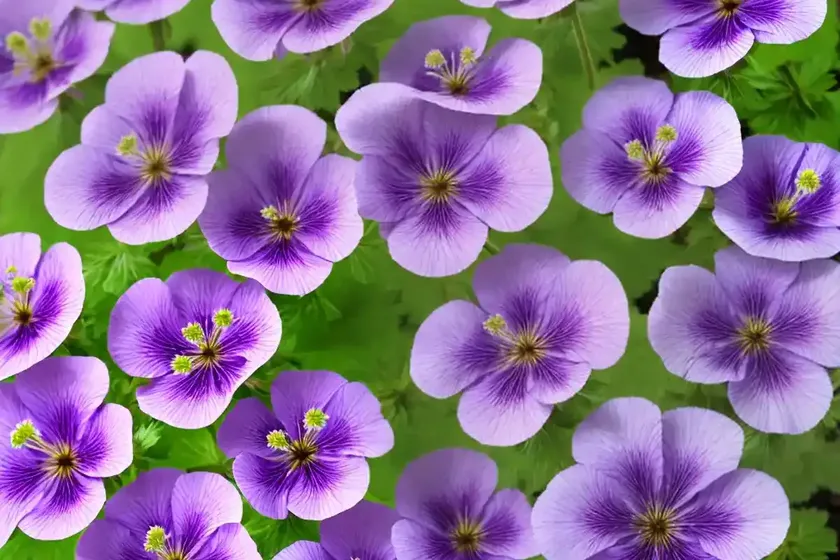
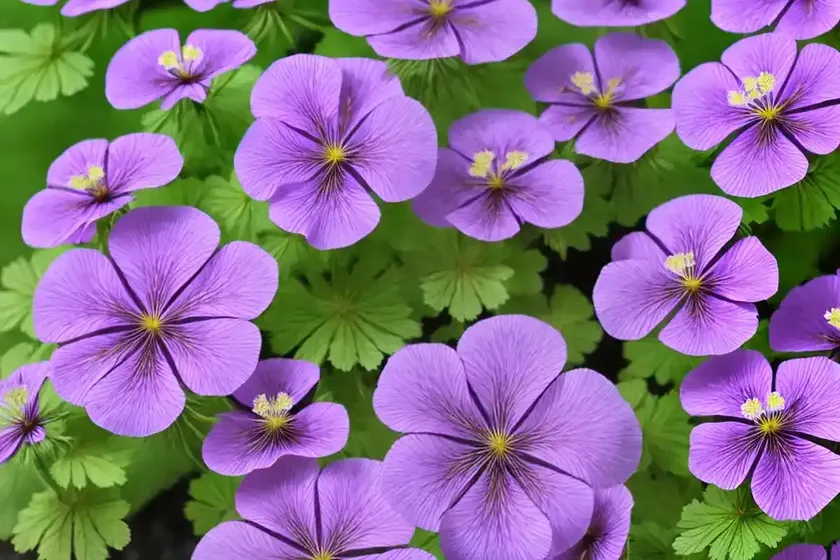
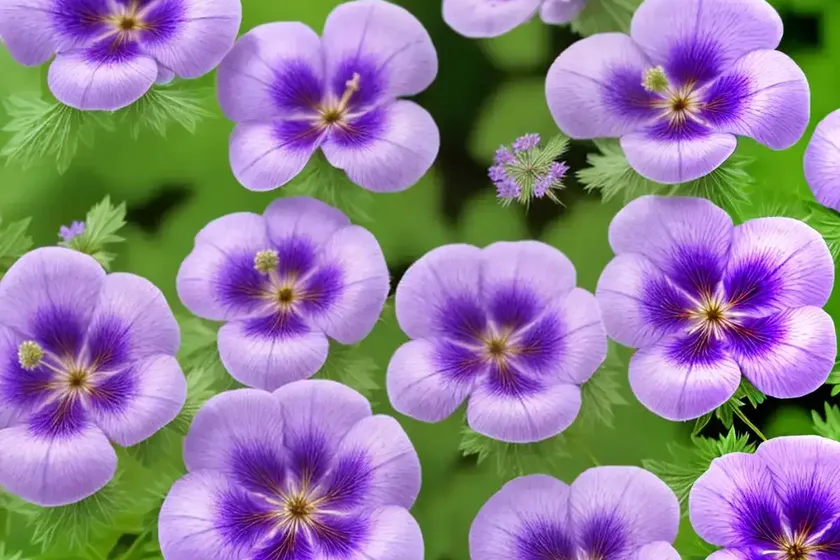
Geranium x magnificum, commonly known as Purple Cranesbill, is a beautiful and versatile perennial plant that has captured the hearts of gardeners and plant enthusiasts around the world. With its vibrant purple blooms, easy-to-care-for nature, and a wide range of applications in landscaping and gardening, Geranium x magnificum has become a popular choice for both novice and experienced gardeners. In this comprehensive guide, we will explore the various aspects of this fascinating plant, including its culture, uses, care requirements, and interesting facts. Whether you are a seasoned gardener or just beginning your journey in the world of plants, this guide will provide you with valuable insights into the world of Geranium x magnificum.
What is Geranium x magnificum (Purple Cranesbill)?
Geranium x magnificum, a hybrid of Geranium macrorrhizum and Geranium ibericum, is a herbaceous perennial plant that belongs to the Geraniaceae family. It is native to the mountainous regions of Europe and is widely cultivated for its ornamental value. The plant is characterized by its deeply lobed, palmate leaves and striking, saucer-shaped purple flowers. With its low-growing habit and spreading growth pattern, Geranium x magnificum is an excellent choice for ground cover, borders, and rock gardens. Its adaptability to various soil and light conditions makes it a versatile addition to any garden or landscape.
Key Takeaways – Geranium x magnificum (Purple Cranesbill)
Culture
- Scientific Name: Geranium x magnificum
- Common Name: Purple Cranesbill
- Family: Geraniaceae
- Type: Herbaceous perennial
- Origin: Europe
- Height: 1.5 to 2 feet
- Spread: 2 to 3 feet
- Hardiness Zone: 3 to 8
- Bloom Time: Late spring to early summer
- Landscape Uses: Ground cover, borders, rock gardens
Uses
Gardening: Geranium x magnificum is widely utilized in gardening for its ornamental value and ground cover capabilities. It can be used in various landscape settings, including borders, edging, and mass plantings.
Landscaping: Its low-growing and spreading nature makes it an ideal choice for landscaping, especially in areas that require erosion control or as an accent plant in mixed borders.
Medicinal Purposes: While primarily known for its ornamental value, some species of Geranium have medicinal uses for conditions such as diarrhea, dysentery, and as an astringent. However, it’s essential to consult a healthcare professional before using any plant for medicinal purposes.
Water
Geranium x magnificum is relatively drought-tolerant once established. However, it benefits from regular watering, especially during dry periods. Ensure that the soil is well-draining to avoid waterlogged conditions, which can lead to root rot.
Sunlight
Light Requirements: Partial to full sun
Optimal Conditions: Geranium x magnificum thrives in partial to full sun conditions. While it can tolerate some shade, it generally performs best in locations with ample sunlight.
Fertilizer
Fertilization Schedule: Apply a balanced, all-purpose fertilizer in early spring, before new growth emerges. Avoid over-fertilizing, as this can lead to excessive foliage growth at the expense of flower production.
Soil
Soil Type: Well-draining, fertile soil
pH Range: Slightly acidic to slightly alkaline (pH 6.0 to 7.5)
Soil Quality: Geranium x magnificum prefers loamy, well-draining soil with good fertility. Amending the soil with organic matter such as compost or well-rotted manure can improve its overall quality.
Pruning
Pruning Time: After the first flush of blooms
Pruning Method: Cut back the spent flower stems to encourage a second wave of bloom and maintain a compact, tidy appearance.
Propagation
Propagation Methods: Division, seeds, and stem cuttings
Optimal Time for Division: Spring or fall
Seed Germination: Start seeds indoors in early spring or sow them directly in the garden after the last frost date.
Container Popularity
Container Use: Geranium x magnificum can be grown in containers, hanging baskets, or decorative planters, providing a burst of color and texture to patios, decks, and other outdoor spaces.
Container Common Diseases
Geranium x magnificum can be susceptible to a few common diseases, including powdery mildew, botrytis, and root rot. Proper cultural practices, such as adequate spacing, good air circulation, and well-draining soil, can help prevent these issues.
Disease Diagnosis
When diagnosing diseases in Geranium x magnificum, it’s essential to examine the symptoms, such as powdery white spots on the foliage for powdery mildew or dark, water-soaked lesions on the stems for botrytis. Identifying the specific symptoms can aid in accurate disease management.
Common Pests
Pest Susceptibility: Slugs, snails, aphids, and caterpillars
Control Methods: Handpicking, natural predators, and selective pesticide application
Botanist’s Tips
- Adaptability: Geranium x magnificum is adaptable to a wide range of soil and light conditions, making it a versatile and resilient plant for various garden settings.
- Maintenance: Regular deadheading and pruning can enhance the plant’s overall appearance and promote continuous blooming.
- Companion Planting: Pair Geranium x magnificum with other perennial plants such as lavender, salvia, and catmint for a diverse and visually appealing garden display.
Fun Facts
- Geranium x magnificum is an excellent attractant for pollinators, including bees and butterflies, contributing to the ecological balance in the garden.
- The plant’s deep purple blooms add a touch of elegance and vibrancy to the garden, creating a striking visual impact.
Links to External Resources
For further information on Geranium x magnificum, Purple Cranesbill, and related topics, consider exploring the following resources:
- Royal Horticultural Society – Geranium x magnificum
- Missouri Botanical Garden – Geranium x magnificum
- Perennial Resource – Geranium x magnificum
In conclusion, Geranium x magnificum, Purple Cranesbill, is a remarkable plant that offers an array of benefits to gardeners and landscapers alike. Its stunning blooms, low-maintenance nature, and adaptability to various growing conditions make it a valuable addition to any garden or landscape. By following the outlined growing tips and care recommendations, you can nurture a thriving and visually captivating display of Geranium x magnificum in your outdoor space, enhancing the overall beauty and biodiversity of your garden.


