Geranium sylvaticum (Wood Cranesbill): A Comprehensive Guide
Geranium sylvaticum, commonly known as Wood Cranesbill, is a perennial flowering plant that belongs to the Geraniaceae family. With its delicate blooms and exceptional adaptability, this plant has gained popularity among gardeners and plant enthusiasts around the world. In this comprehensive guide, we will delve into the various aspects of the Wood Cranesbill, including its culture, uses, care requirements, common diseases and pests, propagation techniques, and much more. Whether you are a seasoned gardener or a novice plant enthusiast, this article aims to provide you with valuable insights into the captivating world of Geranium sylvaticum.
What is Geranium sylvaticum (Wood Cranesbill)?
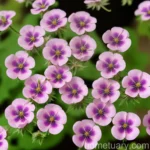
Geranium sylvaticum is a herbaceous perennial plant native to Europe and Asia. It is characterized by its intricate, saucer-shaped flowers that come in various shades of blue, purple, and pink. The plant typically reaches a height of 1 to 2 feet and spreads to form elegant clumps, making it an excellent choice for borders, rock gardens, and woodland settings. The deeply lobed, palmate leaves add to its visual appeal, creating a lush and vibrant display in any garden landscape.
Key Takeaways – Geranium sylvaticum (Wood Cranesbill)
Before we delve into the specifics of cultivating and caring for Geranium sylvaticum, let’s explore the key takeaways that will be discussed in this comprehensive guide:
- Culture
- Uses
- Water
- Sunlight
- Fertilizer
- Soil
- Pruning
- Propagation
- Container Popularity
- Common Diseases
- Common Pests
- Botanist’s Tips
- Fun Facts
- Links to External Resources
Now, let’s begin our journey into the enchanting world of Geranium sylvaticum, uncovering its unique attributes and the best practices for cultivating and caring for this remarkable plant.
Culture
Understanding the cultural requirements of Geranium sylvaticum is essential for ensuring its optimal growth and development. From its preferred growing conditions to its uses in landscaping, exploring the cultural aspects of Wood Cranesbill provides valuable insights for both amateur and experienced gardeners.
Uses
Geranium sylvaticum offers a multitude of uses, making it a versatile addition to any garden or landscape. Some of the common uses of Wood Cranesbill include:
- Ornamental Purposes: The vibrant, long-lasting blooms of Geranium sylvaticum make it a popular choice for ornamental plantings in gardens, parks, and public spaces.
- Wildlife Attraction: The nectar-rich flowers of Wood Cranesbill attract pollinators such as bees, butterflies, and hummingbirds, enhancing the biodiversity of the surrounding environment.
- Ground Cover: Due to its spreading habit and dense foliage, Geranium sylvaticum can be used as an effective ground cover in shaded areas, suppressing weed growth and adding visual interest.
Water
Proper watering is crucial for the health and vitality of Geranium sylvaticum. While this plant exhibits a good tolerance to varying moisture levels, it is essential to provide balanced and consistent watering to support its growth and blooming potential. Here are a few key considerations for watering Wood Cranesbill:
- Moderate Moisture: Geranium sylvaticum thrives in moderately moist soil conditions. Ensure that the plant receives sufficient water, especially during periods of drought or hot weather.
- Well-Drained Soil: While it appreciates consistent moisture, it is important to avoid waterlogged conditions. Planting Wood Cranesbill in well-drained soil helps prevent root rot and other water-related issues.
- Avoid Overwatering: Overwatering can lead to root suffocation and fungal diseases. Allow the soil to dry out slightly between waterings to maintain a healthy balance.
Sunlight
Geranium sylvaticum exhibits a preference for partial shade to full sun, making it well-suited for a variety of garden settings. Understanding its sunlight requirements is essential for determining the ideal location for planting and ensuring its overall vigor. Here’s what you need to know about providing the right amount of sunlight for Wood Cranesbill:
- Partial Shade: In regions with warmer climates, providing partial shade during the hottest part of the day can help prevent stress and sunburn on the foliage.
- Full Sun: While it can thrive in partial shade, Geranium sylvaticum also flourishes in full sun, especially in cooler climates. Adequate sunlight promotes robust flowering and overall plant health.
Fertilizer
Applying a balanced fertilizer can enhance the growth and flowering performance of Geranium sylvaticum. While it can tolerate a range of soil conditions, providing essential nutrients through regular fertilization can contribute to its long-term vitality. Consider the following fertilizer guidelines when caring for Wood Cranesbill:
- Slow-Release Fertilizer: Use a slow-release, balanced fertilizer in spring to provide a steady supply of nutrients throughout the growing season.
- Organic Amendments: Incorporating organic matter such as compost or well-rotted manure into the soil can improve its fertility and structure, reducing the need for synthetic fertilizers.
- Avoid Overfeeding: While Wood Cranesbill benefits from supplemental nutrients, excessive fertilization can lead to lush growth at the expense of flowering. Follow the recommended application rates for best results.
Soil
The choice of soil plays a significant role in providing an optimal growing environment for Geranium sylvaticum. From soil pH preferences to texture considerations, understanding the soil requirements of Wood Cranesbill is essential for promoting its overall well-being. Here are the key soil-related aspects to consider when cultivating this perennial plant:
- Well-Drained Soil: Plant Geranium sylvaticum in well-drained, loamy soil to prevent waterlogging and root rot. Sandy loam or loam soils with good drainage properties are ideal for its growth.
- Neutral to Slightly Acidic pH: Wood Cranesbill prefers soil with a neutral to slightly acidic pH range of 6.0 to 7.5. Conduct a soil test to determine the pH level and make necessary amendments to achieve the optimal pH range.
- Soil Amendment: Incorporating organic matter into the soil can improve its structure, moisture retention, and nutrient levels, creating a favorable growing medium for Geranium sylvaticum.
Pruning
Proper pruning not only helps maintain the attractive appearance of Geranium sylvaticum but also contributes to its overall health and vigor. Understanding the pruning techniques and timing for Wood Cranesbill is essential for promoting continuous blooming and controlling its growth. Here’s a closer look at the pruning considerations for this perennial plant:
- Deadheading Spent Blooms: Regular deadheading of faded flowers encourages the production of new blooms and prevents self-seeding, especially in garden settings where controlling its spread is necessary.
- Trimming Foliage: Trimming back the foliage in early spring can help rejuvenate the plant and promote a flush of new growth. Remove any damaged or diseased leaves to maintain overall plant health.
- Division: Performing division every few years can rejuvenate mature clumps of Geranium sylvaticum, ensuring continued vigor and preventing overcrowding.
Propagation
Propagation offers a rewarding opportunity to expand your collection of Geranium sylvaticum and share this captivating plant with others. Whether through seed sowing or division techniques, understanding the best practices for propagating Wood Cranesbill is essential for successful reproduction. Here are the primary propagation methods for Geranium sylvaticum:
- Seed Propagation: Sow Geranium sylvaticum seeds indoors in late winter or early spring, or directly in the garden in early spring. Provide consistent moisture and warmth for successful germination.
- Division: Dividing mature clumps of Geranium sylvaticum in early spring or early fall allows you to create new plants and rejuvenate existing ones. Ensure that each division has healthy roots and shoots for successful establishment.
Container Popularity
Beyond traditional garden settings, Geranium sylvaticum also thrives in containers, making it a versatile choice for both outdoor and indoor cultivation. Its compact growth habit and captivating blooms add a touch of elegance to patios, balconies, and indoor spaces. When growing Wood Cranesbill in containers, consider the following tips for success:
- Container Selection: Choose a spacious container with adequate drainage holes to accommodate the root system of Geranium sylvaticum. Terra cotta or lightweight, resin-based containers are suitable options.
- Well-Draining Soil: Fill the container with a well-draining potting mix to ensure proper moisture levels and prevent waterlogged conditions.
- Placement: Position the container in a location that receives partial shade to full sun, depending on the local climate and sunlight availability.
Common Diseases
While Geranium sylvaticum is generally resistant to most diseases, it can occasionally be affected by certain fungal infections and foliar issues. Being aware of the common diseases that can impact Wood Cranesbill allows for timely intervention and effective management. Here are a few common diseases that may affect Geranium sylvaticum:
- Powdery Mildew: A fungal disease that manifests as a powdery white coating on the leaves, stems, and flowers of the plant. Provide proper air circulation and avoid overhead watering to prevent powdery mildew.
- Botrytis Blight: Also known as gray mold, this fungal disease causes the development of grayish-brown lesions on the foliage. Remove and destroy affected plant parts to prevent the spread of the disease.
- Leaf Spot: Various fungal pathogens can cause leaf spot on Geranium sylvaticum, leading to the formation of dark, water-soaked spots on the leaves. Improve air circulation and avoid wetting the foliage to minimize leaf spot incidence.
Disease Diagnosis
Diagnosing diseases in Geranium sylvaticum involves careful observation of the plant’s symptoms and identifying the causal agents. From visual cues to environmental factors, understanding the process of disease diagnosis is crucial for implementing targeted management strategies. When diagnosing diseases in Wood Cranesbill, consider the following steps:
- Symptom Identification: Observe the plant for any abnormal changes in leaf color, texture, or structure, as well as the presence of lesions, spots, or mold-like growth.
- Environmental Assessment: Consider factors such as humidity levels, air circulation, and soil moisture to determine the likelihood of fungal diseases such as powdery mildew or botrytis blight.
- Professional Consultation: If uncertain about the diagnosis or recommended treatment, seek advice from local extension services or plant pathologists to address the issue effectively.
Common Pests
While Geranium sylvaticum is relatively resistant to pest infestations, certain insects may occasionally target this plant. Being familiar with the common pests that can affect Wood Cranesbill enables proactive pest management and helps preserve the plant’s health. Here are a few common pests that may target Geranium sylvaticum:
- Aphids: These small, sap-sucking insects can cluster on the tender new growth of Geranium sylvaticum, causing distorted leaves and stunted growth. Use insecticidal soap or horticultural oil to control aphid populations.
- Slugs and Snails: These mollusks can feed on the tender foliage of Wood Cranesbill, leaving behind ragged edges and holes in the leaves. Employ physical barriers or organic bait to reduce slug and snail damage.
- Spider Mites: In hot, dry conditions, spider mites may infest Geranium sylvaticum, causing stippling and discoloration of the leaves. Regularly hose down the foliage to keep spider mite populations in check.
Botanist’s Tips
Seasoned botanists and horticulturists often provide valuable insights and tips for cultivating and caring for specific plant species. When it comes to Geranium sylvaticum, incorporating practical advice from experts can enhance your success in growing and enjoying this remarkable plant. Here are some botanist’s tips for cultivating Wood Cranesbill:
- Companion Planting: Pair Geranium sylvaticum with compatible companion plants such as Brunnera, Tiarella, and Pulmonaria to create visually appealing combinations in shaded garden areas.
- Seasonal Care: Provide additional mulch around the base of the plant in late fall to help insulate the roots and protect the plant during winter. Remove the mulch in early spring to allow for new growth.
- Wildlife Attractant: Create a wildlife-friendly garden by incorporating Geranium sylvaticum, which attracts pollinators and beneficial insects, contributing to the overall ecological balance.
Fun Facts
Exploring the intriguing facets of Geranium sylvaticum unveils a world of fun and captivating facts about this perennial plant. From its historical uses to its ecological significance, here are some fun facts about Wood Cranesbill:
- Historical Significance: Wood Cranesbill has been used in traditional herbal medicine for its astringent properties and was also employed in dyeing due to the rich colors of its blooms.
- Ecological Value: The nectar-rich flowers of Geranium sylvaticum support various pollinators, including bees, butterflies, and hoverflies, contributing to the biodiversity of the surrounding ecosystem.
By delving into these fun facts, you develop a deeper appreciation for the unique qualities and contributions of Geranium sylvaticum to both cultural and ecological realms.
External Resources
For further exploration of Geranium sylvaticum and related topics, here are some valuable external resources that provide additional insights, tips, and practical guidance:
- The Royal Horticultural Society (RHS) – A trusted source of gardening information and expertise, offering articles, guides, and resources on Geranium sylvaticum care and cultivation.
- The American Horticultural Society – An organization dedicated to promoting excellence in American horticulture, featuring resources on plant profiles, gardening techniques, and more.
- University Cooperative Extension Services – Local extension offices and cooperative extension services provide valuable insights into plant care, pest management, and gardening practices specific to your region.
These external resources serve as valuable references for expanding your knowledge and expertise in the cultivation and care of Geranium sylvaticum, empowering you to create thriving and sustainable garden landscapes.
In conclusion, Geranium sylvaticum, or Wood Cranesbill, is a captivating perennial plant that offers a myriad of ornamental, ecological, and cultural benefits. By understanding its cultural requirements, propagation techniques, and pest management strategies, you can cultivate and enjoy the beauty of Wood Cranesbill in various garden settings. Whether used as a ground cover, container plant, or ornamental feature, Geranium sylvaticum enriches garden landscapes with its delicate blooms and lush foliage, making it a cherished addition to any horticultural collection. Embrace the allure of Wood Cranesbill and discover the joy of cultivating this remarkable plant in your own garden.
Remember, the information shared in this guide serves as a foundational resource for cultivating and caring for Geranium sylvaticum, and incorporating local knowledge and expertise is essential for tailored, successful plant management. Happy gardening and may the beauty of Geranium sylvaticum enrich your outdoor spaces with its enduring charm and grace.