Geranium Pratense ‘Midnight Reiter’ (Cranesbill)
Geranium pratense ‘Midnight Reiter’ is a unique and beautiful perennial plant commonly known as Cranesbill. It is a member of the Geraniaceae family and is.
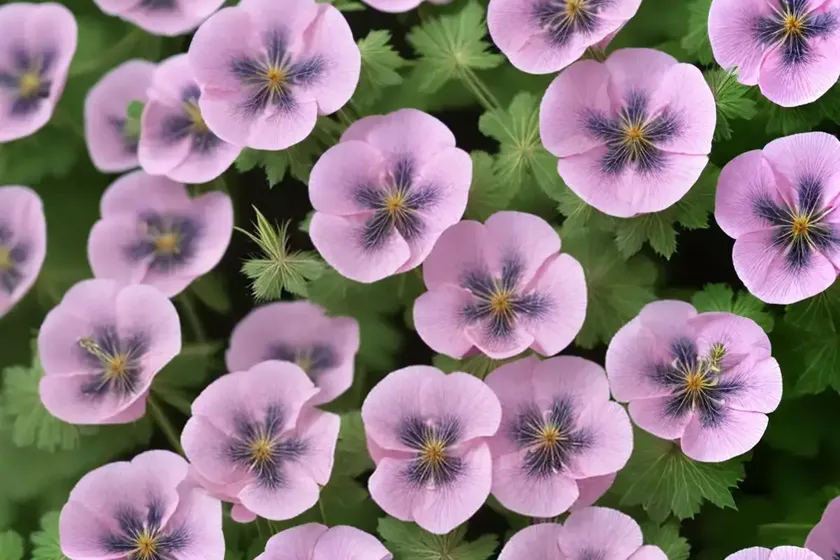
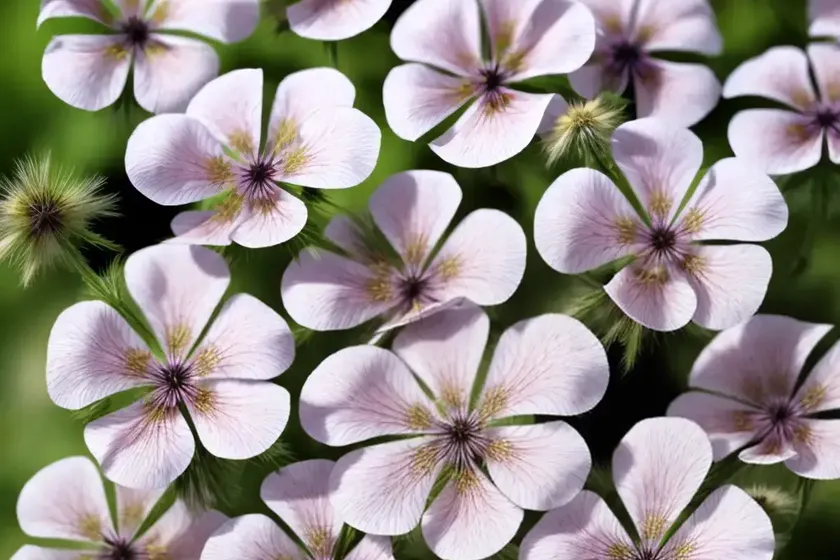
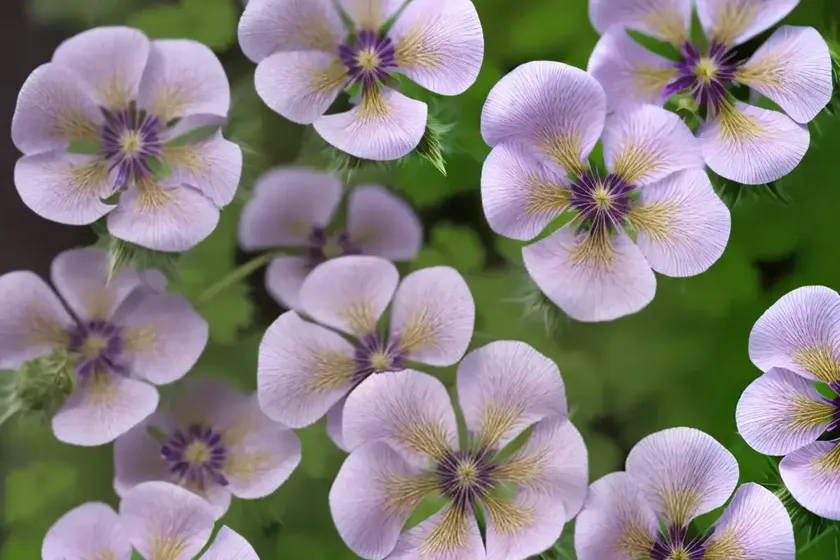
Geranium pratense ‘Midnight Reiter’ is a unique and beautiful perennial plant commonly known as Cranesbill. It is a member of the Geraniaceae family and is a popular choice for gardeners due to its lovely flowers and low maintenance requirements. This plant is a cultivar of the Geranium pratense species, which is native to Europe and Western Asia.
Key Takeaways – Geranium pratense ‘Midnight Reiter’ (Cranesbill)
- Plant Name: Geranium pratense ‘Midnight Reiter’ (Cranesbill)
- Botanical Name: Geranium pratense ‘Midnight Reiter’
- Common Name: Cranesbill
- Plant Type: Perennial
- Sunlight: Full sun to partial shade
- Watering: Moderate
- Soil: Well-drained, fertile soil
- Height: 12-18 inches
- Spread: 18-24 inches
- Bloom Time: Late spring to early summer
- USDA Hardiness Zone: 3-8
The culture of Geranium pratense ‘Midnight Reiter’ revolves around creating optimal growing conditions for the plant to thrive. This includes considerations such as soil type, sunlight exposure, water requirements, and maintenance practices.
Uses
Geranium pratense ‘Midnight Reiter’ is versatile in its uses, making it a valuable addition to various garden settings. Here are some common uses of this plant:
- Garden Borders: Its low-growing habit and attractive foliage and flowers make it suitable for edging garden borders.
- Ground Cover: The spreading nature of this plant makes it an excellent ground cover option for open spaces in the garden.
- Container Planting: Its compact size makes it suitable for container gardening, adding vibrant color to patios, balconies, and other confined spaces.
- Cut Flowers: The attractive blooms of this plant make it a great choice for cut flower arrangements.
Water
Proper watering is essential for the health and vigor of Geranium pratense ‘Midnight Reiter’. While it is important to keep the soil consistently moist, overwatering should be avoided to prevent waterlogging and root rot. During hot and dry periods, regular watering is crucial to ensure the plant’s hydration needs are met.
Sunlight
This plant thrives in locations that receive full sun to partial shade. When planted in full sun, it typically exhibits more prolific blooming, while partial shade can be suitable in hotter climates to protect the plant from excessive heat. Finding the right balance of sunlight is key to achieving optimal growth and flowering.
Fertilizer
Geranium pratense ‘Midnight Reiter’ benefits from an application of balanced fertilizer in early spring. A slow-release granular fertilizer or a water-soluble fertilizer can be used to provide the necessary nutrients for healthy growth. Fertilizing should be done according to the manufacturer’s instructions to avoid overfeeding.
Soil
The ideal soil for Geranium pratense ‘Midnight Reiter’ is well-drained and rich in organic matter. A slightly acidic to neutral pH is preferred, and the soil should have good moisture retention without becoming waterlogged. Amending the soil with compost or organic matter can help improve its texture and fertility.
Pruning
Pruning is an important aspect of maintaining the appearance and health of Geranium pratense ‘Midnight Reiter’. After the first flush of blooms has faded, deadheading the spent flowers can promote additional flowering and prevent self-seeding. Additionally, cutting back the plant after the first bloom can encourage fresh growth and potentially a second flush of flowers.
Propagation
This plant can be propagated through division or from seed. Division is typically done in early spring or fall by carefully separating the root clumps and replanting them in suitable locations. When propagating from seed, it is best to collect the seeds as soon as they are ripe and sow them in prepared soil for germination.
Container Popularity
Due to its compact growth habit and vibrant blooms, Geranium pratense ‘Midnight Reiter’ is a popular choice for container gardening. It can bring color and beauty to outdoor living spaces, patios, and balconies. When planting it in containers, ensure the pots have adequate drainage and choose a well-draining potting mix to support healthy root development.
While Geranium pratense ‘Midnight Reiter’ is generally resistant to many diseases, it can be susceptible to certain fungal issues and environmental stressors. Understanding common diseases and their management is crucial for maintaining the plant’s health.
Disease Diagnosis
Common diseases that can affect Geranium pratense ‘Midnight Reiter’ include:
- Powdery Mildew: This fungal disease appears as a powdery, white substance on the leaves, affecting their appearance and health.
- Botrytis Blight: Also known as gray mold, this disease can cause wilting, browning, and decay of the plant’s tissues, especially in humid conditions.
- Leaf Spot: Fungal leaf spots can develop on the foliage, leading to discoloration and weakening of the plant.
Timely diagnosis of these diseases is essential to implement appropriate management strategies, such as proper sanitation, improving air circulation, and applying fungicidal treatments when necessary.
In addition to diseases, Geranium pratense ‘Midnight Reiter’ may encounter pest issues that can affect its growth and overall vigor. Vigilance and proactive measures can help prevent pest infestations and minimize their impact on the plant.
Common pests that may affect this plant include:
- Aphids: These small, soft-bodied insects can cluster on the new growth and undersides of the leaves, causing damage and promoting the development of sooty mold.
- Snails and Slugs: These pests are known to feed on the foliage, leaving behind visible damage and holes on the leaves.
- Caterpillars: Some species of caterpillars may feed on the foliage, resulting in defoliation and reduced plant vitality.
Regular monitoring of the plant for pest activity and the prompt implementation of control measures, such as handpicking, natural predators, or targeted treatments, can help protect the plant from pest damage.
Botanist’s Tips
A few tips from a botanist on caring for and appreciating Geranium pratense ‘Midnight Reiter’:
- Mulching: Applying a layer of mulch around the plant can help retain soil moisture, suppress weeds, and protect the roots during temperature fluctuations.
- Companion Planting: Consider planting complementary species, such as low-growing perennials or annuals, near Geranium pratense ‘Midnight Reiter’ to create visually appealing and ecologically beneficial garden spaces.
- Wildlife Attraction: This plant has the potential to attract beneficial insects, pollinators, and even small wildlife to the garden, contributing to the overall biodiversity and ecological balance.
- The genus name “Geranium” is derived from the Greek word “geranos,” meaning “crane,” which alludes to the distinctive shape of the fruit capsule resembling a crane’s bill.
- Flowers of Geranium pratense ‘Midnight Reiter’ can vary in color from deep violet to purple, creating an enchanting display in the garden.
- The plant’s foliage is deeply lobed and can add texture and interest to the landscape even when not in bloom.
For additional information on Geranium pratense ‘Midnight Reiter’ (Cranesbill) and related topics, here are some valuable external resources:
- Royal Horticultural Society – Geranium pratense
- Missouri Botanical Garden – Geranium pratense
- University of Wisconsin-Madison – Geraniums for the Home Garden
- American Horticultural Society – Plant Propagation
- National Gardening Association – Common Perennial Diseases and Problems
These resources can provide in-depth insights into plant care, propagation techniques, disease management, and other relevant aspects of cultivating Geranium pratense ‘Midnight Reiter’ in various garden settings.
In conclusion, Geranium pratense ‘Midnight Reiter’ is a charming and adaptable plant that has earned its place as a beloved perennial among gardeners. Its vibrant blooms, low maintenance requirements, and versatile uses make it a valuable addition to gardens, borders, and container displays. Understanding the plant’s cultural needs, disease and pest management, and appreciating its unique features can enhance the gardening experience and contribute to the beauty of outdoor spaces. Whether used as a border plant, ground cover, or container specimen, this Cranesbill cultivar exudes timeless elegance and natural allure.
By engaging with the botanist’s tips, fun facts, and external resources provided, enthusiasts and horticulturalists can further delve into the world of Geranium pratense ‘Midnight Reiter’ and uncover a wealth of knowledge, inspiration, and practical guidance for cultivating and enjoying this captivating perennial.
Remember, the beauty of Geranium pratense ‘Midnight Reiter’ extends beyond its visual appeal; it also has the power to attract and support diverse wildlife, contribute to garden ecosystems, and enrich the overall horticultural tapestry with its enduring charm and grace.
Keep blooming, and let nature’s wonders flourish in your garden!
References:
- Royal Horticultural Society. “Geranium pratense.” Available at: https://www.rhs.org.uk/Plants/11964/Geranium-pratense/Details
- Missouri Botanical Garden. “Geranium pratense.” Available at: http://www.missouribotanicalgarden.org/PlantFinder/PlantFinderDetails.aspx?kempercode=b666
- University of Wisconsin-Madison. “Geraniums for the Home Garden.” Available at: https://hort.extension.wisc.edu/articles/geraniums-for-the-home-garden/
- American Horticultural Society. “Plant Propagation.” Available at: https://ahsgardening.org/gardening-resources/gardening-videos/plant-propagation/
- National Gardening Association. “Common Perennial Diseases and Problems.” Available at: https://garden.org/learn/articles/view/430/


