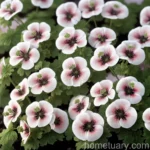
Plant Scientist’s Guide to Geranium Macrorrhizum ‘Czakor’ (Cranesbill)
Geranium macrorrhizum ‘Czakor’, commonly known as Cranesbill, is a stunning perennial plant that is favored by gardeners for its beautiful foliage and colorful blooms. As a plant scientist, it’s my pleasure to provide you with a comprehensive guide to understanding, growing, and caring for Geranium macrorrhizum ‘Czakor’. In this detailed guide, we will explore the culture, uses, watering, sunlight, fertilizer, soil, pruning, propagation, container gardening, common diseases, pests, and much more. Whether you are an experienced gardener or a beginner, this guide will equip you with the knowledge and tips to cultivate and maintain this wonderful plant in your garden.
What is Geranium Macrorrhizum ‘Czakor’ (Cranesbill)?
Geranium macrorrhizum ‘Czakor’, a member of the Geraniaceae family, is a low-growing perennial plant that is valued for its attractive, aromatic foliage and delicate, long-lasting flowers. This plant is native to the Balkans, including Hungary and Bulgaria, and it is commonly found in rocky areas, open forests, and meadows.
Cranesbill is a clump-forming plant that typically reaches a height of 12 to 18 inches, with a spread of 18 to 24 inches. It features deeply-cut, palmate leaves that add a lush green texture to garden beds and borders. The delicate pink flowers of Geranium macrorrhizum ‘Czakor’ appear in late spring to early summer, creating a captivating display that attracts pollinators such as bees and butterflies.
Key Takeaways – Geranium Macrorrhizum ‘Czakor’ (Cranesbill)
Before delving into the specific aspects of growing and caring for Geranium macrorrhizum ‘Czakor’, let’s take a look at the key takeaways associated with this beautiful plant:
- Scientific Name: Geranium macrorrhizum ‘Czakor’
- Common Name: Cranesbill
- Plant Type: Perennial
- Mature Size: 12-18 inches in height and 18-24 inches in spread
- Sunlight: Partial to full shade
- Watering: Average water needs; prefers well-draining soil
- Soil Type: Well-draining, loamy soil
- Hardiness Zone: 4-8
- Bloom Time: Late spring to early summer
- Uses: Ideal for borders, woodland gardens, ground cover, and containers
- Attributes: Aromatic foliage, long-lasting flowers, wildlife-attracting
- Disease Resistance: Shows resistance to some common garden diseases
- Pest Control: Prone to specific pests – strategies will be discussed below
Now that we have a general understanding of Geranium macrorrhizum ‘Czakor’, let’s delve into the specific aspects of culture, uses, and care that will help you cultivate and enjoy this beautiful plant.
Culture
Water
Geranium macrorrhizum ‘Czakor’ exhibits average water needs and prefers consistently moist but well-draining soil. During the growing season, it is essential to provide regular watering, especially during dry spells, to keep the soil slightly moist. However, Cranesbill is susceptible to root rot if left in standing water, so it’s important to ensure that the soil drains well and does not become waterlogged.
Sunlight
When it comes to sunlight requirements, Geranium macrorrhizum ‘Czakor’ thrives in partial to full shade. It can tolerate some morning sun, especially in cooler climates, but it flourishes in dappled shade or filtered light. Planting it in a location with too much direct sun can cause the leaves to scorch and the plant to wilt, so it’s crucial to provide adequate shade, particularly during hot summer afternoons.
Fertilizer
Cranesbill is not a heavy feeder, and excessive fertilization can lead to an overgrowth of foliage at the expense of flowers. A balanced, slow-release fertilizer applied in spring, as new growth emerges, is typically sufficient to support healthy growth and blooming. Alternatively, you can use a dilute liquid fertilizer every four to six weeks during the growing season to provide essential nutrients without overwhelming the plant.
Soil
The ideal soil for Geranium macrorrhizum ‘Czakor’ is well-draining and rich in organic matter. Loamy soil with a slightly acidic to neutral pH (6.1-7.0) provides the best growing conditions for this plant. It’s important to avoid heavy, compacted soils, as they can retain excessive moisture and lead to root rot. Incorporating compost or well-rotted organic matter into the soil can improve drainage and fertility, creating a hospitable environment for Cranesbill to thrive.
Pruning
Pruning is an essential aspect of maintaining the health and appearance of Geranium macrorrhizum ‘Czakor’. After the initial bloom in late spring to early summer, deadheading spent flowers can encourage the plant to produce new blooms, prolonging the flowering period and promoting a tidy appearance. Additionally, removing any yellowing or damaged foliage throughout the growing season can help reduce the risk of disease and maintain the plant’s aesthetic appeal.
Propagation
Propagation of Geranium macrorrhizum ‘Czakor’ can be achieved through several methods, including division, cuttings, and seed sowing.
-
Division: In early spring or fall, the clumps of the plant can be carefully divided, ensuring that each division has healthy roots and shoots. The divisions can then be replanted in suitable locations, providing the opportunity to expand the plant’s presence in the garden or share it with other gardeners.
-
Cuttings: Stem cuttings taken in late spring to early summer can be propagated in a suitable rooting medium, such as a mix of perlite and peat. With proper care and adequate moisture, the cuttings will develop roots and can be transplanted into individual containers or outdoor beds.
-
Seed Sowing: Collecting seeds from mature Cranesbill plants and sowing them in a seed-starting mix in late winter to early spring can also yield new plants. Adequate moisture and warmth will promote germination, and the resulting seedlings can be transplanted into the garden as they mature.
Container Popularity
Geranium macrorrhizum ‘Czakor’ is well-suited for container gardening, adding a delightful touch of color and texture to patios, balconies, and outdoor living spaces. Its low-growing habit and attractive foliage make it an excellent choice for container arrangements, providing a beautiful backdrop for taller or cascading plants. When selecting a container for Cranesbill, it’s important to choose one with adequate drainage holes to prevent waterlogging and ensure healthy root development. Additionally, using a high-quality, well-draining potting mix can support the plant’s growth and reduce the risk of overwatering.
Container Common Diseases
While container gardening offers many benefits, it’s important to be mindful of potential diseases that can affect plants grown in containers. With Geranium macrorrhizum ‘Czakor’, certain diseases may pose a threat in containerized environments. These diseases include:
-
Powdery Mildew: This fungal disease can affect the foliage of Cranesbill, leading to the development of a white, powdery coating on the leaves. It thrives in warm, dry conditions and can spread rapidly in crowded or poorly ventilated containers.
-
Botrytis Blight: Also known as gray mold, botrytis blight can occur in humid conditions and can affect the flowers and foliage of Geranium macrorrhizum ‘Czakor’. It presents as brown lesions on the plant and can lead to rapid deterioration if left unmanaged.
Disease Diagnosis
Monitoring the foliage and overall health of Geranium macrorrhizum ‘Czakor’ is crucial for early detection and management of diseases. Regularly inspecting the plant for signs of discoloration, wilting, or unusual growth can help identify potential issues before they escalate. If you notice symptoms such as powdery white spots on the leaves or brown lesions on the flowers, it’s essential to take proactive measures to address the problem and prevent further spread.
Common Pests
In addition to diseases, Geranium macrorrhizum ‘Czakor’ may be susceptible to certain pests in a container gardening setting. These pests can include:
-
Aphids: These small, soft-bodied insects can congregate on the new growth of Cranesbill, feeding on the sap and potentially causing distortion or yellowing of the leaves.
-
Spider Mites: These tiny pests can infest the foliage of Geranium macrorrhizum ‘Czakor’, forming fine webbing and causing stippling or discoloration of the leaves.
Botanist’s Tips
As a plant scientist, I recommend the following tips to ensure the successful cultivation and care of Geranium macrorrhizum ‘Czakor’:
-
Plant in Well-Draining Soil: To prevent issues such as root rot and fungal diseases, ensure that the soil is well-draining and provides a suitable growing environment for the plant.
-
Monitor Moisture Levels: Regularly check the moisture levels of the soil, particularly in container gardens, to prevent overwatering or underwatering, both of which can stress the plant.
-
Promote Air Circulation: When planting in containers, allow for adequate space between plants to promote air circulation and reduce the risk of fungal diseases.
-
Inspect for Pests: Routinely inspect the foliage for signs of pest infestations, such as aphids or spider mites, and take prompt action to address any issues.
-
Prune Regularly: Deadheading spent flowers and removing damaged foliage can enhance the overall appearance of Geranium macrorrhizum ‘Czakor’ and promote continued blooming.
Now that we’ve covered the essential aspects of growing and caring for Geranium macrorrhizum ‘Czakor’, let’s explore some fun facts about this remarkable plant.
Fun Facts
-
Medicinal Uses: Cranesbill has a history of medicinal use, with certain species being employed for their astringent properties in traditional herbal medicine.
-
Wildlife Attractant: The flowers of Geranium macrorrhizum ‘Czakor’ serve as a valuable nectar source for pollinators, including bees and butterflies, contributing to the ecological diversity of the garden.
-
Fragrant Foliage: The aromatic foliage of Cranesbill emits a delightful scent when brushed or crushed, adding sensory appeal to the garden environment.
With its aromatic foliage, long-lasting blooms, and versatile nature, Geranium macrorrhizum ‘Czakor’ is a valuable addition to any garden or landscape. Whether used as a ground cover, border plant, or container specimen, this resilient perennial offers an array of benefits and opportunities for creative landscaping.
Links to External Resources
For further information and resources on Geranium macrorrhizum ‘Czakor’ and plant care, you may find the following links helpful:
- Royal Horticultural Society – Growing Hardy Geraniums
- Missouri Botanical Garden – Geranium macrorrhizum ‘Czakor’ Plant Profile
- University of Maryland Extension – Hardy Geraniums: Otherwise Known as Cranesbill
Feel free to explore these resources to expand your knowledge and appreciation of Geranium macrorrhizum ‘Czakor’ and its cultivation. Happy gardening!