Geranium himalayense (Lilac Cranesbill): A Comprehensive Guide
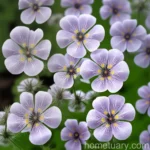
Geranium himalayense, commonly known as Lilac Cranesbill, is a captivating perennial plant renowned for its charming lilac flowers and attractive foliage. This plant belongs to the Geraniaceae family and is native to the Himalayas. Its remarkable beauty, combined with its ease of care, makes it a favorite among gardeners and plant enthusiasts.
In this comprehensive guide, we will delve into every aspect of Geranium himalayense, from its cultural requirements to its uses in landscaping and its role in traditional medicine. Whether you’re a seasoned gardener or a beginner looking to embark on a journey of plant care and appreciation, this guide will equip you with all the necessary knowledge to cultivate and enjoy the splendor of Geranium himalayense.
What is Geranium himalayense (Lilac Cranesbill)?
Geranium himalayense, commonly known as Lilac Cranesbill, is a herbaceous perennial plant known for its delicate, lilac-colored flowers and deeply lobed green leaves. This enchanting plant is native to the Himalayas and is a popular choice for garden borders, rock gardens, and woodland gardens due to its compact habit and long blooming period.
Key Takeaways – Geranium himalayense (Lilac Cranesbill)
Before we delve into the detailed aspects of Geranium himalayense, let’s outline the key takeaways about this captivating plant.
- Scientific Name: Geranium himalayense
- Common Name: Lilac Cranesbill
- Family: Geraniaceae
- Origin: Himalayas
- Type: Herbaceous perennial
- Flower Color: Lilac
- Foliage: Deeply lobed green leaves
Now that we have a brief overview of Geranium himalayense, let’s explore its cultural requirements, uses, and maintenance tips in detail.
Culture
Cultivating Geranium himalayense involves paying attention to several factors, including its water and sunlight requirements, suitable soil conditions, fertilizer needs, and pruning practices. Understanding the cultural requirements of this plant is essential for creating an optimal growing environment that allows it to thrive and display its full ornamental potential.
Uses
Geranium himalayense boasts a myriad of uses, from enhancing the visual appeal of garden landscapes to serving as a valuable companion plant for other species. Understanding the versatile applications of this plant will enable you to make informed decisions when incorporating it into your garden design or horticultural projects.
Water
Proper watering is crucial for the health and vitality of Geranium himalayense. However, striking the right balance and understanding its specific watering needs are essential for preventing issues such as root rot and water stress. In this section, we will explore the optimal watering practices for nurturing healthy and robust Lilac Cranesbill plants.
Sunlight
Like most plants, Geranium himalayense has specific sunlight requirements that directly impact its growth and flowering capabilities. Understanding its preferences for sunlight exposure will enable you to position it strategically in your garden or landscape, ensuring that it receives the ideal amount of sunlight to flourish.
Fertilizer
Fertilization plays a crucial role in providing Geranium himalayense with essential nutrients for vigorous growth and prolific flowering. By understanding the appropriate fertilization practices and selecting suitable fertilizers, you can support the overall health and blooming potential of this captivating perennial plant.
Soil
The type of soil in which Geranium himalayense is planted significantly influences its growth, development, and overall well-being. Therefore, understanding the soil preferences of this plant is pivotal for creating an optimal growing environment and ensuring its longevity in your garden or landscape.
Pruning
Pruning is a fundamental aspect of maintaining the health, shape, and aesthetic appeal of Geranium himalayense. By implementing proper pruning techniques, you can promote continuous flowering, prevent disease, and manage the plant’s growth in a manner that enhances its ornamental value.
Propagation
Understanding the different methods of propagating Geranium himalayense is essential for expanding your plant collection or sharing this delightful species with fellow gardening enthusiasts. Whether you prefer division, seed propagation, or other techniques, knowing how to propagate Lilac Cranesbill will open up numerous possibilities for its cultivation.
Container Popularity
Geranium himalayense’s adaptability to container gardening makes it a versatile and popular choice for individuals with limited outdoor space or those seeking to create vibrant potted displays. Exploring its suitability for container cultivation will provide insights into maximizing its ornamental impact in various settings.
Common Diseases
As with any plant, Geranium himalayense is susceptible to certain diseases that can hinder its growth and overall vigor. By familiarizing yourself with the common diseases that affect this species, you can implement preventive measures and timely interventions to maintain its optimal health.
Disease Diagnosis
Accurately diagnosing diseases that affect Geranium himalayense is crucial for implementing the appropriate control and management measures. Understanding the symptoms and identifying the causal agents behind these diseases will assist you in addressing issues effectively and safeguarding the well-being of your Lilac Cranesbill plants.
Common Pests
Pests can pose a significant threat to the well-being of Geranium himalayense, causing damage to its foliage, flowers, and overall vitality. Familiarizing yourself with the common pests that target this species will allow you to adopt proactive pest control strategies and mitigate potential infestations.
Botanist’s Tips
To offer a deeper understanding of Geranium himalayense and enrich your horticultural knowledge, this section presents valuable insights and tips from botanists who have studied and worked with this captivating species. By incorporating these expert recommendations into your plant care practices, you can optimize the growth and ornamental appeal of Lilac Cranesbill.
Fun Facts
Discovering intriguing and captivating facts about Geranium himalayense can deepen your appreciation for this enchanting plant and its unique characteristics. This section presents a collection of fun and fascinating facts that shed light on various aspects of Lilac Cranesbill, encompassing its history, uses, and inherent qualities.
Links to External Resources
Expanding your knowledge and access to valuable resources is essential for gaining a comprehensive understanding of Geranium himalayense. In this section, you will find curated links to external sources, including reputable websites, botanical gardens, and educational resources, where you can further explore this remarkable plant and its diverse facets.
Conclusion
In conclusion, Geranium himalayense, or Lilac Cranesbill, is a captivating perennial plant that embodies elegance, resilience, and ornamental charm. By delving into its cultural requirements, understanding its uses, and familiarizing yourself with its maintenance practices, you can cultivate and enjoy the enchanting beauty of this Himalayan native.
This comprehensive guide aims to serve as a valuable resource for plant enthusiasts, gardeners, and horticulturalists who seek to deepen their knowledge of Geranium himalayense and create thriving, visually captivating landscapes adorned with the allure of Lilac Cranesbill. Whether you are drawn to its delicate flowers, lush foliage, or versatile applications, Geranium himalayense invites you to embark on a journey of discovery and appreciation for the wondrous world of plants.