Epimedium Grandiflorum ‘Rose Queen’ (Barrenwort)
As a passionate plant scientist, I find great joy in exploring and studying a wide variety of plant species. Today, I am thrilled to delve into the world.
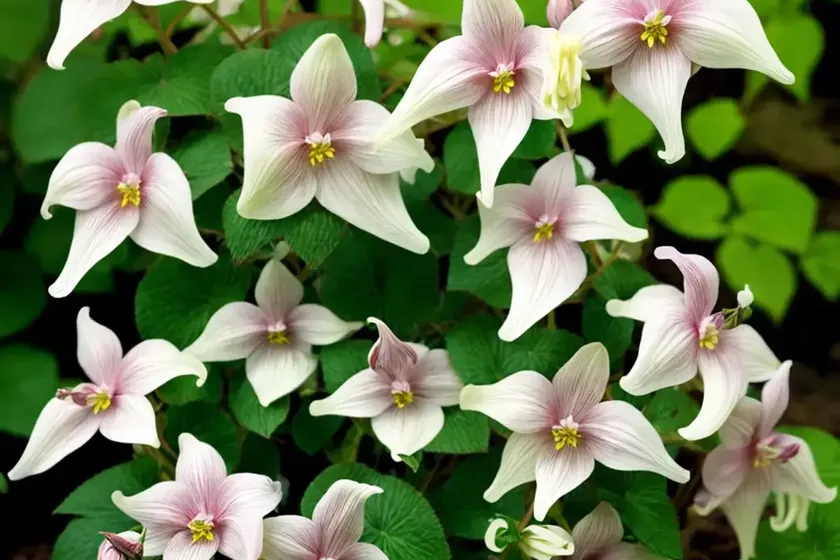
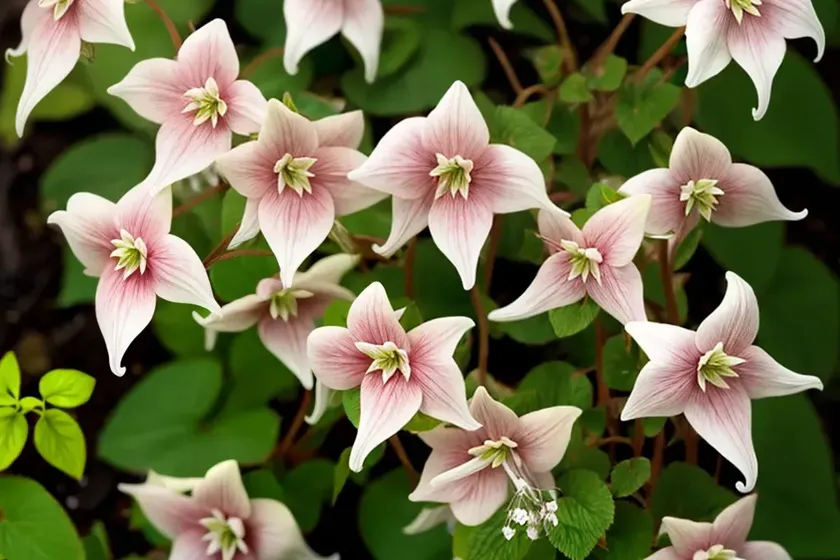
As a passionate plant scientist, I find great joy in exploring and studying a wide variety of plant species. Today, I am thrilled to delve into the world of Epimedium grandiflorum ‘Rose Queen’, also known as Barrenwort. This exceptional plant possesses unique characteristics and offers various benefits, making it a fascinating subject for all plant enthusiasts.
What is Epimedium grandiflorum ‘Rose Queen’?
Epimedium grandiflorum ‘Rose Queen’, commonly referred to as Barrenwort, is a captivating perennial plant that belongs to the Berberidaceae family. This species is native to East Asia, particularly Japan and Korea, where it thrives in the wild, showcasing its remarkable beauty.
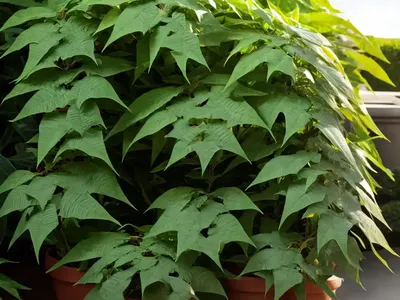
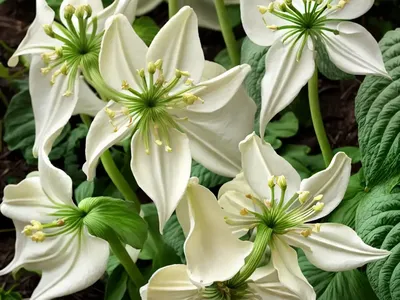
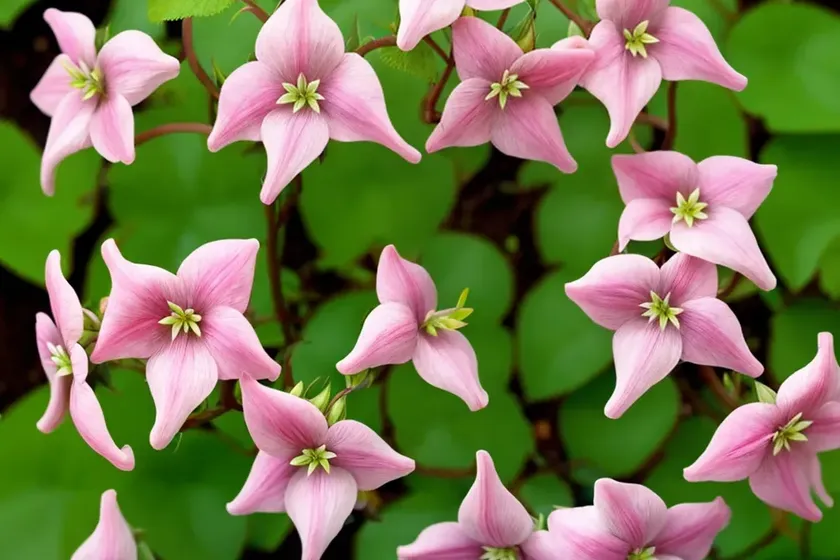
The Barrenwort plant is renowned for its elegant and delicate appearance. It has heart-shaped leaves and stunning, intricate flowers that add a touch of elegance to any landscape. The unique characteristics of the Epimedium grandiflorum ‘Rose Queen’ make it a popular choice for gardeners and landscaping enthusiasts.
Key Takeaways – Epimedium grandiflorum ‘Rose Queen’
Before exploring the specifics of caring for this unique plant, let’s take a look at some key takeaways and characteristics that define the Epimedium grandiflorum ‘Rose Queen’:
- Common Name: Barrenwort
- Scientific Name: Epimedium grandiflorum ‘Rose Queen’
- Family: Berberidaceae
- Native Habitat: East Asia (Japan, Korea)
- Characteristics: Heart-shaped leaves, intricate and elegant flowers
- Growth Pattern: Perennial
- Uses: Ornamental plant, ground cover, medicinal properties
- Popularity: Widely favored for its unique beauty and versatility
Now, let’s delve into the essential aspects of caring for the Epimedium grandiflorum ‘Rose Queen’, including its cultural requirements, uses, and maintenance tips.
Culture
Water
Proper watering is crucial for the health and vitality of the Epimedium grandiflorum ‘Rose Queen’. Being mindful of its water needs can significantly impact its overall growth and flowering. The watering requirements for Barrenwort include:
- Optimal Moisture Levels: The Barrenwort plant thrives in moist, well-draining soil. While it does require regular watering, it’s essential to avoid waterlogged conditions, as excessive moisture can lead to root rot and other issues.
- Watering Frequency: During the growing season, establish a regular watering schedule, ensuring that the soil remains consistently moist without being overly saturated.
Sunlight
As a shade-loving perennial, the Epimedium grandiflorum ‘Rose Queen’ flourishes in partially shaded to fully shaded conditions. When selecting a planting location for the Barrenwort, consider the following sunlight guidelines:
- Shade Preferences: Ideally, plant the Barrenwort in areas with dappled shade or partial shade. It thrives in woodland settings and under the canopy of larger trees, where it receives filtered sunlight.
- Sunlight Tolerance: While the Barrenwort prefers shade, it can also tolerate some morning sunlight or gentle, indirect light. However, prolonged exposure to intense sunlight should be avoided to prevent potential leaf scorching.
Fertilizer
Proper fertilization is essential for promoting healthy growth and abundant flowering in the Epimedium grandiflorum ‘Rose Queen’. When considering fertilizer application for Barrenwort, follow these recommendations:
- Fertilizer Type: Utilize a balanced, slow-release fertilizer that is suitable for perennial plants. Look for formulations with a lower nitrogen content to prevent excessive leaf growth at the expense of flower production.
- Application Timing: Apply fertilizer in early spring, just as the new growth emerges. A light top-dressing or a diluted liquid fertilizer application can provide the necessary nutrients to support the Barrenwort’s growth throughout the season.
- Avoid Over-Fertilization: Exercise caution to avoid over-fertilizing the Barrenwort, as excessive nutrients can lead to lush foliage at the expense of its delicate flowers.
Soil
The soil composition and quality play a significant role in the overall health and longevity of the Epimedium grandiflorum ‘Rose Queen’. When cultivating this exquisite plant, consider the following soil requirements:
- Well-Draining Soil: Barrenwort thrives in well-draining, humus-rich soil that retains moisture without becoming waterlogged. Amending the soil with organic matter, such as compost or leaf mold, can enhance its texture and moisture-retention capabilities.
- pH Level: The ideal soil pH for Barrenwort ranges from slightly acidic to neutral (pH 6.0-7.0). Conduct a soil test to determine the pH level and make necessary amendments to create an optimal growing environment for the Epimedium grandiflorum ‘Rose Queen’.
- Mulching: Apply a layer of organic mulch, such as shredded bark or compost, around the base of the Barrenwort plant to conserve moisture, suppress weed growth, and maintain a stable soil temperature.
Pruning
Pruning plays a vital role in maintaining the aesthetics and health of the Epimedium grandiflorum ‘Rose Queen’. Proper pruning techniques can encourage new growth, remove spent flowers, and manage the plant’s overall appearance. Consider the following pruning guidelines for Barrenwort:
- Spring Cleanup: In early spring, remove any damaged, withered, or dead foliage to promote healthy regrowth and prevent the spread of diseases. Gently trim back any winter-damaged stems to encourage new growth.
- Removing Spent Flowers: After the flowering period, trim off the spent flower stems to redirect the plant’s energy into producing new foliage and preparing for the next bloom cycle.
- Tidy Maintenance: Throughout the growing season, monitor the Barrenwort for any straggly or untidy growth. Using clean, sharp pruners, trim back any unsightly or overcrowded foliage to maintain a neat, compact appearance.
Propagation
As an esteemed botanical species, the propagation of Epimedium grandiflorum ‘Rose Queen’ allows enthusiasts to expand their collection and share the beauty of this plant with others. The Barrenwort can be propagated through various methods, including division, seed sowing, and rhizome cuttings. Here are essential pointers for propagating the Rose Queen Barrenwort:
- Division: In early spring, divide mature clumps of the Barrenwort by carefully separating the roots and establishing new plantings. Ensure that each division has sufficient roots and healthy growth points to support successful establishment.
- Seed Sowing: Collect seeds from mature Barrenwort plants after the flowering period. Sow the seeds in well-prepared, moist soil or seed-starting mix, covering them lightly and maintaining consistent moisture for germination.
- Rhizome Cuttings: Propagate the Barrenwort by taking rhizome cuttings from established plants. Choose healthy, vigorous rhizomes and plant them at the appropriate depth, providing adequate moisture and warmth for successful root development.
Container Popularity
The Epimedium grandiflorum ‘Rose Queen’ is a popular choice for container gardening due to its compact size, elegant foliage, and captivating flowers. When cultivating the Barrenwort in containers, certain considerations can enhance its growth and visual impact. Here are key points regarding its popularity in container gardening:
- Container Selection: Choose a well-draining container with sufficient depth and width to accommodate the Barrenwort’s root system. Select containers made of durable materials, such as terracotta or resin, to provide a stable growing environment.
- Potting Mix: Utilize a high-quality, well-aerated potting mix that mimics the ideal soil conditions for Barrenwort. A mix designed for perennial plants with added organic matter can promote healthy growth and moisture retention.
- Placement: Position the container in a shaded or partially shaded area, such as a patio, balcony, or garden border. Ensure that the Barrenwort receives adequate airflow and doesn’t endure prolonged exposure to intense sunlight.
Common Diseases
The health and vitality of the Epimedium grandiflorum ‘Rose Queen’ can be impacted by various diseases and fungal issues. Understanding common diseases affecting the Barrenwort is crucial for implementing preventive measures and addressing potential concerns. Here are some common diseases and their identification tips:
Disease Diagnosis
- Powdery Mildew: Look for white, powdery patches on the leaves, often accompanied by leaf distortion and stunted growth. Provide proper air circulation and avoid overhead watering to prevent powdery mildew.
- Leaf Spot: Dark, circular spots on the foliage, accompanied by yellowing and premature leaf drop, indicate the presence of leaf spot diseases. Remove affected foliage and avoid overhead watering to mitigate its spread.
Common Pests
In addition to diseases, the Epimedium grandiflorum ‘Rose Queen’ may also encounter pest infestations that can compromise its health and appearance. Being vigilant about common pests and implementing pest management strategies is essential for preserving the vitality of the Barrenwort. Here are some common pests to watch for:
- Aphids: Keep an eye out for clusters of small, soft-bodied insects on the tender new growth of the Barrenwort. Use a strong blast of water or insecticidal soap to control aphid infestations and prevent damage.
- Spider Mites: Monitor the undersides of the leaves for signs of webbing and stippling, which indicate the presence of spider mites. Regularly misting the foliage and maintaining proper humidity can deter spider mites.
Botanist’s Tips
Fun Facts
- Medicinal Properties: The Epimedium genus, to which ‘Rose Queen’ belongs, is renowned for its historical use in traditional medicine. Certain species within the genus have been utilized for their potential medicinal benefits, particularly in East Asian traditional medicine.
- Deer Resistance: Barrenwort is known for its relative resistance to deer browsing, making it a valuable addition to landscapes where deer presence is a concern.
- Pollinator-Friendly: The elegant flowers of the Epimedium grandiflorum ‘Rose Queen’ attract pollinators such as bees and butterflies, contributing to the biodiversity of the surrounding ecosystem.
Links to External Resources
For additional insights and in-depth information about the Epimedium grandiflorum ‘Rose Queen’ and related topics, consider exploring the following external resources:
- The Royal Horticultural Society (RHS): The official website of the RHS provides valuable guidance on plant care, gardening techniques, and extensive plant databases.
- Missouri Botanical Garden: A renowned botanical institution offering a wealth of botanical knowledge, plant profiles, and horticultural resources.
- American Horticultural Society: A trusted source for gardening enthusiasts, providing educational resources, plant recommendations, and horticultural events.
With its captivating allure and numerous benefits, the Epimedium grandiflorum ‘Rose Queen’ stands as a remarkable addition to any garden or landscape. Embracing its unique characteristics and meeting its cultural requirements can lead to a rewarding experience for enthusiasts and horticulturists alike.
In conclusion, the Barrenwort plant embodies elegance, resilience, and versatility, making it a treasured botanical gem worthy of appreciation and careful cultivation.
Keywords: Epimedium grandiflorum ‘Rose Queen’ care, Barrenwort plant, Rose Queen barrenwort, Epimedium grandiflorum ‘Rose Queen’ characteristics, Growing Epimedium grandiflorum ‘Rose Queen’, Barrenwort ‘Rose Queen’ variety, Epimedium grandiflorum ‘Rose Queen’ planting tips, Rose Queen barrenwort flowers, Epimedium grandiflorum ‘Rose Queen’ maintenance, Growing tips for ‘Rose Queen’ barrenwort, Epimedium grandiflorum ‘Rose Queen’ in landscaping, Barrenwort ‘Rose Queen’ for shade gardens, Epimedium grandiflorum ‘Rose Queen’ foliage, How to propagate Epimedium grandiflorum ‘Rose Queen’, Barrenwort ‘Rose Queen’ flowering season, Epimedium grandiflorum ‘Rose Queen’ in container gardening, Benefits of growing ‘Rose Queen’ barrenwort, Epimedium grandiflorum ‘Rose Queen’ pollinator-friendly plant, Pruning techniques for ‘Rose Queen’ barrenwort, Epimedium grandiflorum ‘Rose Queen’ drought tolerance, Barrenwort ‘Rose Queen’ companion plants, Soil requirements for growing Epimedium grandiflorum ‘Rose Queen’, Epimedium grandiflorum ‘Rose Queen’ native habitat, Barrenwort ‘Rose Queen’ for erosion control, Common pests and diseases affecting ‘Rose Queen’ barrenwort, Epimedium grandiflorum ‘Rose Queen’ medicinal properties, Barrenwort ‘Rose Queen’ as ground cover, Epimedium grandiflorum ‘Rose Queen’ deer resistant, Barrenwort ‘Rose Queen’ for rock gardens, Epimedium grandiflorum ‘Rose Queen’ winter care, Barrenwort ‘Rose Queen’ naturalizing tips, Epimedium grandiflorum ‘Rose Queen’ for border plantings, Companion plants for ‘Rose Queen’ barrenwort, Epimedium grandiflorum ‘Rose Queen’ for shade-loving plants, Barrenwort ‘Rose Queen’ foliage color variations, Epimedium grandiflorum ‘Rose Queen’ flower size, Barrenwort ‘Rose Queen’ in traditional medicine, Epimedium grandiflorum ‘Rose Queen’ as a groundcover plant, Barrenwort ‘Rose Queen’ for attracting butterflies, Epimedium grandiflorum ‘Rose Queen’ as an ornamental plant, Barrenwort ‘Rose Queen’ for slope stabilization, Epimedium grandiflorum ‘Rose Queen’ in dry garden landscapes, Barrenwort ‘Rose Queen’ in shady areas, Epimedium grandiflorum ‘Rose Queen’ fall foliage color, Barrenwort ‘Rose Queen’ for border edging, Epimedium grandiflorum ‘Rose Queen’ for container gardens, Barrenwort ‘Rose Queen’ in cottage gardens, Epimedium grandiflorum ‘Rose Queen’ for attracting bees, Barrenwort ‘Rose Queen’ for woodland gardens, Epimedium grandiflorum ‘Rose Queen’ as a low-maintenance plant