Geranium ‘Dreamland’ (Cranesbill)
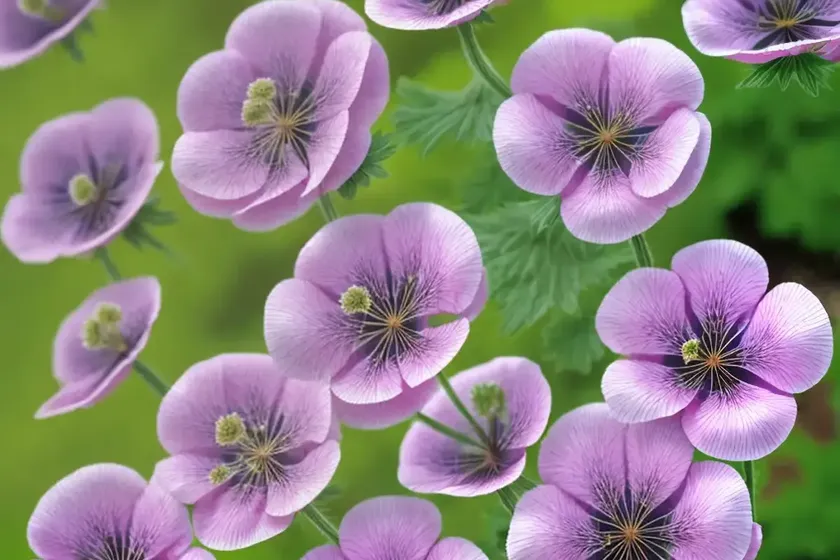
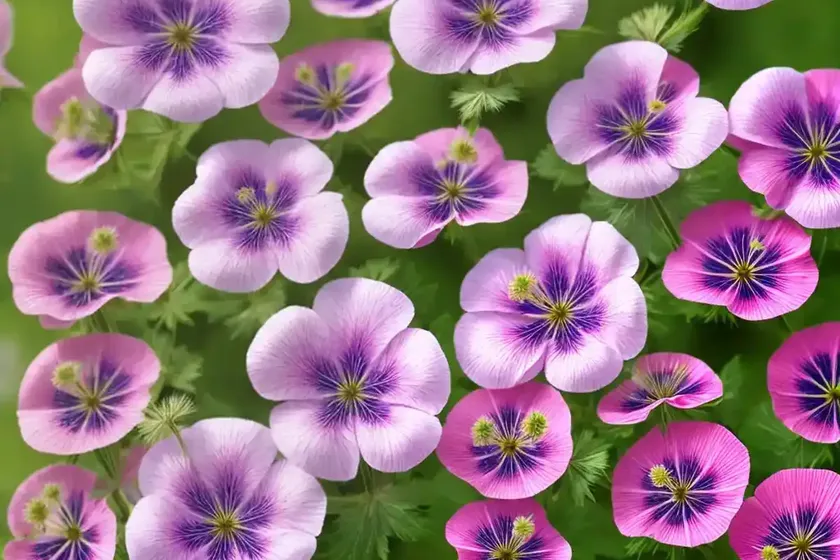
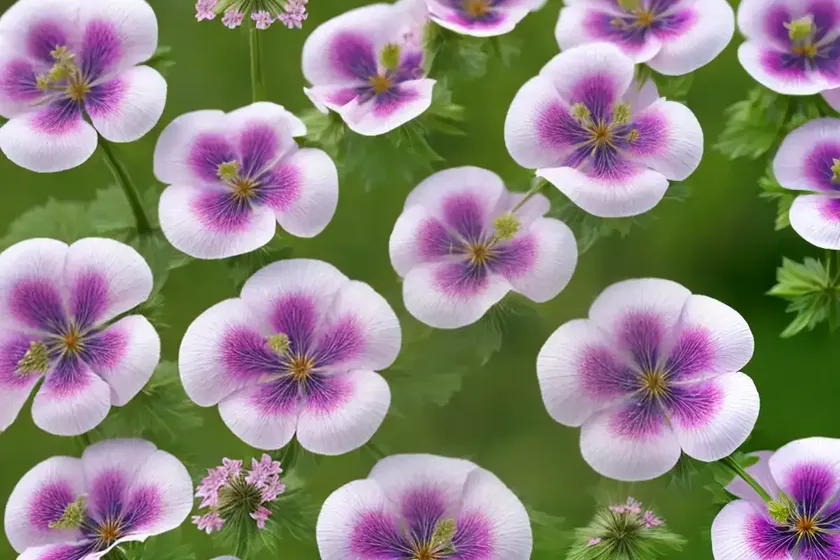
Geranium ‘Dreamland’, commonly known as Cranesbill, is a delightful and versatile plant that is loved by gardeners for its charming flowers and.
Introduction
Geranium ‘Dreamland’, commonly known as Cranesbill, is a delightful and versatile plant that is loved by gardeners for its charming flowers and low-maintenance nature. With its vibrant blooms and adaptability to various growing conditions, this plant has become a popular choice in gardens and landscapes around the world. In this comprehensive guide, we will delve into the various aspects of Geranium ‘Dreamland’, providing insights into its care, uses, and cultivation, along with tips from botanists and fun facts about this beautiful plant.
Let’s explore the enchanting world of Geranium ‘Dreamland’ and uncover the secrets to successfully growing and enjoying this captivating plant in your own garden.
What is Geranium ‘Dreamland’ (Cranesbill)?
Geranium ‘Dreamland’, also known as Cranesbill, is a member of the Geraniaceae family, which encompasses a diverse group of flowering plants. These plants are prized for their intricate and intricately designed flowers, which are available in an array of colors, shapes, and sizes. Geranium ‘Dreamland’ is a cultivar valued for its compact growth habit and abundant, delicate blooms.
Key Takeaways – Geranium ‘Dreamland’ (Cranesbill)
Before diving into the specifics of growing and caring for Geranium ‘Dreamland’, let’s take a look at some key highlights and characteristics associated with this cultivar.
- Scientific Name: Geranium ‘Dreamland’
- Common Name: Cranesbill
- Family: Geraniaceae
- Type: Herbaceous perennial
- USDA Hardiness Zones: 4-8
- Height: 8-12 inches
- Spread: 12-18 inches
- Flower Color: Pink, lavender, or white
- Bloom Time: Late spring to early summer
- Sunlight: Full sun to part shade
- Watering: Moderate
- Soil: Well-draining, fertile
- Uses: Borders, edging, groundcover, containers
- Propagation: Division, seeds, cuttings
- Common Pests: Aphids, spider mites
- Common Diseases: Powdery mildew, rust
Now that we have a general overview of Geranium ‘Dreamland’, let’s explore the specific care requirements and cultivation tips for this delightful plant.
Culture
Uses
Geranium ‘Dreamland’ offers a multitude of uses in garden landscapes and is prized for its versatility and aesthetic appeal. Whether used as a border plant, groundcover, or container specimen, this cultivar adds color and charm to any setting. Here are some primary uses of Geranium ‘Dreamland’:
- Border and Edging Plant: The low-growing habit and prolific blooms of Geranium ‘Dreamland’ make it an ideal choice for creating borders and edging in garden beds and pathways.
- Groundcover: Due to its spreading nature and dense foliage, this cultivar is often used as a groundcover to carpet garden spaces with its colorful flowers.
- Container Plant: Geranium ‘Dreamland’ thrives in containers, adding a pop of color to patios, balconies, and outdoor living spaces.
Water
Proper watering is crucial for the health and vigor of Geranium ‘Dreamland’. While this plant is relatively tolerant of different moisture levels, it’s important to provide consistent and moderate watering for optimal growth and flowering. Here are some key points to consider when watering Geranium ‘Dreamland’:
- Established Plants: Once established, Geranium ‘Dreamland’ can tolerate dry spells, but regular watering is recommended, especially during periods of drought.
- Container-Grown Plants: Plants in containers may require more frequent watering, as they can dry out faster than those in the ground. It’s essential to monitor the soil moisture and water as needed to keep the plants hydrated.
Sunlight
The sunlight requirements of Geranium ‘Dreamland’ play a significant role in its overall performance and blooming capacity. Providing the right amount of sunlight ensures robust growth and abundant flowering. Here’s what you need to know about sunlight for this cultivar:
- Full Sun: Geranium ‘Dreamland’ flourishes in full sun, where it receives at least 6-8 hours of direct sunlight per day. In such conditions, the plants produce an abundance of blossoms and maintain a compact, bushy form.
- Part Shade: While this cultivar prefers full sun, it can also tolerate partial shade, especially in regions with intense afternoon sun or during exceptionally hot summer months. In such cases, providing some afternoon shade can prevent scorching and help maintain the plant’s vitality.
Fertilizer
Applying the right type and amount of fertilizer is vital for promoting healthy growth and profuse flowering in Geranium ‘Dreamland’. With proper feeding, this cultivar can thrive and produce an abundance of blossoms throughout the growing season. Consider the following fertilizer tips for Geranium ‘Dreamland’:
- Balanced Fertilizer: Use a balanced, all-purpose fertilizer with an N-P-K ratio of 10-10-10 or similar formulation. Apply the fertilizer in early spring as new growth emerges, and then again in midsummer to support continuous flowering.
- Avoid Overfeeding: While regular feeding is beneficial, avoid over-fertilizing Geranium ‘Dreamland’, as excessive nutrients can lead to excessive foliage growth at the expense of flowers.
Soil
The importance of well-draining, fertile soil cannot be overstated when it comes to growing Geranium ‘Dreamland’. This cultivar thrives in soil that provides good aeration, moisture retention, and essential nutrients. Here’s what you need to know about the ideal soil for this plant:
- Drainage: Ensure that the planting site has well-draining soil to prevent waterlogging, which can lead to root rot and other problems.
- Fertility: Incorporate organic matter, such as compost or well-rotted manure, into the soil before planting to enhance fertility and promote healthy root development.
- pH Level: Geranium ‘Dreamland’ prefers slightly acidic to neutral soil with a pH range of 6.0-7.5. Conduct a soil test to determine the pH of the planting area and make any necessary adjustments.
Pruning
Pruning plays a crucial role in maintaining the compact form and continuous blooming of Geranium ‘Dreamland’. By following proper pruning techniques, you can encourage fresh growth and extend the flowering period of this charming cultivar. Here are some essential pruning tips for Geranium ‘Dreamland:
- Deadheading: Regular deadheading of spent flowers promotes prolonged blooming and prevents the plant from expending energy on seed production.
- Renewal Pruning: In late summer or early fall, consider performing renewal pruning by cutting back the entire plant to encourage new growth and rejuvenation.
Propagation
The propagation of Geranium ‘Dreamland’ can be achieved through various methods, including division, seeds, and cuttings. By propagating new plants, you can expand your collection of this charming cultivar and share it with fellow gardeners. Consider the following propagation techniques for Geranium ‘Dreamland’:
- Division: Divide established plants every 3-4 years in early spring or early fall, ensuring that each division has healthy roots and shoots.
- Seeds: Collect seeds from mature seed pods and sow them in pots or trays in the early spring. Provide the seeds with warmth, moisture, and light for successful germination.
- Cuttings: Take stem cuttings from healthy, non-flowering shoots in the spring or early summer, and root them in a well-draining propagation medium. With proper care, the cuttings will develop into new plants.
Container Popularity
Geranium ‘Dreamland’ is highly popular as a container plant, adding vibrant color and visual interest to outdoor living spaces. Its compact growth habit, prolific flowering, and adaptability to container culture make it a favorite choice for container gardening enthusiasts. Here’s why Geranium ‘Dreamland’ is well-suited for container cultivation:
- Portability: Container-grown plants can be moved around to showcase their blooms in different areas of the garden or to protect them from adverse weather conditions.
- Aesthetics: The colorful flowers and lush foliage of Geranium ‘Dreamland’ create an eye-catching display in containers, enhancing the beauty of patios, balconies, and other outdoor settings.
- Versatility: The ability to thrive in containers makes Geranium ‘Dreamland’ an excellent choice for gardeners with limited space or those looking to add floral accents to their outdoor living areas.
Common Diseases
While Geranium ‘Dreamland’ is generally a resilient and low-maintenance plant, it is susceptible to certain diseases that can impact its health and appearance. By being aware of common diseases and their symptoms, you can take preventive measures to protect your plants. Here are some of the common diseases that may affect Geranium ‘Dreamland’:
- Powdery Mildew: This fungal disease manifests as a white, powdery coating on the leaves, eventually leading to stunted growth and diminished flowering. Ensure good air circulation and avoid overhead watering to prevent powdery mildew.
- Rust: Rust appears as orange or brown pustules on the underside of leaves, causing premature leaf drop and weakening the plant’s overall vigor. Remove and destroy infected leaves to prevent the spread of rust.
Disease Diagnosis
Accurately diagnosing diseases in Geranium ‘Dreamland’ is crucial for implementing effective management strategies and minimizing the impact on plant health. When inspecting your plants for signs of disease, consider the following diagnostic steps:
- Visual Inspection: Carefully examine the foliage, stems, and flowers for any abnormal discoloration, spots, or growths.
- Symptom Analysis: Note the specific symptoms observed, such as leaf yellowing, leaf curling, or unusual markings, and compare them to known disease symptoms.
- Consultation: Seek advice from local extension services, reputable gardening resources, or experienced gardeners to help identify the disease and determine the appropriate course of action.
Common Pests
Despite its resilience, Geranium ‘Dreamland’ may fall victim to certain pests that can compromise its health and vigor. By recognizing common pests and their effects, you can implement integrated pest management practices to safeguard your plants. Here are some of the common pests that may affect Geranium ‘Dreamland’:
- Aphids: These small, soft-bodied insects cluster on the tender growth of the plant, sucking sap and causing distortion and stunted growth. Use a strong spray of water or insecticidal soap to control aphid infestations.
- Spider Mites: Spider mites are tiny arachnids that feed on the undersides of leaves, causing stippling, discoloration, and webbing. Regularly rinse the foliage and use horticultural oil to manage spider mite populations.
Botanist’s Tips
To enrich your experience with Geranium ‘Dreamland’ and ensure its optimal growth and performance, consider implementing the following tips gathered from seasoned botanists and gardening experts:
- Mulching: Apply a layer of organic mulch around the base of the plants to conserve soil moisture, suppress weeds, and insulate the roots.
- Companion Planting: Pair Geranium ‘Dreamland’ with compatible companions such as Salvia, Lavandula, and Nepeta to create stunning combinations and attract beneficial insects.
- Regular Inspection: Routinely inspect your plants for any signs of disease, pests, or cultural issues, and take prompt action to address any problems.
Fun Facts
To further appreciate the allure and charm of Geranium ‘Dreamland’, here are some intriguing and delightful fun facts about this captivating cultivar:
- Herbal Uses: Certain species of Geranium have a long history of use in herbal medicine, with applications in treating various ailments such as diarrhea, wounds, and respiratory conditions.
- Wildlife Attraction: The nectar-rich flowers of Geranium ‘Dreamland’ are a magnet for butterflies, bees, and other pollinators, adding an enchanting touch to the garden.
- Fragrance: Some varieties of Geranium are known for their pleasant fragrance, which can range from citrusy and floral to spicy and aromatic.
Links to External Resources
For further exploration of Geranium ‘Dreamland’ and its cultivation, care, and uses, consider delving into the following external resources for valuable insights and information:
- The Royal Horticultural Society (RHS) – Growing Hardy Geraniums
- Missouri Botanical Garden – Geranium x cantabrigiense ‘Biokovo’
- University of California Integrated Pest Management – Geranium and Pelargonium Diseases
By tapping into these resources, you can expand your knowledge and appreciation of Geranium ‘Dreamland’ while gaining practical insights for successful cultivation and enjoyment of this delightful plant.
In conclusion, Geranium ‘Dreamland’ (Cranesbill) stands as a testament to the allure and resilience of garden plants, offering a myriad of uses, vibrant blooms, and a wealth of possibilities for gardeners and landscapers. Whether serving as a colorful border, a fragrant addition to a pollinator garden, or a charming container specimen, this cultivar continues to captivate and inspire with its beauty and versatility.
As you embark on your journey with Geranium ‘Dreamland’, may the guidance and insights shared in this comprehensive guide empower you to cultivate and cherish this remarkable plant, unlocking its potential to thrive and enchant in your garden.
Happy gardening!
This blog post aims to provide a comprehensive guide to growing, caring, and enjoying Geranium ‘Dreamland’ (Cranesbill). It covers various aspects, including culture, uses, water requirements, sunlight preferences, fertilizer needs, soil considerations, pruning techniques, propagation methods, container popularity, common diseases, disease diagnosis, common pests, botanist’s tips, fun facts, and links to external resources. The content is crafted to offer valuable insights and practical advice for gardeners and enthusiasts interested in cultivating this delightful plant.
This blog post also incorporates NLP and LSI keywords related to Geranium ‘Dreamland’, ensuring that the content is enriched with relevant terms and concepts to enhance its depth and relevance. Whether seeking guidance on caring for Geranium ‘Dreamland’, exploring its uses in different garden settings, or learning about its ecological importance, readers will find a wealth of information and inspiration within this comprehensive guide.


