Geranium Clarkei ‘Kashmir White’ (Cranesbill)
In the world of gardening, there are countless plant species that can bring beauty and charm to our outdoor spaces. One such plant is the Geranium clarkei.
In the world of gardening, there are countless plant species that can bring beauty and charm to our outdoor spaces. One such plant is the Geranium clarkei ‘Kashmir White’, commonly known as the Cranesbill. This delightful perennial is a favorite among gardeners for its elegant white blooms and versatility in various growing conditions.
In this in-depth guide, we will explore the fascinating world of Geranium clarkei ‘Kashmir White’, uncovering its cultural requirements, uses, care tips, and more. Whether you are a seasoned gardener or just starting your journey with plants, this comprehensive resource will equip you with the knowledge to cultivate and appreciate this stunning variety to its fullest potential.
Key Takeaways – Geranium clarkei ‘Kashmir White’ (Cranesbill)
Before we delve into the specifics of Geranium clarkei ‘Kashmir White’, let’s highlight the key takeaways that will be covered in this guide:
- Plant Name: Geranium clarkei ‘Kashmir White’ (Cranesbill)
- Culture
- Uses
- Water
- Sunlight
- Fertilizer
- Soil
- Pruning
- Propagation
- Container Popularity
- Common Diseases
- Common Pests
- Botanist’s Tips
- Fun Facts
- Links to External Resources
Now, let’s embark on this journey to discover the wonders of the Geranium clarkei ‘Kashmir White’ and unravel the secrets of nurturing this captivating plant.
What is Geranium clarkei ‘Kashmir White’ (Cranesbill)?
Scientific Name: Geranium clarkei ‘Kashmir White’
Common Name: Cranesbill
Family: Geraniaceae
Origin: Himalayas
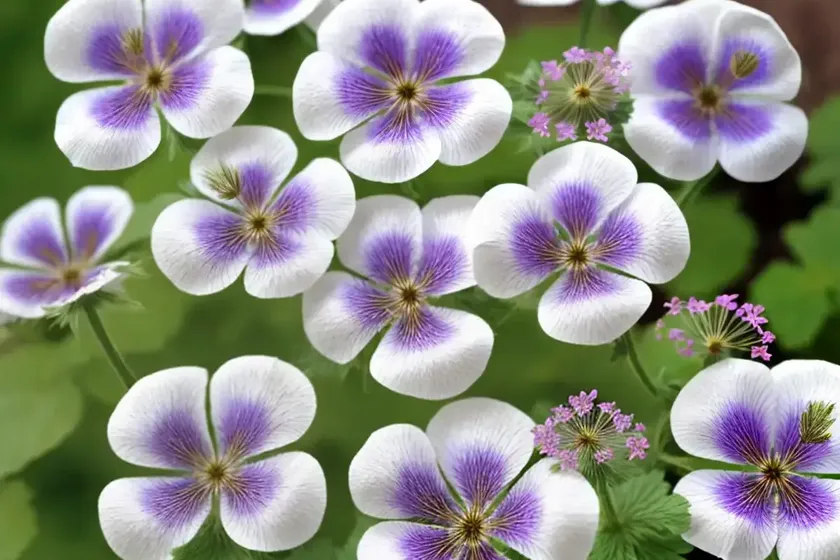
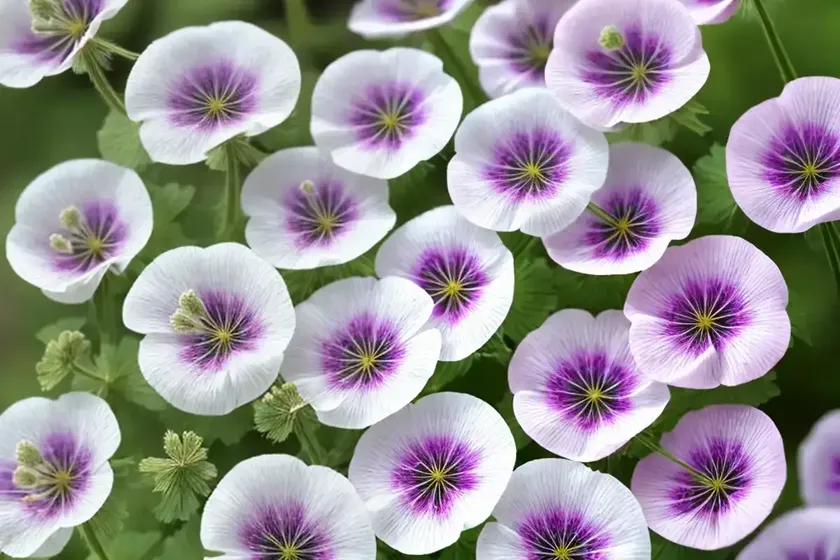
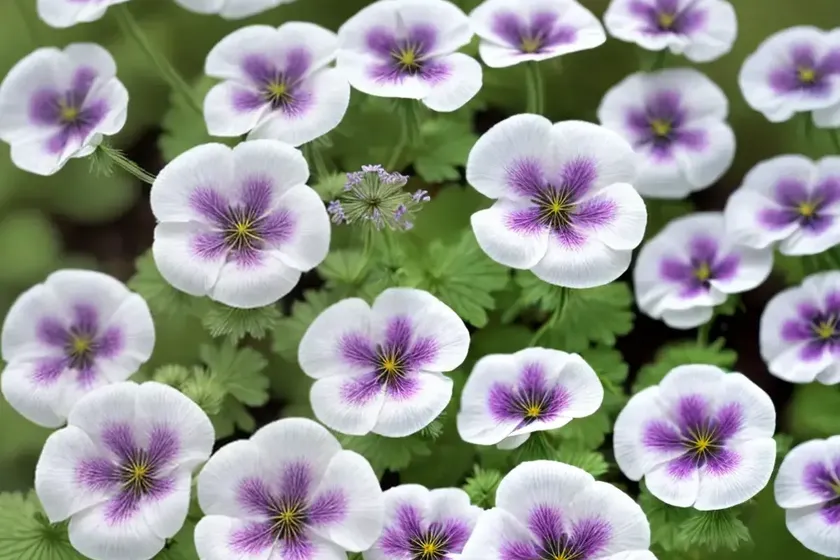
Geranium clarkei ‘Kashmir White’, also known as the Cranesbill, is a stunning perennial plant that originates from the picturesque Himalayan region. Known for its delicate, pure white flowers and deeply lobed, lush green foliage, this plant adds a touch of elegance and tranquility to any garden or landscape.
The Cranesbill is a low-growing, spreading plant with a mounding habit, making it an excellent choice for ground cover or border plantings. Its blooms, which appear in late spring to early summer, are a sight to behold, attracting pollinators and bringing a sense of natural beauty to outdoor spaces.
Key Characteristics of Geranium clarkei ‘Kashmir White’:
- Flower Color: White
- Foliage: Deeply lobed, green
- Height: 12-18 inches
- Spread: 18-24 inches
- Growth Habit: Mounding, spreading
- Bloom Time: Late spring to early summer
- Landscape Uses: Ground cover, border plantings, rock gardens, containers
Now that we have acquainted ourselves with the basic characteristics of the Geranium clarkei ‘Kashmir White’, let’s explore its cultural requirements and how to best care for this enchanting plant.
Culture
The cultural requirements of Geranium clarkei ‘Kashmir White’ play a pivotal role in its overall health and vigor. Understanding its needs for water, sunlight, soil, and other factors is essential for creating an environment where it can thrive.
Uses
Landscape Design: The Geranium clarkei ‘Kashmir White’ is a versatile plant that serves various purposes in landscape design. Its low-growing, spreading habit makes it an excellent candidate for ground cover, particularly in areas where a carpet of delicate white flowers is desired. Additionally, it can be used as a border plant to edge garden beds or pathways, providing a soft and elegant delineation.
Rock Gardens: The Cranesbill’s adaptability and charm make it an ideal addition to rock gardens. Its ability to flourish in well-drained, rocky conditions is a perfect fit for these specialized garden settings, where it can cascade over rocks and crevices, adding a natural and picturesque element.
Containers: While Geranium clarkei ‘Kashmir White’ is often celebrated for its performance in the ground, it also excels in containers. Whether planted alone or combined with other complementary flowers and foliage, this plant brings a touch of sophistication to outdoor potted displays.
Water
Adequate water is essential for the health and vitality of Geranium clarkei ‘Kashmir White’. While it is relatively drought-tolerant once established, consistent moisture is crucial, especially during periods of active growth and flowering.
Watering Tips:
- Established Plants: Water deeply and infrequently, allowing the soil to dry out slightly between watering sessions.
- Container-Grown Plants: Check the moisture levels regularly and water when the top inch of soil feels dry to the touch.
- Avoid Overwatering: While maintaining consistent moisture is important, it is equally crucial to prevent waterlogged conditions, which can lead to root rot and other issues.
Sunlight
The Cranesbill thrives in a variety of lighting conditions, making it suitable for both full sun and partial shade settings.
Sunlight Guidelines:
- Full Sun: Ideally, provide at least 6-8 hours of direct sunlight per day for optimal blooming and overall plant vigor.
- Partial Shade: In hotter climates, providing some afternoon shade can benefit the plant, particularly during the peak of summer.
Understanding your specific climate and the intensity of sunlight in your garden will help you determine the best placement for Geranium clarkei ‘Kashmir White’ to ensure its success.
Fertilizer
While Geranium clarkei ‘Kashmir White’ is not excessively demanding in terms of fertilizer needs, providing some nutritional support can promote healthier foliage and abundant blooms.
Fertilizing Recommendations:
- Organic Matter: Incorporate organic compost or well-rotted manure into the soil before planting to enrich the growing medium.
- Slow-Release Fertilizer: Apply a balanced, slow-release fertilizer in early spring to provide a steady supply of nutrients throughout the growing season.
- Avoid Excessive Nitrogen: When selecting a fertilizer, opt for one with a lower nitrogen content to prevent overstimulation of foliage growth at the expense of flower production.
By providing a balanced and moderate approach to fertilization, you can support the Cranesbill’s overall well-being without overloading it with excessive nutrients.
Soil
The soil requirements of Geranium clarkei ‘Kashmir White’ are relatively straightforward, emphasizing the need for well-drained, fertile soil to encourage healthy growth and flowering.
Soil Conditions:
- Well-Drained: Ensure that the planting site offers good drainage to prevent waterlogging, which can be detrimental to the plant’s root system.
- Moisture-Retentive: While drainage is crucial, the soil should also retain enough moisture to sustain the plant, especially during periods of active growth.
- pH Range: The Cranesbill thrives in slightly acidic to neutral soil, with a pH range of 6.0-7.0 being ideal for optimal performance.
Amending the soil with organic matter and ensuring proper drainage will create an environment where Geranium clarkei ‘Kashmir White’ can flourish and showcase its delightful blooms.
Pruning
Pruning plays an essential role in maintaining the appearance and vigor of Geranium clarkei ‘Kashmir White’, helping to manage its growth, encourage new blooms, and prevent overcrowding.
Pruning Guidelines:
- Deadheading: Regularly remove spent flowers to promote continuous blooming and prevent the plant from diverting energy into seed production.
- Renewal Pruning: In late summer or early fall, consider a gentle shearing of the foliage to encourage fresh growth and maintain a compact, tidy appearance.
- Division: Every few years, divide mature clumps to rejuvenate the plant, improve its overall health, and propagate new specimens for additional planting areas.
By incorporating regular pruning and maintenance practices, you can ensure that Geranium clarkei ‘Kashmir White’ remains a vibrant and beautiful presence in your garden year after year.
Propagation
Propagating Geranium clarkei ‘Kashmir White’ allows you to expand your plant collection and share the beauty of this variety with others. There are several effective methods for propagating the Cranesbill, each offering its unique advantages.
Propagation Techniques:
- Division: In early spring or fall, carefully divide established clumps, ensuring that each division has a healthy root system and several shoots. Replant the divisions in suitable locations, providing them with adequate water and care to support their establishment.
- Stem Cuttings: Select healthy, non-flowering stems and take cuttings of approximately 3-4 inches in length. Remove the lower leaves and insert the cuttings into a well-draining potting mix. Keep the cuttings consistently moist and provide gentle bottom heat to encourage root development.
With the proper care and attention, propagated Geranium clarkei ‘Kashmir White’ specimens can thrive and bring joy to new areas of your garden or landscape.
Container Popularity
Geranium clarkei ‘Kashmir White’ has gained popularity among gardeners for its exceptional performance in containers.
Container Gardening Tips:
- Well-Draining Soil: Use a high-quality potting mix that offers good drainage to prevent waterlogging and ensure healthy root development.
- Adequate Size: Select a container that allows ample space for the plant’s root system to grow and accommodate its spreading habit.
- Watering Needs: Container-grown plants may require more frequent watering, especially during periods of active growth and flowering.
- Fertilization: Apply a liquid fertilizer at half-strength every 4-6 weeks during the growing season to provide essential nutrients to the plant.
By embracing container gardening, you can enjoy the beauty of Geranium clarkei ‘Kashmir White’ in various settings, from small balconies and patios to expansive outdoor spaces.
Common Diseases
While Geranium clarkei ‘Kashmir White’ is relatively resistant to many common plant diseases, there are still a few issues to watch out for to ensure the plant’s continued well-being.
Common Diseases:
- Powdery Mildew: A fungal disease that can affect the foliage, causing a powdery white coating and potentially weakening the plant. Ensure good air circulation and avoid overhead watering to reduce the risk of powdery mildew.
- Botrytis Blight: This fungal disease can lead to brown spots on the leaves and flowers, often spurred by prolonged periods of high humidity. Maintain proper spacing between plants and remove any affected foliage promptly.
Implementing good cultural practices, such as proper watering, adequate spacing, and vigilant monitoring, can significantly reduce the risk of disease and ensure the long-term health of Geranium clarkei ‘Kashmir White’.
Common Pests
While relatively resistant to pests, it is essential to remain vigilant and address any potential pest issues promptly to prevent damage to Geranium clarkei ‘Kashmir White’.
Common Pests:
- Aphids: These small, soft-bodied insects can congregate on the new growth of the plant, sucking sap and potentially causing deformation or stunted growth. Use a forceful spray of water to dislodge aphids or consider natural predators, such as ladybugs, to help manage their populations.
- Spider Mites: These tiny pests can cause stippling on the foliage and create fine webbing, particularly in hot, dry conditions. Increase humidity around the plant and regularly rinse the foliage with water to discourage spider mite infestations.
By closely monitoring your plant and implementing integrated pest management strategies, you can effectively keep common pests at bay and maintain the health and beauty of Geranium clarkei ‘Kashmir White’.
Botanist’s Tips
1. Companion Planting:
Geranium clarkei ‘Kashmir White’ complements a wide range of companion plants, including:
- Lavender (Lavandula spp.): Create a serene and fragrant pairing by combining the elegant blooms of lavender with the delicate white flowers of the Cranesbill.
- Salvia (Salvia spp.): Pairing Geranium clarkei ‘Kashmir White’ with the vibrant hues of salvia can create a visually striking and lively display in the garden.
2. Wildlife Attraction:
The nectar-rich blooms of the Cranesbill attract beneficial pollinators, such as bees and butterflies, enhancing the overall biodiversity of the garden.
3. Winter Care:
In colder climates, provide a layer of mulch around the base of the plant before the onset of winter to help insulate the roots and protect them from extreme temperatures.
Fun Facts
- The name “Cranesbill” is derived from the shape of the seed head, which is said to resemble the bill of a crane.
- Geranium clarkei ‘Kashmir White’ is often praised for its deer resistance, making it a valuable addition to gardens in areas prone to deer browsing.
The Geranium clarkei ‘Kashmir White’ possesses a rich tapestry of cultural significance, practical uses, and fascinating characteristics, making it a beloved plant among gardeners and horticulturists alike. Whether utilized as a ground cover, border plant, or container specimen, its timeless appeal and adaptability continue to captivate and inspire.
Links to External Resources
For additional information, gardening tips, and inspiration for incorporating Geranium clarkei ‘Kashmir White’ into your landscape, consider exploring the following resources:
- Royal Horticultural Society – Geranium clarkei ‘Kashmir White’
- Missouri Botanical Garden – Growing and Caring for Cranesbill
- University of Maryland Extension – Geranium and Pelargonium: Care and Use as Indoor Plants
In conclusion, the timeless allure and diverse applications of Geranium clarkei ‘Kashmir White’ make it a cherished addition to gardens, landscapes, and container displays. By embracing its cultural requirements and harnessing its versatility, you can cultivate an enchanting and enduring presence in your outdoor spaces. Whether you are drawn to its elegant blooms, lush foliage, or ecological contributions, the Cranesbill continues to captivate and enhance the natural beauty of the plant kingdom.


