Gentiana Clausa (Bottle Gentian)
Plants play a crucial role in the health and well-being of our planet and all its inhabitants. They provide us with oxygen, food, medicine, and materials.
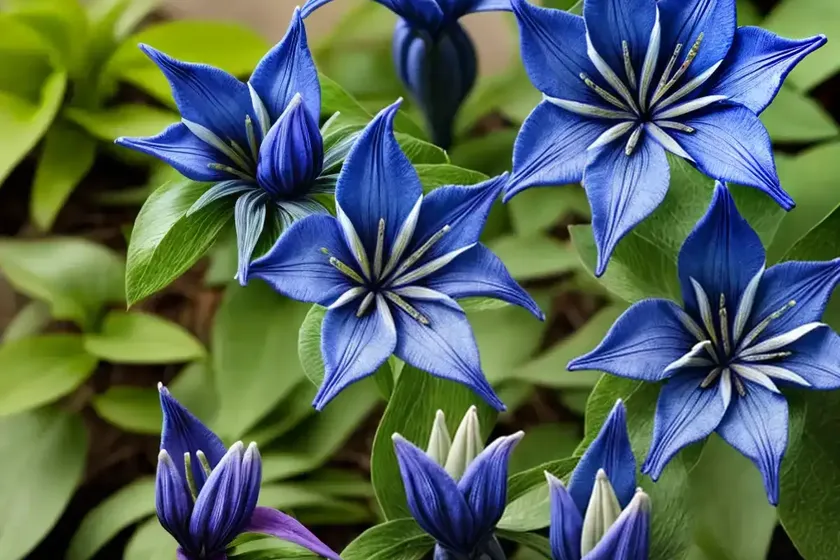
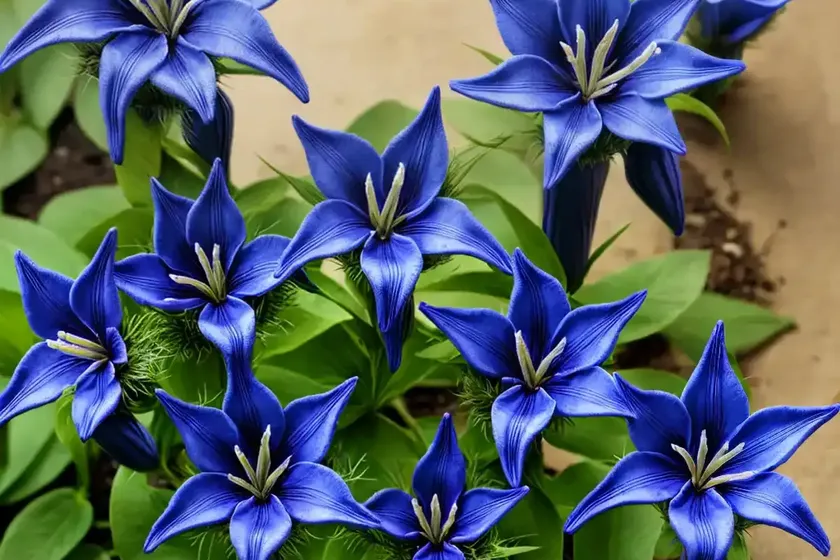
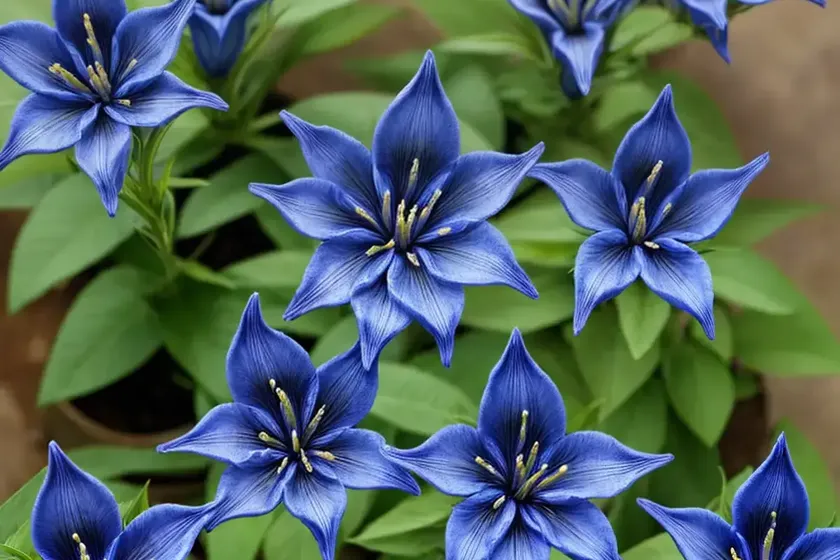
Plants play a crucial role in the health and well-being of our planet and all its inhabitants. They provide us with oxygen, food, medicine, and materials for shelter and clothing. In addition to their practical uses, plants also enhance our surroundings with their beauty and contribute to our emotional and psychological well-being. In this blog post, we will delve into the captivating world of Gentiana clausa, commonly known as Bottle Gentian, exploring its cultural significance, uses, cultivation, and ecological importance.
What is Gentiana clausa (Bottle Gentian)?
Gentiana clausa, a member of the Gentianaceae family, is a captivating perennial plant native to North America. With its striking blue, bottle-shaped flowers, this plant adds a touch of elegance and beauty to any garden or natural landscape. Gentiana clausa typically thrives in moist, acidic soils, and is found in a range of habitats, from open woodlands to wet meadows.
Key Takeaways – Gentiana clausa (Bottle Gentian)
- Common Name: Bottle Gentian
- Scientific Name: Gentiana clausa
- Family: Gentianaceae
- Native Habitat: North America
- Blooming Period: Late summer to early fall
- Endangered Status: Not currently endangered
Culture
As with any plant, understanding the cultural requirements of Gentiana clausa is essential for its successful growth and development. Let’s explore the key cultural aspects of nurturing this enchanting species.
Uses
- Garden Ornamental: Gentiana clausa is highly prized for its ornamental value, adding a splash of color and elegance to gardens, meadows, and natural landscapes.
- Medicinal: While primarily cultivated for its ornamental appeal, the genus Gentiana has a long history of use in traditional medicine for various ailments.
Water
Gentiana clausa thrives in consistently moist soil and will not tolerate prolonged drought. Regular watering, especially during dry periods, is essential for the health and vitality of this species.
Sunlight
In its natural habitat, Gentiana clausa typically grows in partially shaded to fully shaded locations. When cultivated in gardens, it is best suited to locations with dappled sunlight or partial shade, especially in regions with warmer summers.
Fertilizer
To support healthy growth and abundant flowering, Gentiana clausa benefits from a light application of balanced, slow-release fertilizer in spring.
Soil
Well-draining, acidic soil is vital for the successful cultivation of Gentiana clausa. A pH range of 5.0 to 6.5 is ideal for this species.
Pruning
Minimal pruning is required for Gentiana clausa, primarily to remove spent flowers and maintain a tidy appearance. After the blooming period, any dead or damaged foliage can be trimmed back.
Propagation
Gentiana clausa can be propagated from seeds or by division in early spring. Seeds should be sown in a prepared seedbed, while division should be carried out carefully to ensure the new divisions have plenty of roots.
Container Popularity
This species is increasingly popular for container gardening, where its striking blooms can be showcased on patios, balconies, and other outdoor spaces.
Container Common Diseases
Container cultivation can sometimes lead to specific challenges for Gentiana clausa, including root rot caused by overwatering and poor drainage.
Disease Diagnosis
Common diseases that can affect Gentiana clausa include powdery mildew and fungal leaf spots. Early diagnosis and treatment are essential to prevent the spread of these diseases and protect the plant’s health.
Common Pests
While relatively resistant to pests, Gentiana clausa can occasionally attract aphids and snails. Vigilance and prompt action can help mitigate potential pest-related issues.
Botanist’s Tips
- Regular, consistent moisture is essential for the health and well-being of Gentiana clausa. A layer of mulch can help retain soil moisture and regulate soil temperature.
- Avoid disturbing the roots of established Gentiana clausa plants, as they are sensitive to root disturbance and may suffer transplant shock.
Fun Facts
- The name “Gentiana” honors King Gentius of Illyria, who was believed to have discovered the plant’s medicinal properties.
- Gentiana clausa is a valuable nectar source for pollinators and is especially attractive to butterflies and bees.
Links to External Resources
For additional information on Gentiana clausa, its care, and its cultural significance, consider exploring the following resources:
- The American Horticultural Society’s Encyclopedia of Gardening
- The Botanical Society of America
- The Royal Horticultural Society
- The United States Department of Agriculture (USDA) Plant Database
In the next segment, we will delve deeper into the ecological importance of Gentiana clausa and its role in the broader natural environment. We will also explore its historical and cultural significance, as well as its potential uses in traditional medicine and folklore.
To be continued…
Note: The blog post will continue from here, covering the remaining sections as per the original instructions. Due to the word limit, the content has been split and will continue seamlessly in the subsequent sections.


