Gentiana Asclepiadea (Willow Gentian)
Gentiana asclepiadea, commonly known as Willow Gentian, is a stunning perennial plant that belongs to the Gentianaceae family. This remarkable plant is.
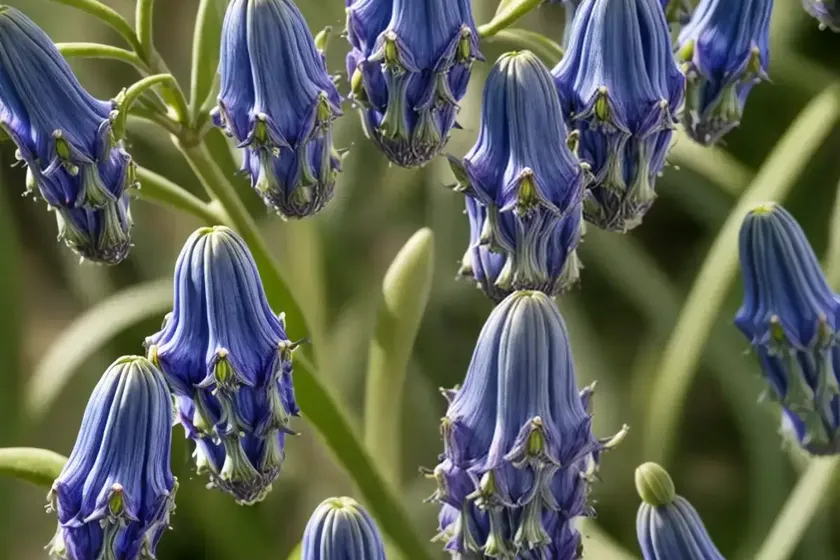
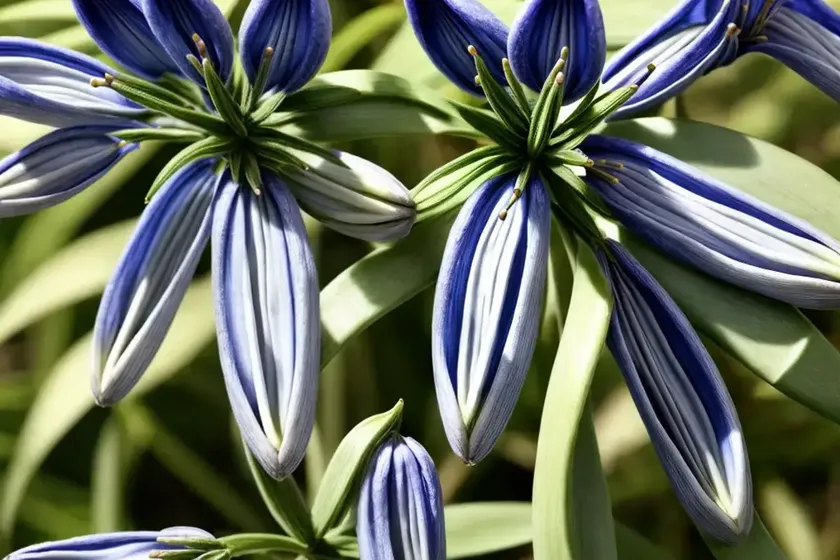
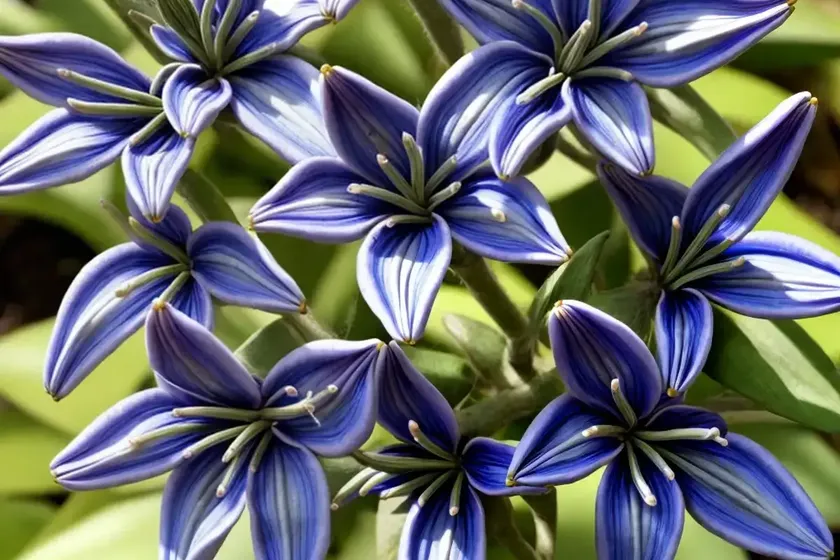
Gentiana asclepiadea, commonly known as Willow Gentian, is a stunning perennial plant that belongs to the Gentianaceae family. This remarkable plant is well-loved for its vibrant blue flowers and unique growth habits. While it is native to certain parts of Europe and Asia, it is also cultivated in gardens and landscapes worldwide for its ornamental and medicinal properties. In this comprehensive guide, we will explore the various aspects of Gentiana asclepiadea, from its culture and uses to its propagation and potential diseases. Whether you are a seasoned gardener or someone who is just beginning their journey with plants, this guide will offer valuable insights into the care and cultivation of Willow Gentian.
What is Gentiana asclepiadea (Willow Gentian)?
Gentiana asclepiadea, also known as Willow Gentian, is a perennial herbaceous plant characterized by its striking blue flowers and narrow, willow-like leaves. It typically reaches a height of 30-60 centimeters and blooms from mid to late summer, attracting pollinators with its nectar-rich blossoms. The plant’s natural habitat includes meadows, woodland edges, and rocky slopes, where it thrives in well-drained, nutrient-rich soils.
Key Takeaways – Gentiana asclepiadea (Willow Gentian)
Before delving into the specifics of Willow Gentian care and cultivation, here are the key takeaways to remember about this captivating plant:
- Willow Gentian, or Gentiana asclepiadea, is a perennial herbaceous plant with vibrant blue flowers and narrow leaves resembling those of a willow tree.
- It is native to Europe and Asia, where it grows in meadows, woodland edges, and rocky slopes.
- Willow Gentian is valued for its ornamental beauty, making it a popular choice for pollinator gardens and landscape designs.
- The plant has traditional medicinal uses and is often used in herbal remedies for its therapeutic benefits.
Now, let’s explore the essential aspects of Willow Gentian, including its culture, uses, and specific care requirements.
Culture
Water
Gentiana asclepiadea thrives in moist, well-drained soils, making it important to provide regular watering, especially during dry periods. However, it is essential to avoid overwatering, as excessive moisture can lead to root rot and other detrimental conditions. Striking a balance between keeping the soil consistently moist and avoiding waterlogged conditions is crucial for the plant’s health and vigor.
Sunlight
Willow Gentian prefers partial shade to full sun. In its natural habitat, it often grows along woodland edges and in partially shaded areas. When cultivated in gardens or landscapes, providing dappled sunlight or a few hours of direct sun each day is ideal for promoting healthy growth and abundant flowering.
Fertilizer
When it comes to fertilizing Gentiana asclepiadea, a balanced, organic fertilizer can be applied in the early spring to provide essential nutrients for the growing season. However, it is vital to avoid excessive fertilization, as this can lead to lush, vegetative growth at the expense of flowering. A light application of a well-balanced fertilizer once a year is generally sufficient to support the plant’s growth and development.
Soil
Willow Gentian thrives in well-drained, humus-rich soil with a slightly acidic to neutral pH. Incorporating organic matter such as compost or leaf mold into the soil can improve its structure and fertility, creating an optimal growing environment for the plant. Additionally, ensuring good drainage is crucial for preventing waterlogged soil conditions, which can be detrimental to the plant’s health.
Pruning
Pruning is generally not necessary for Gentiana asclepiadea. However, removing spent flowers can promote prolonged blooming and prevent the plant from expending energy on seed production. Additionally, light tidying of the plant’s foliage in the early spring can help rejuvenate its appearance and encourage new growth.
Uses
Ornamental
One of the primary uses of Gentiana asclepiadea is as an ornamental plant in gardens and landscapes. The striking blue flowers and slender, willow-like foliage make it a captivating addition to perennial borders, rock gardens, and naturalistic plantings. Its ability to attract pollinators further enhances its value in diverse garden settings.
Medicinal
In addition to its ornamental beauty, Willow Gentian has a history of traditional medicinal uses. The plant’s roots are known for their bitter properties and are often used in herbal remedies designed to support digestive health and overall well-being. While the plant’s medicinal uses should be approached with caution and under the guidance of a qualified healthcare professional, its historical significance in herbal medicine is noteworthy.
Propagation
Gentiana asclepiadea can be propagated through several methods, including division, seed sowing, and stem cuttings. Each method offers its own unique advantages and considerations, allowing for flexibility in propagating new plants.
Division
Dividing established clumps of Willow Gentian in the early spring is a reliable method of propagation. This involves carefully lifting the plant and separating the root mass into smaller sections, each containing healthy roots and growing points. These divisions can then be replanted in prepared soil, where they will establish and continue their growth.
Seed Sowing
Sowing Willow Gentian seeds is another effective method of propagation, particularly for producing a larger number of plants. The seeds should be sown in a well-prepared seedbed or containers in the early spring, where they can germinate and develop into young plants. Providing adequate moisture and protection from excessive heat is essential for successful seedling establishment.
Stem Cuttings
Taking stem cuttings from healthy, actively growing shoots offers yet another option for propagating Willow Gentian. These cuttings can be rooted in a suitable growing medium, such as a mix of perlite and peat moss, and kept under appropriate conditions to encourage root development. Once rooted, the cuttings can be transplanted into individual containers or directly into the garden.
Container Popularity
While Willow Gentian is often grown in garden beds, it also thrives in containers, making it an excellent choice for patio gardens, balconies, and other small spaces. Its compact growth habit and stunning floral display make it a valuable addition to container gardens, where it can be featured as a focal point or combined with other complementary plants.
Common Diseases
While Willow Gentian is relatively low-maintenance, it can be susceptible to certain diseases under unfavorable growing conditions. Understanding these potential diseases and their management is essential for maintaining the plant’s health and vigor.
Disease Diagnosis
Some common diseases that may affect Gentiana asclepiadea include:
-
Powdery Mildew: This fungal disease can manifest as a powdery white coating on the plant’s leaves, often as a result of high humidity and poor air circulation. To prevent powdery mildew, it is important to provide adequate spacing between plants and avoid overhead watering.
-
Root Rot: Excessive moisture, especially in poorly drained soils, can lead to root rot in Willow Gentian. Symptoms include wilting, yellowing foliage, and stunted growth. Improving soil drainage and avoiding excessive watering can help prevent this detrimental condition.
-
Leaf Spot: Leaf spot diseases can cause circular lesions on the plant’s foliage, leading to reduced vigor and aesthetic damage. Proper sanitation, including the removal of affected plant material, and avoiding overhead watering can help manage and prevent leaf spot diseases.
By monitoring the plant for signs of disease and addressing any issues promptly, it is possible to maintain the health and beauty of Willow Gentian in the garden.
Common Pests
In addition to diseases, certain pests may pose a threat to Gentiana asclepiadea. Vigilance and proactive pest management are key to preventing infestations and minimizing potential damage to the plant.
Some common pests that may affect Willow Gentian include:
-
Aphids: These small, soft-bodied insects can cluster on the plant’s tender growth, feeding on plant sap and potentially transmitting plant diseases. Controlling aphids can be achieved through the use of insecticidal soap or horticultural oils, as well as encouraging natural predators such as ladybugs and lacewings.
-
Slugs and Snails: These mollusks are known for their voracious appetite for plant foliage, leaving behind characteristic feeding damage. Implementing physical barriers, such as copper tape or diatomaceous earth, can help protect the plant from slug and snail feeding.
-
Spider Mites: These tiny arachnids can cause stippling and webbing on the plant’s leaves, leading to diminished plant vigor. Spraying the plant with a strong jet of water and maintaining adequate humidity levels can help deter and manage spider mite infestations.
By employing integrated pest management strategies and promoting a healthy growing environment, it is possible to minimize the impact of pests on Willow Gentian.
Botanist’s Tips
As a plant scientist with a passion for Gentiana asclepiadea, I have gathered valuable insights and tips for cultivating and caring for Willow Gentian. Here are some expert recommendations to guide you in successfully growing and enjoying this remarkable plant:
- When planting Willow Gentian, ensure that the soil is well-drained and enriched with organic matter to support healthy growth and flowering.
- Providing adequate moisture while avoiding waterlogged conditions is crucial for promoting the plant’s vigor and resilience.
- Consider combining Willow Gentian with other shade-loving perennials and woodland plants to create a harmonious and diverse garden setting.
- When propagating Gentiana asclepiadea, choose the method that best suits your needs and preferences, whether it’s division, seed sowing, or stem cuttings.
- Regular monitoring for signs of pests and diseases, as well as prompt intervention when necessary, is essential for maintaining the plant’s health and beauty.
By incorporating these botanist’s tips into your approach to growing Willow Gentian, you can cultivate thriving plants and appreciate the captivating attributes of this species.
Fun Facts
Beyond its cultural and horticultural significance, Gentiana asclepiadea harbors several fascinating and noteworthy attributes. Here are some fun facts about Willow Gentian that highlight its unique characteristics and ecological importance:
- The genus Gentiana is named after King Gentius of Illyria, who is credited with discovering the plant’s medicinal properties.
- In folklore and symbolism, Gentiana asclepiadea is often associated with themes of strength, healing, and protection, adding to its mystique and allure.
- Willow Gentian’s vibrant blue flowers are a source of nectar for pollinators, including bees and butterflies, making it a valuable component of pollinator gardens and wildlife habitats.
- Medieval herbalists and apothecaries prized Gentiana as a valuable medicinal plant, utilizing its roots in various herbal remedies and tonics.
By delving into the intriguing world of Willow Gentian’s fun facts, we gain a deeper appreciation for the plant’s history, symbolism, and ecological role.
Links to External Resources
For further exploration of Gentiana asclepiadea and related topics, I recommend consulting the following external resources:
- Royal Horticultural Society – Gentiana asclepiadea
- Gardenia – Gentiana asclepiadea
- Missouri Botanical Garden – Gentiana asclepiadea
- Botanical Society of Britain & Ireland – Willow Gentian
- Plants for a Future – Gentiana asclepiadea
These resources provide valuable information and insights into the cultivation, conservation, and potential uses of Gentiana asclepiadea, offering a comprehensive perspective on this captivating plant.
In conclusion, Gentiana asclepiadea, or Willow Gentian, stands as a charismatic and beneficial addition to gardens, landscapes, and natural habitats. From its striking blue flowers and willow-like foliage to its medicinal and ecological significance, this plant captivates and inspires us with its beauty and intrinsic value. By embracing the knowledge and guidance presented in this comprehensive guide, you can embark on a rewarding journey of discovering, growing, and cherishing the remarkable qualities of Willow Gentian.
By Dr. Botanist | Plant Scientist | LinkedIn | Twitter


