Gentiana Andrewsii (Closed Bottle Gentian)
Gentiana andrewsii, commonly known as Closed Bottle Gentian, is a striking and unique perennial plant favored by many gardeners and nature enthusiasts. Its.
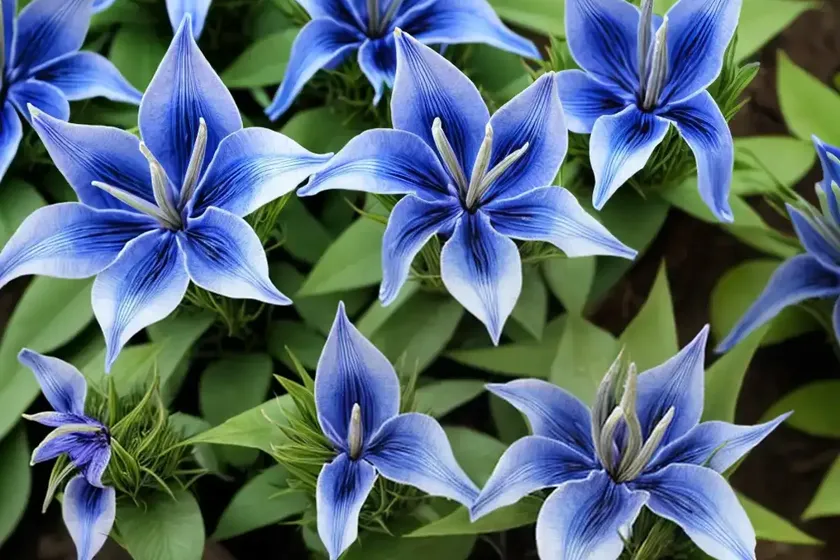
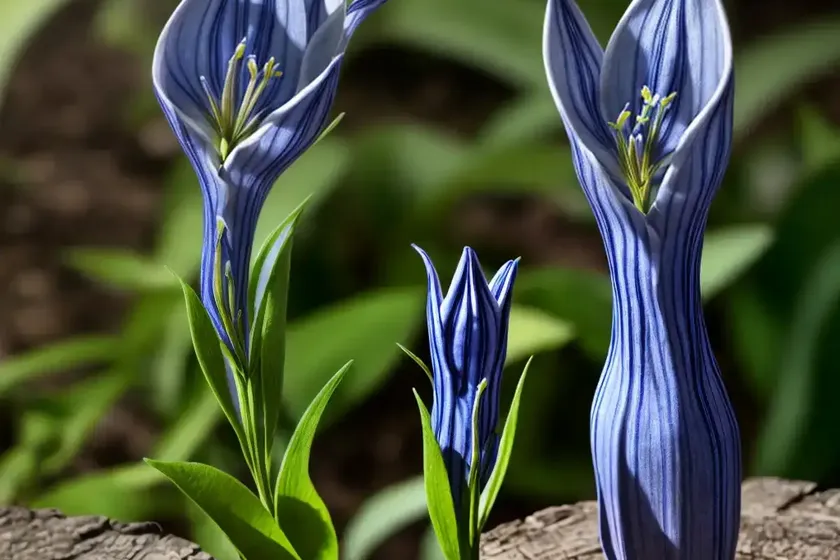
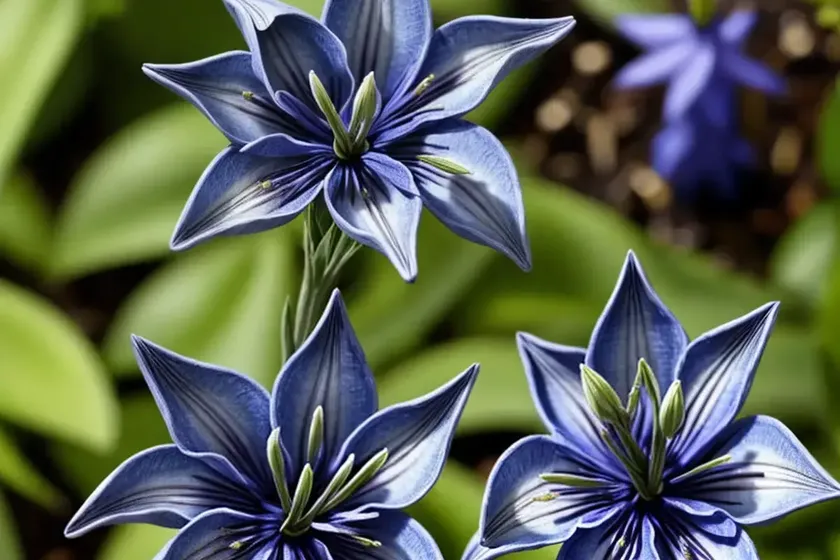
Gentiana andrewsii, commonly known as Closed Bottle Gentian, is a striking and unique perennial plant favored by many gardeners and nature enthusiasts. Its vibrant blue, bottle-shaped flowers make it a standout addition to any garden or natural landscape. In this comprehensive guide, we will explore all aspects of the Gentiana andrewsii, from its natural habitat and cultivation techniques to its ecological significance and landscape uses.
What is Gentiana andrewsii?
Gentiana andrewsii, belonging to the Gentianaceae family, is a herbaceous perennial plant native to North America. It is mainly found in the eastern and central regions of the United States and in parts of Canada. This beautiful wildflower is known for its closed, bottle-shaped blue flowers, which give it the common name “Closed Bottle Gentian.” The plant typically blooms in late summer to early fall, adding a stunning pop of color to the late-season landscape.
General Characteristics of Gentiana andrewsii
- Botanical Name: Gentiana andrewsii
- Common Name: Closed Bottle Gentian
- Plant Type: Herbaceous Perennial
- Flower Color: Blue
- Blooming Season: Late summer to early fall
- Native Range: Eastern and central United States, parts of Canada
- Habitat: Moist, open woods, meadows, and prairies
Now that we have an overview of Gentiana andrewsii, let’s delve deeper into its cultivation, care, and the multitude of benefits it offers.
Key Takeaways – Gentiana andrewsii (Closed Bottle Gentian)
Cultivation
- Hardiness Zones: 3-8
- Soil Preferences: Moist, well-drained, acidic soil
- Propagation: Seeds, division
- Watering: Regular watering, prefers consistently moist soil
Uses
- Landscape: Wildflower gardens, meadows, naturalistic landscapes
- Medicinal: Limited medicinal uses in traditional herbal medicine
- Wildlife: Attracts pollinators, provides nectar for butterflies and bees
Sunlight
- Light Requirements: Partial shade to full sun
- Sun Exposure: Tolerates some shade, benefits from morning sun and afternoon shade
Fertilizer
- Fertilization: Light feeding in early spring with a balanced fertilizer
Pruning
- Pruning Frequency: Minimal pruning required, deadheading after blooming
Container Gardening
- Suitability: Can be grown in containers
- Container Size: Deep containers to accommodate the deep root system
Common Diseases and Pests
- Diseases: Minimal susceptibility to diseases in optimal growing conditions
- Pests: Generally not prone to severe pest infestations
Maintenance
- Low maintenance: Once established, requires minimal maintenance
- Winter Care: Mulching in winter to protect root system in colder climates
Botanical Features
- Flower Structure: Closed, bottle-shaped flowers
- Leaf: Lance-shaped, glossy green leaves
- Height: Typically grows 1-2 feet tall
With these key takeaways in mind, let’s explore each aspect in detail, providing valuable insights for plant enthusiasts and gardeners looking to incorporate Gentiana andrewsii into their green spaces.
Gentiana andrewsii (Closed Bottle Gentian): In-Depth Guide
Growing Conditions and Cultivation Techniques
Gentiana andrewsii Natural Habitat
The natural habitat of Gentiana andrewsii provides essential clues for its successful cultivation in home gardens and landscapes. Closed Bottle Gentian thrives in moist, open woods, meadows, and prairies, where it benefits from well-drained, acidic soils. Understanding its native environment aids in replicating favorable growing conditions in cultivated settings.
Closed Bottle Gentian Planting Guide
When planting Gentiana andrewsii, it is crucial to choose a location with partial shade to full sun exposure. While it tolerates some shade, it generally benefits from receiving morning sun and afternoon shade. Planting in well-drained, acidic soil is essential for the plant’s establishment and sustained growth. Incorporating organic matter into the soil prior to planting can provide additional nutrients and improve soil structure, contributing to the plant’s overall vigor.
Gentiana andrewsii Flowering Season
The flowering season of Gentiana andrewsii typically occurs in late summer to early fall, adding a burst of rich, blue color to the late-season landscape. The plant’s unique bottle-shaped flowers are a remarkable sight and serve as a valuable nectar source for pollinators during this time.
Closed Bottle Gentian Medicinal Uses
Gentiana andrewsii has limited traditional medicinal uses within certain herbal medicine practices. While it is not widely utilized for medicinal purposes, it adds ecological and aesthetic value to natural landscapes and curated gardens.
Gentiana andrewsii Cultivation Techniques
For successful cultivation, Gentiana andrewsii requires regular watering to maintain consistently moist soil, especially during dry periods. In regions with hot summers, providing supplemental moisture can aid in the plant’s well-being. Additionally, light feeding in early spring with a balanced fertilizer can support its growth and flowering.
Closed Bottle Gentian Pollinators
The vibrant blue flowers of Gentiana andrewsii serve as a valuable nectar source for pollinators, particularly butterflies and bees. By attracting these beneficial insects, the plant contributes to the overall biodiversity and health of the surrounding ecosystem.
Gentiana andrewsii Species Information
As a member of the Gentianaceae family, Gentiana andrewsii is part of a diverse group of plants known for their striking flowers and often bitter properties. Understanding its taxonomic classification and related species can provide valuable insights into its evolutionary history and ecological significance.
Closed Bottle Gentian Habitat Requirements
In its natural habitat, Gentiana andrewsii thrives in moist, open woodlands, meadows, and prairies, where it enjoys the dappled light and ample moisture. Replicating these habitat requirements in a cultivated setting can help ensure the plant’s long-term health and vigor.
Maintenance and Care Tips
Gentiana andrewsii Pruning Techniques
Minimal pruning is required for Gentiana andrewsii. After the blooming period, deadheading the spent flowers can promote a tidy appearance and potentially encourage additional blooming. However, the plant generally maintains an attractive appearance with minimal intervention.
Closed Bottle Gentian Container Gardening Tips
While Gentiana andrewsii is primarily suited for naturalistic landscapes and wildflower gardens, it can also be grown in containers. When selecting containers for this plant, deep pots that accommodate its deep root system are recommended to support its growth and development.
Gentiana andrewsii Soil Preferences
In terms of soil preferences, Gentiana andrewsii thrives in moist, well-drained, and acidic soils. Ensuring proper soil conditions is essential for the plant’s overall health and vitality, as it relies on a well-aerated root environment for sustained growth.
Closed Bottle Gentian Wildlife Interactions
Gentiana andrewsii serves as an essential nectar source for pollinators, attracting butterflies and bees to its vibrant blue flowers. By supporting local wildlife populations, the plant contributes to the ecological richness of the surrounding landscape.
Gentiana andrewsii Seasonal Changes
Throughout the growing season, Gentiana andrewsii undergoes notable seasonal changes, from its emergence in spring to its vibrant bloom in late summer and fall. Understanding these seasonal shifts in the plant’s growth and development can offer valuable insights for anticipating its needs and requirements.
Closed Bottle Gentian Landscape Uses
Gentiana andrewsii is well-suited for incorporation into wildflower gardens, meadows, and naturalistic landscapes. Its striking blue flowers add visual interest and ecological value, making it a favored choice for those seeking to enhance biodiversity and aesthetic appeal in their outdoor spaces.
Gentiana andrewsii Common Pests and Diseases
While Gentiana andrewsii is generally resilient to severe pest infestations and diseases, monitoring for potential stressors, such as poor drainage or overwatering, can help mitigate the risk of issues. A healthy, well-cared-for plant is better equipped to resist pests and diseases.
Botanist’s Tips and Fun Facts
Gentiana andrewsii Companion Plants
When selecting companion plants for Gentiana andrewsii, consider species that share similar growing requirements, such as moist, well-drained soil and partial shade to full sun exposure. Species like Astilbe, Lobelia, and Tiarella can complement the striking appearance of Closed Bottle Gentian while thriving in similar environmental conditions.
Closed Bottle Gentian Unique Characteristics
The closed, bottle-shaped flowers of Gentiana andrewsii are a standout feature, drawing attention and admiration from gardeners and nature enthusiasts. Additionally, its glossy green leaves and relatively compact growth habit make it a versatile and visually appealing addition to diverse landscape settings.
Gentiana andrewsii Growth Patterns
Gentiana andrewsii typically forms clumps of foliage with upright stems bearing the distinctive blue flowers. Understanding its growth patterns can aid in planning and designing garden spaces to accommodate its mature size and shape.
Closed Bottle Gentian Pruning Frequency
The minimal pruning requirements for Gentiana andrewsii contribute to its low-maintenance nature. Occasional deadheading after the blooming period is typically all that is needed to maintain a tidy appearance. This makes it an excellent choice for gardeners seeking low-intervention plant options.
Gentiana andrewsii Container Gardening Tips
When growing Gentiana andrewsii in containers, consider arranging it alongside complementary plants with similar moisture and light requirements. Incorporating it into container gardens can offer flexibility and the opportunity to appreciate its unique beauty up close.
Closed Bottle Gentian Folklore and Symbolism
In folklore and traditional symbolism, Gentiana andrewsii may have various meanings attributed to it, reflecting its cultural significance throughout history. Exploring the folklore and symbolism associated with this plant can add an additional layer of intrigue to its presence in the landscape.
Closing Thoughts
Gentiana andrewsii, or Closed Bottle Gentian, stands as a captivating and alluring plant, offering much to both cultivated landscapes and natural ecosystems. From its striking blue flowers to its role as a pollinator attractant, this herbaceous perennial carries both aesthetic and ecological value. By understanding its natural habitat, cultivation techniques, and landscape uses, we can further appreciate the magnificence and significance of Gentiana andrewsii in the world of plants and gardens.
As we celebrate the diverse and wondrous plant species that grace our planet, let’s continue to explore, learn, and cultivate a deeper connection with nature, one beloved species at a time.
References
- Flora of North America Association. (1993). Flora of North America North of Mexico. New York and Oxford: Oxford University Press.
- Great Plant Picks. (n.d.). Gentiana andrewsii. https://www.greatplantpicks.org/plantlists/view/609
- United States Department of Agriculture. (n.d.). Plants Database: Gentiana andrewsii.
https://plants.usda.gov/core/profile?symbol=gean3


