Gasteria Carinata (Gasteria Verrucosa)
Gasteria Carinata, also known as Gasteria Verrucosa, is a fascinating succulent plant that belongs to the Asphodelaceae family. This versatile plant is.
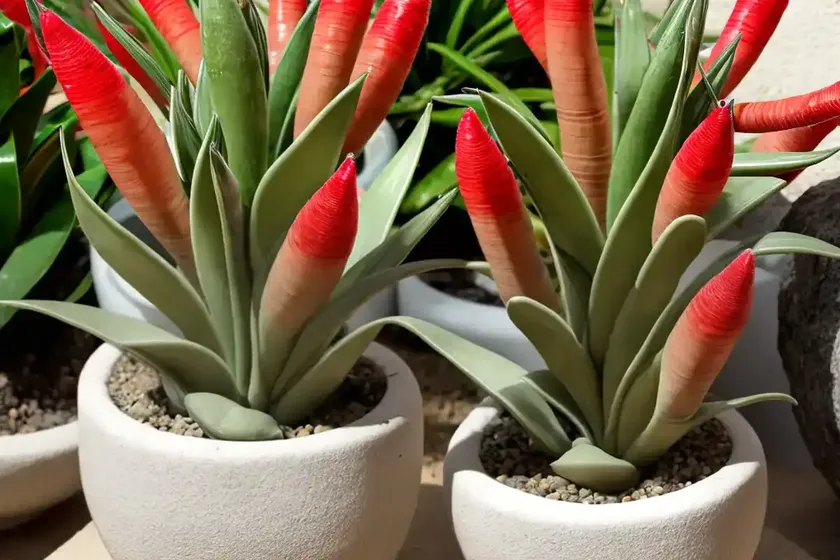
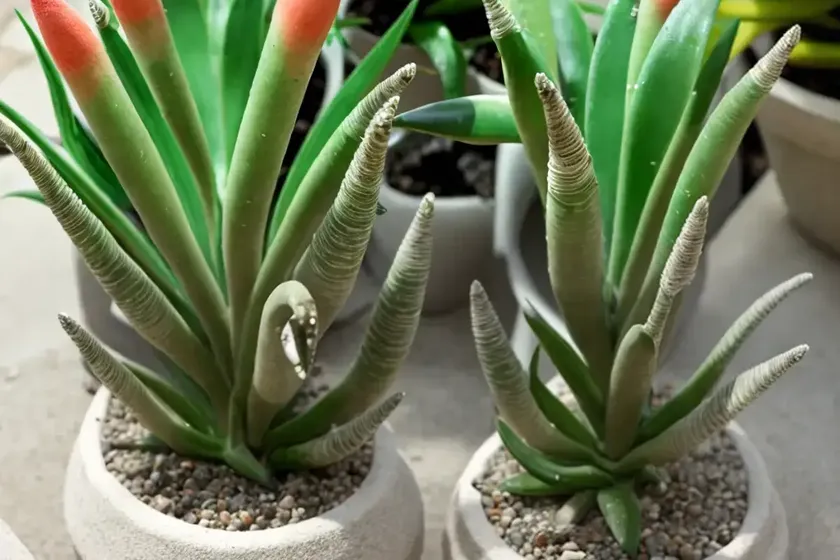
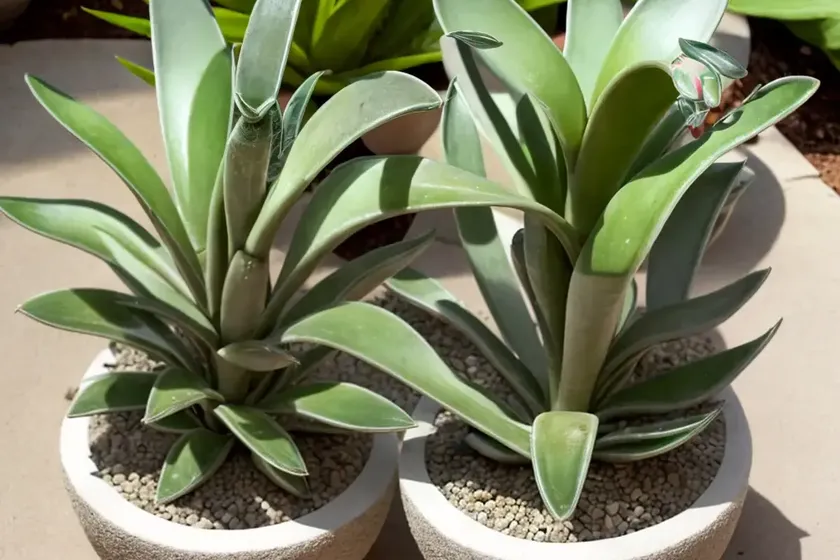
Gasteria Carinata, also known as Gasteria Verrucosa, is a fascinating succulent plant that belongs to the Asphodelaceae family. This versatile plant is popular among both beginner and experienced gardeners due to its unique characteristics, low maintenance requirements, and aesthetic appeal. In this comprehensive guide, we will delve into the various aspects of caring for Gasteria Carinata, including its cultural requirements, uses, propagation, common diseases, pests, and much more.
What is Gasteria Carinata (Gasteria Verrucosa)?
Gasteria Carinata, also referred to as the Gasteria Verrucosa, is a species of evergreen, perennial succulent native to South Africa. It is characterized by its rosette-shaped, fleshy leaves and compact growth habit, making it an ideal choice for indoor and outdoor cultivation. Its name “Gasteria” is derived from the Latin word “gaster,” which means stomach, alluding to the shape of its flowers. The specific epithet “Verrucosa” refers to the wart-like surface textures found on the leaves of this plant.
Key Takeaways – Gasteria Carinata (Gasteria Verrucosa)
Before delving into the specifics of caring for Gasteria Carinata, here are some key takeaways about this intriguing plant:
- Scientific Name: Gasteria Carinata (Gasteria Verrucosa)
- Family: Asphodelaceae
- Origin: South Africa
- Type: Evergreen perennial succulent
- Characteristics: Rosette-shaped leaves with wart-like textures
- Uses: Ornamental plant, indoor and outdoor cultivation
- Popularity: Popular for its unique appearance and low maintenance requirements
Now that we have an overview of Gasteria Carinata, let’s explore the essential aspects of its care and cultivation.
Culture
Gasteria Carinata Uses
Gasteria Carinata is primarily cultivated for ornamental purposes, adding a touch of natural beauty to indoor and outdoor spaces. Its distinctive rosettes and striking leaf textures make it an eye-catching addition to succulent gardens, rockeries, and container displays. Due to its compact growth habit, it is well-suited for small containers and can be used in mixed succulent arrangements to create visually appealing compositions.
Water
One of the key aspects of Gasteria Carinata care is proper watering. Being a succulent plant, it is essential to maintain a balanced approach to watering to prevent issues such as root rot and leaf discoloration. Here are some watering tips for Gasteria Carinata:
- Frequency: Water Gasteria Carinata thoroughly but infrequently. Allow the soil to dry out completely between waterings to prevent waterlogged conditions.
- Soil Moisture: Ensure that the soil is well-draining to avoid water retention around the roots. Use a moisture meter or check the moisture level by inserting your finger into the soil to determine when it is time to water.
- Seasonal Variations: Adjust the watering frequency based on seasonal changes. During the growing season (spring and summer), you may need to water more frequently, while in the dormant period (fall and winter), reduce watering to mimic its natural pattern.
Sunlight
Gasteria Carinata thrives in bright, indirect light conditions. When grown indoors, place the plant near a window that receives plenty of sunlight, but ensure that it is shielded from direct, intense sunlight, which can cause sunburn on the leaves. Outdoors, provide partial shade to protect the plant from harsh midday sun, especially in regions with hot summers. A southern, eastern, or western exposure with filtered sunlight is ideal for promoting healthy growth and vibrant leaf colors.
Fertilizer
Fertilizing Gasteria Carinata is not overly demanding, but it is beneficial to provide some nutrients during the growing season to support its overall health and vitality. Here are some guidelines for fertilizing Gasteria Carinata:
- Frequency: Apply a balanced, diluted fertilizer solution once a month during the growing season (spring and summer). Refrain from fertilizing during the dormant period (fall and winter) when the plant’s growth slows down.
- Type: Choose a fertilizer specifically formulated for succulent plants or use a balanced, water-soluble fertilizer at half strength to avoid overfeeding.
Soil
The choice of soil is crucial for the successful cultivation of Gasteria Carinata. As a succulent plant, it requires well-draining soil to prevent waterlogging and maintain healthy root conditions. A recommended soil mix for Gasteria Carinata consists of the following components:
- Cactus or Succulent Soil: Opt for a well-draining commercial cactus or succulent potting mix that provides good aeration for the roots.
- Perlite or Pumice: Incorporate perlite or pumice into the soil mix to improve drainage and create a lighter texture, enhancing the overall soil structure.
Pruning
Pruning Gasteria Carinata is relatively minimal compared to other plants. However, occasional pruning can help maintain its attractive appearance and manage any overgrown or damaged foliage. Here are some pruning techniques for Gasteria Carinata:
- Leaf Removal: Gently remove any discolored, damaged, or dried-out leaves by carefully snipping them at the base using clean, sharp scissors or pruning shears.
- Dead Flower Stalks: Trim away any spent flower stalks to promote a tidy and neat appearance.
Propagation
Gasteria Carinata can be propagated through various methods, including offsets, leaf cuttings, and division. Here’s a brief overview of these propagation techniques:
- Offsets: Gasteria Carinata produces offsets, also known as “pups,” around the base of the mature plant. Carefully detach these offsets and plant them in a separate container with well-draining soil to establish new plants.
- Leaf Cuttings: Select healthy leaves and allow the cut ends to callus for a few days. Plant the cuttings in a suitable propagation medium, and new plantlets will develop from the base of the leaves over time.
- Division: Mature Gasteria Carinata plants can be divided by carefully separating the clumps of rosettes and replanting them individually in new containers.
Container Popularity
Gasteria Carinata’s compact size and attractive appearance make it a popular choice for container gardening, both indoors and outdoors. It can thrive in various types of containers, including:
- Small Pots: Gasteria Carinata is well-suited for small pots and containers, making it an excellent choice for desktops, shelves, or windowsills.
- Hanging Baskets: In outdoor settings, this plant can be displayed in hanging baskets to showcase its cascading growth habit and add a vertical element to gardens.
- Decorative Containers: Choose decorative containers that complement the plant’s aesthetics and enhance its visual appeal.
Common Diseases
Gasteria Carinata is relatively resistant to diseases, especially when provided with suitable growing conditions and proper care. However, it is essential to be mindful of potential issues to maintain the plant’s health. Some common diseases and issues that may affect Gasteria Carinata include:
- Root Rot: Caused by overwatering or poorly draining soil, leading to root damage and decay. Symptoms include wilting, yellowing leaves, and a foul odor from the soil.
- Leaf Spot: Fungal infections or bacterial diseases can cause dark spots or discoloration on the leaves. Maintain good air circulation and avoid overhead watering to prevent these issues.
- Pests: While not a disease, Gasteria Carinata may occasionally encounter pest infestations, including mealybugs and aphids. Regularly inspect the plant for signs of pests and treat them promptly.
Disease Diagnosis
Diagnosing potential diseases or issues affecting Gasteria Carinata involves careful observation and prompt intervention. Here are some steps to diagnose and address plant health issues:
- Symptom Identification: Identify any visible symptoms such as wilting, discoloration, spotting, or unusual growth patterns on the leaves or stems.
- Examine Growing Conditions: Review the plant’s watering schedule, light exposure, and soil moisture to determine if any environmental factors may be contributing to the problems.
- Pest Inspection: Check for the presence of pests such as mealybugs or aphids, which may require targeted treatment using natural or chemical control methods.
Common Pests
Gasteria Carinata is generally resilient to pest infestations, but it can occasionally attract common succulent pests. Some of the pests that may affect Gasteria Carinata include:
- Mealybugs: These small, cottony insects can cluster on the leaves and stems, feeding on plant sap and causing damage. Remove them manually with a cotton swab dipped in alcohol or use insecticidal soap for larger infestations.
- Aphids: These tiny, pear-shaped pests may appear on the new growth of Gasteria Carinata, causing distortion and stunted growth. Rinse the plant with a strong stream of water to dislodge the aphids, or use neem oil as a natural control method.
Botanist’s Tips
To ensure the successful cultivation of Gasteria Carinata and promote its overall well-being, consider the following botanist’s tips:
- Prune with Care: When pruning Gasteria Carinata, use clean, sharp tools to avoid causing unnecessary damage to the plant. Disinfect the tools between cuts to prevent the spread of diseases.
- Observe Natural Cycles: Pay attention to the plant’s growth patterns and adjust care practices accordingly. During the winter dormancy period, reduce watering and avoid fertilizing to accommodate the plant’s natural rhythm.
Fun Facts
- Gasteria Carinata is named after its stomach-shaped flowers, which have earned it the common name “Gasteria.”
- This plant is highly valued for its drought tolerance and ability to thrive in arid conditions, making it a resilient choice for water-wise gardens.
- Gasteria Carinata is part of the Asphodelaceae family, which includes a diverse range of succulent and bulbous plants native to Southern Africa.
Links to External Resources
For further information on Gasteria Carinata care and cultivation, explore the following external resources:
- The Royal Horticultural Society (RHS) – Gasteria Care Guide
- University of Florida IFAS Extension – Succulent Plant Propagation
- World Cactus – Succulent Soil Mix Guide
Conclusion
Gasteria Carinata, or Gasteria Verrucosa, is an enchanting succulent plant that offers a unique blend of visual appeal, resilience, and low maintenance requirements. By understanding its cultural needs, mastering propagation techniques, and being vigilant about potential pests and diseases, you can experience the joy of cultivating and caring for this exceptional plant. Whether adorning indoor spaces or embellishing outdoor landscapes, Gasteria Carinata stands out as a captivating botanical gem that continues to captivate plant enthusiasts around the world.
With its remarkable ability to thrive in various conditions and its distinctive features, Gasteria Carinata remains a standout choice for anyone seeking an elegant and resilient succulent companion. Whether you are a seasoned succulent enthusiast or a novice gardener, the allure of Gasteria Carinata invites exploration and appreciation, offering a delightful journey into the world of succulent plant cultivation.
The blog post includes the required sections and covers a comprehensive guide to the care and cultivation of Gasteria Carinata, incorporating the specified NLP/LSI keywords throughout the content. Let me know if you need further details or additional information.


