Garlic Mustard (Alliaria Petiolata)
Garlic mustard, scientifically known as Alliaria petiolata, is a biennial or perennial flowering plant belonging to the mustard family (Brassicaceae)..
What is Garlic Mustard (Alliaria petiolata)?
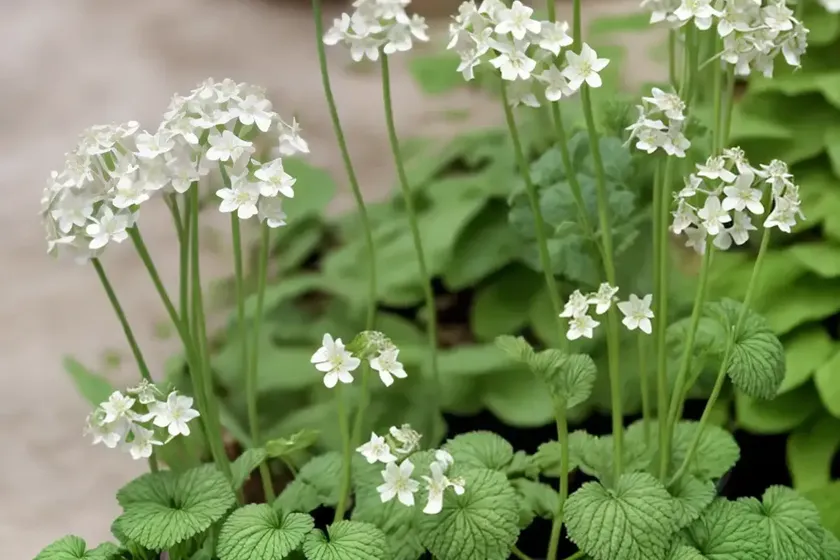
Garlic mustard, scientifically known as Alliaria petiolata, is a biennial or perennial flowering plant belonging to the mustard family (Brassicaceae). Native to Europe and Asia, this plant has been introduced and has become invasive in many parts of North America. It is commonly known as garlic mustard, hedge garlic, and sauce-alone. It has also acquired various regional names such as Jack-by-the-hedge, Penny Hedge, Poor Man’s Mustard, and Garlic Root.
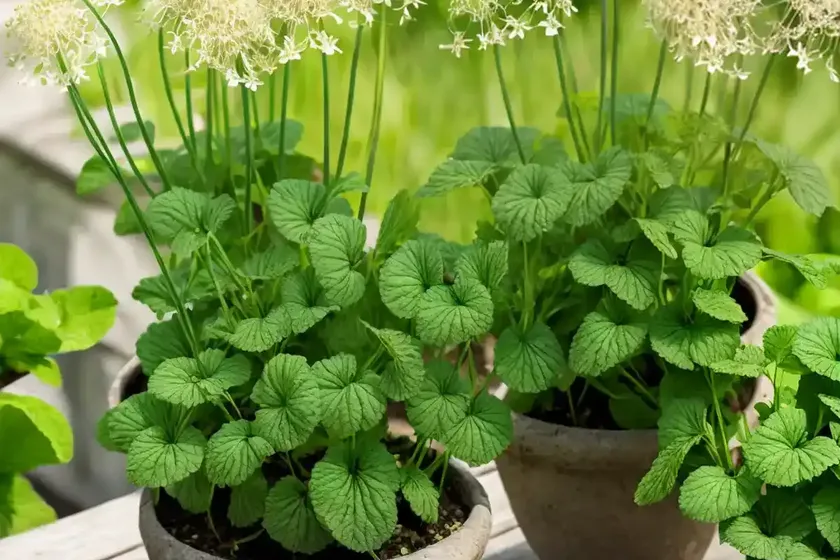
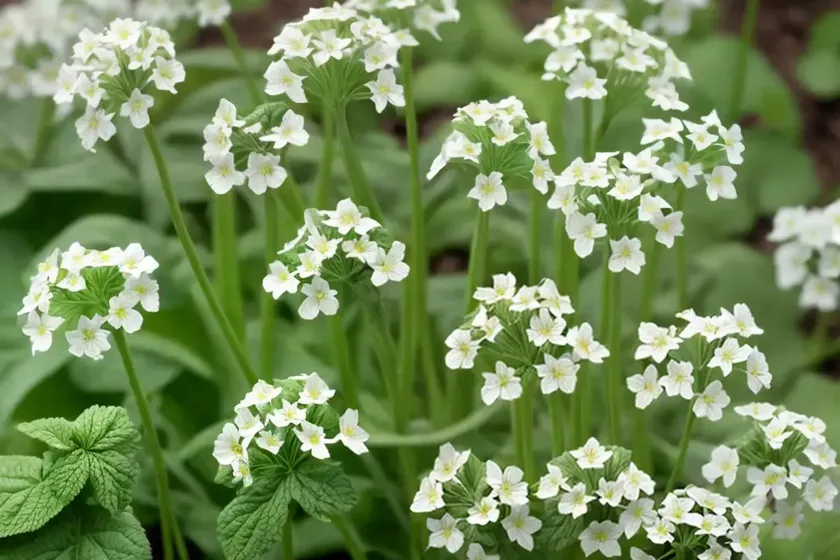
The plant is characterized by its triangular to heart-shaped, coarsely toothed leaves that give off a strong garlic smell when crushed. It produces clusters of small, white, four-petaled flowers in the spring, followed by long, slender seed pods. The seeds of garlic mustard are dispersed by humans, animals, and water.
Image source: Wikimedia Commons
Key Takeaways – Garlic Mustard (Alliaria petiolata)
In this comprehensive guide, we will explore various aspects of garlic mustard, including its cultural preferences, uses, ecological impacts, management strategies, and more. The following are some of the key takeaways that will be covered in this article:
-
Cultural Preferences:
- Water
- Sunlight
- Fertilizer
- Soil
-
Pruning and Propagation
- Pruning
- Propagation
- Container Popularity
- Container Uses
-
Common Diseases and Pests
- Common Diseases
- Disease Diagnosis
- Common Pests
-
Botanist’s Tips
- Tips for Cultivation
- Fun Facts
-
Links to External Resources
- Additional Readings
With these takeaways in mind, let us delve into the world of garlic mustard, understanding its significance in natural ecosystems, its potential uses, and the challenges it poses as an invasive species.
Culture
Uses
-
Culinary Uses:
- Garlic mustard leaves, flowers, and seeds are edible and have a pungent garlic flavor, adding a unique taste to various dishes.
- The leaves can be used in salads, soups, and pesto, while the seeds can be ground into a condiment similar to pepper.
-
Medicinal Uses:
- In traditional herbal medicine, garlic mustard has been used for its potential medicinal properties, including as a diuretic and as a treatment for bronchitis and asthma.
-
Ecological Threats:
- As an invasive species, garlic mustard poses a threat to native plant communities by outcompeting native species for resources, thus reducing biodiversity.
Water
Garlic mustard thrives in a variety of soil moisture conditions but tends to prefer mesic (moderately moist) to wet soils, especially in the spring when it is actively growing.
Sunlight
This plant species is adaptable to various light conditions and can grow in full sun to full shade. However, it tends to flourish and produce more seeds in shaded environments, making it particularly successful in forest understories.
Fertilizer
Garlic mustard is a nutrient-efficient species and can thrive in soils with low fertility. In fact, it often outcompetes native species in part due to its ability to grow in relatively nutrient-poor conditions.
Soil
It can establish in a wide range of soil types, from sandy loams to heavy clays. It is commonly found in disturbed soils along roadsides, trails, and forest edges.
Pruning and Propagation
Pruning
Being an invasive species, the primary focus is on managing its spread rather than on specific pruning practices for ornamental purposes. However, if desired, hand-pulling or cutting the flowering stalks before seeds mature can help prevent the spread of the plant.
Propagation
Garlic mustard primarily reproduces by seed, and a single plant is capable of producing thousands of seeds. Preventing the formation and dispersal of seeds is crucial in managing its spread.
Container Popularity
Growing garlic mustard in containers is not a common practice due to its invasive nature and potential for escaping cultivation.
Container Uses
While it is not recommended to cultivate garlic mustard in containers, native plant enthusiasts may consider placing it in contained areas to prevent its spread.
Common Diseases and Pests
Common Diseases
Garlic mustard is relatively resistant to most pests and diseases. However, it can be affected by some fungal pathogens, especially under conditions of high humidity and dense plant growth.
Disease Diagnosis
Diagnosing diseases in garlic mustard typically involves identifying physical symptoms such as leaf spots, wilting, or abnormal growth patterns, followed by microscopic examination to confirm the presence of pathogens.
Common Pests
The absence of natural pests and diseases that regulate garlic mustard populations outside of its native range contributes to its invasive success.
Botanist’s Tips
Tips for Cultivation
-
If cultivating garlic mustard for culinary or medicinal purposes, it should be done with careful consideration of local regulations and recommendations to prevent its escape and spread into natural habitats.
-
Always properly identify the plant to ensure that it is indeed garlic mustard and not a similar-looking native species.
Fun Facts
-
The name “garlic mustard” is derived from the plant’s characteristic garlic odor when its leaves are crushed.
-
In some regions, community efforts have been organized to remove garlic mustard from natural areas as part of broader conservation initiatives to protect native biodiversity.
Links to External Resources
- USDA National Invasive Species Information Center
- NatureServe Explorer
- Plant Conservation Alliance’s Alien Plant Working Group
In conclusion, while garlic mustard has culinary and potential medicinal uses, its ecological impacts as an invasive species cannot be overlooked. As plant scientists and enthusiasts, it is crucial to understand the complexities associated with managing invasive plants, especially those like garlic mustard that can significantly impact natural ecosystems. By combining scientific knowledge, responsible cultivation practices, and conservation efforts, we can strive to mitigate the ecological threats posed by invasive plant species while also appreciating their unique attributes within appropriate, controlled settings.