Cauliflower (Brassica Oleracea Var. Botrytis)
As a plant scientist, I have always been captivated by the fascinating world of plant species, each with its unique characteristics, uses, and cultivation.
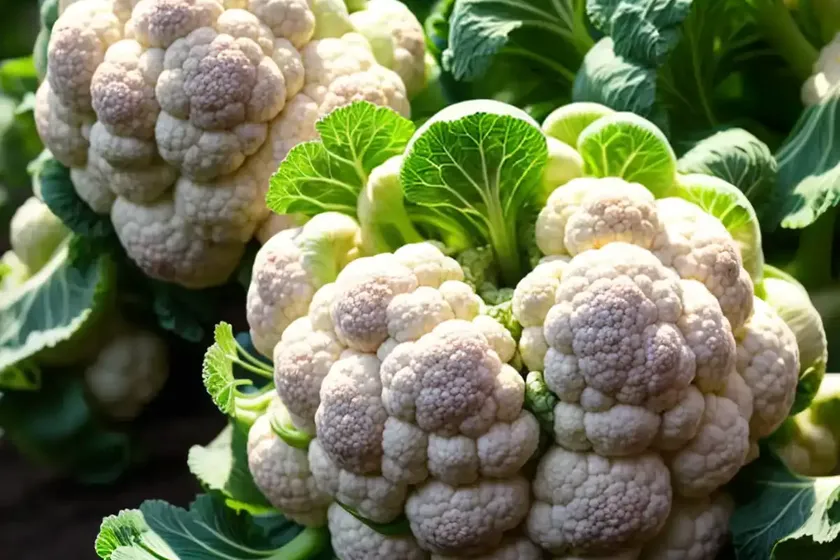
As a plant scientist, I have always been captivated by the fascinating world of plant species, each with its unique characteristics, uses, and cultivation methods. One such plant that has always intrigued me is the Cauliflower (Brassica oleracea var. botrytis). In this comprehensive guide, we will delve into the alluring realm of cauliflower, exploring its diverse cultural significance, growth requirements, common diseases and pests, and propagation techniques. Additionally, we will uncover the multiple health benefits of cauliflower, its nutritional value, and its versatile applications in various cuisines and diets.
What is Cauliflower ( Brassica oleracea var. botrytis)?
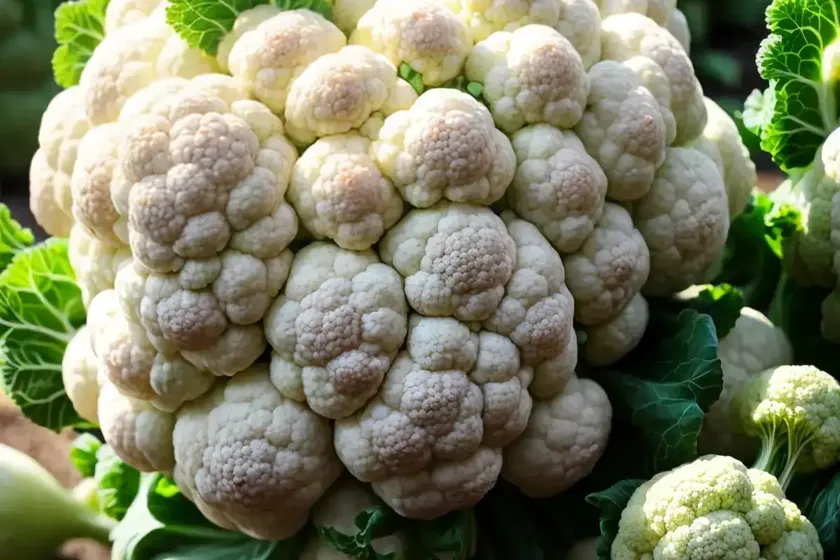
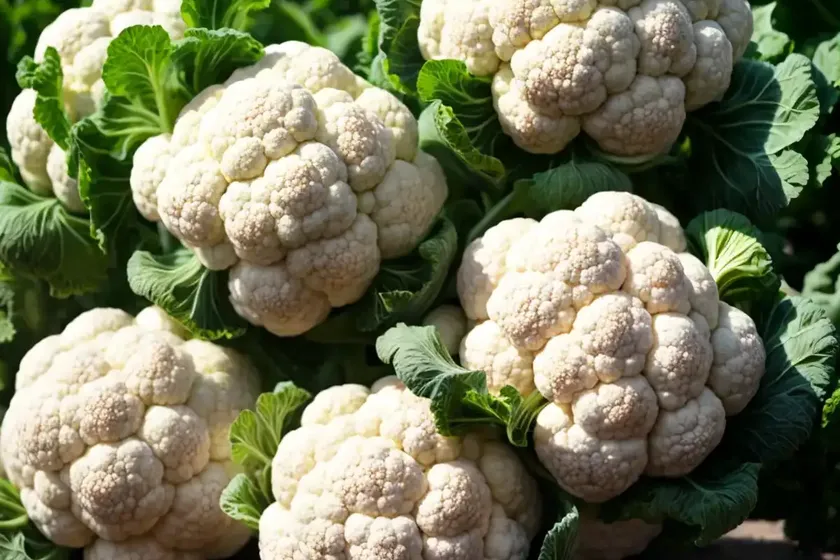
Cauliflower, formally known as Brassica oleracea var. botrytis, is a member of the Brassicaceae family, which also includes other common vegetables such as broccoli, cabbage, and Brussels sprouts. It is an annual plant that is widely cultivated for its dense cluster of unopened flower buds, which form the edible portion of the vegetable. The head, also known as the “curd,” ranges in color from pure white to vibrant purple and green, depending on the specific cultivar.
Cauliflower is believed to have originated from the Mediterranean region, with historical records suggesting its cultivation as far back as the 6th century BCE. Over the centuries, cauliflower has spread across the globe, becoming a staple ingredient in many culinary traditions, particularly in Asian, European, and North American cuisines.
Key Takeaways – Cauliflower ( Brassica oleracea var. botrytis)
Before we embark on our journey to explore the cultural significance, cultivation techniques, and health benefits of cauliflower, let’s summarize the key takeaways of this versatile vegetable:
-
Health benefits of cauliflower: Cauliflower offers a wide array of health benefits, ranging from its role in weight loss, cancer prevention, and heart health to its impact on digestive health, bone health, and its anti-inflammatory and detoxifying properties.
-
Growing cauliflower in your garden: Cultivating cauliflower in your garden requires specific cultural practices and environmental conditions to ensure a successful harvest.
-
Nutritional value of cauliflower: Cauliflower is a nutrient-dense vegetable that is rich in essential vitamins, minerals, and antioxidants.
-
How to cook cauliflower: Cauliflower can be prepared in numerous ways, including roasting, steaming, stir-frying, and transforming it into low-carb substitutes such as mashed cauliflower or cauliflower rice.
-
Cauliflower recipes: There is an abundance of cauliflower recipes, catering to various dietary preferences and culinary styles, from soups and curries to innovative uses in vegan and low-carb dishes.
-
Cauliflower as a low-carb substitute: Cauliflower can be an excellent low-carb substitute for traditional starchy ingredients, providing a versatile alternative in cooking and baking.
-
Cauliflower and weight loss: With its low calorie and carbohydrate content, cauliflower can be a valuable addition to weight loss diets.
-
Cauliflower and cancer prevention: The presence of phytochemicals and antioxidants in cauliflower contributes to its potential role in cancer prevention.
These key takeaways serve as the foundation for our exploration of cauliflower, outlining its multifaceted nature and its significance in both culinary and nutritional domains.
Cultural Significance of Cauliflower
Cauliflower holds significant cultural importance in various regions around the world, where it has been incorporated into traditional cuisines and festive dishes. Its adaptability to diverse culinary techniques has resulted in its widespread consumption and integration into a myriad of recipes. However, understanding the cultural significance of cauliflower extends beyond its culinary applications. It symbolizes elements of heritage, celebration, and sustenance in many cultures, playing a pivotal role in traditional festivities and communal gatherings.
In Indian cuisine, for instance, cauliflower, commonly known as “gobi,” features prominently in a multitude of dishes, such as Aloo Gobi, Gobi Manchurian, and Gobi Paratha. These recipes not only showcase the culinary versatility of cauliflower but also highlight its cultural symbolism within the Indian culinary landscape. Similarly, in Mediterranean cuisine, cauliflower is often celebrated in dishes such as Sicilian Cauliflower Pasta, where its unique flavor and texture contribute to the complexity of the dish.
The cultural significance of cauliflower extends beyond its culinary applications, as it becomes intertwined with the fabric of traditions, celebrations, and familial customs. Its presence in various cuisines reflects the enduring legacy of this humble yet versatile vegetable, bridging cultural divides and unifying culinary experiences across the globe.
Uses of Cauliflower
The various uses of cauliflower span from culinary applications to its incorporation in dietary and medicinal practices. Understanding the multifaceted uses of cauliflower allows us to appreciate its versatility and its relevance in both traditional and contemporary contexts.
Culinary Uses:
Cauliflower’s application in culinary endeavors is vast, ranging from being a star ingredient in main dishes to serving as a nutritious addition to side dishes and appetizers. The mild, slightly sweet flavor of cauliflower makes it a versatile vegetable that can be prepared using numerous cooking techniques, such as roasting, stir-frying, steaming, and baking. Its ability to absorb flavors and complementary spices makes it an adaptable component in a variety of recipes.
From the classic Cauliflower Cheese to the modern twist of Cauliflower Buffalo Wings, the culinary landscape of cauliflower is diverse and continually evolving. Cauliflower rice, a low-carb alternative to traditional rice, has gained immense popularity in low-carb and paleo diets, further expanding the culinary repertoire of this vegetable.
Dietary and Medicinal Uses:
Beyond its culinary applications, cauliflower has been integrated into dietary and medicinal practices, owing to its nutritional richness and potential health benefits. Cauliflower’s low calorie and carbohydrate content make it an excellent choice for individuals seeking to manage their weight without compromising on essential nutrients.
Furthermore, the presence of bioactive compounds and antioxidants in cauliflower underscores its potential role in promoting overall health and well-being. Its inclusion in detoxification diets, heart-healthy meal plans, and anti-inflammatory regimens signifies its value beyond mere sustenance.
The diverse uses of cauliflower, from enriching culinary experiences to contributing to dietary and medicinal practices, underline the integral role it plays in our quest for culinary diversity and overall well-being.
Growing Cauliflower
Cultivating cauliflower presents a rewarding opportunity to engage with the lifecycle of this remarkable vegetable, from seed germination to the harvest of its succulent curd. However, successful cauliflower cultivation requires a nuanced understanding of its growth requirements, environmental preferences, and pest and disease management. Let us embark on an exploration of the essential elements involved in growing cauliflower.
Water:
Cauliflower thrives in consistently moist soil and requires regular watering, particularly during periods of dry weather. It is crucial to maintain adequate soil moisture, as fluctuating moisture levels can lead to irregular curd development, affecting the quality of the harvest. Mulching the soil around cauliflower plants can aid in retaining moisture and regulating soil temperature, thereby promoting optimal growth conditions.
Sunlight:
Cauliflower flourishes in full sun, requiring a minimum of six hours of direct sunlight each day for robust growth and curd formation. Adequate exposure to sunlight facilitates photosynthesis, enabling the plant to synthesize essential carbohydrates and nutrients vital for curd development. Siting cauliflower in a location with ample sunlight is imperative for maximizing its growth potential and ensuring a bountiful harvest.
Fertilizer:
Promoting healthy growth and curd development in cauliflower necessitates the application of balanced fertilizers. Incorporating a nitrogen-rich fertilizer at the time of planting can provide the initial nutrient boost required for vigorous vegetative growth. As the plants mature, side-dressing with additional fertilizer can sustain their nutritional needs, facilitating the development of firm, compact curds.
Soil:
Cauliflower prefers well-draining, fertile soil with a pH range of 6.0 to 7.0, conducive to nutrient uptake and overall plant vitality. Amending the soil with organic matter, such as compost or well-rotted manure, can enhance soil structure and fertility, creating an optimal growing environment for cauliflower. Conducting a soil test prior to planting can offer valuable insights into the soil’s composition and aid in making informed decisions regarding soil amendments.
Pruning:
Pruning or thinning cauliflower plants is an essential practice aimed at promoting curd development and enhancing air circulation within the canopy. Removing excessive foliage and side shoots redirects the plant’s energy towards curd formation, resulting in larger, more well-defined curds. Pruning also minimizes the risk of disease development by reducing the density of the foliage, enabling better airflow and light penetration.
Propagation:
Cauliflower can be propagated from seeds, with the germination process typically initiated indoors several weeks before the projected outdoor planting date. Starting cauliflower seeds in seed trays or individual pots provides greater control over germination conditions, ensuring optimal temperature and moisture levels for successful seedling emergence. Once the seedlings have developed sturdy roots and several sets of true leaves, they can be transplanted into the garden, where they will continue their growth journey towards curd formation.
Container Cultivation:
For gardeners with limited space or those seeking to cultivate cauliflower in containers, selecting large, deep containers conducive to root expansion is essential. Container-grown cauliflower requires diligent attention to watering and fertilization, as the restricted soil volume can lead to rapid moisture depletion and nutrient deficiencies. Providing ample sunlight and airflow to containerized cauliflower plants is crucial for promoting healthy growth and curd development.
By understanding and diligently implementing these cultural practices, gardeners can embark on a rewarding journey of cultivating cauliflower, witnessing the transformation of seed into succulent curd.
Popularity of Cauliflower
The popularity of cauliflower has surged in recent years, driven by its versatile applications in various dietary preferences, culinary trends, and health-conscious consumer choices. Its rise to prominence can be attributed to several factors, including its nutrient density, adaptability to diverse cooking techniques, and its emergence as a sought-after low-carb substitute. Furthermore, the culinary creativity surrounding cauliflower, evidenced by innovative recipes and reinvented classics, has elevated its status from a humble vegetable to a culinary virtuoso.
Culinary Adaptability:
Cauliflower’s neutral flavor and adaptable texture make it an ideal canvas for culinary innovation, enabling chefs and home cooks to experiment with diverse flavor pairings and cooking methods. From the simplicity of roasted cauliflower with aromatic spices to the complexity of cauliflower steaks with savory sauces, the culinary adaptability of cauliflower has captured the imagination of chefs and food enthusiasts alike.
Low-Carb Revolution:
The low-carb revolution has propelled cauliflower into the spotlight, positioning it as a versatile substitute for traditional high-carbohydrate ingredients. Cauliflower’s ability to mimic the texture and appearance of starchy foods, such as rice, pizza crust, and mashed potatoes, has garnered widespread acclaim among followers of low-carb and ketogenic diets. Its role in facilitating low-carb culinary experiences has been instrumental in driving its popularity and broadening its appeal to health-conscious consumers.
Nutritional Richness:
Cauliflower’s nutritional richness, characterized by its abundance of vitamins, minerals, and antioxidants, has positioned it as a desirable component in balanced diets and wellness-focused meal plans. Its low calorie and carbohydrate content, paired with its high fiber and nutrient density, make it a valuable addition to diverse dietary regimens, ranging from weight management to heart-healthy eating patterns.
Culinary Creativity:
The surge in culinary creativity surrounding cauliflower has led to the development of innovative recipes and reinvented classics, elevating cauliflower from a supporting role to a culinary star. Dishes such as Cauliflower Shawarma, Cauliflower Alfredo, and Cauliflower Tacos showcase the ingenuity of chefs and home cooks in leveraging cauliflower’s potential to create extraordinary culinary experiences.
Global Appeal:
Cauliflower’s global appeal transcends geographical boundaries, resonating with culinary traditions and dietary preferences across diverse cultures. Its adaptability to a myriad of cuisines, from Indian and Mediterranean to Asian and Western, underscores its universal appeal and its ability to foster culinary exchange and experimentation.
The burgeoning popularity of cauliflower mirrors its transformative journey from a humble vegetable to a culinary sensation, shaping the culinary landscape and consumer choices in a world captivated by its charm.
Common Diseases of Cauliflower
Cauliflower, like many other plants, is susceptible to a range of diseases that can potentially impact its growth and overall yield. Understanding the common diseases that afflict cauliflower is crucial for implementing preventive measures and timely interventions to safeguard the health and vitality of the plants.
Disease Diagnosis:
Accurately diagnosing cauliflower diseases is pivotal for devising targeted management strategies and deploying appropriate treatments. Common symptoms of cauliflower diseases include:
-
Leaf Spot: Manifests as small, dark spots on the leaves, potentially leading to defoliation and reduced photosynthetic capacity.
-
Downy Mildew: Characterized by the presence of grayish mildew on the undersides of leaves, often accompanied by yellowing and wilt.
-
Clubroot: Results in the development of swollen, deformed roots and stunted growth, leading to diminished curd formation.
-
Black Rot: Notable for the development of dark, necrotic lesions on leaves and the curd, potentially leading to plant wilting and curd discoloration.
-
Alternaria Leaf Blight: Causes the appearance of large, brown spots on the leaves, leading to defoliation and reduced plant vigor.
Through vigilant monitoring and prompt identification of disease symptoms, growers can take preemptive measures to mitigate the impact of diseases on cauliflower crops.
Common Pests:
In addition to diseases, cauliflower can fall prey to various pests that can pose a threat to its health and productivity. Common pests that affect cauliflower include:
-
Aphids: These tiny insects feed on the sap of cauliflower plants, causing stunted growth and the transmission of viral diseases.
-
Cabbage Loopers: The larvae of these moths consume cauliflower foliage, potentially defoliating the plants and diminishing their overall vigor.
-
Cabbage Maggots: The maggots of these flies tunnel into the roots of cauliflower plants, leading to disrupted nutrient uptake and stunted growth.
-
Cutworms: These caterpillars feed on the base of cauliflower plants, potentially causing plant collapse and damage to the developing curd.
-
Flea Beetles: These small, jumping beetles consume cauliflower foliage, leading to the development of numerous small holes and diminished photosynthetic capacity.
Taking proactive measures to monitor and manage pest populations is essential to prevent widespread infestations and preserve the health of cauliflower crops.
Disease Management:
Implementing integrated disease management strategies is essential for mitigating the impact of diseases on cauliflower crops. Effective disease management approaches include:
-
Cultural Practices: Practices such as crop rotation, sanitation, and proper spacing can minimize disease pressure and promote plant vigor.
-
Resistant Varieties: Selecting cauliflower varieties with inherent resistance to common diseases can reduce the likelihood of disease development.
-
Eco-Friendly Controls: Implementing biological controls and organic interventions can mitigate disease and pest pressure without relying on conventional chemical treatments.
-
Timely Interventions: Promptly addressing disease symptoms through targeted interventions, such as fungicidal sprays or biological treatments, can curtail disease progression and minimize yield losses.
By integrating these disease management practices into cauliflower cultivation, growers can foster healthy, resilient crops capable of withstanding disease pressures and achieving optimal yields.
Botanist’s Tips for Cauliflower Cultivation
As a plant scientist with a profound appreciation for the intricacies of plant growth and development, I am delighted to share valuable insights and tips for successful cauliflower cultivation. These botanist’s tips are derived from years of hands-on experience and a deep-rooted passion for nurturing plants to their full potential.
Tip 1: Optimal Plant Spacing
Ensure proper plant spacing when cultivating cauliflower, as overcrowding can impede air circulation and encourage disease development. Providing adequate spacing between plants supports healthy growth and curd formation, fostering robust, productive crops.
Tip 2: Consistent Moisture Management
Maintain consistent moisture levels in the soil to facilitate steady growth and curd development. Irrigate cauliflower plants regularly, particularly during dry spells, to prevent moisture stress and ensure a thriving crop.
Tip 3: Soil pH Monitoring
Regularly monitor the soil pH to ensure it falls within the optimal range for cauliflower cultivation. Adjusting soil pH, if necessary, promotes nutrient availability and uptake, contributing to the overall health and vitality of the plants.
Tip 4: Provision of Nutrient-Rich Soil
Incorporate well-balanced organic matter into the soil to provide essential nutrients and promote favorable soil structure. Nutrient-rich soil supports vigorous growth and enhances curd development, leading to a bountiful harvest.
Tip 5: Interim Shade Protection
During periods of intense heat, provide interim shade protection for cauliflower plants to shield them from excessive sun exposure. Temporary shading can mitigate heat stress and prevent adverse effects on curd formation.
Tip 6: Vigilant Pest Monitoring
Regularly monitor cauliflower plants for signs of pest activity and infestations, intervening promptly to prevent pest-related damage and preserve the health of the crops.
Tip 7: Timely Harvesting
Harvest cauliflower at the optimal stage of maturity, characterized by firm curds and vibrant coloration, to capture the peak flavor and nutrient content. Timely harvesting ensures superior quality and culinary appeal.
Tip 8: Continuous Learning and Adaptation
Embrace a spirit of continuous learning and adaptation, remaining receptive to new cultivation techniques and emerging insights into cauliflower growth and management. A dynamic approach to cultivation fosters ongoing improvement and success.
By incorporating these botanist’s tips into cauliflower cultivation, gardeners and growers can embark on a journey of nurturing thriving cauliflower crops, rich in flavor, vitality, and nutritional value.
Fun Facts about Cauliflower
Cauliflower’s rich history and diverse characteristics encompass a wealth of intriguing and delightful facts that illuminate its place in culinary traditions and botanical wonder. Here are some fascinating fun facts about cauliflower that showcase its allure and exceptional qualities:
-
Cauliflower’s Color Palette: Cauliflower exhibits a remarkable array of hues, including the classic white variety as well as vibrant purple, green, and orange cultivars. Each colorful variation encapsulates a unique visual appeal, adding an element of intrigue to culinary creations.
-
Ancient Roman Roots: Cauliflower has ancient origins, with evidence of its cultivation dating back to the Roman Empire. The Romans revered cauliflower for its delicate flavor and exquisite appearance, incorporating it into lavish feasts and culinary indulgences.
-
Botanical Kinship: Cauliflower shares botanical kinship with an array of vegetables belonging to the Brassica oleracea species, including cabbage, kale, Brussels sprouts, and kohlrabi. This interwoven botanical heritage links cauliflower to a rich lineage of cruciferous vegetables.
-
Cauliflower’s Adventurous Spirit: Cauliflower readily embraces innovative culinary endeavors, as demonstrated by its ability to transform into diverse culinary creations. From cauliflower steak to cauliflower rice and even cauliflower wings, this adventurous vegetable continually reinvents itself in the culinary world.
-
Global Culinary Presence: Cauliflower’s culinary prowess extends beyond borders, permeating diverse cuisines and culinary traditions worldwide. Whether in a comforting Indian curry or a refined European dish, cauliflower’s global presence imbues it with cultural significance and culinary allure.
-
Nutritional Powerhouse: Cauliflower earns its status as a nutritional powerhouse, offering an abundance of vitamins, minerals, and antioxidants. Its low calorie and carbohydrate content, paired with its micronutrient richness, position it as a stellar addition to health-conscious diets.
These fun facts encapsulate the multifaceted nature of cauliflower, from its historical legacy to its boundless culinary potential, showcasing its enduring appeal in the world of gastronomy and wellness.
Links to External Resources
To further enrich your understanding of cauliflower and its