Gardenia Taitensis (Tahitian Gardenia)
Gardenia taitensis, commonly known as Tahitian Gardenia, is a stunning plant native to the Pacific Islands, particularly Tahiti. This exquisite plant is.
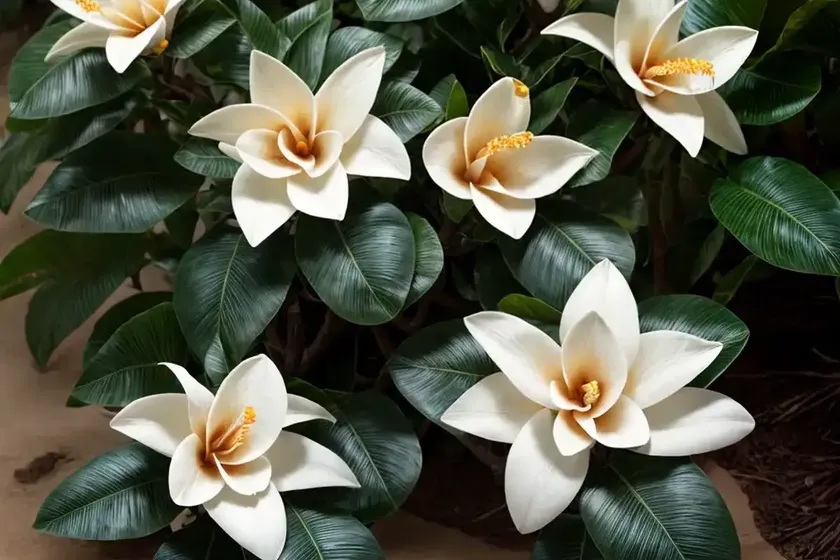
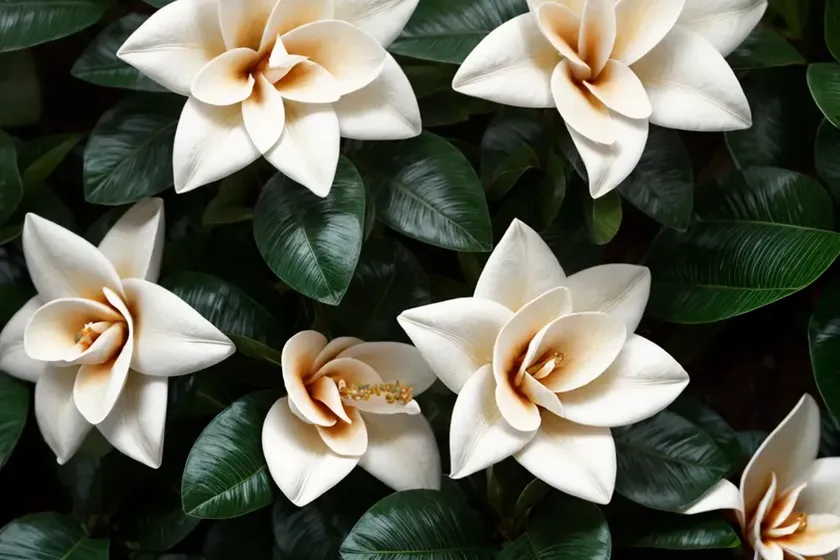
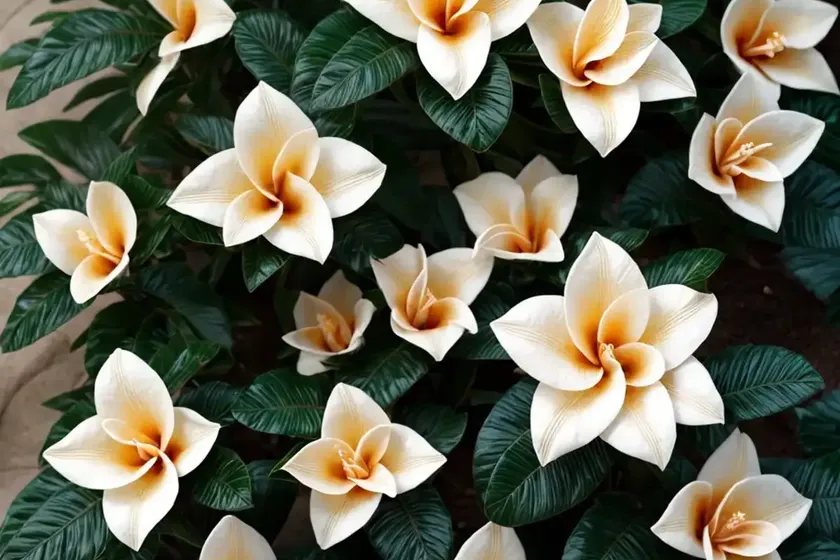
Gardenia taitensis, commonly known as Tahitian Gardenia, is a stunning plant native to the Pacific Islands, particularly Tahiti. This exquisite plant is renowned for its fragrant and delicate white flowers, making it a beloved addition to gardens and landscapes around the world. In this comprehensive guide, we will explore the various facets of Tahitian Gardenia, including its cultural significance, uses, cultivation practices, common diseases and pests, and much more. Whether you are a seasoned gardener or a newcomer to the world of horticulture, this guide will equip you with the knowledge and expertise necessary to successfully cultivate and care for Gardenia taitensis.
What is Gardenia Taitensis?
Gardenia taitensis, commonly referred to as Tahitian Gardenia, is a tropical evergreen shrub belonging to the Rubiaceae family. This species is indigenous to the South Pacific, particularly the islands of Tahiti, Moorea, and Raiatea. With its glossy dark-green leaves and exquisitely fragrant white flowers, Tahitian Gardenia is highly prized for its ornamental value and aromatic allure. The botanical name “Gardenia taitensis” pays homage to its native origin in Tahiti.
Key Takeaways: Gardenia Taitensis
Before delving into the specific aspects of cultivation and care, let’s highlight some key takeaways about Gardenia Taitensis:
- Botanical Name: Gardenia taitensis
- Common Name: Tahitian Gardenia
- Family: Rubiaceae
- Native Region: South Pacific islands, particularly Tahiti
- Characteristics: Glossy dark-green leaves, fragrant white flowers
- Cultural Significance: Highly esteemed for its ornamental and aromatic properties
Now that we have a foundational understanding of Tahitian Gardenia, let’s explore the various facets of its cultivation and care.
Cultural Significance of Gardenia Taitensis
Traditional Uses
Tahitian Gardenia holds significant cultural and traditional value in the South Pacific. Known for its sweet, lingering fragrance, the flowers of Gardenia taitensis are often used in traditional lei-making, a customary practice in Polynesian culture. The fragrant blooms are intricately woven into garlands and worn as ornamental accessories during cultural ceremonies and celebrations, symbolizing beauty, purity, and positivity.
Modern Applicatons
In addition to its traditional uses, Tahitian Gardenia has also found contemporary applications in perfumery, aromatherapy, and herbal medicine. The aromatic essence extracted from the flowers is valued for its captivating scent and therapeutic properties, making it a sought-after ingredient in the creation of perfumes, essential oils, and natural remedies.
Uses of Gardenia Taitensis
The uses of Gardenia taitensis extend beyond its cultural and traditional significance. Let’s explore the various applications of Tahitian Gardenia in modern contexts:
-
Perfumery: The fragrant essence derived from Tahitian Gardenia flowers is esteemed for its alluring scent, making it a prized ingredient in perfumes and fragrance formulations.
-
Aromatherapy: The essential oil extracted from Gardenia taitensis finds applications in aromatherapy, where it is utilized for its calming and mood-enhancing properties.
-
Herbal Medicine: In traditional herbal medicine practices, the flowers and leaves of Tahitian Gardenia are utilized for their potential therapeutic benefits, including anti-inflammatory and relaxation-inducing properties.
-
Ornamental Purposes: With its exquisite white flowers and glossy foliage, Gardenia taitensis is widely cultivated for ornamental purposes, adorning gardens, landscapes, and indoor spaces with its natural beauty.
Water Requirements for Tahitian Gardenia
Proper watering is essential for the health and vitality of Gardenia taitensis. Maintaining adequate soil moisture without overwatering is critical to prevent root rot and other water-related issues. Let’s discuss the optimal water requirements for Tahitian Gardenia:
-
Consistent Moisture: Gardenia taitensis thrives in slightly moist but well-draining soil. It is important to maintain consistent soil moisture, particularly during the plant’s active growth periods.
-
Avoid Waterlogging: While Gardenia taitensis appreciates moisture, it is crucial to avoid waterlogging, as excessively wet soil can lead to root rot and other detrimental conditions. Ensure that the soil allows excess water to drain effectively.
-
Mulching: Applying a layer of organic mulch around the base of the plant can help retain soil moisture and regulate the temperature of the root zone, contributing to the overall health of the plant.
-
Water Quality: Gardenia taitensis is sensitive to the quality of water it receives. It is best to use lukewarm, non-chlorinated water for irrigation, as cold or chlorinated water can cause stress to the plant.
Efficient Watering Practices
To ensure optimal hydration for Tahitian Gardenia, consider the following efficient watering practices:
-
Deep Watering: When watering Gardenia taitensis, aim for deep irrigation that penetrates the root zone, promoting healthy root development and overall plant vigor.
-
Watering Frequency: While it is essential to maintain consistent soil moisture for Gardenia taitensis, it is equally important to avoid excessive watering. Adjust the frequency of watering based on the specific environmental conditions and the moisture levels of the soil.
-
Monitoring Moisture Levels: Regularly monitor the moisture levels of the soil by conducting a simple finger or tool test to assess the need for watering. Aim to water the plant when the top inch of the soil feels dry to the touch.
By adhering to efficient watering practices and providing appropriate moisture levels, you can ensure the optimal growth and well-being of Gardenia taitensis.
Sunlight Requirements for Tahitian Gardenia
Adequate sunlight is crucial for the robust growth and flowering of Gardenia taitensis. However, it is essential to provide the plant with the right balance of light to prevent issues such as sunburn and heat stress. Let’s delve into the specific sunlight requirements for Tahitian Gardenia:
-
Bright, Indirect Light: Gardenia taitensis thrives in bright, indirect light conditions. It benefits from receiving ample natural light, but direct exposure to intense sunlight, especially during the peak hours of the day, should be avoided.
-
Morning Sun: Providing Gardenia taitensis with gentle morning sunlight is beneficial, as it allows the plant to harness the energy it needs for photosynthesis without the risk of excessive heat and radiation.
-
Partial Shade: In regions with exceptionally intense sunlight or high temperatures, providing partial shade for Gardenia taitensis during the hottest part of the day can help protect the plant from potential sun damage.
Sunlight Optimization Practices
To optimize sunlight exposure for Tahitian Gardenia, consider the following practices:
-
Positioning: Select an ideal location for Gardenia taitensis that offers bright, indirect light and protection from harsh midday sun. This may involve placing the plant near east-facing windows or providing light shade in outdoor settings.
-
Observation: Regularly observe the plant’s response to its light conditions. Monitor for signs of sunburn, such as yellowing or browning of leaves, and make adjustments as needed to provide a comfortable balance of light for Gardenia taitensis.
-
Indoor Considerations: When growing Gardenia taitensis indoors, ensure that it receives adequate natural light by placing it near a well-lit window or providing supplemental grow lights to mimic the preferred light conditions of the plant.
By implementing sunlight optimization practices and providing the appropriate light environment, you can foster the healthy development and flowering of Gardenia taitensis.
Fertilizer Recommendations for Tahitian Gardenia
Appropriate fertilization is integral to the overall health, vigor, and flowering capacity of Gardenia taitensis. By providing the plant with the essential nutrients it needs, you can promote lush foliage and abundant blooms. Let’s explore the recommended fertilizer practices for Tahitian Gardenia:
-
Balanced Formulation: Gardenia taitensis benefits from a balanced, acidic-formula fertilizer specifically designed for acid-loving plants, such as those formulated for azaleas, camellias, and rhododendrons.
-
Frequency: During the active growing season, which typically spans from spring to early autumn, feed Gardenia taitensis with a diluted, balanced fertilizer every 4 to 6 weeks to provide a steady supply of nutrients for robust growth and flowering.
-
Microelement Supplementation: In addition to a standard balanced fertilizer, consider supplementing Gardenia taitensis with a micronutrient mix to ensure the availability of essential trace elements, such as iron and magnesium, which are crucial for the plant’s health.
-
Avoid Overfertilization: While providing regular nutrients is essential, it is important to avoid overfertilization, as excessive doses can lead to nutrient imbalances and adverse effects on the plant’s well-being. Adhere to the recommended dosage and application guidelines.
Fertilization Best Practices
To ensure effective fertilization for Tahitian Gardenia, consider the following best practices:
-
Soil Testing: Conduct periodic soil tests to assess the pH levels and nutrient content of the soil. This information will guide your fertilizer selection and application, allowing you to tailor the nutrients to the specific needs of Gardenia taitensis.
-
Slow-Release Fertilizers: Consider using slow-release fertilizer formulations designed for acid-loving plants, as these products provide a gradual and consistent supply of nutrients, minimizing the risk of overfeeding and nutrient leaching.
-
Post-Flowering Feeding: After the blooming period, continue to provide Gardenia taitensis with light feedings of balanced fertilizer to support the plant’s recovery and prepare it for subsequent growth and flowering stages.
-
Organic Alternatives: If preferential, opt for organic fertilizers specially formulated for acid-loving plants, which offer a natural and sustainable approach to nourishing Gardenia taitensis.
By incorporating these fertilization best practices and providing Gardenia taitensis with the appropriate nutrients, you can facilitate its overall vigor and flowering performance.
Best Soil for Gardening Taitensis
Selecting the right soil type is paramount to the successful cultivation of Gardenia taitensis. The ideal soil for Tahitian Gardenia should offer a well-draining structure, acidic pH, and a rich, organic composition to support the plant’s nutrient uptake and root development. Let’s examine the key characteristics of the best soil for Gardening taitensis:
-
Acidic pH: Gardenia taitensis thrives in soil with a moderately acidic to acidic pH range of approximately 5.0 to 6.5. The slightly acidic environment facilitates the optimal uptake of essential nutrients, such as iron, by the plant’s roots.
-
Well-Draining Structure: The soil should possess excellent drainage properties to prevent waterlogging and excess moisture around the root zone, which can lead to root rot and other moisture-related issues.
-
Organic Enrichment: Incorporating organic matter, such as compost, peat moss, or well-rotted manure, into the soil can enhance its fertility, structure, and water-holding capacity, creating an ideal growing medium for Gardenia taitensis.
-
Aeration: The soil texture should promote good aeration and root ventilation, ensuring that the roots of Gardenia taitensis have access to oxygen while avoiding compacted or overly dense soil conditions.
Soil Preparation Tips
To prepare the best soil for Gardening taitensis, consider the following soil preparation tips:
-
Amendment Addition: Prior to planting Gardenia taitensis, thoroughly blend organic amendments into the soil to enrich its composition and create a favorable environment for root establishment and growth.
-
Raised Bed Cultivation: If the native soil does not meet the ideal requirements, consider establishing raised beds or containers filled with a customized soil mix specifically tailored to the needs of Gardening taitensis.
-
Mulching: Application of a layer of organic mulch around the base of the plant helps regulate soil temperature, retain moisture, and gradually enrich the soil as the mulch decomposes.
-
Regular Monitoring: Continuously monitor the condition of the soil, particularly its moisture levels and structural integrity, to ensure that it provides a nurturing and supportive medium for Gardening taitensis.
Through diligent soil preparation and proactive maintenance, you can create an optimal growing environment for Gardenia taitensis, setting the stage for its healthy and vigorous development.
Pruning Guidelines for Gardenia Taitensis
Pruning plays a pivotal role in shaping the growth, appearance, and overall health of Gardenia taitensis. Proper pruning practices facilitate airflow, light penetration, and the development of a compact, well-branched form. Let’s delve into the essential pruning guidelines for Tahitian Gardenia:
-
Timing: The best time to prune Gardenia taitensis is in the early spring, following the conclusion of the plant’s flowering period. Avoid late-season pruning, as it can potentially remove the next season’s flower buds.
-
Moderate Pruning: Focus on moderate pruning to remove dead or damaged branches, maintain a desirable shape, and promote new growth. Avoid excessive pruning, as it can hinder the plant’s ability to bloom and thrive.
-
Sanitization: Use clean, sharp pruning shears to make precise cuts, minimizing the risk of tearing or damaging the plant tissues. Sanitize the pruning tools before and after use to prevent the spread of diseases.
-
Selective Removal: Identify and remove weak, crossing, or inward-growing branches to enhance air circulation and establish a well-structured framework for Gardenia taitensis.
Pruning Objectives
When pruning Gardenia taitensis, consider the following objectives to guide your approach:
-
Shape Enhancement: Through selective pruning, shape the plant to maintain a balanced and aesthetically pleasing form that complements its natural growth habit.
-
Deadheading: Remove spent flowers and any discolored or diseased foliage to promote continuous blooming and prevent the spread of diseases or pests.
-
Size Control: Manage the size and density of Gardenia taitensis by targeted pruning, allowing the plant to maintain an appropriate scale within its intended growing space.
-
Encouraging New Growth: Pruning stimulates the production of new shoots and branches, fostering the renewal and rejuvenation of Gardenia taitensis.
By adhering to these pruning guidelines and objectives, you can effectively shape the growth and appearance of Gardenia taitensis while promoting its overall vigor and flowering performance.
Propagation Techniques for Gardenia Taitensis
Propagating Gardenia taitensis offers an opportunity to expand your plant collection and preserve the unique genetic characteristics of Tahitian Gardenia. By employing appropriate propagation techniques, you can multiply the presence of Gardenia taitensis in your garden or share its beauty with others. Let’s explore the primary propagation methods for Gardenia taitensis:
-
Softwood Cuttings: In the early summer, select healthy, non-flowering shoots and take 4 to 6-inch softwood cuttings. Strip the lower leaves, dip the cut end in rooting hormone, and plant the cuttings in a moist, well-draining rooting medium. Ensure consistent moisture and encourage the development of roots over a few weeks.
-
Layering: Choose a low, flexible branch and wound a section of its underside. Apply rooting hormone to the wounded area and cover it with soil or a rooting medium, securing it in place. Over time, the wounded section will produce roots, allowing for new plants to be established before separating them from the parent plant.
-
Air Layering: With a sharp knife, longitudinally wound a small section of a healthy branch and apply rooting hormone to the exposed area. Encase the wounded section with a moistened sphagnum moss or rooting medium, wrapping it with plastic to maintain the necessary humidity. Once roots develop, separate the rooted section to create a new plant.
-
Seed Propagation: While less commonly utilized due to its longer time frame and variable outcomes, propagating Gardenia taitensis from seeds offers the potential to generate new genetic diversity. Collect mature seeds from the plant and sow them in a suitable growing medium, providing adequate warmth and moisture for germination.
Propagation Best Practices
To ensure successful propagation of Gardenia taitensis, consider the following best practices:
-
Timing Considerations: Plan the propagation activities to align with the plant’s natural growth cycle and favorable environmental conditions to maximize the success rate of the propagation methods.
-
Temperature and Humidity Control: Create a stable environment with appropriate warmth and humidity to support the development of roots or new plant formations, ensuring the propagation process unfolds under optimal conditions.
-
Careful Handling: Handle the propagation materials, whether cuttings, layered sections, or seeds, with care to minimize stress and damage, thus promoting their successful transition to independent plants.
-
Patience and Monitoring: Propagation often requires patience, as it may take some time for roots to develop or new plants to emerge. Regularly monitor the progress and make adjustments as needed to support the propagation efforts.
By employing these propagation best practices and techniques, you can successfully propagate Gardenia taitensis, expanding its presence and diversity within your garden or horticultural collection.
Growing Gardenia Taitensis in Containers
Gardenia taitensis is well-suited for container cultivation, offering the flexibility to adorn outdoor spaces, patios, and balconies with its captivating beauty. By understanding the specific considerations and requirements for growing Gardenia taitensis in containers, you can create an environment conducive to the plant’s growth and development. Let’s explore the key aspects of cultivating Gardenia taitensis in containers:
-
Container Selection: Choose a spacious, durable container with adequate drainage holes to promote efficient water drainage and prevent waterlogged conditions that can compromise the plant’s health.
-
Growing Medium: Select a high-quality potting mix formulated for acid-loving plants, ensuring that it offers the appropriate pH, structure, and nutrient composition for Gardenia taitensis.
-
Placement: Position the container in a location that receives bright, indirect light, such as on a porch or near a window, while protecting the plant from direct exposure to intense sunlight and extreme weather conditions.
-
Watering and Fertilization: Monitor the moisture levels of the soil and maintain consistent watering practices, utilizing a balanced fertilizer designed for acid-loving plants to provide essential nutrients to Gardenia taitensis.
Container Cultivation Recommendations
To optimize the cultivation of Gardenia taitensis in containers, consider the following recommendations:
-
Root Care: Regularly inspect the root system to ensure it remains healthy and does not become root-bound, potentially necessitating repotting into a larger container.
-
Container Size: As Gardenia taitensis matures, consider gradually transitioning it to larger containers to accommodate its expanding root system and above-ground growth.
-
Seasonal Considerations: Modify your care routines in response to seasonal changes, such as adjusting watering frequency and protecting the plant from temperature extremes during colder months.
-
Aesthetic Display: Incorporate Gardenia taitensis into your outdoor aesthetics by pairing it with complementary plants, utilizing decorative containers, and arranging the surroundings to enhance its visual impact.
By following these container cultivation recommendations and providing the necessary care, you can successfully cultivate Gardenia taitensis in containers, bringing its enchanting allure to various outdoor settings.
Popularity of Gardenia Taitensis
Gardenia taitensis, known for its exquisite beauty and enchanting fragrance, has garnered widespread popularity among gardeners, horticultural enthusiasts, and admirers of ornamental plants. Its alluring presence in gardens, landscapes, and horticultural collections has earned it a place of


