Garden Violet (Viola Odorata)
Garden violet, or Viola odorata, is a charming and fragrant perennial plant that has been cherished for generations. Revered for its delicate blossoms and.
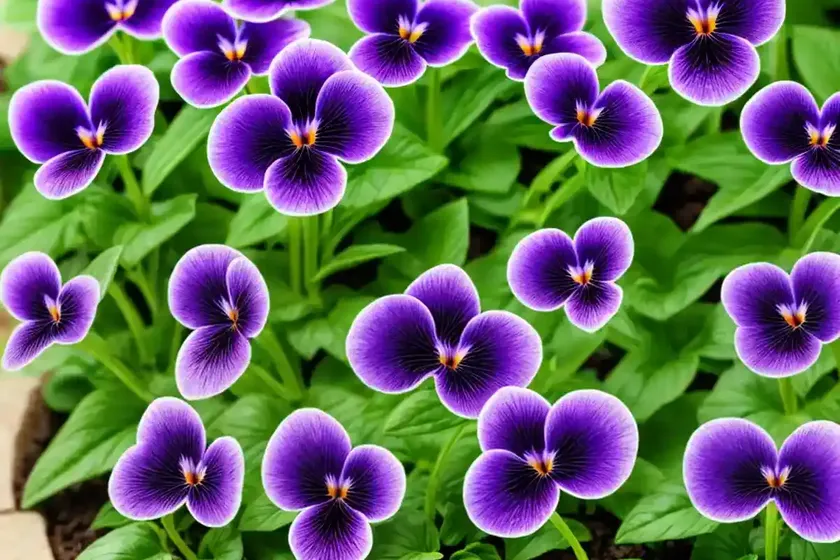
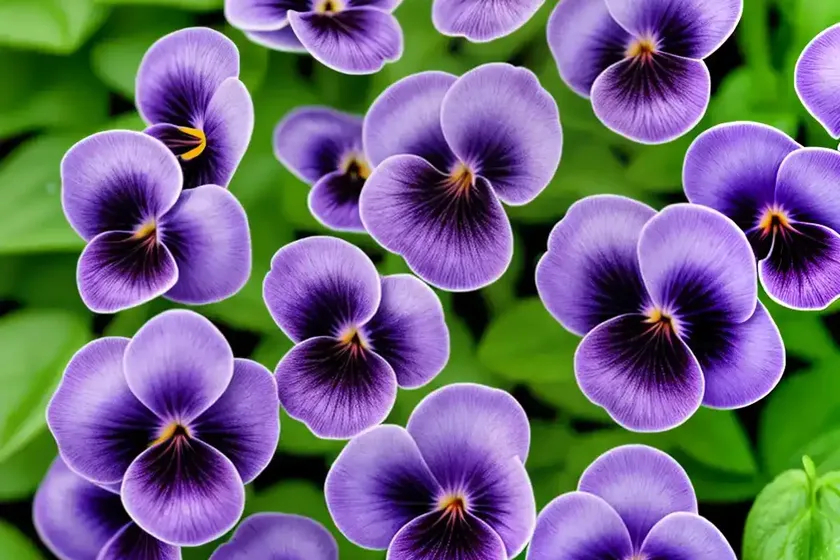
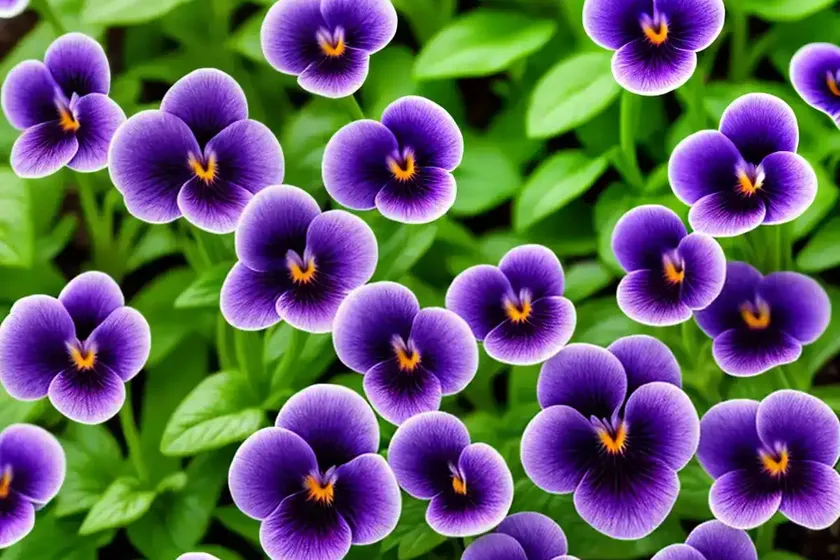
Garden violet, or Viola odorata, is a charming and fragrant perennial plant that has been cherished for generations. Revered for its delicate blossoms and sweet aroma, this plant holds a special place in both gardens and folklore. In this comprehensive guide, we will explore the intricate details of caring for and nurturing the garden violet. From its cultural significance to its practical uses and propagation methods, this blog post is intended to serve as an all-encompassing resource for anyone interested in Viola odorata.
What is Garden Violet (Viola odorata)?
Garden violet, scientifically known as Viola odorata, is a perennial flowering plant native to Europe and Asia. It belongs to the Violaceae family and is commonly referred to as the sweet violet, wood violet, or English violet. This small herbaceous plant typically grows up to 15 centimeters in height and is characterized by heart-shaped, deeply veined leaves and fragrant, five-petaled flowers that vary in color from deep purple to pale lilac and white.
Key Takeaways – Garden Violet (Viola odorata)
Before delving deeper into the specifics of caring for garden violets, it’s essential to highlight some key takeaways about this beloved plant:
- Scientific Name: Viola odorata
- Common Names: Garden violet, sweet violet, wood violet, English violet
- Plant Type: Perennial herbaceous plant
- Height: Up to 15 centimeters
- Leaves: Heart-shaped, deeply veined
- Flowers: Fragrant, five-petaled, varying in color from deep purple to pale lilac and white
Now that we’ve established the basic characteristics of the garden violet, let’s journey into the realms of culture, uses, and cultivation practices for this enchanting plant.
Culture
Cultivating garden violets requires an understanding of their specific cultural needs to ensure their optimal growth and blooming. From water and sunlight requirements to soil preferences, it’s important to create a nurturing environment for these delicate plants.
Water
Garden violets thrive in consistently moist soil, and it’s crucial to prevent their roots from drying out. However, excessive water can lead to root rot and other issues, so striking a balance is key. When watering, it’s best to keep the soil evenly moist, allowing for proper drainage to prevent waterlogging.
Sunlight
As for sunlight, garden violets prefer partially shaded to fully shaded conditions. While they can tolerate some morning sun, they are best suited to dappled or light shade, particularly in warmer climates. In regions with hot summers, providing shade during the hottest part of the day can prevent stress and sunburn on the delicate leaves and flowers.
Fertilizer
When it comes to fertilizing garden violets, a balanced, all-purpose fertilizer can be applied in early spring to support healthy growth and flowering. However, it’s important to avoid over-fertilizing, as excessive nutrients can lead to lush foliage at the expense of blooms. A light feeding once a year should be sufficient for these modest plants.
Soil
Garden violets prefer moist, well-draining, and slightly acidic to neutral soil. A rich and loamy soil with ample organic matter provides an ideal growing medium for these plants. Additionally, incorporating compost or well-rotted leaf mold into the soil can further enhance its texture and fertility, promoting the overall health of the garden violets.
Pruning
Pruning garden violets is relatively simple, as they rarely require extensive maintenance. Deadheading spent flowers can encourage continuous blooming and prevent the plant from expending energy on seed production. Furthermore, removing any yellowing or damaged foliage can help maintain the plant’s aesthetic appeal and overall vigor.
Propagation
The propagation of garden violets can be achieved through various methods, including division, seed sowing, and transplanting. Each approach offers its own advantages and considerations, allowing for flexibility in expanding or sharing these delightful plants.
Division
Dividing established clumps of Viola odorata can rejuvenate the plants and create new individuals. This is typically done in early spring or after the blooming season, as the plants begin to emerge from dormancy. By carefully separating the root clumps and replanting them in suitable locations, gardeners can propagate garden violets while ensuring the health and vitality of the new divisions.
Seed Sowing
Another method of propagation involves collecting and sowing garden violet seeds. The seeds are typically harvested after the blooming period and can be sown directly into prepared soil in late summer or early autumn. While they may take some time to germinate and establish, this method allows for the creation of new plants from seed, each with its own unique characteristics.
Transplanting
Transplanting young garden violet plants to new locations is also a viable way to propagate them. This can be accomplished by carefully digging up and relocating the young plants during their dormant or early growth stages. As with any transplanting process, it’s important to minimize root disturbance and provide the newly transplanted violets with adequate care and attention to support their establishment in their new environment.
Container Popularity
Garden violets are well-suited for container gardening, offering a compact and visually appealing addition to patio gardens, balconies, and indoor spaces. Their versatility and adaptability make them a popular choice for container cultivation, allowing plant enthusiasts to enjoy their charming blooms and sweet fragrance in various settings.
Container Common Diseases
Garden violets, like many plants, can be susceptible to certain diseases and pests, particularly when grown in containers. Understanding the common ailments and their respective diagnosis can aid in timely intervention and effective management.
Disease Diagnosis
Some of the common diseases that garden violets may encounter include:
- Powdery Mildew: This fungal disease manifests as a powdery, white coating on the leaves and stems, leading to stunted growth and compromised health. It thrives in humid conditions and can spread rapidly without intervention.
- Leaf Spot: Characterized by dark spots on the leaves, leaf spot diseases can weaken the plants and diminish their ornamental value. Proper diagnosis and targeted treatments are essential to prevent the spread of this issue.
Common Pests
In addition to diseases, garden violets may also face challenges from various pests, including:
- Aphids: These tiny, sap-sucking insects can congregate on the leaves and flower buds, causing damage and distortion. Their rapid reproduction can lead to widespread infestations if left unchecked.
- Slugs and Snails: These mollusks are notorious for their voracious appetite for tender plant tissue, often leaving behind telltale slime trails and ragged leaves in their wake. Their presence can be particularly detrimental to young and delicate garden violets.
Understanding the signs and symptoms of common diseases and pests can empower gardeners to take proactive measures to protect their violets and maintain their vitality.
Botanist’s Tips
As a plant scientist with a deep appreciation for garden violets, I’d like to share some invaluable tips for cultivating and caring for these enchanting plants:
-
Mulching: Applying a layer of organic mulch around garden violets can help conserve soil moisture, suppress weed growth, and provide insulation during temperature fluctuations. Organic materials such as shredded bark, compost, or leaf mold make excellent choices for mulching.
-
Companion Planting: Pairing garden violets with compatible companion plants can create visually appealing and ecologically beneficial garden arrangements. Consider integrating shade-tolerant companions such as ferns, hostas, and barrenworts to complement the delicate beauty of the violets.
-
Regular Inspection: Routinely inspecting garden violets for signs of disease, pest infestations, and nutrient deficiencies can facilitate early detection and prompt intervention. By staying vigilant, gardeners can address issues before they escalate, preserving the health and vigor of their plants.
-
Overwintering Care: In regions with cold winters, providing adequate protection for garden violets is essential. Applying a layer of mulch and situating containers in sheltered locations can help safeguard the plants from harsh winter conditions, ensuring their survival and subsequent springtime resurgence.
Fun Facts
To further appreciate the captivating allure of garden violets, let’s explore some fascinating and delightful facts about these beloved plants:
- The sweet fragrance of garden violets has inspired the creation of perfumes, confections, and herbal infusions for centuries, showcasing their enduring appeal and sensory allure.
- Garden violets have been associated with various folklore and symbolic meanings, often representing sentiments of modesty, faithfulness, and delicate beauty in diverse cultures and traditions.
- The edible flowers of garden violets can serve as decorative and flavorful additions to culinary creations, infusing dishes with a touch of floral elegance and subtle sweetness.
Now that we’ve uncovered the cultural, practical, and whimsical facets of garden violets, it’s time to explore additional resources and expand our understanding of this cherished plant.
Links to External Resources
For further exploration and reference, I’ve curated a selection of external resources that delve deeper into the realm of garden violets, Viola odorata. These sources offer botanical insights, practical guidance, and historical perspectives on this captivating plant:
- Royal Horticultural Society – Viola odorata
- North Carolina State University Extension – Growing Violets
- The Herb Society of America – Violet Flowers: They’re Not Just for Candy
- American Society for the Prevention of Cruelty to Animals – Common Plants Toxic to Cats
- Missouri Botanical Garden – Viola odorata
These resources offer a wealth of botanical knowledge, practical advice, and historical context surrounding garden violets, providing enriching opportunities to expand our appreciation and understanding of Viola odorata.
In conclusion, garden violets, with their delicate blooms, sweet fragrance, and captivating history, remain cherished and captivating plants that bridge the realms of culture, practicality, and botanical fascination. By embracing the insights shared in this guide and delving into the wealth of external resources, plant enthusiasts can cultivate, appreciate, and admire the timeless allure of Viola odorata, the enchanting garden violet.


