Garden Phlox (Phlox paniculata ‘Peppermint Twist’)
Garden phlox, scientifically known as Phlox paniculata, is a stunning flowering perennial that is popular among gardeners for its vibrant and fragrant flowers. Among the various cultivars and varieties of garden phlox, ‘Peppermint Twist’ stands out with its unique bi-color blooms and attractive foliage. In this comprehensive guide, we will delve into the various aspects of garden phlox, with a specific focus on Phlox paniculata ‘Peppermint Twist’. From its culture and uses to care and maintenance, we will explore everything you need to know to successfully grow and enjoy this beautiful plant in your garden.
What is Plant: Garden Phlox (Phlox paniculata ‘Peppermint Twist’)?
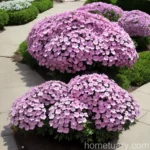
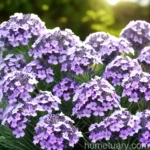
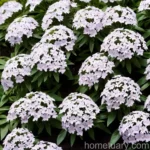
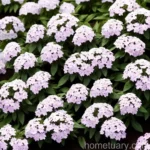
Garden phlox (Phlox paniculata) is a herbaceous perennial plant belonging to the Polemoniaceae family. It is native to North America and is valued for its profuse, fragrant flowers that bloom in summer. The ‘Peppermint Twist’ cultivar is a delightful variety of garden phlox known for its eye-catching, bi-colored flowers, which feature pale pink petals with striking magenta-colored centers. This cultivar typically forms dense clusters of colorful blooms atop upright stems, adding visual interest and charm to gardens and landscapes.
Key Takeaways – Garden Phlox (Phlox paniculata ‘Peppermint Twist’)
- Garden Phlox (Phlox paniculata ‘Peppermint Twist’) is a herbaceous perennial known for its vibrant, bi-colored flowers and attractive foliage.
- This cultivar boasts clusters of pale pink flowers with magenta-colored centers, creating a visually captivating display.
- Phlox paniculata ‘Peppermint Twist’ is favored for its fragrance, making it a delightful addition to gardens and flower arrangements.
- The plant requires proper care and maintenance, including adequate water, sunlight, soil, and fertilizer, to thrive and produce an abundance of blooms.
- It is essential to be mindful of common diseases and pests that can affect garden phlox and take proactive measures to prevent and manage such issues.
Culture
Uses
Garden phlox, particularly the ‘Peppermint Twist’ cultivar, is commonly used in various garden settings, including:
- Mixed Borders: It can be planted alongside other perennials and annuals to create vibrant and diverse borders.
- Cut Flower Gardens: The flowers of Phlox paniculata ‘Peppermint Twist’ are often used in cut flower arrangements due to their eye-catching appearance and delightful fragrance.
- Pollinator Gardens: The nectar-rich flowers attract butterflies, bees, and other pollinators, making it an excellent addition to pollinator-friendly gardens.
Water
Phlox paniculata ‘Peppermint Twist’ has moderate water requirements. It is essential to keep the soil consistently moist, especially during the growing season, to support healthy growth and flowering. However, it is equally crucial to avoid waterlogging, as excessive moisture can lead to root rot and other issues.
Sunlight
This cultivar thrives in full sun to partial shade. While it can tolerate some shade, ample sunlight is necessary to promote robust flowering and overall plant vigor. When grown in a sunny location, ‘Peppermint Twist’ will produce an abundance of blooms, enhancing the visual appeal of the garden.
Fertilizer
To encourage healthy growth and prolific flowering, it is beneficial to feed garden phlox with a balanced, slow-release fertilizer in early spring. Additionally, applying a phosphorus-rich fertilizer can support strong root development and help enhance flower production. However, it is crucial to follow the application guidelines and avoid over-fertilization, which can lead to excessive foliage growth at the expense of flowers.
Soil
Phlox paniculata ‘Peppermint Twist’ thrives in well-draining, fertile soils with a slightly acidic to neutral pH. Amending the soil with organic matter, such as compost or well-rotted manure, can improve its texture and fertility, creating an ideal growing environment for the plant. Additionally, ensuring good soil aeration and moisture retention is essential for the health and vitality of garden phlox.
Pruning
Deadheading: Regular deadheading of spent flowers can prolong the blooming period and encourage the plant to produce new buds, promoting a continuous display of colorful blooms.
Cutting Back: In late fall or early spring, it is beneficial to cut back the stems of garden phlox to a few inches above the soil level to remove old growth and promote vigorous regrowth in the following season.
Propagation
Garden phlox, including the ‘Peppermint Twist’ cultivar, can be propagated through several methods:
- Division: The plant can be divided every few years in early spring or fall, with each divided section containing healthy roots and shoots for successful establishment.
- Softwood Cuttings: Taking softwood cuttings in spring and rooting them in a suitable growing medium can yield new plants that are genetically identical to the parent plant.
- Seed Propagation: Collecting and sowing mature seeds can also be a viable method of propagating garden phlox, though it may take longer to achieve flowering compared to other propagation techniques.
Container Popularity
While garden phlox, including Phlox paniculata ‘Peppermint Twist’, is often cultivated in garden beds and borders, it can also thrive in containers. Growing this perennial in pots or containers allows for greater flexibility in terms of placement and can be particularly advantageous for individuals with limited garden space. When grown in containers, it is important to ensure adequate drainage and provide regular care to support healthy growth and flowering.
Common Diseases
Disease Diagnosis
Garden phlox, including the ‘Peppermint Twist’ cultivar, is susceptible to various diseases, including:
- Powdery Mildew: This fungal disease can result in a powdery white coating on the leaves, negatively impacting the plant’s overall health and vigor.
- Botrytis Blight: Also known as gray mold, this fungal disease can cause browning and wilting of the plant’s stems and flowers, leading to significant damage if left unaddressed.
- Root Rot: Excessive moisture and poor soil drainage can contribute to root rot, causing the plant to exhibit signs of wilting, yellowing, and stunted growth.
Disease-Resistant Varieties
Selecting disease-resistant garden phlox varieties, including those with improved resistance to powdery mildew and other common diseases, can help mitigate the risk of infections and ensure the long-term health and beauty of the plants. When shopping for garden phlox, it is beneficial to inquire about disease resistance and choose cultivars known for their resilience to prevalent diseases.
Common Pests
Pest Control
Garden phlox, including Phlox paniculata ‘Peppermint Twist’, can be susceptible to pest infestations, such as:
- Spider Mites: These tiny pests can cause stippling on the leaves and fine webbing, impacting the plant’s overall aesthetic and health.
- Aphids: Aphids can cluster on the new growth of garden phlox, feeding on the plant sap and potentially spreading viral diseases in the process.
- Thrips: Thrips can cause aesthetic damage to the flowers and foliage, often leading to distorted growth and discoloration.
Pest Management
Implementing proactive pest control measures, such as regular monitoring, introducing beneficial insects, and using targeted treatments when necessary, can help prevent and manage pest issues effectively. Additionally, maintaining overall plant health and vigor through proper care and cultural practices can enhance the plant’s natural resistance to pests and reduce the likelihood of infestations.
Botanist’s Tips
- When selecting a growing site for Phlox paniculata ‘Peppermint Twist’, prioritize well-draining soil and ample sunlight to optimize its performance and flower production.
- To promote continuous blooming, practice regular deadheading to remove spent flowers and encourage the development of new buds.
- Consider companion planting with species that complement the color and growth habits of garden phlox, creating visually appealing and harmonious combinations in the garden.
- Watch for signs of common diseases and pest infestations, promptly addressing any issues to prevent the spread and minimize potential damage to the plant.
Fun Facts
- The name “phlox” is derived from the Greek word for “flame,” reflecting the fiery hues of many phlox flowers.
- Garden phlox is known for attracting a variety of pollinators, contributing to the biodiversity and ecological value of garden environments.
- ‘Peppermint Twist’ is prized for its delightful fragrance, adding an additional sensory element to garden spaces.
Links to External Resources
Explore the following resources to further enrich your knowledge and appreciation of garden phlox, including Phlox paniculata ‘Peppermint Twist’:
- The American Phlox Society
- University of Illinois Extension – Phlox paniculata
- Missouri Botanical Garden – Growing Phlox
In conclusion, garden phlox, particularly the ‘Peppermint Twist’ cultivar, is a captivating and versatile perennial that can contribute to the beauty and biodiversity of gardens and landscapes. By understanding its culture, care requirements, and potential challenges, you can create an environment where Phlox paniculata ‘Peppermint Twist’ can thrive and enchant with its profusion of bi-colored flowers and delightful fragrance. Whether planted in borders, containers, or pollinator gardens, this perennial is sure to leave a lasting impression with its charm and elegance.
Remember, the key to successfully cultivating garden phlox lies in providing optimal growing conditions, attentive care, and a deep appreciation for the natural beauty it brings to outdoor spaces. With the right knowledge and dedication, you can enjoy the splendor of Phlox paniculata ‘Peppermint Twist’ as it graces your garden with its vibrant blooms and alluring presence.