The Limber Pine (Pinus flexilis)
The limber pine, scientifically known as Pinus flexilis, is a picturesque and resilient tree native to the mountains of the Western United States and Canada. This species is highly valued for its adaptability, versatility, and significance in various ecosystems. In this comprehensive guide, we will delve into the characteristics, cultivation, uses, and maintenance of the limber pine, providing invaluable insights into maximizing its potential in different settings.
What is the Limber Pine?
The limber pine is a long-lived evergreen tree within the family Pinaceae, renowned for its adaptability to harsh environments and its importance in sustaining biodiversity in mountainous habitats. This species is esteemed for its unique growth habit, exceptional medicinal uses, and valuable timber, making it an essential component of many ecosystems across its native range.
Key Takeaways – Limber Pine (Pinus flexilis)
Before delving into a detailed analysis of the limber pine, it’s essential to highlight some key takeaways to set the stage for our exploration.
- Scientific Name: Pinus flexilis
- Native Range: Western United States and Canada
- Adaptations: Well-adapted to harsh environments
- Uses: Medicinal, timber, landscape design
- Significance: Sustains biodiversity in mountainous habitats
- Resilience: Drought-tolerant and winter-hardy
Now, let’s embark on an insightful journey into the world of the limber pine, uncovering its characteristics, cultivation requirements, uses, and essential maintenance practices.
Plant Characteristics
The limber pine is renowned for its distinctive characteristics, which contribute to its position as a significant species in various ecosystems. Understanding its physical attributes, growth patterns, and ecological role is fundamental to appreciating and effectively cultivating this remarkable tree.
Physical Attributes
The limber pine exhibits the following physical attributes:
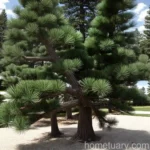
- Height: Can reach heights of 20 to 50 feet, with exceptional specimens growing up to 60 feet.
- Foliage: Needle-like leaves arranged in bundles of five, characterized by a deep green color.
- Bark: Smooth when young, transitioning to a distinctively scaly and furrowed texture as the tree matures.
- Cones: Oval-shaped and resinous cones, typically measuring 3 to 7 inches in length.
- Growth Habit: Typically conical or cylindrical, with a graceful and open silhouette.
Ecological Role
In its natural habitat, the limber pine serves several ecological functions, including:
- Wildlife Habitat: Provides valuable habitat for a diverse array of wildlife, including birds and small mammals.
- Soil Stabilization: Assists in preventing soil erosion in mountainous terrains, contributing to ecosystem stability.
- Biodiversity Support: Contributes to the diversity of plant species within its habitat, providing a rich and complex ecosystem.
Culture
Cultivating the limber pine requires a nuanced understanding of its environmental preferences, growth habits, and unique characteristics. By aligning the cultivation practices with the natural tendencies of this species, one can foster its growth and ensure its long-term health and vitality.
Water
The water requirements of the limber pine are influenced by several factors, including climate, soil type, and age of the tree. Understanding the optimal watering practices is essential for preventing drought stress and fostering robust growth.
Key Considerations for Watering
- Established Trees: Once established, limber pines are relatively drought-tolerant and usually do not require frequent watering.
- Young Trees: Newly planted or young limber pines benefit from regular watering, particularly during dry spells, to facilitate establishment.
- Soil Drainage: Ensure that the soil has adequate drainage to prevent waterlogging, as excessively wet conditions can lead to root rot.
Sunlight
The limber pine thrives in full sun to partial shade, exhibiting its best growth and form when provided with ample sunlight. Understanding the sunlight requirements is crucial for selecting appropriate planting locations and optimizing the tree’s performance.
Sunlight Preferences
- Full Sun: Ideally, the limber pine should be exposed to direct sunlight for a significant portion of the day, especially in cooler regions.
- Partial Shade: While adaptable to partial shade, the tree may exhibit slower growth and less dense foliage under these conditions.
- Considerations: When planting, choose locations that receive at least 6 to 8 hours of direct sunlight daily for best results.
Fertilizer
Applying fertilizer to the limber pine should be approached with caution, as this species generally thrives in nutrient-poor soils and may be sensitive to excessive fertility. Understanding when and how to apply fertilizer is vital for promoting healthy growth without causing inadvertent harm.
Fertilization Guidelines
- Minimal Fertilization: In most cases, limber pines do not require regular fertilization, especially when grown in their natural habitat.
- Soil Testing: Before applying any fertilizer, conduct a soil test to assess the nutrient levels and identify any deficiencies that may warrant supplementation.
- Minimalist Approach: If fertilization is deemed necessary, opt for a slow-release, low-nitrogen fertilizer to minimize the risk of overstimulating growth.
Soil
The soil requirements of the limber pine are closely tied to its native habitat in mountainous regions, where rocky, well-drained soils predominate. Understanding the soil preferences and making appropriate adjustments are crucial for ensuring the tree’s successful establishment and long-term health.
Soil Preferences
- Well-Drained Soil: Limber pines thrive in soils with excellent drainage, as they are susceptible to root rot in waterlogged conditions.
- Acidic pH: Preferences lean toward slightly acidic to neutral soils, typically within the pH range of 5.5 to 7.0.
- Rocky Terrain: Naturally occurs in rocky, gravelly soils, demonstrating exceptional adaptability to nutrient-poor and mineral-rich substrates.
Pruning
Pruning the limber pine should be approached with a focus on maintaining its natural form, enhancing aesthetics, and addressing any structural issues. Proper timing and techniques are essential for promoting healthy growth and preventing potential damage or stress to the tree.
Pruning Considerations
- Structural Pruning: Focus on correcting any structural defects or removing dead or damaged branches to maintain the tree’s integrity.
- Aesthetic Pruning: Use discretionary pruning to enhance the tree’s form and appearance, while maintaining its inherent grace and appeal.
- Timing: The best time for pruning limber pines is during the dormant season in late winter or early spring to minimize stress and sap loss.
Propagation
Propagating the limber pine allows for the expansion of its presence in various landscapes and ecosystems. Understanding the methods of propagation and the optimal conditions for success can enable the effective multiplication of this valuable species.
Propagation Methods
- Seed Propagation: The most common method of propagating limber pines, involving the collection and germination of seeds from mature cones.
- Cutting Propagation: Possible but less commonly employed, involving the rooting of semi-hardwood or hardwood cuttings in a suitable propagation medium.
Propagation Requirements
- Stratification: Many limber pine seeds require a period of cold stratification to break dormancy and initiate germination.
- Seedling Care: Provide a consistently moist, well-drained propagation medium for germinating seeds, maintaining optimal growing conditions for young seedlings.
Container Popularity
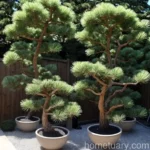
Limber pines are increasingly favored for container cultivation, where their unique form, resilient nature, and adaptability make them valuable additions to both indoor and outdoor settings.
Advantages of Container Cultivation
- Landscape Design: Limber pines add visual interest and a sense of natural tranquility to container gardens, patios, and urban landscapes.
- Adaptability: Well-suited to container growth, thriving in environments that mimic their native rocky habitats.
- Portability: Enables the placement of limber pines in various locations, providing flexibility in landscaping and design schemes.
Common Diseases
Although generally resilient, limber pines are susceptible to certain diseases that can compromise their health and vitality. Recognizing the symptoms of common diseases and implementing preventive measures is integral to preserving the well-being of these valuable trees.
Disease Diagnosis
- White Pine Blister Rust: Characterized by cankers on the branches and stems, leading to dieback and potential girdling of affected areas.
- Dothistroma Needle Blight: Manifests as browning and premature shedding of needles, potentially leading to defoliation and reduced vigor.
- Cytospora Canker: Identified by sunken cankers on branches, often accompanied by resinous bleeding and dieback of affected tissues.
Common Pests
In addition to diseases, limber pines may encounter various pests that can impact their growth and overall condition. Being vigilant for signs of pest infestations and employing appropriate management strategies is crucial for maintaining the tree’s health.
Pest Identification
- Pine Needle Scale: Small, oval-shaped insects that adhere to the needles, sapping nutrients and potentially causing needle yellowing and defoliation.
- Pine Tip Moth: Larvae burrow into the shoot tips, causing dieback and deformities in the new growth, compromising the tree’s aesthetic and structural integrity.
Botanist’s Tips
Drawing upon the expertise of botanists and arborists specializing in coniferous trees, we can gather valuable insights into optimizing the growth, health, and aesthetic appeal of limber pines.
Expert Recommendations
- Native Range Mimicry: When planting in non-native regions, seek to replicate the rocky, well-drained environments typical of the limber pine’s natural habitat.
- Minimalist Care: Avoid excessive fertilization, irrigation, and pruning, as limber pines are best suited to low-maintenance approaches.
- Erosion Control: Leverage the stabilizing qualities of limber pines to prevent soil erosion on slopes and rocky terrain.
Fun Facts
Uncovering intriguing and engaging facts about the limber pine can deepen our appreciation for this remarkable species and reveal its multifaceted significance in diverse contexts.
Engaging Tidbits
- Ancient Lifespan: Some limber pines have been documented to exceed 1,000 years of age, bearing witness to centuries of natural and human history.
- Bristlecone Affiliation: Belongs to the same genus as the renowned bristlecone pines, known for their exceptional longevity and adaptability in harsh environments.
- Resin Uses: Indigenous peoples historically utilized the resin of limber pines for various medicinal, adhesive, and sealing purposes.
Links to External Resources
For further exploration of the limber pine, its cultivation, and its ecological significance, the following external resources provide valuable information and insights:
- USDA Plants Database – Offers comprehensive botanical details and distribution maps for Pinus flexilis.
- The Gymnosperm Database – Provides an extensive overview of Pinus flexilis, including taxonomic details, distribution, and ecology.
In conclusion, the limber pine, with its resilience, adaptability, and ecological importance, emerges as a species of immense value in various landscapes and ecosystems. By understanding its characteristics, cultivation requirements, and ecological role, we can leverage the full potential of this remarkable tree, fostering its presence and significance in diverse settings. Whether as a striking landscape element, a biodiversity support, or a historic symbol of longevity, the limber pine stands as an exemplar of nature’s enduring beauty and resilience.