Garden Petunia (Petunia X Atkinsiana)
Plants are among the most diverse organisms on Earth, displaying an incredible array of shapes, colors, and sizes. From towering trees to tiny flowers.
Plants are among the most diverse organisms on Earth, displaying an incredible array of shapes, colors, and sizes. From towering trees to tiny flowers, plants play a crucial role in ecosystems and provide numerous benefits to humans. In this article, we will explore the beautiful and versatile garden petunia (Petunia x atkinsiana), a popular ornamental plant that has captured the hearts of gardeners worldwide.
Key Takeaways – Garden Petunia (Petunia x atkinsiana)
Before we delve into the specifics of garden petunia care and cultivation, let’s take a moment to highlight the key takeaways regarding this delightful plant.
- Botanical Name: Garden Petunia (Petunia x atkinsiana)
- Watering: Moderate to regular watering, maintaining moist but not waterlogged soil
- Sunlight: Full sun for at least 6 hours per day, partial shade in hotter climates
- Fertilizer: Balanced, water-soluble fertilizer every 2-4 weeks during the growing season
- Soil: Well-draining, slightly acidic soil with good fertility
- Pruning: Regular deadheading to promote continuous blooming
- Propagation: Easily propagated from cuttings or seeds
- Container Popularity: Well-suited for container gardening
- Common Diseases: Vulnerable to fungal diseases if overwatered
- Common Pests: Susceptible to aphids and whiteflies
- Fun Facts: The wide array of colors and patterns available in garden petunias make them a favorite for adding vibrant accents to garden beds, borders, and containers.
Now that we have a snapshot of the key aspects of garden petunias, let’s dive deeper into each of these topics to understand how to care for and appreciate this captivating plant.
Culture
Uses
Garden petunias are primarily cultivated for their ornamental value. Their charming, trumpet-shaped flowers and attractive foliage make them a popular choice for landscaping, container gardening, and hanging baskets. These versatile plants can be used in various settings, from formal garden designs to more casual, free-flowing arrangements. Garden petunias also attract pollinators such as butterflies and hummingbirds, adding a touch of wildlife to outdoor spaces.
Water
Proper watering is crucial for the health and vitality of garden petunias. These plants prefer consistently moist soil, but it’s essential to avoid overwatering, which can lead to root rot and other moisture-related issues. In hot weather or periods of low rainfall, regular watering is necessary to maintain optimal growing conditions. A layer of mulch around the base of the plants can help retain soil moisture and reduce water evaporation.
Sunlight
Garden petunias thrive in full sun, requiring a minimum of 6 hours of sunlight per day. In hotter climates, they benefit from some afternoon shade to prevent heat stress and prolong the longevity of their blooms. Selecting the right location for planting is critical to ensure that the plants receive adequate sunlight while being shielded from excessive heat during the peak of the day.
Fertilizer
To support healthy growth and continuous flowering, garden petunias benefit from regular fertilization. A balanced, water-soluble fertilizer can be applied every 2 to 4 weeks during the growing season. It’s essential to follow the manufacturer’s instructions regarding the application rate and dilution to avoid overfeeding, which can result in excessive foliage growth at the expense of flowers.
Soil
The soil in which garden petunias are planted plays a pivotal role in their overall well-being. These plants prefer well-draining, slightly acidic soil with good fertility. Amending the soil with organic matter such as compost or well-rotted manure before planting can enhance its structure and nutrient content. Additionally, regular application of a liquid fertilizer specific to acidic-loving plants can help maintain an ideal soil pH for garden petunias.
Pruning
Regular pruning, specifically deadheading, is essential for maintaining the appearance and vigor of garden petunias. Removing spent blooms not only encourages the continuous production of flowers but also prevents the formation of seeds, redirecting the plant’s energy into new growth and flowering. Deadheading involves removing faded flowers by pinching or cutting them off just above a set of healthy leaves or buds.
Propagation
Garden petunias can be easily propagated from cuttings or seeds. Taking cuttings from healthy, established plants and rooting them in a suitable medium is a reliable method for creating new clones. Alternatively, collecting seeds from mature flowers and sowing them in a prepared seed-starting mix can yield a diverse array of petunia offspring, showcasing a variety of colors and patterns.
Container Popularity
One of the key attractions of garden petunias is their suitability for container gardening. Their compact growth habit, combined with the profusion of flowers, makes them an ideal choice for adorning outdoor spaces such as patios, balconies, and porches. When planted in containers, garden petunias benefit from well-draining potting mix and regular watering to ensure their moisture needs are met.
Common Diseases
Garden petunias are susceptible to fungal diseases, particularly if their growing conditions are too wet or humid. Common issues include powdery mildew and botrytis blight, which manifest as a white powdery coating on leaves and flowers or as gray mold on affected plant parts. Preventive measures such as proper spacing, adequate airflow, and avoiding overhead watering can help mitigate the risk of fungal diseases.
Disease Diagnosis
Diagnosing plant diseases can be challenging, as many symptoms overlap between different pathogens. When observing signs of illness such as leaf spots, wilting, or abnormal growth, it’s important to accurately identify the underlying cause to implement the most effective control measures. Consultation with a knowledgeable garden center or extension service can aid in the precise diagnosis and treatment of garden petunia diseases.
Common Pests
Aphids and whiteflies are among the common pests that can trouble garden petunias. These tiny, sap-sucking insects can weaken the plants and distort their growth if left unchecked. Monitoring for early signs of infestation and employing organic pest control methods, such as insecticidal soaps or horticultural oils, can help manage pest populations without resorting to harsh chemical treatments that may harm beneficial insects.
Botanist’s Tips
As a botanist, I have spent years studying the fascinating world of plants, and garden petunias hold a special place in my heart. Here are a few tips to help you successfully cultivate and enjoy these lovely flowers in your garden:
- When selecting garden petunia varieties, consider factors such as growth habit, flower color, and fragrance to create visually appealing and aromatic displays.
- Maintain a regular watering schedule to keep the soil consistently moist but not waterlogged, paying attention to the moisture needs of container-grown petunias.
- Monitor the plants for signs of disease and pest infestations, addressing any issues promptly to prevent widespread damage.
- Incorporate garden petunias into mixed plantings or borders to complement other flowering species and create diverse, eye-catching arrangements.
- Take advantage of the wide color palette available in garden petunias to design captivating floral compositions that brighten outdoor living spaces.
Fun Facts
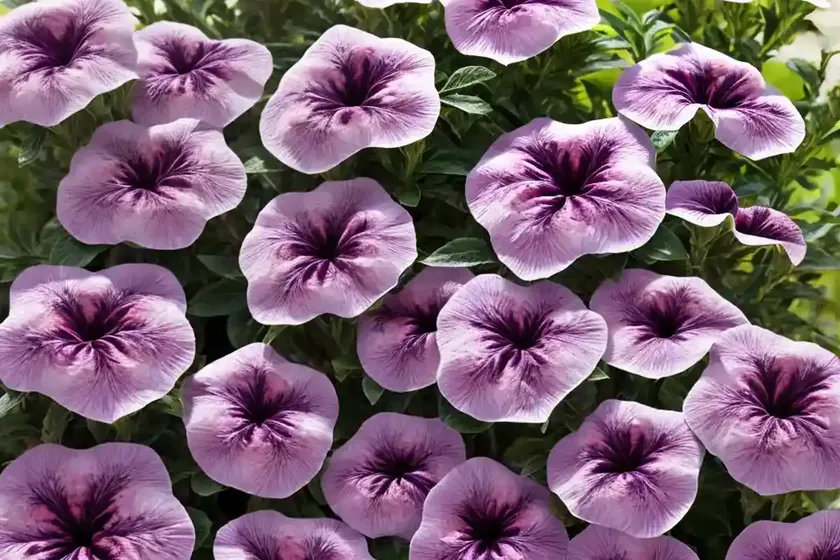
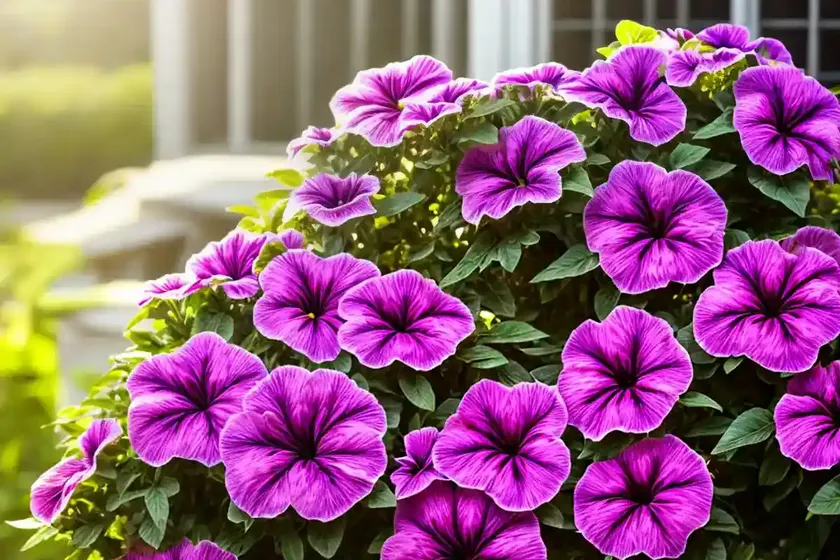
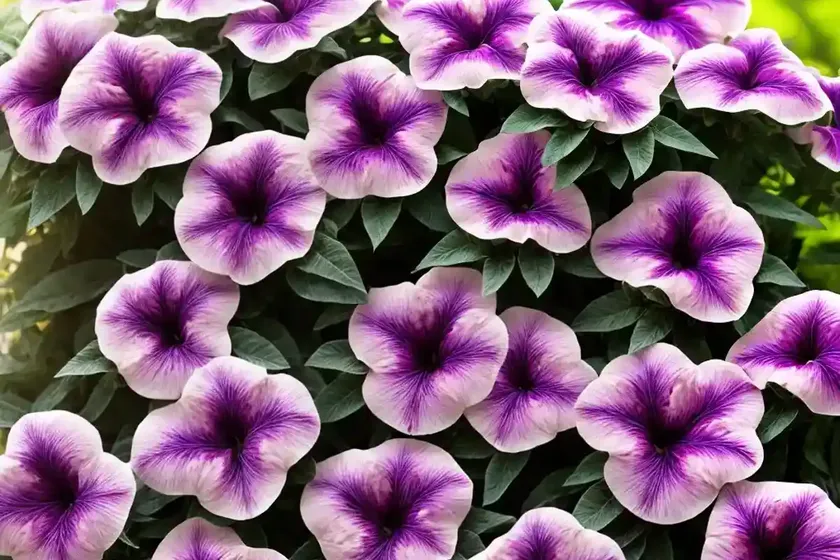
- Garden petunias, with their rich and varied hues, encompass a broad spectrum of colors, including vibrant purples, pinks, reds, blues, and whites, offering a wealth of options for aesthetic combinations in the garden.
- Some petunia varieties display unique patterns or markings on their petals, such as stripes, veining, or contrasting edges, adding visual intrigue to their blossoms.
- Certain garden petunia cultivars are renowned for their fragrant flowers, which can introduce delightful scents to outdoor environments, enhancing sensory experiences for humans and attracting pollinators.
- The versatility of garden petunias extends to their use in cut flower arrangements, where their long stems and abundant blooms make them a valuable addition to floral displays for indoor enjoyment.
Links to External Resources
For additional information about garden petunias, their cultivation, and care, I recommend exploring the following resources:
- The National Gardening Association
- Royal Horticultural Society – Petunias
- University of Florida – Petunia Production Guide
Conclusion
Garden petunias, with their enchanting flowers and adaptability to various growing conditions, offer an abundance of rewards to gardeners and plant enthusiasts. By understanding their cultural needs, recognizing common challenges, and appreciating their ornamental value, we can foster thriving displays of garden petunias that enhance and enrich outdoor spaces. Whether planted in garden beds, hanging baskets, or containers, these versatile flowers bring charm, color, and vitality to the landscape, creating lasting impressions and uplifting the spirits of all who encounter them.
I hope this comprehensive guide has provided valuable insights into the world of garden petunias, empowering you to cultivate these captivating plants with confidence and appreciation for their beauty and resilience. Happy gardening!


