Garden Nasturtium (Tropaeolum Majus)
Garden nasturtium (Tropaeolum majus) is a vibrant and versatile plant that has gained immense popularity in the gardening world. Known for its beautiful.
Introduction to Garden Nasturtium
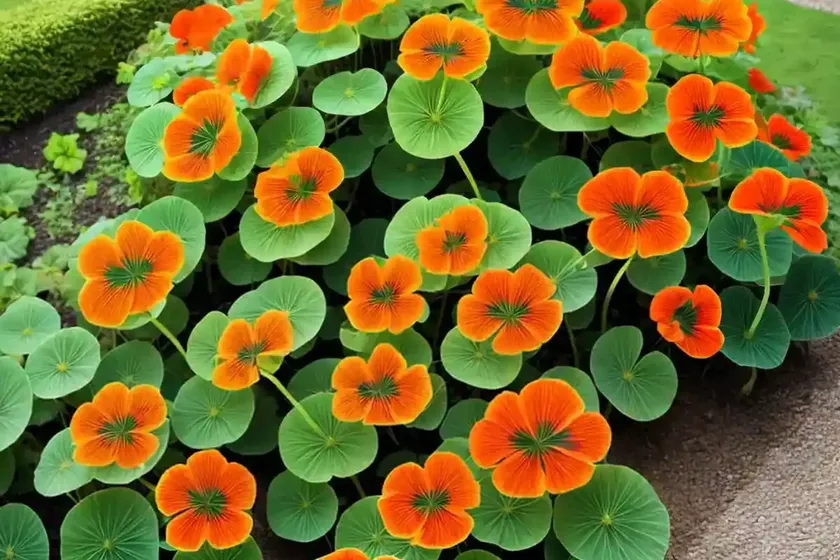
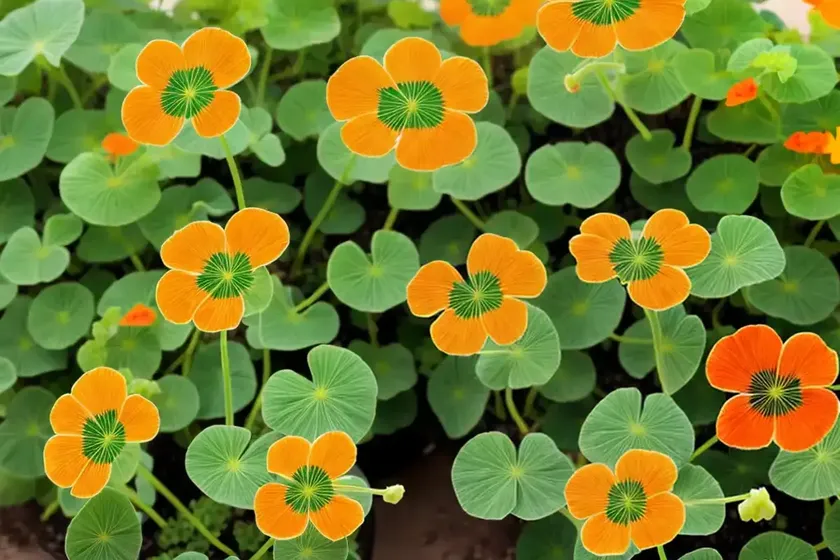
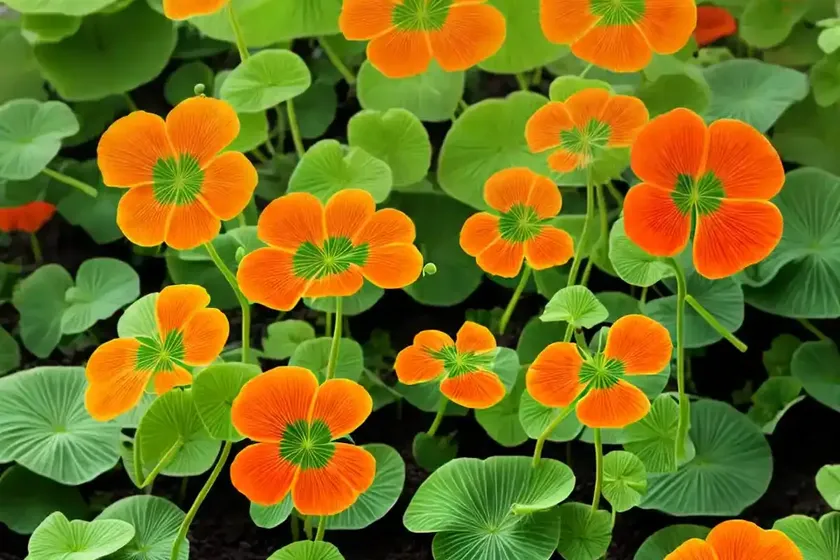
Garden nasturtium (Tropaeolum majus) is a vibrant and versatile plant that has gained immense popularity in the gardening world. Known for its beautiful, edible flowers and lush green foliage, garden nasturtium is an annual plant that belongs to the Tropaeolaceae family. Its botanical name, Tropaeolum, is derived from the Greek word tropaion, which means “trophy,” and this is a nod to the plant’s unique, shield-like leaves.
In this comprehensive guide, we will explore the diverse aspects of garden nasturtium, including its cultivation, uses, care, and much more. Whether you are an avid gardener, a culinary enthusiast, or someone interested in the medicinal properties of plants, this guide will provide valuable insights into the world of garden nasturtium.
Key Takeaways – Garden Nasturtium (Tropaeolum majus)
Before delving into the specifics of garden nasturtium, let’s highlight some key takeaways that will guide our exploration of this fascinating plant:
- Scientific Name: Tropaeolum majus
- Plant Type: Annual
- Uses: Culinary, Ornamental, Medicinal
- Climbing Habit: Can be trained to climb or used as ground cover
- Edibility: Flowers, leaves, and seeds are all edible
- Companion Plant: Beneficial for neighboring vegetables
- Cultivation: Suitable for organic gardening
Now, let’s embark on a journey to unravel the mysteries and wonders of garden nasturtium.
Cultivation of Garden Nasturtium
Water
Garden nasturtium thrives in moderately moist soil, but it is also remarkably drought-tolerant once established. When watering the plant, ensure that the soil is well-drained to prevent waterlogging, which can lead to root rot. During the summer months, regular watering is essential to support the plant’s growth and flowering. However, in cooler weather or during the plant’s dormant phase, reduce the frequency of watering to prevent waterlogged soil.
Sunlight
Garden nasturtium flourishes in full sun to partial shade. Adequate sunlight is crucial for promoting flowering and ensuring the plant’s overall vitality. When grown in partial shade, garden nasturtium may produce fewer flowers, so it is best to provide it with at least 6-8 hours of direct sunlight daily for optimal growth.
Fertilizer
One of the remarkable qualities of garden nasturtium is its ability to thrive in relatively poor soils. Excessive fertilization can lead to vigorous foliage growth at the expense of flowering. However, if the soil is particularly impoverished, a balanced, all-purpose fertilizer can be applied sparingly to promote healthy growth and blooming.
Soil
Garden nasturtium prefers well-drained, moderately fertile soil. It can adapt to various soil types, including sandy, loamy, or rocky soils. A slightly acidic to neutral soil pH ranging from 6.0 to 7.0 is conducive to the plant’s growth. Prior to planting, amend the soil with organic matter to improve its texture and fertility, thereby creating an ideal environment for garden nasturtium to thrive.
Pruning and Propagation
Pruning
Pruning garden nasturtium is relatively straightforward and primarily involves the removal of spent flowers and any withered or yellowing leaves. Deadheading the plant – the process of removing spent blooms – promotes continuous flowering and prevents the formation of seeds, which can inhibit the plant’s flowering capacity. Additionally, regular pruning helps maintain the plant’s shape and encourages a bushy, compact growth habit.
Propagation
Garden nasturtium can be propagated from seeds, making it a highly versatile and easily proliferating plant. The seeds are large and easily identifiable, making them suitable for direct sowing in the garden or in containers. When sowing the seeds, ensure that the soil is consistently moist until germination occurs. The plant readily self-seeds, and its seeds can be collected for subsequent planting, allowing for a continual cycle of growth and renewal.
Container Popularity
Garden nasturtium is a popular choice for container gardening due to its adaptability and ornamental value. Its trailing or climbing habit makes it well-suited for hanging baskets, window boxes, and various types of containers. The plant’s vibrant flowers and lush foliage add a cheerful touch to any outdoor or indoor space, making it a favored selection for gardeners with limited garden space or those seeking to enhance their living environments with natural beauty.
Common Diseases
Garden nasturtium is generally resistant to most diseases, owing to its hardy nature and robust constitution. However, it can occasionally be susceptible to fungal infections, particularly in conditions of excessive moisture or poor air circulation. Powdery mildew and other fungal diseases may occur, manifesting as powdery white spots on the leaves or stems. Implementing proper cultural practices such as adequate spacing, promoting airflow, and avoiding overhead watering can mitigate the risk of disease occurrence.
Disease Diagnosis
When diagnosing potential diseases in garden nasturtium, it is essential to closely examine the plant for any signs of discoloration, spots, or unusual patterns on the leaves and stems. Additionally, observe the plant’s overall vigor and growth patterns, as diseased plants often exhibit stunted growth or wilting. Prompt identification and intervention are crucial for preventing the spread of disease and preserving the plant’s health.
Common Pests
Garden nasturtium is generally resistant to many common garden pests, but it can occasionally attract aphids, caterpillars, and flea beetles. Aphids, in particular, may target the tender new growth of the plant, causing distortion and yellowing of the leaves. Regular inspection and the implementation of natural pest control methods, such as introducing beneficial insects or using organic sprays, can help manage pest infestations without resorting to chemical treatments.
Botanist’s Tips
As a plant scientist deeply passionate about garden nasturtium, I offer the following tips for cultivating and caring for this remarkable plant:
-
Companion Planting: Utilize garden nasturtium as a companion plant to repel certain insect pests and attract beneficial insects, thereby promoting a balanced and harmonious garden ecosystem.
-
Edible Applications: Explore the culinary potential of garden nasturtium by incorporating its colorful flowers and peppery leaves into salads, dressings, and various culinary creations, adding a delightful burst of flavor and visual appeal.
-
Medicinal Properties: Embrace the medicinal properties of garden nasturtium, as its leaves and flowers are rich in vitamins and antioxidants, offering potential health benefits when consumed in moderation.
-
Aesthetic Appeal: Embrace the ornamental beauty of garden nasturtium in diverse garden settings, whether cascading from hanging baskets, adorning containers, or weaving through flower beds, creating an enchanting tapestry of colors and textures.
Fun Facts
Let’s conclude our exploration of garden nasturtium with some intriguing and delightful fun facts about this captivating plant:
- The vibrant blooms of garden nasturtium come in a myriad of colors, including shades of red, orange, yellow, and cream, adding a splash of exuberance to any garden landscape.
- Garden nasturtium is known for its peppery, tangy flavor, which not only enhances culinary dishes but also serves as a natural pest deterrent in the garden.
- The seeds of garden nasturtium are often pickled and used as a caper substitute, offering a unique and delectable addition to various culinary creations.
- In addition to its culinary and ornamental virtues, garden nasturtium has a rich history of traditional medicinal use, with diverse cultures recognizing its potential health-promoting properties.
Links to External Resources
To further enrich your understanding and appreciation of garden nasturtium, I recommend exploring the following external resources:
- Royal Horticultural Society – Tropaeolum majus
- University of Maryland Extension – Growing Nasturtiums
- National Gardening Association – Edible Flowers: Nasturtiums
- Missouri Botanical Garden – Tropaeolum majus
- NC State Extension – Nasturtium: An Edible Flower for the Garden and Table
In Conclusion
In the realm of gardening, culinary arts, and traditional medicine, garden nasturtium (Tropaeolum majus) stands as a versatile and captivating plant with much to offer. From its dazzling display of colorful flowers to its edible leaves and seeds, garden nasturtium continues to captivate and inspire gardeners, chefs, and herbal enthusiasts alike. As we embrace the multifaceted nature of this remarkable plant, may we find joy in its ornamental allure, savor its culinary delights, and appreciate its potential health benefits, celebrating the enduring legacy of garden nasturtium in the botanical world.
So, whether you are considering adding garden nasturtium to your garden, seeking to enhance your culinary repertoire, or exploring its medicinal virtues, may this comprehensive guide serve as a source of inspiration and knowledge, enriching your journey into the enchanting realm of garden nasturtium.


