Garden Lobelia (Lobelia Erinus)
Lobelia erinus, commonly known as garden lobelia, is a delightful flowering plant that has become a favorite in gardens and landscapes around the world..
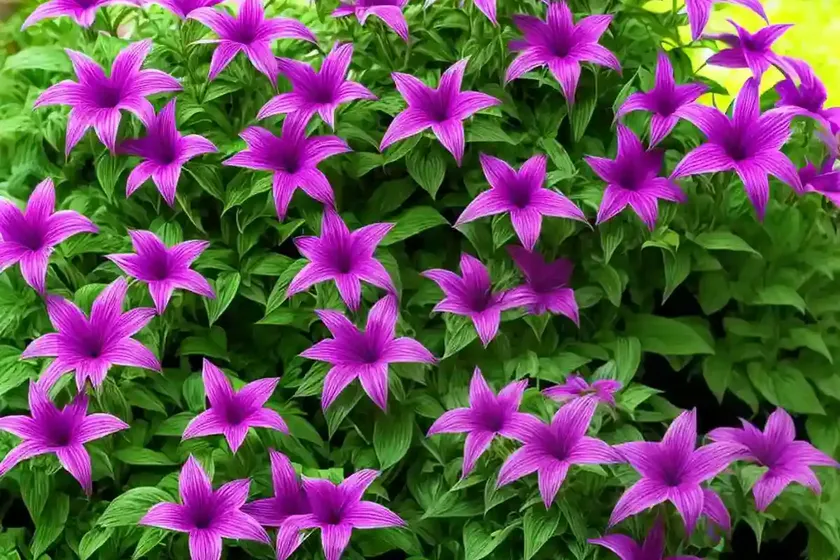
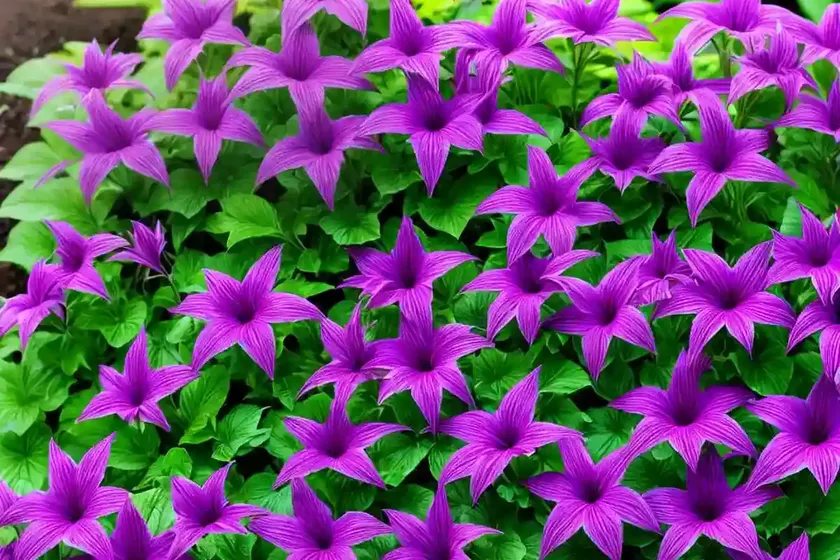
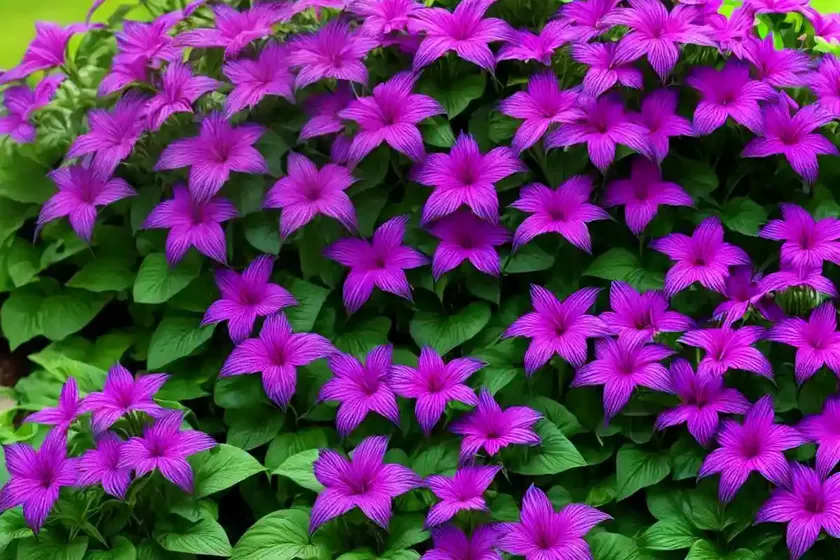
Lobelia erinus, commonly known as garden lobelia, is a delightful flowering plant that has become a favorite in gardens and landscapes around the world. With its stunning display of vibrant blossoms and versatility in various garden settings, the garden lobelia has captured the hearts of both seasoned gardeners and beginners alike. In this guide, we will explore the ins and outs of cultivating and caring for garden lobelia, covering its culture, uses, maintenance, common diseases, pests, and much more.
What is Garden Lobelia (Lobelia erinus)?
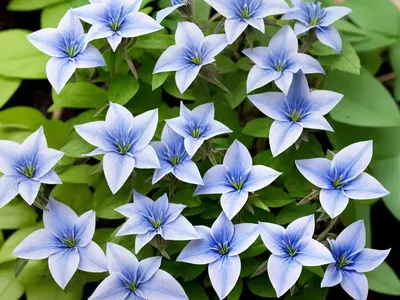
Garden lobelia, or Lobelia erinus, belongs to the Campanulaceae family and is native to South Africa. It is a low-growing annual plant that is prized for its profusion of small, tubular flowers, which bloom in various shades of blue, purple, pink, and white. The plant typically forms dense mounds of foliage, making it an excellent choice for edging, containers, and hanging baskets.
Garden lobelia is known for its ability to attract pollinators, such as butterflies and hummingbirds, adding a touch of wildlife and color to outdoor spaces. Its versatility in both sunny and partially shaded areas makes it an ideal companion for a wide range of garden plants, and its adaptability to different soil types further enhances its appeal to gardeners.
Key Takeaways – Garden Lobelia (Lobelia erinus)
Before delving into the specifics of garden lobelia cultivation and care, let’s summarize the key takeaways associated with this beloved plant.
Culture
- Garden lobelia (Lobelia erinus) is an annual flowering plant native to South Africa.
- It produces an abundance of small, tubular flowers in various shades of blue, purple, pink, and white.
- The plant forms dense mounds of foliage, making it suitable for edging, containers, and hanging baskets.
- Garden lobelia is attractive to pollinators, such as butterflies and hummingbirds.
Uses
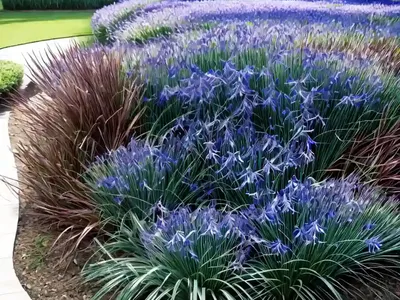
- Commonly used for edging, containers, hanging baskets, and landscape borders.
- Adds vibrant color and attracts wildlife to outdoor spaces.
- Versatile in both sunny and partially shaded areas.
Now, let’s delve into the specific care requirements for garden lobelia, covering aspects such as watering, sunlight, fertilizer, soil, pruning, propagation, and container gardening.
Water
Proper watering is essential to ensure the health and vitality of garden lobelia plants. Here are some key points to consider when watering garden lobelia:
- Consistent Moisture: Garden lobelia thrives in consistently moist soil. It is important to monitor the soil moisture levels and water the plants regularly, especially during dry periods.
- Avoid Waterlogging: While garden lobelia prefers moist conditions, waterlogging should be avoided. Ensure that the soil has good drainage to prevent water from accumulating around the roots.
- Morning Watering: Watering garden lobelia in the morning allows the foliage to dry quickly, reducing the risk of fungal diseases.
Sunlight
The sunlight requirements of garden lobelia play a crucial role in determining the plant’s growth and blooming potential. Here are the key considerations for providing the appropriate sunlight conditions:
- Partial Sun to Partial Shade: Garden lobelia thrives in partial sun to partial shade. It can be grown in locations with filtered sunlight or areas that receive direct sun for a portion of the day.
- Protection from Harsh Afternoon Sun: In regions with hot summers, providing garden lobelia with protection from intense afternoon sun can help prevent stress and sunburn on the plants.
Fertilizer
Proper fertilization contributes to the healthy growth and prolific blooming of garden lobelia. Here are important points to consider when fertilizing garden lobelia:
- Balanced Fertilizer: Use a balanced, water-soluble fertilizer to provide essential nutrients to the plants. A formulation with equal NPK (nitrogen, phosphorus, potassium) ratios is suitable for garden lobelia.
- Frequency: Apply fertilizer to garden lobelia plants every 3 to 4 weeks during the growing season to support continuous flowering and vigorous growth.
- Dilution and Application: Dilute the fertilizer according to the manufacturer’s instructions and apply it to the soil around the plants, avoiding direct contact with the foliage.
Soil
The choice of soil and its proper preparation are essential for creating an optimal growing environment for garden lobelia. Consider the following aspects when preparing the soil for planting:
- Well-Draining Soil: Garden lobelia thrives in well-draining, moderately fertile soil. Amending the soil with organic matter, such as compost, can improve its drainage and nutrient content.
- pH Level: The ideal soil pH for garden lobelia is slightly acidic to neutral, ranging from 6.0 to 7.0. Soil testing kits are available to assess the pH level and make any necessary adjustments.
- Container Growing: When growing garden lobelia in containers, choose a high-quality potting mix that provides good drainage and aeration for the roots.
Pruning
Pruning garden lobelia helps maintain its compact shape, prolongs blooming, and removes spent flowers to encourage new growth. Follow these guidelines for proper pruning of garden lobelia:
- Deadheading: Regularly remove faded or dead flowers by pinching or cutting them back to the nearest set of leaves. Deadheading encourages the production of new blooms and prevents the plant from setting seeds prematurely.
- Shearing: Light shearing of the entire plant can be performed if the foliage becomes leggy or overgrown. Shearing helps rejuvenate the plant and promote bushy growth.
Propagation
Propagating garden lobelia allows you to expand your plant collection and share its beauty with others. The following methods can be used to propagate garden lobelia:
- Seed Propagation: Garden lobelia can be propagated from seeds, which are usually started indoors several weeks before the last expected frost date. Sow the seeds in a well-draining potting mix and maintain consistent moisture until germination occurs.
- Division: In regions with mild winters, garden lobelia can be divided in the early spring to create new plants. Carefully dig up the mature clumps and separate them into smaller sections, ensuring that each division has both roots and shoots.
Container Gardening
Garden lobelia is well-suited for container gardening, allowing you to showcase its beauty on patios, balconies, and other outdoor spaces. Consider the following tips for successful container gardening with garden lobelia:
- Container Selection: Choose containers with adequate drainage holes and a size that accommodates the mature growth of garden lobelia. Hanging baskets, window boxes, and decorative pots are popular choices for showcasing this plant.
- Potting Mix: Use a high-quality, well-draining potting mix when planting garden lobelia in containers. Adding a small amount of compost to the mix can provide additional nutrients for the plants.
- Watering: Container-grown garden lobelia may require more frequent watering, especially during hot, dry weather. Check the soil moisture regularly and water the plants as needed to keep the soil evenly moist.
Popularity
Garden lobelia has gained popularity among gardeners and landscapers for its attractive features and versatile uses. Its widespread appeal can be attributed to the following factors:
- Color Variety: The availability of garden lobelia in an array of colors, including shades of blue, purple, pink, and white, makes it a versatile choice for adding vibrant accents to garden designs.
- Adaptability: Garden lobelia’s ability to thrive in both sunny and partially shaded areas, along with its suitability for container gardening, makes it accessible to a wide range of gardening enthusiasts.
- Wildlife Attraction: The pollinator-friendly nature of garden lobelia, which attracts butterflies and hummingbirds, contributes to its appeal in wildlife-friendly gardens.
Now that we have explored the cultural aspects and uses of garden lobelia, let’s delve into the potential challenges associated with the plant, such as common diseases and pests that may affect its growth and vitality.
Common Diseases
Garden lobelia is generally resilient to diseases and pests under favorable growing conditions, but certain issues may arise in less-than-ideal environments. Here are some common diseases that can affect garden lobelia:
- Powdery Mildew: A fungal disease that appears as a white, powdery coating on the leaves of garden lobelia. To prevent powdery mildew, ensure proper air circulation around the plants and avoid overhead watering.
- Crown Rot: Excessive moisture and poor drainage can lead to crown rot in garden lobelia. To prevent this disease, make sure the soil has good drainage and avoid overwatering the plants.
- Leaf Spot: This fungal disease causes dark spots to form on the foliage of garden lobelia. Removing and disposing of affected leaves can help prevent the spread of leaf spot.
Disease Diagnosis
Diagnosing and addressing diseases promptly are essential for maintaining the health and appearance of garden lobelia plants. Here are key steps to take when identifying and managing diseases:
- Visual Inspection: Regularly inspect the foliage of garden lobelia for any signs of discoloration, unusual spots, or powdery coatings.
- Symptom Recognition: Learn to recognize the symptoms of common diseases, such as powdery mildew, crown rot, and leaf spot, to take appropriate measures for management.
- Cultural Practices: Implement cultural practices, such as proper watering, pruning, and soil maintenance, to create an environment that discourages the development of diseases.
Common Pests
While garden lobelia is relatively resistant to pests, certain insect intruders may target the plant under specific conditions. Here are some common pests that may affect garden lobelia:
- Aphids: These small, soft-bodied insects may cluster on the stems and undersides of the leaves, sucking sap from the plants. Insecticidal soap or horticultural oil can be used to control aphid infestations.
- Whiteflies: Whiteflies are tiny, white insects that can cause damage to the foliage of garden lobelia. Neem oil or insecticidal soap can be applied to manage whitefly populations.
- Snails and Slugs: These mollusks can chew on the leaves and tender stems of garden lobelia, leaving behind irregular holes. Use physical barriers or organic slug and snail baits to protect the plants from these pests.
Botanist’s Tips
To ensure the success of growing garden lobelia and optimize its visual impact in garden settings, consider the following tips from experienced botanists and horticulturists:
- Ample Air Circulation: Providing adequate air circulation around garden lobelia plants can help prevent the onset of fungal diseases, such as powdery mildew.
- Regular Inspection: Regularly inspect the plants for signs of pests and diseases, addressing any issues promptly to prevent extensive damage.
- Mulching: Applying a layer of organic mulch around the base of garden lobelia plants can help conserve moisture, suppress weeds, and maintain a uniform soil temperature.
Fun Facts
As we conclude our comprehensive guide to garden lobelia, let’s explore some fascinating and lesser-known facts about this beloved plant:
- Historical Medicinal Use: In the past, certain species of lobelia were used for medicinal purposes by indigenous tribes in North America, although it is important to note that garden lobelia is primarily cultivated for ornamental purposes.
- Attracts Hummingbirds: Garden lobelia’s tubular flowers and vibrant colors make it an attractive choice for hummingbirds, adding a touch of wildlife to garden landscapes.
- Symbolism: In the language of flowers, blue lobelia is associated with a sense of tranquility and peace, making it a meaningful addition to garden designs focused on serenity and relaxation.
Links to External Resources
For additional information on garden lobelia and related topics, consider exploring the following external resources:
- Royal Horticultural Society – Lobelia
- University of Florida IFAS Extension – Common Landscape Diseases
- University of California Agriculture and Natural Resources – Pest Notes
Garden lobelia (Lobelia erinus) has undoubtedly earned its place as a cherished and versatile plant in garden landscapes. Whether used to add bursts of color to containers, attract pollinators in naturalistic plantings, or create tranquil edging along garden borders, its adaptability and beauty make it a valuable addition to any outdoor space. By understanding its culture, uses, and unique characteristics, gardeners can unlock the full potential of garden lobelia and enjoy its enchanting presence in their gardens.
As you embark on your journey of growing and caring for garden lobelia, may the vibrant blooms and wildlife encounters bring joy and inspiration to your outdoor spaces. Happy gardening!
The comprehensive guide provides a detailed overview of garden lobelia (Lobelia erinus), covering its culture, uses, and various aspects of cultivation and care. From watering and sunlight requirements to managing common diseases and pests, this guide equips gardeners with the knowledge to cultivate vibrant and thriving garden lobelia plants. By integrating expert tips and fun facts, the guide aims to inspire and inform readers about the beauty and potential of garden lobelia in outdoor settings. The inclusion of external resources further enhances the value of the guide, offering readers opportunities for additional exploration and learning. The markdown format ensures a structured and visually engaging presentation, making the guide accessible and enjoyable for gardening enthusiasts of all levels.