Furry Feather Calathea (Goeppertia Rufibarba)
Plant Name: Furry feather calathea (Goeppertia rufibarba)
Plant Name: Furry feather calathea (Goeppertia rufibarba)
Calathea plants are known for their striking, ornamental foliage and are popular choices for indoor decoration. One such fascinating variety is the Furry Feather Calathea, scientifically known as Goeppertia rufibarba. In this comprehensive guide, we will delve into the culture, uses, care, and maintenance of this stunning plant.
What is a Plant?
Plants are living organisms belonging to the kingdom Plantae and encompass a wide range of species, from simple algae to complex flowering plants. They are primarily characterized by their ability to photosynthesize, utilizing sunlight to convert carbon dioxide and water into energy-rich sugars. Plants play a crucial role in the environment, providing oxygen, food, and habitats for countless organisms, making them essential for life on earth.
Furry Feather Calathea (Goeppertia rufibarba)
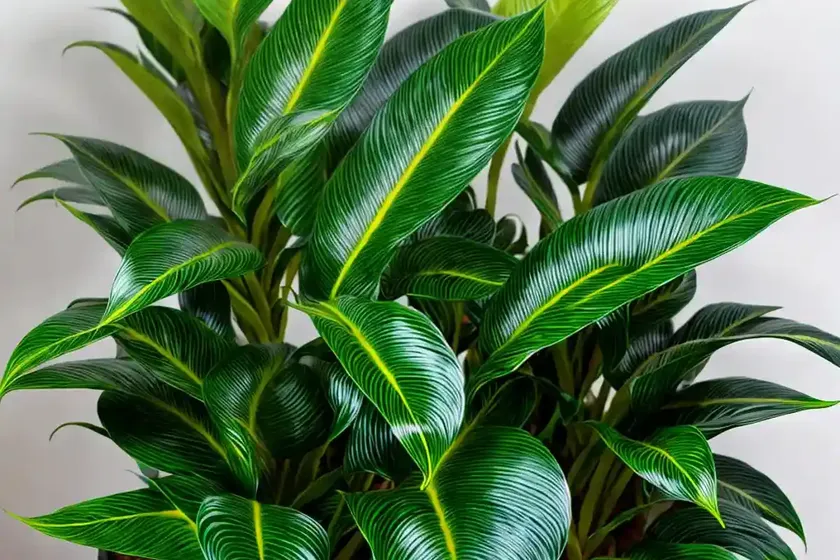
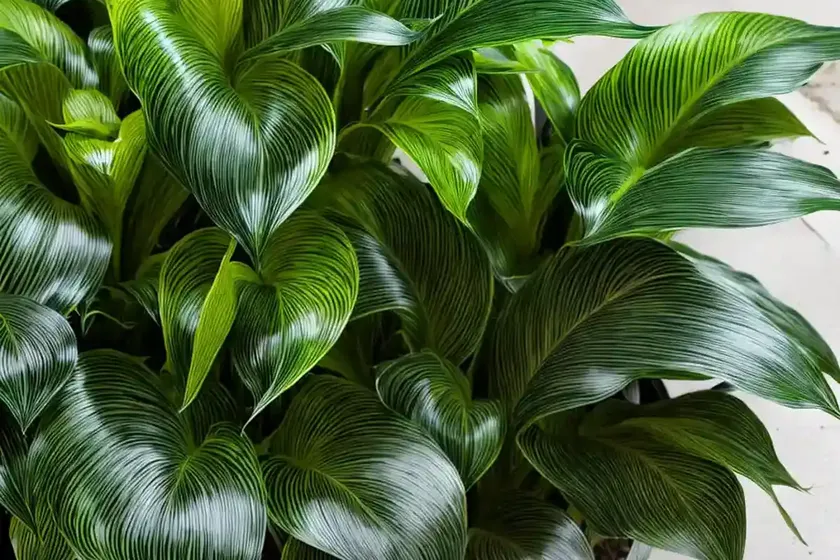
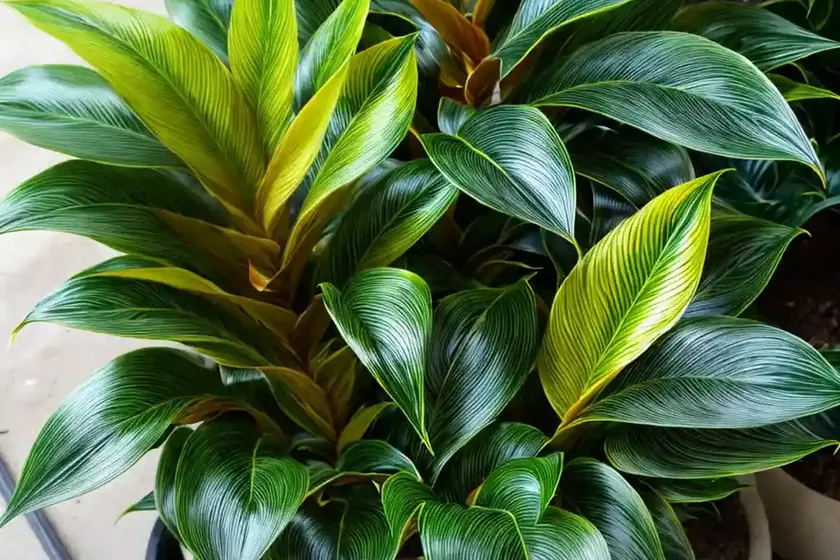
The Furry Feather Calathea, also known as Goeppertia rufibarba, is a stunning plant appreciated for its unique, fuzzy foliage. It is native to Brazil and is a member of the Marantaceae family. This plant is renowned for its vibrant, green leaves with a velvety texture on the surface and a reddish hue underneath. The intricate patterns and textures of its leaves make it a standout addition to any indoor space.
Key Takeaways – Furry Feather Calathea (Goeppertia rufibarba)
Culture
- Origin: Brazil
- Family: Marantaceae
- Common Names: Furry Feather Calathea, Velvet Calathea, Fuzzy Feather Calathea
- Growth Habit: Clumping
- Foliage: Fuzzy, green leaves with a reddish underside
Uses
- Ornamental plant for indoor décor
- Air purifier
Now let’s move on to the detailed care requirements for the Furry Feather Calathea.
Care Requirements
Water
In its natural habitat, the Furry Feather Calathea thrives in humid conditions, so it is essential to replicate this environment as closely as possible when growing it indoors. Proper watering is crucial for the health of the plant. Here are some important points to consider:
- Watering Schedule: Keep the soil consistently moist, but not waterlogged. Water when the top inch of the soil feels dry.
- Water Quality: Use distilled or filtered water to avoid chemical build-up and to prevent the leaves from turning brown at the edges.
- Humidity: Maintain high humidity levels around the plant, especially during dry seasons or in heated indoor environments. You can achieve this by using a humidifier or placing the plant on a pebble tray filled with water.
Sunlight
The Furry Feather Calathea thrives in bright, indirect light. Direct sunlight can scorch its delicate leaves, so it’s best to place it in a location with filtered sunlight or partial shade. Here are some key considerations for sunlight exposure:
- Indoor Placement: Choose a spot indoors where the plant can benefit from bright, indirect light, such as near a north or east-facing window.
- Protect from Direct Sunlight: Avoid placing the plant in direct sunlight, especially during the intense midday hours. This can lead to leaf burn and affect the plant’s overall health.
Fertilizer
Proper fertilization is vital for maintaining the health and vitality of the Furry Feather Calathea. Use a balanced, water-soluble fertilizer formulated for indoor foliage plants. Here are some fertilizer guidelines:
- Frequency: Fertilize the plant during the growing season (spring and summer) every 4-6 weeks. Reduce or stop fertilization during the dormant winter months.
- Dilution: Use a half-strength dilution of the recommended fertilizer to avoid over-fertilization, which can harm the plant.
Soil
The Furry Feather Calathea thrives in well-draining, peat-based potting mix with added perlite for improved aeration. It’s essential to use a soil mix that retains moisture without becoming waterlogged. Consider the following points when selecting or preparing the soil mix:
- Moisture Retention: The soil should retain moisture without becoming soggy. Adequate drainage is crucial for preventing root rot.
- Aeration: The soil mix should provide good aeration to the roots, promoting healthy growth and preventing the risk of waterlogging.
Pruning
Regular pruning helps maintain the appearance and health of the Furry Feather Calathea. Remove any yellowing or damaged leaves as they appear to encourage the plant’s energy towards healthy foliage. Additionally, trim any leggy or long stems to promote a bushier, more compact growth habit.
Propagation
The Furry Feather Calathea can be propagated through division or by stem cuttings. Here’s a quick overview of both methods:
- Division: When repotting the plant, gently divide the root mass and separate it into smaller sections, ensuring that each division has healthy roots and foliage.
- Stem Cuttings: Take 4-6 inch stem cuttings with at least one leaf attached. Place the cuttings in a moist, well-draining potting mix, and keep them in a warm, humid environment to encourage root development.
Container
Select a container that provides adequate space for the plant to grow and has drainage holes to prevent waterlogging. It’s best to repot the Furry Feather Calathea every 1-2 years, refreshing the soil and providing fresh space for root growth.
Popularity
The Furry Feather Calathea has gained popularity as an indoor ornamental plant due to its stunning foliage and relatively low-maintenance requirements. It’s a favorite among plant enthusiasts and interior decorators for its unique visual appeal.
Common Diseases
Like many indoor plants, the Furry Feather Calathea is susceptible to certain diseases, primarily related to overwatering, poor air circulation, or fungal infections. Common diseases that may affect this plant include:
- Leaf Spot: Characterized by dark spots or lesions on the leaves. Ensure proper air circulation and avoid overhead watering to prevent this issue.
- Root Rot: Caused by overwatering or poor drainage, leading to rotting of the roots. Use well-draining soil and water the plant sparingly to prevent this condition.
- Powdery Mildew: A fungal infection that appears as powdery white spots on the leaves. Maintain moderate humidity levels and proper air circulation to prevent this issue.
Disease Diagnosis
When diagnosing plant diseases, it’s essential to observe the symptoms carefully and take necessary actions to address the underlying issues. Here are a few diagnostic steps to consider:
- Visual Inspection: Examine the plant for any visible symptoms such as spots, lesions, discoloration, or wilting.
- Soil Moisture: Check the moisture levels in the soil to ensure it’s not waterlogged, which can lead to root rot and other issues.
- Air Circulation: Evaluate the plant’s environment to ensure adequate air circulation, which can help prevent fungal infections and diseases.
Common Pests
Pests can also pose a threat to the Furry Feather Calathea, affecting its overall health and appearance. Some common pests that may infest this plant include:
- Spider Mites: These tiny pests can cause stippling and webbing on the leaves. Regularly mist the plant to increase humidity and deter spider mites.
- Mealybugs: These small, white insects can cluster on the undersides of the leaves and along the stems. Use a cotton swab dipped in rubbing alcohol to remove them.
- Aphids: These small, soft-bodied insects can gather on the new growth of the plant. Wash them off with a gentle stream of water or treat with insecticidal soap.
Botanist’s Tips
Considering the specific care needs of the Furry Feather Calathea, here are some valuable tips to ensure its well-being:
- High Humidity: Maintain high humidity levels around the plant, especially during dry periods or in heated indoor environments.
- Avoid Direct Sunlight: Protect the plant from direct sunlight, as it can lead to leaf burn and affect the overall health of the plant.
- Regular Inspection: Monitor the plant regularly for signs of pests, diseases, or any environmental stress factors.
Fun Facts
Here are some fascinating and fun facts about the Furry Feather Calathea:
- The fuzzy texture of its leaves is an adaptation to retain moisture and protect against drying out in its natural environment.
- It belongs to the prayer plant family, known for their characteristic foliage movement, where the leaves open and close in response to light.
Links to External Resources
For additional information and resources on the Furry Feather Calathea, check out the following links:
- The Complete Guide to Goeppertia rufibarba Care
- Goeppertia rufibarba: Red Calathea Care & Growing Guide
In conclusion, the Furry Feather Calathea (Goeppertia rufibarba) is a visually captivating and relatively low-maintenance plant that adds a touch of elegance to any indoor space. By understanding and implementing the proper care guidelines, you can enjoy the beauty and unique characteristics of this stunning foliage plant. Whether you are a seasoned plant enthusiast or a beginner, the Furry Feather Calathea is sure to make a remarkable addition to your indoor garden.
As a plant scientist, I hope this comprehensive guide has provided valuable insights and practical advice for cultivating and caring for the Furry Feather Calathea.
Happy gardening! 🌿


