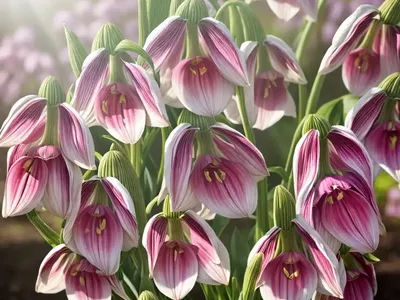
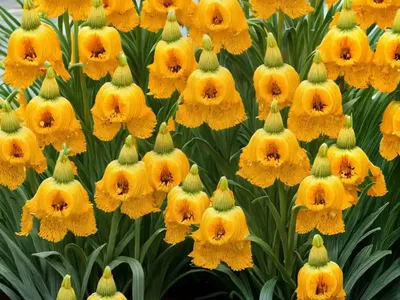
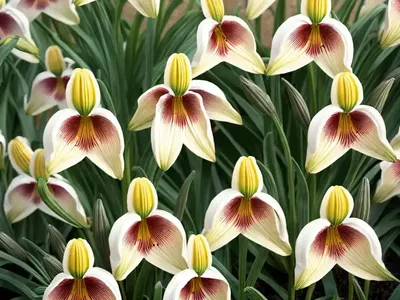
Fritillaria Uva-vulpis (Fox’s Grape Fritillary)
Fritillaria uva-vulpis, commonly known as Fox’s Grape Fritillary, is an exquisite perennial plant that belongs to the lily family, Liliaceae. This.
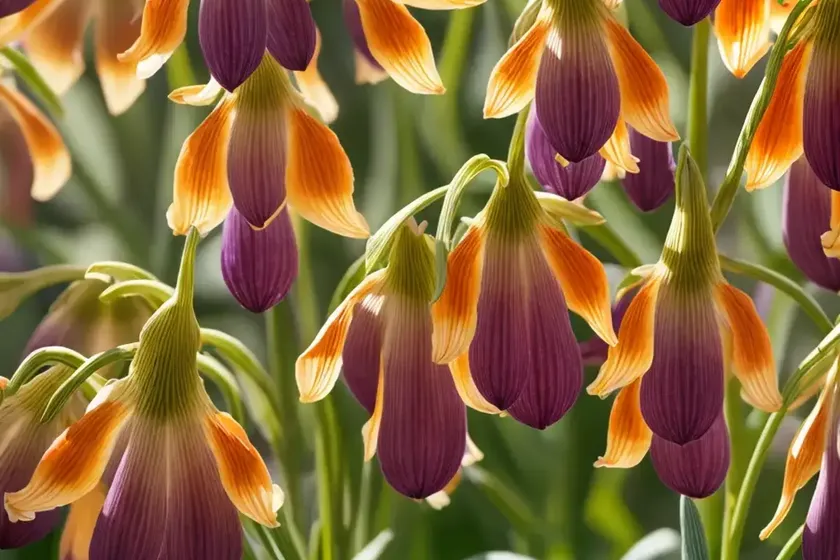
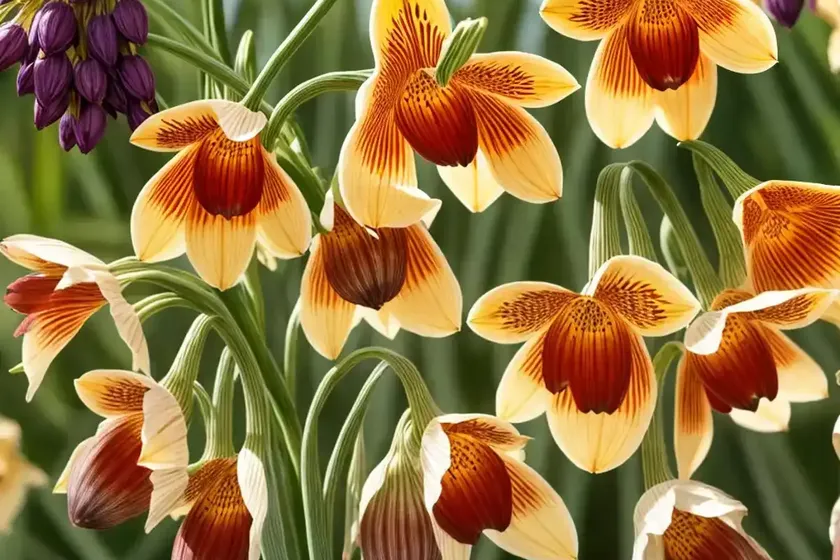
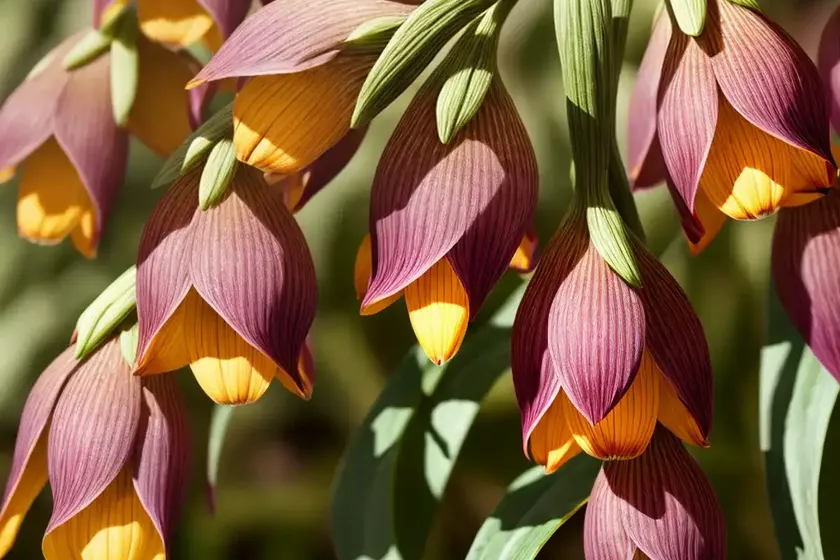
Fritillaria uva-vulpis, commonly known as Fox’s Grape Fritillary, is an exquisite perennial plant that belongs to the lily family, Liliaceae. This beautiful plant is native to the mountainous regions of southwestern Europe, where it thrives in rocky, limestone habitats. Its striking appearance and unique characteristics make it a sought-after garden plant and a subject of interest for plant enthusiasts and botanists alike. In this comprehensive guide, we will delve into the various aspects of Fritillaria uva-vulpis, including its culture, uses, habitat, care tips, and much more.
What is Fritillaria uva-vulpis?
Fritillaria uva-vulpis, commonly referred to as Fox’s Grape Fritillary, derives its name from the Latin words “uva” meaning “grape” and “vulpis” meaning “fox.” This nomenclature is attributed to its grape-like clustered flowers and its habitat, where foxes are known to frequent. The plant is renowned for its fascinating bell-shaped, pendant flowers in shades of purple and green, creating a visually captivating display in the natural landscape.
Key Takeaways – Fritillaria uva-vulpis (Fox’s Grape Fritillary)
Culture
- Type: Perennial
- Family: Liliaceae
- Origin: Southwestern Europe
- Habitat: Rocky, limestone environments
- Flowering: Spring
Uses
- Ornamental: Popular in gardens and natural landscapes
- Medicinal: Some traditional medicinal uses
Water
- Needs: Moderate watering during active growth
Sunlight
- Exposure: Prefers partial shade to full sun
Fertilizer
- Requirement: Light feeding in spring
Soil
- Type: Well-draining, alkaline soil
Pruning
- Method: Remove spent blooms after flowering
Propagation
- Techniques: Seeds, offsets, or bulb division
Container Popularity
- Suitability: Grown in containers but requires adequate space for bulb development
Common Diseases
- Diseases: Susceptible to botrytis and bulb rots
Disease Diagnosis
- Signs: Fading or distorted foliage, mold growth
Common Pests
- Pests: Vulnerable to aphids and thrips
Now, let’s explore each of these aspects in greater detail.
Botanical Description
Fritillaria uva-vulpis is characterized by its erect, slender stems that bear lance-shaped, grey-green leaves. The pendulous flowers, which appear in spring, are the highlight of the plant, with each stem bearing several clusters of bell-shaped blooms. The petals showcase a unique pattern of checkered purple and green, adding to the allure of the plant. Fox’s Grape Fritillary typically reaches a height of around 30-40 centimeters, making it a versatile addition to both garden borders and rock gardens.
Habitat and Natural Distribution
Native to the rugged landscapes of southwestern Europe, Fritillaria uva-vulpis thrives in rocky, limestone terrains, often mingling with other alpine plants. It favors regions with well-drained soil and partial shade, providing an indication of its preferred ecological niche. The plant’s natural distribution encompasses countries such as France, Italy, and Switzerland, where it graces the mountainous slopes with its vibrant display of flowers.
Growing Guide for Fritillaria uva-vulpis
Cultivating Fritillaria uva-vulpis can be a rewarding experience for gardeners and plant enthusiasts. However, to ensure its optimal growth and development, it is crucial to understand the key elements of its care. Let’s delve into the essential aspects of growing Fox’s Grape Fritillary.
Water Needs
Fritillaria uva-vulpis thrives in moderately moist soil during its active growth period in spring. It is essential to provide adequate hydration without waterlogging the soil, as excessive moisture can lead to bulb rot and other detrimental conditions. During the plant’s dormancy phase, typically in summer, it is advisable to reduce watering to prevent potential issues stemming from overly wet conditions.
Sunlight Requirements
In terms of sunlight exposure, Fritillaria uva-vulpis prefers partial shade to full sun. This inclination towards dappled light or light shade underscores its natural habitat in the mountainous regions, where it often grows beneath the shelter of surrounding vegetation. When cultivated in gardens, providing a similar environment with partial shade aids in maintaining the plant’s vigor and promoting prolific flowering.
Soil Conditions
The ideal soil for Fritillaria uva-vulpis is well-draining and slightly alkaline. It is critical to ensure that the soil medium promotes good drainage, as waterlogging can lead to root rot and compromise the plant’s overall health. Additionally, incorporating amendments to enhance the alkalinity of the soil can be beneficial for the long-term well-being of the plant.
Fertilization
Fritillaria uva-vulpis benefits from light feeding in spring, as it emerges from dormancy and initiates its active growth phase. A balanced, organic fertilizer applied in moderation can provide the necessary nutrients to support healthy foliage and robust flower production. It is essential to exercise restraint when fertilizing, as excessive application can lead to adverse effects on the plant.
Pruning Techniques
After the flowering period, pruning Fritillaria uva-vulpis involves the removal of spent blooms and any withered foliage. This routine maintenance helps channel the plant’s energy towards bulb development and prepares it for the subsequent growth cycle. Pruning also serves aesthetic purposes, tidying the plant’s appearance and preventing the formation of seeds, which might divert the plant’s resources from bulb development.
Propagation Methods
Fritillaria uva-vulpis can be propagated through several methods, including seeds, offsets, and bulb division. Seed propagation offers an opportunity to nurture new plants from collected seeds, while offsets and bulb division allow for the multiplication of existing plants. Each technique has its unique requirements and timelines, and selecting the most suitable method depends on the specific goals and resources available to the gardener.
Container Gardening
While Fox’s Grape Fritillary can be cultivated in containers, it is crucial to select ample-sized pots that accommodate the plant’s bulb development. Additionally, the containers should provide adequate drainage and a suitable growing medium to support the plant’s growth. Container gardening offers the flexibility of positioning the plant in optimal light conditions and enables gardeners to create stunning displays with this captivating species.
Fox’s Grape Fritillary in Gardens and Landscapes
Fritillaria uva-vulpis holds significant allure as an ornamental plant, gracing gardens, rockeries, and alpine landscapes with its exquisite blooms. Its unique visual appeal and charming presence make it a valuable addition to diverse garden designs, from traditional herbaceous borders to contemporary naturalistic plantings. Its delicate elegance and distinctive flowers attract admiration from garden visitors and admirers of botanical beauty.
Flowering Season
The flowering season of Fritillaria uva-vulpis typically occurs in spring, adding a touch of early-season color and charm to outdoor spaces. The pendulous clusters of bell-shaped flowers emerge from the plant’s slender stems, creating a captivating spectacle that is both delicate and striking. The prominent shades of purple and green in the flowers contribute to the plant’s allure and highlight its role in heralding the arrival of spring.
Wildlife and Ecological Value
In its natural habitat, Fritillaria uva-vulpis plays a role in supporting local biodiversity, offering nectar and pollen to pollinators such as bees and butterflies. Its presence contributes to the intricate web of interactions that sustain diverse ecosystems, showcasing the ecological significance of this captivating plant. When incorporated into gardens, Fox’s Grape Fritillary can serve as a valuable resource for local wildlife and contribute to the promotion of sustainable, biodiverse landscapes.
Ornamental Qualities
The ornamental qualities of Fritillaria uva-vulpis are undeniable, with its distinctive, pendant flowers and graceful foliage. Its capacity to infuse landscapes with a touch of wild elegance and natural charm makes it a favored choice for designers seeking to integrate unique and visually arresting elements into their compositions. Whether grown in a massed planting or positioned as a solitary specimen, Fox’s Grape Fritillary exudes an air of sophistication and allure.
Gardening Tips
When cultivating Fritillaria uva-vulpis, it is essential to pay attention to the specific needs of this plant and provide an environment that mirrors its native habitat. Consider incorporating it into rock gardens, alpine plantings, or mixed perennial borders to showcase its distinctive qualities and create visually appealing compositions. Additionally, exploring companion plants that complement Fox’s Grape Fritillary can enhance the overall aesthetic and ecological value of the planting scheme.
Fritillaria uva-vulpis: Uses and Medicinal Properties
Beyond its ornamental value, Fritillaria uva-vulpis has been associated with traditional medicinal uses in some cultures. It is important to note that the information presented here is for educational purposes and does not substitute professional medical advice. Let’s explore the potential medicinal properties and historical uses associated with this fascinating plant.
Historical Uses
In certain traditional systems of medicine, Fritillaria species have been utilized for their purported medicinal properties. However, it is crucial to exercise caution and consult qualified healthcare professionals before exploring any potential medicinal applications. The historical context of Fritillaria uva-vulpis as a medicinal plant reflects the longstanding human fascination with plant-based remedies and the exploration of the natural world for health and well-being.
Conservation Status and Endangered Status
As with many plant species, the conservation status of Fritillaria uva-vulpis warrants attention, particularly due to factors such as habitat loss and overcollection. Understanding the conservation status of this species is integral to supporting its continued presence in the natural ecosystem and preserving its biodiversity.
Conclusion
Fritillaria uva-vulpis, or Fox’s Grape Fritillary, stands as a remarkable example of the captivating beauty and ecological importance of plant species. Its graceful demeanor, unique flowers, and cultural significance make it a subject of interest for botanists, gardeners, and nature enthusiasts. By exploring its habitat, characteristics, growing requirements, and potential uses, we gain a deeper insight into the intricate world of plants and the value they contribute to our lives. Whether admired for its ornamental charm, studied for its ecological role, or considered for its potential medicinal properties, Fox’s Grape Fritillary continues to captivate and inspire those who have the opportunity to encounter this captivating plant.
References
[1] Royal Horticultural Society. Fritillaria uva-vulpis. https://www.rhs.org.uk/Plants/9654/Fritillaria-uva-vulpis/Details
[2] International Union for Conservation of Nature (IUCN) Red List. Fritillaria uva-vulpis. https://www.iucnredlist.org/species/172697/7024061