Fritillaria Thunbergii (Thunberg Fritillary)
Plants hold a special place in our lives, offering beauty, oxygen, and a sense of tranquility. Among the diverse array of flora that grace our planet, the.
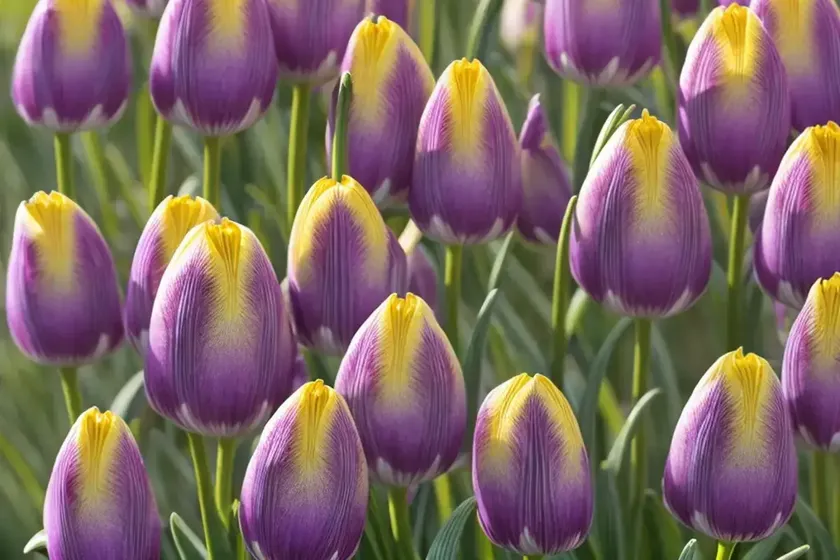
Plants hold a special place in our lives, offering beauty, oxygen, and a sense of tranquility. Among the diverse array of flora that grace our planet, the Fritillaria thunbergii, commonly known as Thunberg Fritillary, stands out as a unique and captivating species. In this comprehensive guide, we’ll delve deep into the world of Fritillaria thunbergii, exploring its cultural significance, characteristics, and everything you need to know to successfully cultivate and care for this stunning plant.
What is Fritillaria thunbergii (Thunberg Fritillary)?
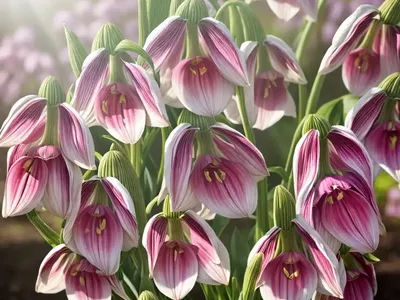
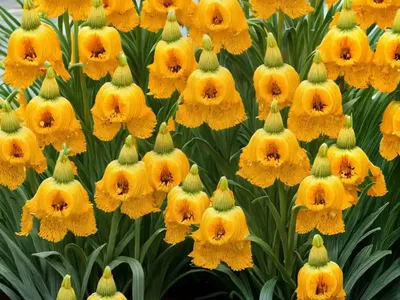
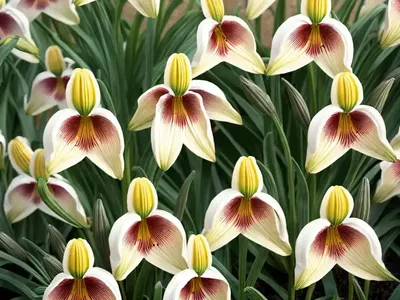
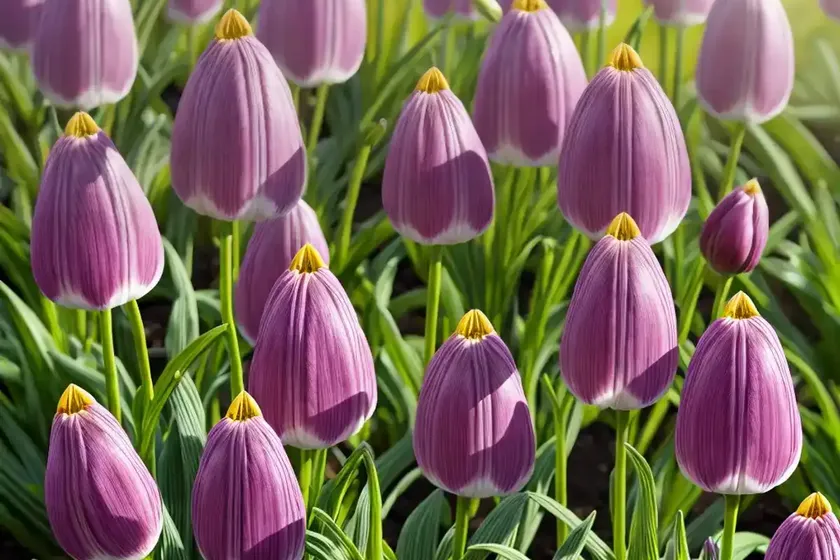
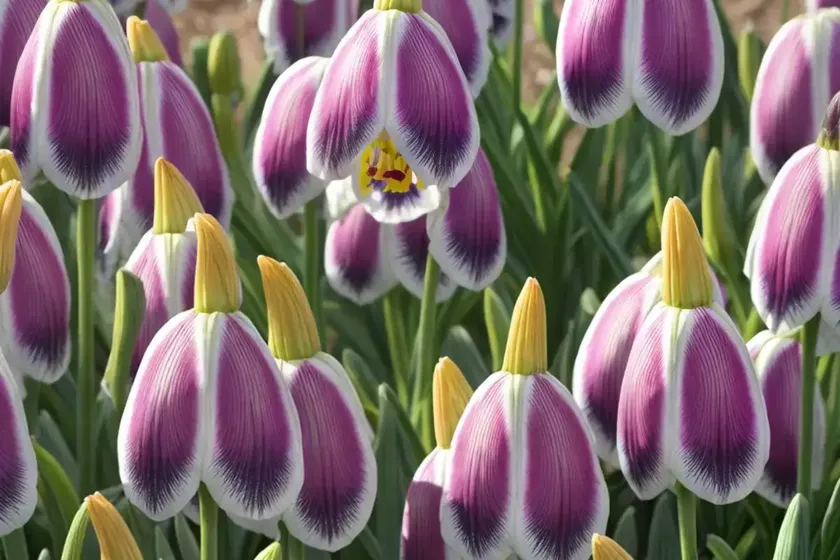
Fritillaria thunbergii is a member of the Liliaceae family and is native to East Asia, including regions of China, Japan, and Korea. This exquisite perennial plant is renowned for its nodding, bell-shaped flowers that are an exquisite orange-red in color, tinged with an ethereal shade of green. The elegant, pendulous blooms of the Thunberg Fritillary are truly a sight to behold, adding a touch of charm to any garden or landscape in which they reside.
Key Takeaways – Fritillaria thunbergii (Thunberg Fritillary)
Before we delve into the details of caring for Fritillaria thunbergii, let’s take a moment to overview the key takeaways associated with this captivating plant.
- Common Name: Thunberg Fritillary
- Scientific Name: Fritillaria thunbergii
- Family: Liliaceae
- Native Habitat: East Asia (China, Japan, Korea)
- Characteristics: Nodding, bell-shaped orange-red flowers
- Cultural Significance: Holds historical and medicinal importance in East Asian traditions
Now, let’s explore the intricacies of cultivating and caring for Fritillaria thunbergii, including its cultural uses, water and sunlight requirements, soil conditions, propagation methods, and more.
Culture
Uses
The Thunberg Fritillary holds both historical and cultural significance in East Asian traditions. In Japan, Fritillaria thunbergii is commonly associated with spring and is often used in traditional flower arrangements, symbolizing the arrival of the season of renewal and new beginnings. Additionally, certain parts of the plant have been used in traditional medicine due to their perceived medicinal properties.
Growing Fritillaria thunbergii
Cultivating Fritillaria thunbergii can be a rewarding experience, provided that the plant’s cultural and environmental needs are carefully met. Let’s explore the key factors to consider when growing Thunberg Fritillary.
Water
Fritillaria thunbergii prefers consistently moist, well-draining soil. During the growing season, which typically spans from early spring to late summer, it’s crucial to ensure that the plant receives an adequate water supply. However, it’s equally important to avoid waterlogging the soil, as excessively wet conditions can lead to root rot and other detrimental issues.
Sunlight
When it comes to sunlight, Fritillaria thunbergii thrives in partial shade to full sun. In its native habitat, the plant is often found growing in woodlands or on forest edges, where it receives dappled sunlight. Therefore, when cultivating Thunberg Fritillary, it’s advisable to provide it with similar light conditions to ensure optimal growth and flowering.
Fertilizer
Applying a balanced, all-purpose fertilizer in the early spring, just as the plant begins its active growth phase, can provide the necessary nutrients to support healthy development and abundant flowering. However, it’s important to follow the recommended dosage and avoid over-fertilization, as this can lead to excessive foliage growth at the expense of flowering.
Soil
Fritillaria thunbergii thrives in well-draining, slightly acidic to neutral soil with a rich organic content. A loamy soil type is ideal for supporting the plant’s growth and overall health. The addition of organic matter, such as well-rotted compost or leaf mold, can further enhance the soil structure and fertility, providing an optimal environment for the Thunberg Fritillary to flourish.
Pruning
Pruning requirements for Fritillaria thunbergii are minimal, primarily focusing on the removal of spent flowers once they have faded. This practice not only maintains the aesthetic appeal of the plant but also redirects its energy towards developing strong, healthy bulbs for the next growing season. Additionally, removing any discolored or damaged foliage can help prevent the spread of diseases and promote overall plant vigor.
Propagation
Fritillaria thunbergii can be propagated through several methods, including division of offsets, seed propagation, and bulb scales. The most common and reliable method, particularly for gardeners and horticulturists, is propagation through bulb offsets. This involves carefully dividing the bulb clusters during the plant’s dormant period and replanting the offsets in suitable growing locations. Seed propagation is also a viable option, although it requires patience and careful attention to the specific germination requirements of Fritillaria thunbergii seeds.
Container Popularity
While Fritillaria thunbergii can be successfully grown in containers, it’s essential to select a suitable container size and ensure adequate drainage. The plant’s elegant, pendulous flowers and unique foliage make it a popular choice among container gardening enthusiasts, adding a touch of charm to patio spaces, balconies, and other outdoor areas. The Thunberg Fritillary’s striking blooms are particularly captivating when they cascade over the edges of containers, creating a stunning visual display.
Common Diseases
Fritillaria thunbergii is generally resilient to common plant diseases. However, certain issues such as botrytis, rust, and stem rot can occur under unfavorable growing conditions or when the plant is subjected to prolonged periods of high humidity. Implementing proper cultural practices, such as providing adequate air circulation and avoiding over-watering, can significantly reduce the risk of these diseases.
Disease Diagnosis
Diagnosing diseases in Fritillaria thunbergii primarily involves careful observation of the plant’s foliage, flowers, and overall vigor. Symptoms such as discolored, spotted, or wilting foliage, as well as the presence of abnormal growths or lesions, can indicate potential disease issues. In such cases, it’s important to promptly take action to mitigate the spread of the disease and restore the plant’s health.
Common Pests
While Fritillaria thunbergii is relatively unaffected by common garden pests, occasional encounters with aphids, slugs, and snails may occur. Monitoring the plant for signs of pest activity and implementing appropriate pest control measures, such as handpicking pests, using natural predators, or applying organic pest deterrents, can effectively manage pest populations without resorting to chemical interventions.
Botanist’s Tips
As a botanist, I’ve had the privilege of studying and admiring the captivating beauty of Fritillaria thunbergii in its natural habitat. Here are a few valuable tips to consider when cultivating and caring for the Thunberg Fritillary:
-
Acclimate to Natural Woodland Conditions: When designing a garden or landscape that incorporates Fritillaria thunbergii, consider emulating the plant’s natural woodland habitat, providing partial shade and well-draining soil to mimic its native growing environment.
-
Promote Biodiversity: Fritillaria thunbergii can serve as a valuable addition to garden ecosystems, attracting pollinators and adding visual interest. When choosing companion plants, select species that promote biodiversity and create a harmonious environment for the Thunberg Fritillary and other wildlife.
-
Respect Cultural Significance: In regions where Fritillaria thunbergii holds cultural or historical significance, it’s essential to approach the plant with respect and appreciation for its traditional uses, symbolism, and importance in local heritage.
Fun Facts
Uncover the enchanting allure of Fritillaria thunbergii with these fun and intriguing facts about the Thunberg Fritillary:
- The species name “thunbergii” is a tribute to Carl Peter Thunberg, a renowned botanist who made significant contributions to the study of East Asian flora.
- In traditional Japanese folklore, Fritillaria thunbergii is associated with themes of renewal, transformation, and the arrival of spring, symbolizing the transient beauty of life.
- The pendulous flowers of Fritillaria thunbergii exhibit an unusual color palette, blending shades of orange-red and green that create a captivating and unique visual display.
- Fritillaria thunbergii bulbs have been historically used in herbal medicine for their purported healing properties, particularly in traditional East Asian medicinal practices.
Links to External Resources
For further information on Fritillaria thunbergii, its cultivation, and cultural significance, I recommend exploring the following external resources:
- Royal Horticultural Society – Fritillaria thunbergii
- Missouri Botanical Garden – Fritillaria thunbergii
- American Society for the Prevention of Cruelty to Plants – Fritillaria thunbergii Care Guide
In conclusion, Fritillaria thunbergii, with its captivating beauty and cultural significance, is a plant that enchants and captivates all who encounter it. By understanding and meeting its cultural and environmental requirements, gardeners and plant enthusiasts can cultivate and cherish this remarkable species, perpetuating its legacy and significance for generations to come.
Remember, while caring for Fritillaria thunbergii, it’s important to approach the plant with reverence for its natural and cultural history, allowing its intrinsic beauty to shine forth in your garden or landscape.
As a plant scientist dedicated to exploring the wonders of the botanical world, I find immense joy in sharing knowledge and insights about remarkable plants such as Fritillaria thunbergii. If you have any questions or would like to delve further into the captivating realm of plants and flowers, feel free to reach out and cultivate the boundless beauty that nature has to offer.