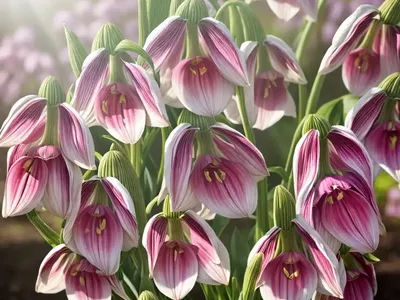
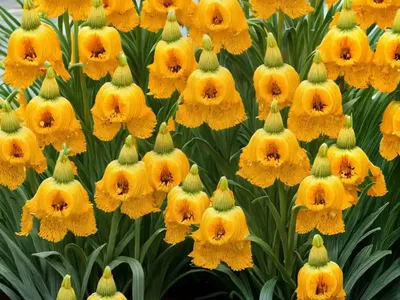
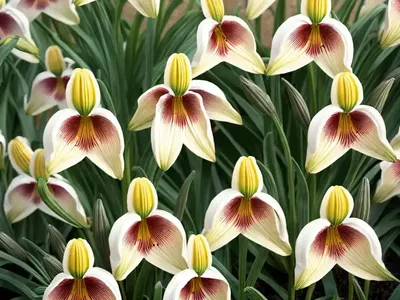
Fritillaria Meleagris Var. Unicolor Subvar. Alba (Checkered Lily)
Fritillaria meleagris var. unicolor subvar. alba, also known as the Checkered Lily, is an enchanting spring-blooming bulbous plant that belongs to the.
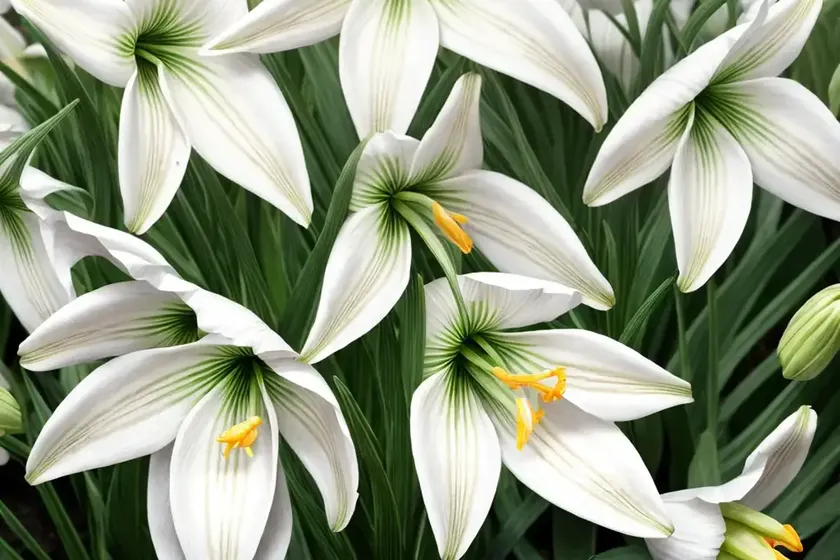
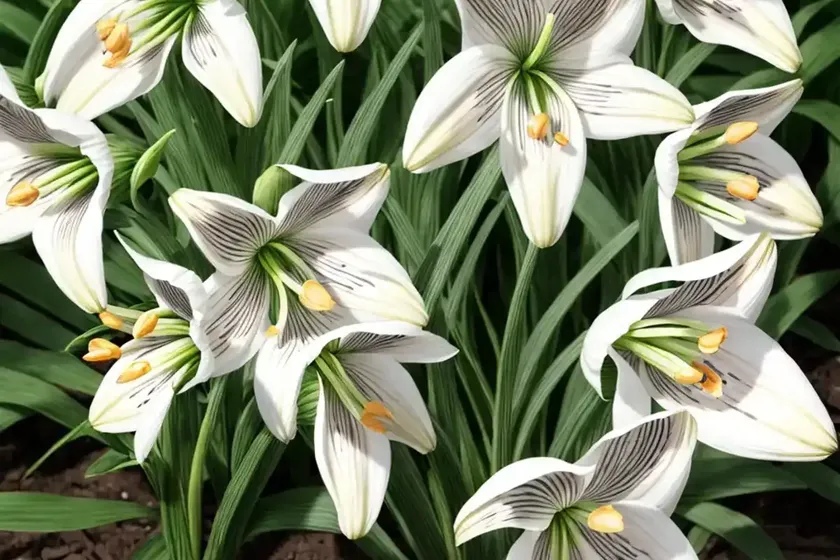
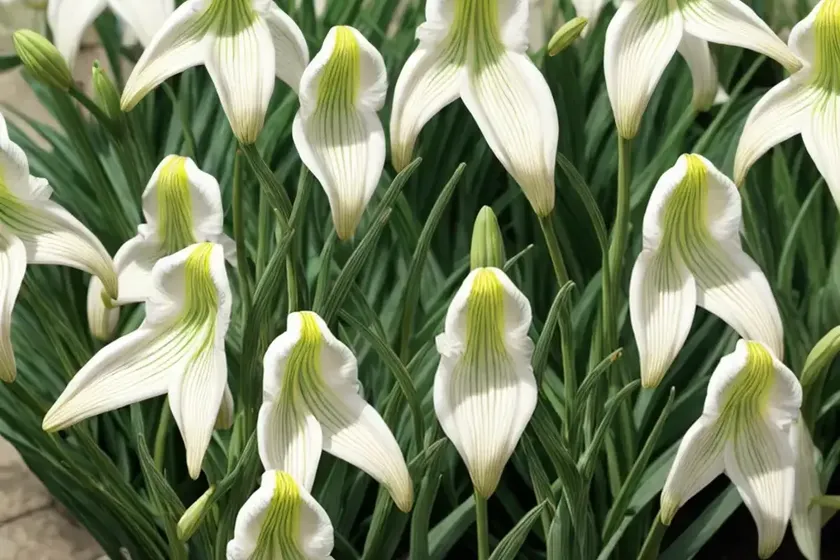
Fritillaria meleagris var. unicolor subvar. alba, also known as the Checkered Lily, is an enchanting spring-blooming bulbous plant that belongs to the Liliaceae family. This captivating flower is known for its distinctive checkered pattern and beautiful color variations. In this comprehensive guide, we will delve into the culture, uses, care, and propagation of Fritillaria meleagris var. unicolor subvar. alba, along with tips for growing and maintaining this exquisite plant.
What is Fritillaria meleagris var. unicolor subvar. alba?
Fritillaria meleagris var. unicolor subvar. alba, commonly referred to as the Checkered Lily, is a striking perennial plant native to Europe and Western Asia. The genus name “Fritillaria” is derived from the Latin word “fritillus,” which means a dice-box, owing to the checkered pattern that resembles the markings on gaming dice. The species name “meleagris” is attributed to the guinea fowl’s plumage, akin to the flower’s unique spotted or checkered appearance.
The Checkered Lily is characterized by its elegant nodding, bell-shaped flowers with a distinct checkerboard pattern in shades of white, cream, and light pink. The plant typically reaches a height of 15-30 cm (6-12 inches) and blooms in early spring, adding a touch of charm to woodland gardens, rock gardens, and naturalized settings.
Key Takeaways – Fritillaria meleagris var. unicolor subvar. alba (Checkered Lily)
Culture
- The Checkered Lily thrives in cool, moist climates.
- It prefers well-draining soil and can be grown in acidic to slightly alkaline soil pH.
- This plant is well-suited for naturalizing in lawns and woodland areas.
Uses
- Ornamental: Fritillaria meleagris var. unicolor subvar. alba is treasured for its ornamental value, and its unique flowers make it a delightful addition to gardens and landscapes.
- Medicinal: Some species of Fritillaria are used in traditional medicine for various therapeutic purposes, although it is important to note that the medicinal uses of Checkered Lily specifically should be thoroughly researched before use.
Water
- The Checkered Lily requires regular watering during its active growth phase but should be allowed to dry out between watering to prevent waterlogging and root rot.
Sunlight
- The plant thrives in partial shade to full sun, making it adaptable to a variety of light conditions.
Fertilizer
- Apply a balanced, all-purpose fertilizer before the growing season to encourage healthy growth and prolific blooming.
Soil
- Fertile, humus-rich soil with good drainage is ideal for Fritillaria meleagris var. unicolor subvar. alba.
Pruning
- After flowering, allow the foliage to wither and die back naturally to allow the bulbs to store nutrients for the next growing season.
Propagation
- Checkered Lilies can be propagated through division of offsets or by seed, although seed propagation is a slower method.
Container Popularity
- Fritillaria meleagris var. unicolor subvar. alba can also be cultivated in containers, making it a versatile choice for small gardens and patios.
Container Common Diseases
- Container-grown Checkered Lilies are susceptible to some common diseases such as fungal infections. Proper sanitation and well-draining soil can help prevent these issues.
Disease Diagnosis
- Symptoms of diseases in Fritillaria meleagris var. unicolor subvar. alba include leaf spots, wilting, and stunted growth. It is essential to promptly diagnose and treat any suspected diseases to prevent spread and damage to the plant.
Common Pests
- The plant may be vulnerable to pests such as aphids and bulb flies. Regular monitoring and integrated pest management practices can help control pest infestations.
Botanist’s Tips
- Plant the bulbs at a depth of 5-8 cm (2-3 inches) in the soil, ensuring they are not exposed to excessive moisture.
- Mulching around the bulbs can help regulate soil moisture and protect them from extreme temperatures.
Fun Facts
- The Checkered Lily is also known by other charming names, such as Snake’s Head Lily and Guinea Hen Flower.
- In the language of flowers, the Checkered Lily symbolizes innocence and purity, adding a deeper layer of meaning to its enchanting blooms.
Links to External Resources
Fritillaria meleagris var. unicolor subvar. alba, or the Checkered Lily, with its captivating appearance and remarkable characteristics, is an alluring addition to any garden. Whether planted in naturalistic drifts in a woodland setting or showcased in a container on a patio, this elegant spring-blooming flower never fails to captivate and delight with its enchanting presence.
- Grey-Wilson C, Mathew B. Fritillaria: a revised classification: together with an updated and extended list of Fritillaria species. Alp Garden Soc
- Fritillaria meleagris – Checkered Lily. Missouri Botanical Garden
- Fritillaria meleagris. Royal Horticultural Society