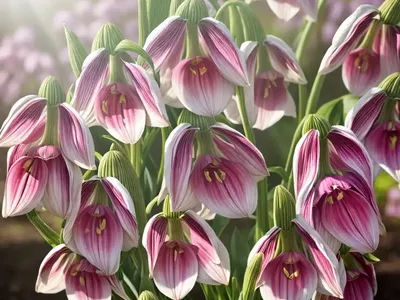
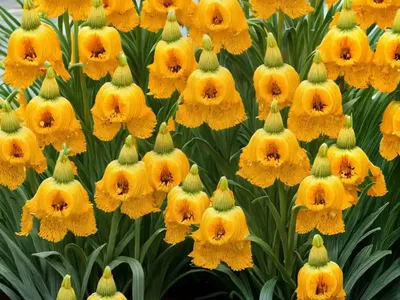
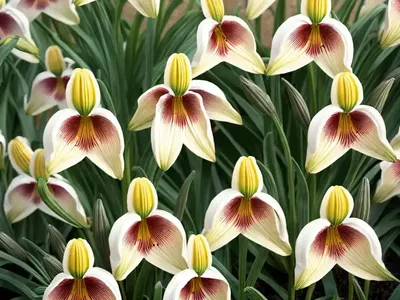
Fritillaria Imperialis ‘Rubra Maxima’ (Crown Imperial)
Fritillaria imperialis ‘Rubra Maxima’ is a striking spring-blooming perennial plant that belongs to the Liliaceae family. Commonly known as the Crown.
Introduction: What is Fritillaria imperialis ‘Rubra Maxima’?
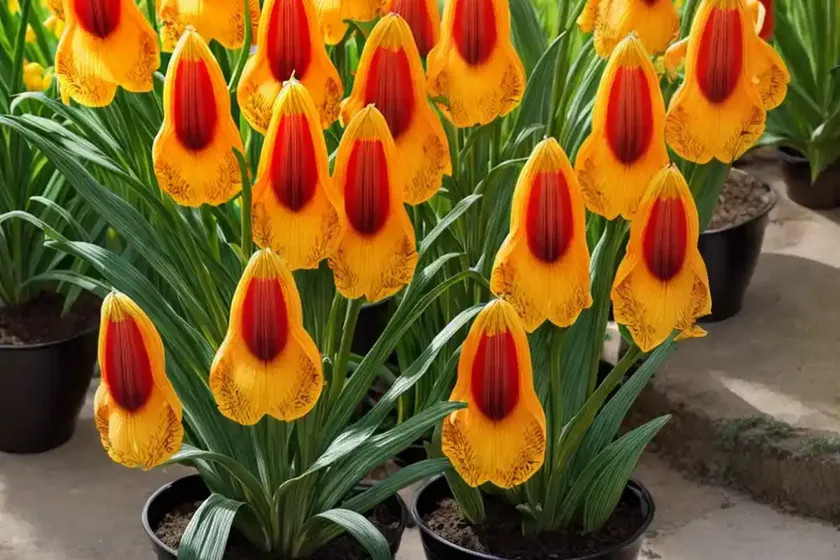
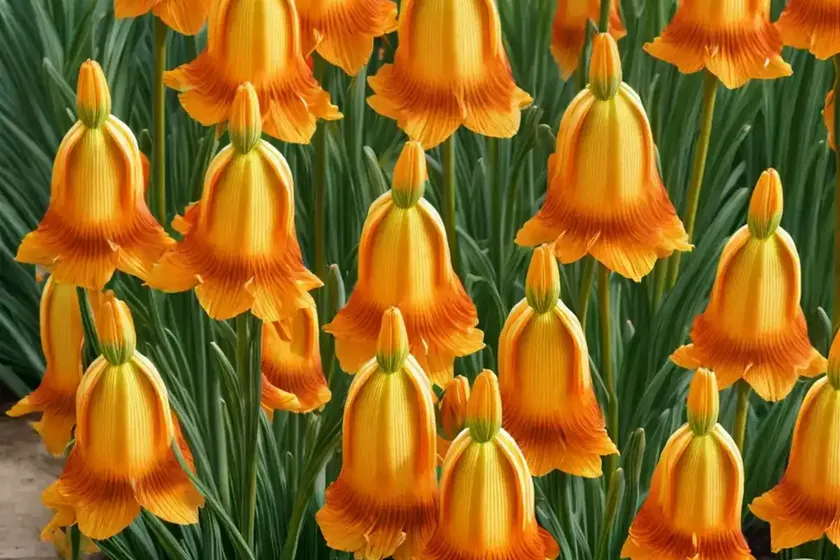
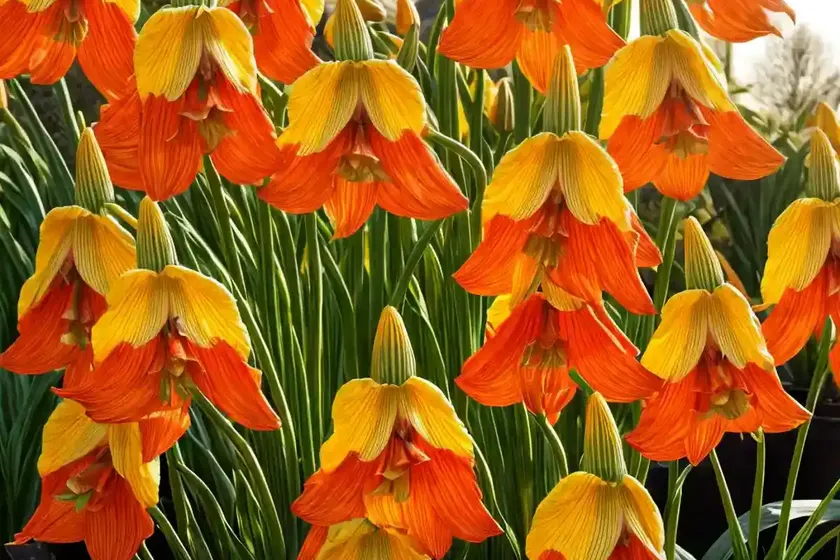
Fritillaria imperialis ‘Rubra Maxima’ is a striking spring-blooming perennial plant that belongs to the Liliaceae family. Commonly known as the Crown Imperial, it is renowned for its impressive crown-shaped blooms and distinctive appearance. This captivating plant hails from the mountainous regions of Turkey, Iran, and the Himalayas, reflecting its preference for well-drained soil and plenty of sunlight.
The ‘Rubra Maxima’ variety stands out for its vibrant red flowers, adding a bold splash of color to gardens and landscapes. As a bulbous flowering plant, it offers not only visually stunning blooms but also an enticing fragrance, attracting pollinators and adding a regal presence to any garden space.
Key Takeaways – Fritillaria imperialis ‘Rubra Maxima’ (Crown Imperial)
Culture
- Botanical Name: Fritillaria imperialis ‘Rubra Maxima’
- Common Name: Crown Imperial
- Family: Liliaceae
- Type: Perennial
- Origin: Turkey, Iran, Himalayas
- Bloom Time: Early Spring
- Hardiness Zone: 5-9
- Mature Height: 36-48 inches
- Soil Type: Well-drained, fertile soil
- pH: Neutral to slightly acidic (6.5-7.0)
- Water Needs: Moderate
- Maintenance: Low
Uses
- Garden Beds and Borders
- Rock Gardens
- Cut Flowers
- Deer-Resistant Landscapes
- Mixed Borders
- Container Planting
Water
- Regular Moisture: Water the plant regularly, ensuring the soil remains consistently moist but not waterlogged. Adequate moisture is essential, particularly during the growth and flowering stages.
Sunlight
- Full Sun: Plant the Crown Imperial in a location that receives full sun exposure, as it thrives under direct sunlight. A minimum of 6-8 hours of sunlight per day is ideal for robust growth and prolific flowering.
Fertilizer
- Balanced Fertilizer: Fertilize the plant in early spring with a balanced, slow-release fertilizer to support healthy growth and abundant flowering. Avoid over-fertilization, as it may lead to excessive foliage at the expense of blooms.
Soil
- Well-Drained Soil: Plant the bulbs in fertile, well-drained soil with a neutral to slightly acidic pH. Incorporate organic matter and ensure good drainage to prevent waterlogging, which can cause bulb rot.
Pruning
- Post-Bloom Pruning: After flowering, remove any spent blooms and dead foliage. Allow the foliage to wither naturally to replenish the bulb for the following year’s growth.
Propagation
- Division: Propagate Crown Imperial through bulb division in late summer or early fall. Separate the offsets from the parent bulb and replant them at the appropriate depth.
Container Popularity
- Container Planting: Crown Imperial is a popular choice for container planting due to its striking appearance and adaptability to containerized environments. It adds height and visual interest to mixed containers and complements other spring-blooming plants.
Container Common Diseases
- Bulb Rot: Ensure proper drainage in containers to prevent waterlogging, which can lead to bulb rot. Use well-draining potting mix and avoid overwatering.
Disease Diagnosis
- Visual Symptoms: Check for signs of wilting, yellowing, or mushy bulbs, which may indicate fungal or bacterial diseases. Promptly remove and destroy infected plants to prevent the spread of diseases.
Common Pests
- Rodent Damage: Protect bulbs from rodent damage by planting them in wire mesh-lined containers or using deterrents to prevent pests from accessing the bulbs.
Botanist’s Tips
- Optimal Planting Depth: Plant Fritillaria imperialis bulbs at a depth of 6-8 inches to ensure proper anchorage and insulation during winter.
- Soil Amendment: Incorporate well-rotted organic matter into the planting site to enrich the soil and provide essential nutrients for healthy bulb development.
- Naturalizing: Allow the plant to naturalize in suitable garden areas, creating a stunning display of its vibrant blooms over time.
- Companion Planting: Pair Crown Imperial with low-growing perennials and early spring bloomers to create visually captivating garden combinations.
Fun Facts
- The distinctive scent of the Crown Imperial serves as a natural deterrent for rodents, effectively protecting neighboring plants from potential damage.
- Fritillaria imperialis has a rich history, with its name originating from the Latin term “fritillus,” which refers to a chequered dice box.
- The architectural structure of the Crown Imperial’s blooms inspired its regal name and enduring popularity in garden designs.
Links to External Resources
- Royal Horticultural Society – Growing Fritillaria imperialis
- National Gardening Association – Crown Imperial Planting Guide
Conclusion
Fritillaria imperialis ‘Rubra Maxima’ (Crown Imperial) captivates garden enthusiasts and botanists alike with its majestic presence, vibrant red blooms, and resilience in varied garden settings. With proper care and attention to its specific cultural requirements, this botanical wonder adds a touch of regal elegance to spring landscapes and continues to be a cherished favorite among perennial plant enthusiasts. Whether showcased in garden beds, containers, or as cut flowers, the Crown Imperial holds its rightful place as a herald of spring and a testament to the enduring allure of ornamental bulbous plants.