Fringe Cups (Tellima Grandiflora)
As a plant scientist with a passion for exploring diverse plant species, I am excited to delve into the world of “Fringe Cups” (Tellima grandiflora) in.
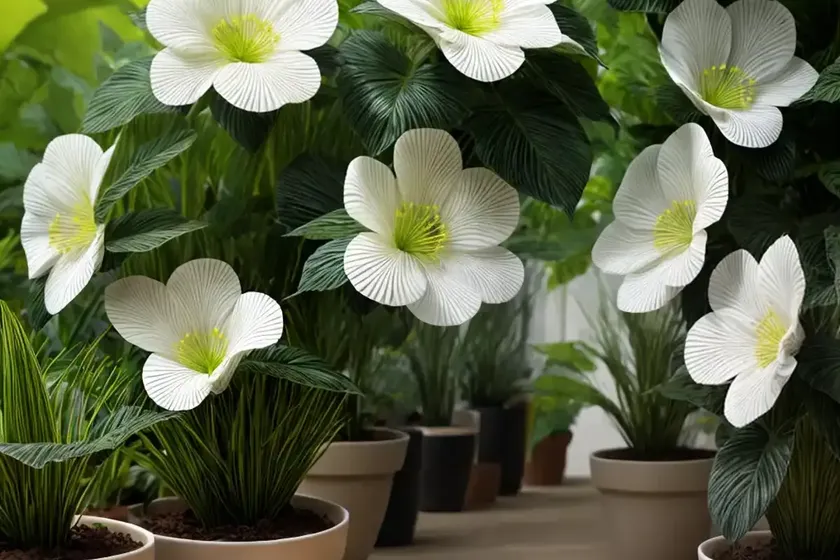
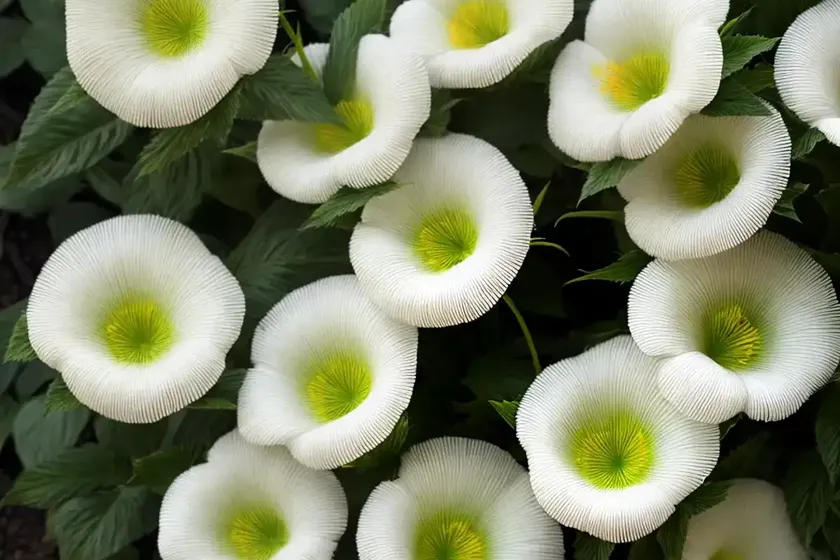
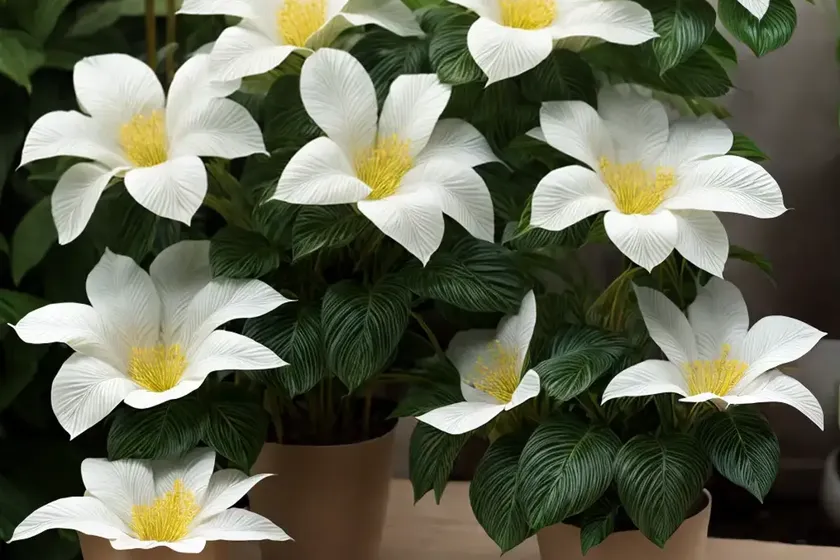
As a plant scientist with a passion for exploring diverse plant species, I am excited to delve into the world of “Fringe Cups” (Tellima grandiflora) in this comprehensive guide. Fringe Cups, also known by their botanical name Tellima grandiflora, are fascinating perennial plants that offer a range of cultural, medicinal, and ecological uses. In this blog post, we will explore the key considerations for their care, uses, propagation, and more.
What is Tellima grandiflora?
Tellima grandiflora, commonly referred to as Fringe Cups, is a herbaceous perennial plant that belongs to the Saxifragaceae family. This native to western North America and can be found in regions ranging from Alaska to northwest California. Fringe Cups are known for their attractive foliage and delicate flowers, making them a popular choice for gardeners and landscaping enthusiasts.
Key Takeaways – Fringe Cups (Tellima grandiflora):
Before diving into specific aspects of the plant’s care and cultivation, let’s take a moment to highlight some key takeaways about Tellima grandiflora:
- Botanical Name: Tellima grandiflora
- Common Name: Fringe Cups
- Plant Type: Herbaceous perennial
- Native Range: Western North America
- Attractive Features: Delicate flowers, versatile foliage
- Cultural Uses: Ornamental, medicinal
- Ecological Importance: Pollinator-friendly, potential wildlife habitat
- Growing Conditions: Prefers partial shade, moist well-draining soil
Now that we have established an overview of Fringe Cups, let’s explore the cultural considerations for cultivating and caring for these intriguing plants.
Culture
Cultivating Tellima grandiflora requires an understanding of its specific needs in terms of water, sunlight, soil, and other cultural factors. Here’s an in-depth look at the various aspects of plant culture for Fringe Cups:
Water
Fringe Cups thrive in moist soil conditions, making them well-suited for areas with consistent access to water. When establishing these plants in a garden or landscape setting, it’s important to ensure adequate watering, especially during dry spells. However, they can also tolerate short periods of drought once they are well-established.
Sunlight
While Fringe Cups prefer partial shade, they can also adapt to varying light conditions. In their natural habitat, they often grow in woodland settings where dappled sunlight filters through the trees. When cultivating Fringe Cups in a garden or landscaping environment, it’s essential to provide them with partial to full shade, especially in regions with intense sunlight.
Soil
The ideal soil conditions for Tellima grandiflora include moist, well-draining soil that is rich in organic matter. These plants can thrive in slightly acidic to neutral soil pH levels. Amending the soil with compost or organic mulch can help maintain adequate moisture and provide essential nutrients for healthy growth.
Fertilizer
While Fringe Cups are relatively low-maintenance, the addition of a balanced, slow-release fertilizer in the spring can support their growth and flowering. A general-purpose fertilizer with balanced N-P-K (nitrogen, phosphorus, potassium) ratios can be suitable for promoting lush foliage and prolific blooms.
Pruning
Fringe Cups generally require minimal pruning, primarily to remove any damaged or dead foliage. Additionally, deadheading spent flowers can encourage continuous blooming and maintain the plant’s aesthetic appeal. Pruning should be carried out in late winter or early spring, before the new growth emerges.
Uses
Beyond their ornamental value, Fringe Cups have several practical and cultural uses, ranging from traditional medicinal applications to their role in ecological landscapes. Here are some key uses of Tellima grandiflora:
- Ornamental Planting: Fringe Cups are valued for their attractive foliage and delicate, fringed flowers, making them popular choices for shaded gardens, woodland landscapes, and naturalistic plantings.
- Medicinal Purposes: Ethnobotanical evidence suggests that indigenous communities used various parts of Tellima grandiflora for their medicinal properties. While further research is needed to validate these traditional uses, there is ongoing interest in exploring the potential therapeutic benefits of this plant.
- Ecological Significance: The flowers of Fringe Cups are attractive to bees, making them valuable contributors to pollinator gardens and wildlife habitats. Additionally, the dense foliage can provide cover for small wildlife species.
Propagation
Propagation of Tellima grandiflora can be achieved through several methods, including division, seed sowing, and stem cuttings. Here’s a closer look at the various propagation techniques for Fringe Cups:
Division
Dividing established clumps of Fringe Cups is an effective way to propagate this plant. This method is typically carried out in early spring, as new growth emerges. The clumps can be carefully divided into smaller sections, each with healthy roots and shoots, and then replanted in suitable locations.
Seed Sowing
Collecting and sowing seeds from mature Fringe Cups can also be a successful method of propagation. The seeds can be sown in a nursery bed or individual containers in the late summer or early fall. Given their small size, the seeds should be surface-sown and lightly covered with a thin layer of soil. Adequate moisture and consistent monitoring are essential for successful germination.
Stem Cuttings
Taking stem cuttings from healthy, non-flowering shoots of Tellima grandiflora can yield new plants through vegetative propagation. The cuttings should be taken in the spring or early summer and placed in a rooting medium with high humidity. With proper care and attention, these cuttings can develop roots and be transplanted into individual pots.
Container Popularity
Tellima grandiflora can thrive in container gardens, offering a versatile and attractive option for those with limited garden space. Fringe Cups can be showcased in various container arrangements, from mixed shade plantings to woodland-inspired displays. Their adaptability to partial shade and moist soil conditions makes them well-suited for container cultivation.
Container Common Diseases
When growing Tellima grandiflora in containers, it’s essential to be mindful of potential diseases that can affect the plants. Some common diseases that may impact Fringe Cups in containers include:
- Powdery Mildew: This fungal disease can manifest as a white, powdery coating on the leaves, leading to reduced photosynthetic activity and overall plant vigor.
- Root Rot: Excessively wet soil in containers can create conditions conducive to root rot, which can result in wilting, yellowing of foliage, and eventual plant decline.
Disease Diagnosis
Diagnosing and managing diseases in container-grown Fringe Cups requires careful observation and proactive measures. Regularly inspecting the plants for any signs of disease, maintaining proper air circulation, and avoiding overwatering are crucial steps in preventing and addressing potential issues.
Common Pests
While generally resilient, Fringe Cups may encounter pests that can affect their health and appearance. Some common pests that may pose a threat to Tellima grandiflora include:
- Aphids: These small, sap-sucking insects can cluster on new growth and flower buds, causing distortion and discoloration of the foliage.
- Snails and Slugs: These mollusks can feed on the leaves and stems of Fringe Cups, leading to irregular holes and damage to the plant’s foliage.
Botanist’s Tips
Incorporating preventive measures, such as companion planting with pest-repelling species and employing organic pest control methods, can help protect container-grown Fringe Cups from potential pest infestations. Additionally, maintaining good sanitation practices and promptly addressing pest issues can support the overall health of the plants.
Fun Facts
- Fringe Cups belong to the same family as the popular garden plant Bergenia, known for its vibrant foliage and robust growth habit.
- The delicate flowers of Tellima grandiflora can attract a variety of pollinators, including bees and other beneficial insects.
- Indigenous communities in the native range of Fringe Cups have historical and cultural connections to the traditional uses of this plant, reflecting its multifaceted significance.
Links to External Resources
For further exploration of Tellima grandiflora and its cultural, ecological, and horticultural aspects, I recommend checking out the following resources:
- Royal Horticultural Society (RHS) – Tellima grandiflora
- Northwest Native Plants Database – Tellima grandiflora
- Missouri Botanical Garden – Tellima grandiflora
With its diverse uses, adaptable nature, and intrinsic charm, Tellima grandiflora, or Fringe Cups, embodies the intersection of botanical fascination and practicality. Whether enriching garden landscapes, supporting pollinator habitats, or serving as a subject of botanical inquiry, these captivating plants offer a wealth of opportunities for exploration and appreciation.
As we continue to deepen our understanding of Fringe Cups and their cultural significance, let’s embrace the beauty and versatility of these plants within the rich tapestry of our horticultural experiences.


