Fringe Cup (Tellima Grandiflora)
Plants are not just beautiful and colorful decorations in our surroundings. They play a vital role in maintaining ecological balance, providing oxygen, and.
Plants are not just beautiful and colorful decorations in our surroundings. They play a vital role in maintaining ecological balance, providing oxygen, and supporting various forms of life. One such fascinating plant is the fringe cup (Tellima grandiflora). This blog post will provide a detailed insight into the characteristics, care, uses, and other important aspects of Tellima grandiflora, commonly known as the fringe cup.
Table of Contents
- Introduction to Fringe Cup
- Key Takeaways
- Cultivation
- Uses
- Water
- Sunlight
- Fertilizer
- Soil
- Pruning
- Propagation
- Container Popularity
- Common Diseases
- Disease Diagnosis
- Common Pests
- Botanist’s Tips
- Fun Facts
- Links to External Resources
1. Introduction to Fringe Cup
The fringe cup (Tellima grandiflora) is a perennial plant species native to the western region of North America. This herbaceous plant is a member of the Saxifragaceae family and is known for its attractive foliage and delicate, intricate flowers. It typically grows in woodland areas and thrives in moist, shaded environments. The genus name “Tellima” is derived from the Finnish word “tellus,” meaning earth, indicating the plant’s natural habitat. The species name “grandiflora” translates to “large-flowered,” reflecting the striking characteristics of its blooms.
1.1. Fringe Cup Plant Characteristics
The fringe cup plant exhibits several distinguishing features, making it a sought-after addition to gardens and natural landscapes. Here are some key characteristics of Tellima grandiflora:
- Growth Habit: It has a clumping growth habit, forming attractive mounds of foliage with delicate flower spikes rising above the leaves.
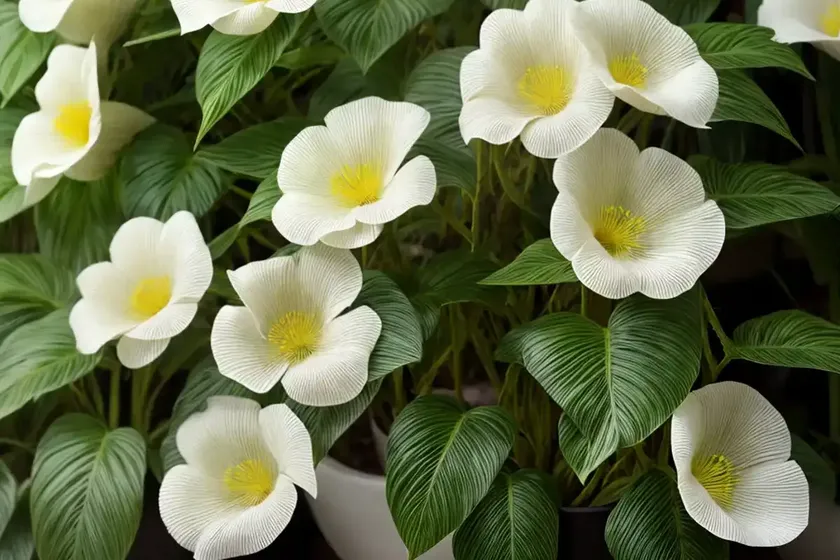
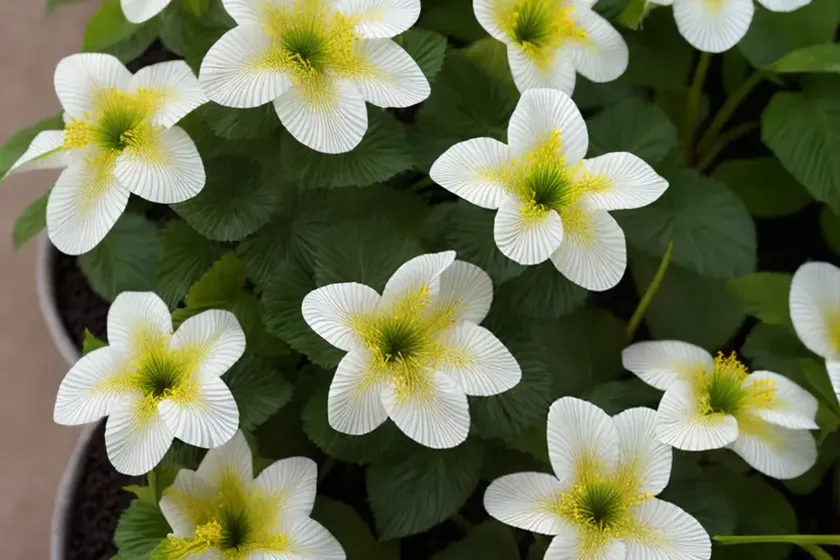
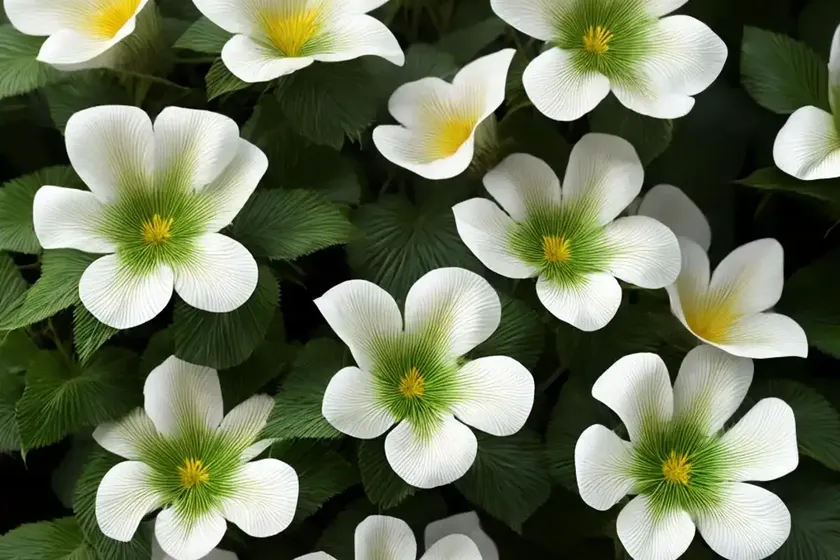
- Flower Appearance: The delicate, nodding flowers have fringed edges, lending the plant its common name, fringe cup. The color of the flowers ranges from creamy-white to pink, creating a visually appealing display.
- Foliage: The leaves are deeply veined and are often semi-evergreen, providing interest throughout the year.
- Size: Fringe cup plants typically reach a height of 12-18 inches, with a spread of 12-24 inches. However, specific cultivars may vary in size.
2. Key Takeaways – Fringe Cup (Tellima grandiflora)
Before delving into the detailed aspects of growing and caring for fringe cup plants, let’s summarize the key takeaways about this fascinating species:
- Growth Habits: Tellima grandiflora showcases clumping growth, creating mounds of attractive foliage and delicate, fringed flowers.
- Perennial Nature: As a perennial plant, fringe cup returns year after year, providing long-lasting beauty in the garden.
- Shade-Loving Plant: It prefers shaded environments, making it an excellent choice for woodland gardens and areas with limited direct sunlight.
- Low-Maintenance: Fringe cup is relatively low-maintenance, requiring moderate care to thrive and bloom consistently.
- Wildlife Attraction: Its flowers and foliage attract pollinators, making it a valuable addition to wildlife-friendly garden spaces.
Now, let’s explore the cultivation and care requirements for fringe cup plants in detail.
3. Cultivation
3.1. Uses
Fringe cup serves various purposes in garden settings and natural landscapes. Here are some common uses of Tellima grandiflora:
- Woodland Gardens: Its preference for shaded, moist environments makes fringe cup an ideal addition to woodland and shade gardens, where it can thrive alongside other woodland plants.
- Ground Cover: The clumping growth habit and attractive foliage make fringe cup a suitable choice for ground cover in areas with dappled shade.
- Wildlife Gardens: The flowers of fringe cup attract pollinators like bees and butterflies, contributing to the biodiversity of wildlife-friendly gardens.
3.2. Water
Watering Needs: Fringe cup plants have moderate water requirements. While they tolerate short periods of drought once established, consistent moisture is beneficial for their optimal growth and flowering. Ensure the soil remains evenly moist, especially during the active growing season, and avoid waterlogging.
3.3. Sunlight
Sun Exposure: Fringe cup plants thrive in shaded environments, making them excellent choices for gardens with limited direct sunlight. They prefer partial to full shade and may struggle in intense, prolonged sun exposure.
3.4. Fertilizer
Fertilization: During the growing season, lightly amending the soil with a balanced, organic fertilizer can support healthy growth and flowering. Use a slow-release fertilizer or apply a diluted liquid fertilizer according to the product instructions.
3.5. Soil
Soil Requirements: Fringe cup plants thrive in humus-rich, well-draining soils. They prefer slightly acidic to neutral soil conditions and benefit from the addition of organic matter, such as compost, to improve soil structure and fertility.
3.6. Pruning
Pruning Techniques: While fringe cup plants do not require extensive pruning, removing spent flower spikes and any dead or damaged foliage can promote tidiness and encourage the plant’s energy to focus on new growth and flower production. Prune as needed during the growing season, and cut back any winter-damaged foliage in early spring.
4. Propagation
4.1. Container Popularity
Fringe cup plants can thrive in container gardens, particularly those designed for shaded or woodland plantings. When cultivating them in containers, ensure the pots have adequate drainage and use a high-quality, well-draining potting mix suitable for woodland plants. Place the containers in shaded or partially shaded locations and maintain consistent moisture levels to support healthy growth.
5. Common Diseases
5.1. Disease Diagnosis
While fringe cup plants are generally robust, they may be susceptible to certain diseases under unfavorable growing conditions. Common diseases that may affect Tellima grandiflora include:
- Powdery Mildew: This fungal disease may appear as a white powdery coating on the foliage, impacting the plant’s health and aesthetics.
- Leaf Spot: Fungal leaf spot diseases can cause dark, irregular spots or lesions on the leaves, potentially leading to defoliation and reduced plant vigor.
5.2. Disease Management
To minimize the risk of diseases, provide appropriate growing conditions, including proper air circulation and moisture management. Additionally, promptly remove and dispose of any affected plant debris, and consider using organic or low-impact fungicidal treatments if necessary.
6. Common Pests
Fringe cup plants are relatively resistant to pest infestations. However, certain pests may occasionally pose a challenge to their health. Common pests that may affect Tellima grandiflora include:
- Aphids: These small, sap-feeding insects can distort new growth and cause honeydew accumulation on the foliage.
- Slugs and Snails: These mollusks may feed on the tender foliage and flowers, particularly in moist, shaded environments.
Implementing cultural practices, such as maintaining a clean garden environment and promoting natural enemies of pests, can help manage infestations without the need for chemical interventions.
7. Botanist’s Tips
As a plant scientist with a passion for botanical diversity, I offer the following tips for cultivating and appreciating fringe cup plants in garden settings:
- Companion Planting: Pair fringe cup with other shade-loving woodland plants, such as lungworts (Pulmonaria) and bleeding hearts (Dicentra), to create harmonious and visually appealing plant combinations.
- Wildlife Habitat Enhancement: Embrace fringe cup as part of a broader strategy to attract and support pollinators and other beneficial wildlife in garden spaces. By diversifying plant selections and providing essential resources, you can contribute to the ecological balance and well-being of local wildlife populations.
8. Fun Facts
Uncover fascinating details about the fringe cup plant that highlight its unique characteristics and ecological significance:
- Native Range: Tellima grandiflora is indigenous to the Pacific Northwest of North America, where it thrives in the cool, shaded woodlands and moist habitats of the region.
- Ornamental Appeal: Beyond its ecological contributions, fringe cup contributes to the ornamental beauty of garden landscapes, providing delicate flowers and attractive foliage for visual interest.
I hope this comprehensive guide provides valuable insights into the cultivation, care, and appreciation of the fringe cup plant. To further expand your knowledge and enhance your gardening experience, I have curated a list of external resources that offer additional information and inspiration for growing Tellima grandiflora and exploring its ecological and ornamental potential.
9. Links to External Resources
- Royal Horticultural Society – Tellima grandiflora
- University of British Columbia Botanical Garden – Fringe Cup (Tellima grandiflora)
- The Hardy Plant Society – Tellima grandiflora
- Northwest Perennial Alliance – Tellima grandiflora
I encourage you to explore these resources to deepen your understanding of the fringe cup plant and its role in horticulture and ecology.
In conclusion, the fringe cup (Tellima grandiflora) stands out as a captivating woodland plant with its unique growth habits, attractive foliage, and delicate flowers. By considering its preferences for shaded environments and incorporating it into various garden settings, we can celebrate and benefit from the ornamental and ecological value of this fascinating species.
Remember to embrace Tellima grandiflora as a resilient and versatile addition to your garden, contributing to biodiversity and creating enchanting woodland scenes for both humans and wildlife to enjoy.
Happy Gardening!


