Friendship Plant (Pilea Involucrata)
The beauty of plants is not just in their appearance but also in the joy they bring by nurturing and caring for them. When it comes to houseplants, the.
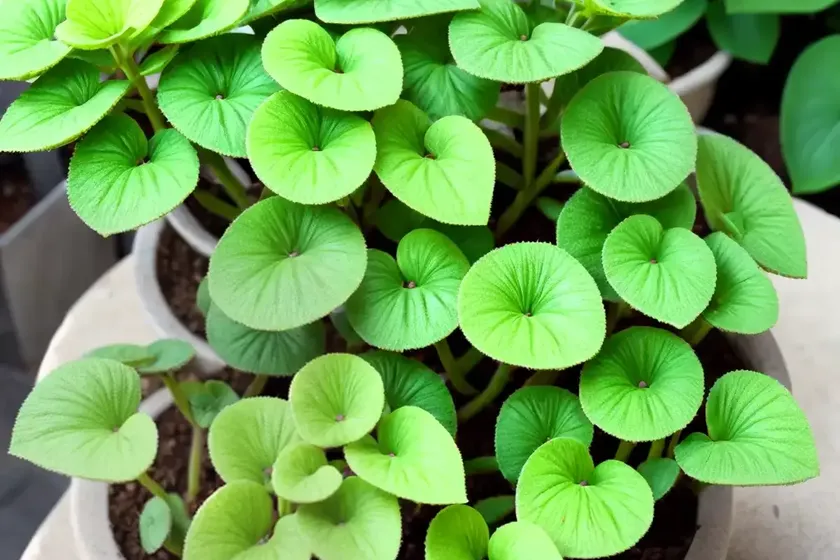
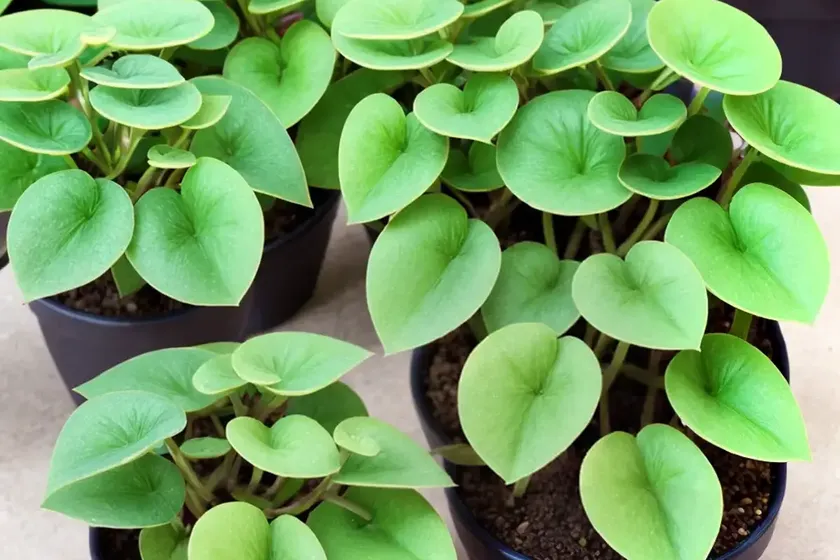
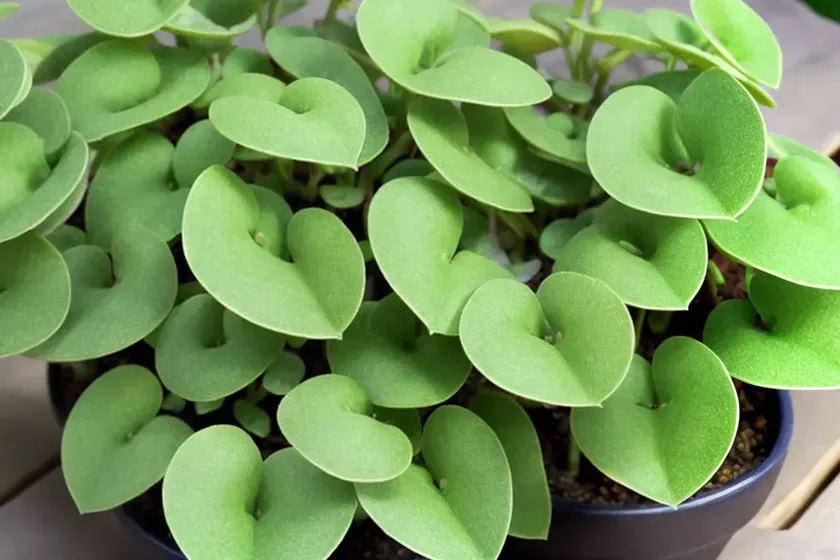
The beauty of plants is not just in their appearance but also in the joy they bring by nurturing and caring for them. When it comes to houseplants, the Friendship Plant or Pilea involucrata is a popular choice among plant enthusiasts due to its unique foliage and ease of care. In this comprehensive guide, we will delve into the world of Friendship Plants, exploring their characteristics, care requirements, propagation methods, common issues, and much more. Whether you are a seasoned plant parent or a beginner looking to add an elegant touch of greenery to your living space, this guide will equip you with all the knowledge and tips you need to cultivate and cherish your Friendship Plant.
What is a Plant: Friendship Plant (Pilea involucrata)
The Friendship Plant, scientifically known as Pilea involucrata, is a member of the Urticaceae family and is native to South and Central America. It is cherished for its strikingly patterned, quilted leaves that display hues of green, bronze, and silver, adding a touch of sophistication to indoor spaces. The plant is commonly grown for its ornamental value and is a favored choice for those seeking to bring a touch of the tropics into their homes.
The Friendship Plant received its common name due to its ease of propagation, with the ability to readily produce plantlets that can be shared with friends and family, thus symbolizing the spirit of friendship and community.
Key Takeaways – Friendship Plant (Pilea involucrata)
Before diving into the specifics of caring for Friendship Plants, let’s explore some key takeaways that will serve as a foundation for understanding and nurturing this delightful houseplant.
- Scientific Name: Pilea involucrata
- Common Name: Friendship Plant
- Family: Urticaceae
- Native Habitat: South and Central America
- Foliage: Quilted leaves with green, bronze, and silver patterns
- Propagation: Easily produces plantlets for sharing
- Ornamental Value: Adds a tropical touch to indoor spaces
Now that we have a basic understanding of the Friendship Plant, let’s delve into the specific aspects of caring for this captivating houseplant.
Culture
Cultivating Friendship Plants involves understanding and replicating their natural environment to ensure optimal growth and vitality. From the choice of soil to the frequency of watering, each aspect of the plant’s culture plays a crucial role in its overall well-being.
Uses
The Friendship Plant is primarily cultivated for ornamental purposes and is favored for its decorative foliage. It adds an aesthetic appeal to interior spaces and is often used in homes, offices, and commercial settings to bring a touch of nature indoors.
Water
Proper watering is essential for the health of Friendship Plants. These plants generally prefer moist soil, but it is important to avoid overwatering, as it can lead to root rot and other issues. A well-draining soil mix and a balanced watering schedule are key to maintaining the ideal moisture levels for the plant.
Sunlight
For optimal growth, Friendship Plants thrive in bright, indirect light. While they can tolerate lower light conditions, they may not exhibit the same vigorous growth and vibrant foliage as those placed in well-lit areas. However, it is important to shield the plant from direct sunlight, as it can scorch the delicate leaves.
Fertilizer
Regular fertilization is important to provide essential nutrients for the growth and development of the Friendship Plant. A balanced, water-soluble fertilizer formulated for indoor plants can be applied during the growing season to support healthy foliage and overall vigor.
Soil
The choice of soil is crucial for the well-being of Friendship Plants. A well-draining, peat-based mix with added perlite or sand for improved aeration is recommended. This type of soil provides the right balance of moisture retention and drainage, creating an ideal environment for the plant’s roots.
Pruning
Pruning helps maintain the shape and appearance of Friendship Plants, as well as encourages new growth. Regular removal of spent or damaged leaves, as well as occasional pinching back of stems, can help the plant maintain a compact and attractive form.
Propagation
As mentioned earlier, the Friendship Plant is known for its easy propagation. It readily produces offsets or plantlets that can be separated from the parent plant and rooted to create new plants. This characteristic makes it an ideal choice for sharing with friends and fellow plant enthusiasts.
Container
When it comes to selecting a container for your Friendship Plant, there are a few considerations to keep in mind. The size, material, and drainage capabilities of the container can impact the plant’s overall health and growth.
Popularity
The Friendship Plant has gained popularity in recent years due to the growing interest in indoor gardening and houseplants. Its unique foliage and ease of care make it a sought-after addition to plant collections and interior design.
Common Diseases
Like any other plant, Friendship Plants are susceptible to certain diseases and health issues. Understanding these common ailments and their causes is essential for maintaining the plant’s well-being.
Disease Diagnosis
Diagnosing plant diseases can be challenging, but observing the symptoms and understanding the plant’s care history can provide valuable clues. Common diseases that affect Friendship Plants include fungal infections, root rot, and leaf spot diseases.
Common Pests
Pests can pose a threat to the health of Friendship Plants, with mealybugs, spider mites, and aphids being among the most common invaders. Regular inspection and prompt treatment can help prevent pest infestations from causing significant damage to the plant.
Botanist’s Tips
As a plant scientist with expertise in the care and cultivation of houseplants, I would like to offer some additional tips and insights to help you successfully grow and nurture your Friendship Plant.
-
Humidity: Friendship Plants appreciate moderate to high humidity levels, making them suitable candidates for bathrooms or kitchens with naturally higher humidity. Alternatively, using a humidifier or placing the plant on a pebble tray filled with water can help create a humid microclimate around the plant.
-
Temperature: Maintaining a consistent room temperature, preferably between 65-75°F (18-24°C), is optimal for the growth of Friendship Plants. Avoid exposing the plant to drafts or sudden temperature fluctuations, as they can cause stress and lead to leaf problems.
-
Air Circulation: Good air circulation is important for preventing fungal diseases and maintaining overall plant health. Positioning the plant in a space with adequate air movement, such as near a gentle fan, can help promote healthy growth.
-
Seasonal Care: Pay attention to seasonal changes and adjust your care routine accordingly. For example, Friendship Plants may require less frequent watering and lower levels of fertilization during the winter months when their growth naturally slows down.
Now that we have covered the fundamental aspects of Friendship Plant care, let’s explore some fun facts and additional resources to further enrich your knowledge of this captivating houseplant.
Fun Facts
-
The scientific name Pilea involucrata is derived from the Latin word “involucrata,” which means “enveloped” or “surrounded,” referencing the plant’s distinctive involucre, a ring of bracts that surrounds the base of the flowers.
-
In its native habitat, Friendship Plants can be found growing as ground cover in the understory of tropical forests, where they benefit from the dappled sunlight and high humidity levels.
-
Friendship Plants are known for their air-purifying qualities, as they can help filter out common indoor air pollutants, contributing to a healthier indoor environment.
Links to External Resources
For further information and resources on Friendship Plant care, propagation, and related topics, consider exploring the following links:
- Pilea Involucrata: The Complete Growing Guide
- 10 Tips for Pilea Care: The Passionate Indoor Gardener
- Pilea Involucrata Care Guide: Plantophiles
- Pilea Involucrata: A Lovely Plant to Grow Indoors
- The Joy of Propagating Pilea Involucrata: Pistils Nursery
With these additional resources, you can expand your knowledge and gain valuable insights into the world of Friendship Plant care and cultivation.
In conclusion, the Friendship Plant (Pilea involucrata) is a captivating houseplant cherished for its ornamental foliage, ease of propagation, and low maintenance requirements. By understanding its cultural preferences, addressing common issues, and incorporating botanist-recommended tips, you can create an optimal environment for your Friendship Plant to thrive and bring beauty to your indoor spaces. Whether you are drawn to its elegant leaves, its air-purifying qualities, or its symbolism of friendship, this charming plant has much to offer to plant enthusiasts and interior decorators alike.
Remember, the journey of caring for plants is a rewarding one, filled with moments of growth, learning, and the simple joy of nurturing living beings. As you embark on your journey with the Friendship Plant, may you find fulfillment in the bond that grows between you and this delightful houseplant.
Happy gardening!


