Freesias)
Freesias are delicate and beautifully fragrant flowers that are a popular choice for gardens, landscaping, and cut flower arrangements. These elegant.
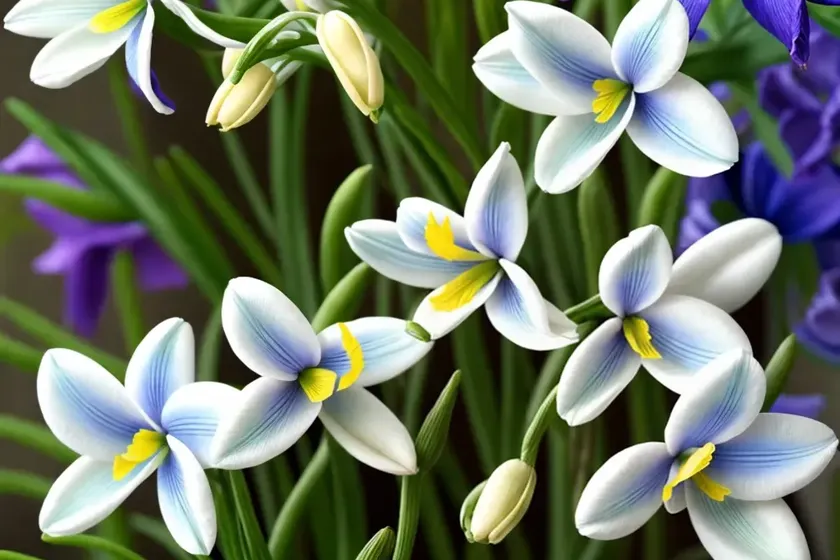
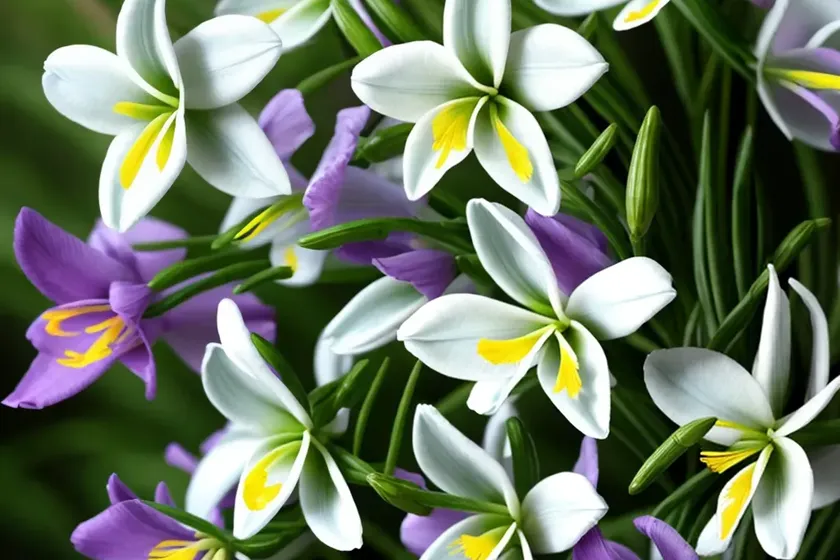
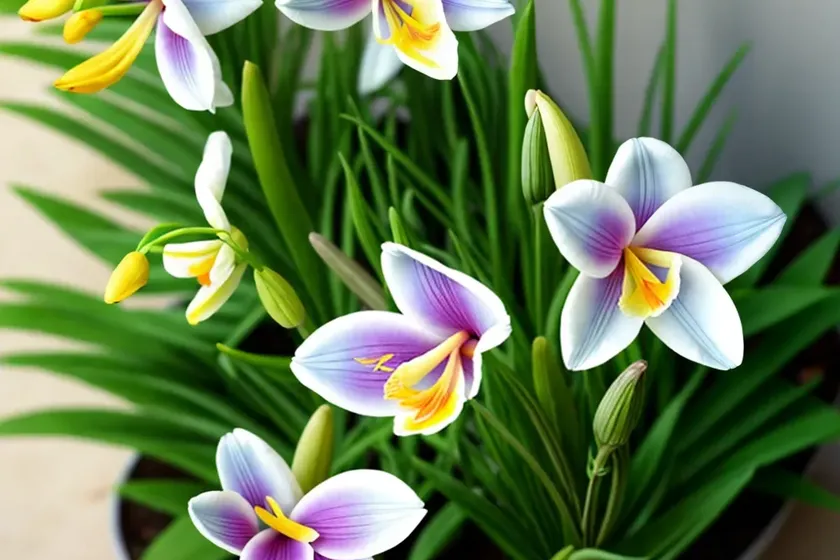
Freesias are delicate and beautifully fragrant flowers that are a popular choice for gardens, landscaping, and cut flower arrangements. These elegant blooms come in a variety of colors and are known for their sweet fragrance, making them a favorite among gardeners and flower enthusiasts. In this comprehensive guide, we will explore the fascinating world of freesias, from their cultivation and care to their uses and propagation.
What are Freesias?
Freesias (Freesia spp.) are a genus of flowering plants in the family Iridaceae, native to South Africa. These graceful perennials are treasured for their colorful, tubular flowers and sweet, citrusy scent. The name “freesia” honors the German physician and botanist, Friedrich Heinrich Theodor Freese, who first described the genus in 1866.
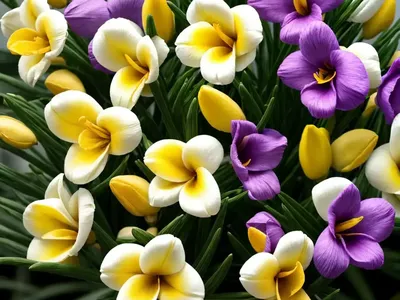
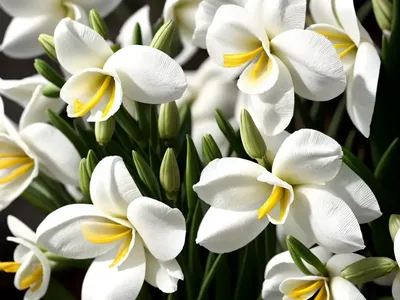
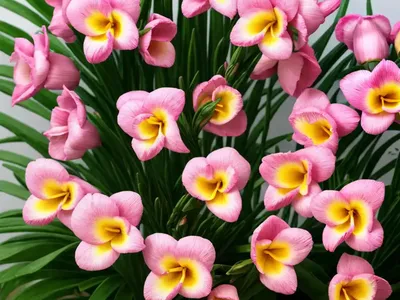
The plants of the freesia genus are known for their slender, arching stems and long, narrow leaves. The flowers, which bloom along the length of the stem, come in a wide range of colors, including white, yellow, pink, red, purple, and blue. Freesias are also prized for their ability to naturalize, creating a stunning carpet of blooms when planted in large drifts.
Key Takeaways – Freesias
Before we dive into the specifics of caring for and cultivating freesias, let’s take a look at some key takeaways about these charming flowers:
- Freesias are prized for their vibrant, tubular flowers and delightful fragrance.
- They come in a variety of colors, including white, yellow, pink, red, purple, and blue.
- Freesias are perennial plants that can naturalize and form beautiful drifts of blooms.
- Their sweet scent makes them a popular choice for cut flower arrangements and indoor floral displays.
- Proper care and cultivation are essential for ensuring healthy, vigorous freesia plants.
Now that we have a basic understanding of what freesias are, let’s explore the specifics of their culture, uses, and care requirements in greater detail.
Culture
Water
Proper watering is crucial for the health and vitality of freesias. These plants prefer consistently moist, but well-drained soil. During the growing season, it is important to water them regularly, ensuring that the soil does not dry out completely. However, it is equally important to avoid overwatering, as waterlogged soil can lead to root rot and other issues.
When watering freesias, it is best to water at the base of the plant to minimize the risk of fungal diseases. This also helps prevent the flowers and foliage from getting wet, which can contribute to the development of certain bacterial and fungal infections. As the foliage emerges and the plants begin to grow, maintaining a consistent watering schedule is essential for healthy, robust freesias.
Sunlight
Freesias thrive in full sunlight or partial shade. When selecting a location for planting, it is ideal to choose a spot that receives ample sunlight for at least half of the day. In areas with extremely hot summers, providing some protection from the intense midday sun can help prevent the plants from becoming stressed or scorched.
Fertilizer
Fertilizing freesias can significantly enhance their growth and blooming capacity. Before planting, it is beneficial to incorporate a balanced, slow-release fertilizer into the soil. Once the freesias are established and actively growing, a regular feeding regimen can help support their robust growth and abundant flowering.
A complete fertilizer with a balanced ratio of nutrients, such as a 10-10-10 or 20-20-20 formulation, can be applied every few weeks during the growing season. Alternatively, a specialized fertilizer formulated for flowering bulbs can be used to promote vigorous blooming and healthy foliage. When applying fertilizer, it is important to follow the manufacturer’s recommendations and avoid over-fertilization, which can lead to excessive foliage growth at the expense of flowers.
Soil
Freesias thrive in well-drained, fertile soil with a slightly acidic to neutral pH. Amending the soil with organic matter, such as well-rotted compost or peat moss, can help improve its structure and fertility. This is especially beneficial if the native soil is heavy clay or excessively sandy, as organic amendments can enhance its water-holding capacity and nutrient content.
Prior to planting, it is advisable to prepare the soil by thoroughly incorporating organic matter and ensuring that it is loose and friable. This helps provide an optimal environment for the development of the freesia bulbs and supports healthy root growth. Additionally, ensuring good soil drainage is essential for preventing waterlogged conditions, which can lead to root rot and other issues.
Pruning
Pruning freesias is an important aspect of their care, as it helps maintain tidy, attractive plants and encourages healthy blooming. As the flowers fade and the foliage begins to yellow and wither, it is beneficial to deadhead the spent blooms and trim back the yellowing foliage. This helps channel the plant’s energy into bulb development and storage, ensuring robust growth and abundant flowering in the following season.
Additionally, removing faded flowers prevents the formation of seeds, which can divert the plant’s resources away from bulb development. By regularly deadheading freesias and keeping the plants well-groomed, it is possible to prolong their blooming period and maintain a neat, attractive appearance throughout the growing season.
Propagation
Freesias can be propagated through several methods, including division of offsets, seed propagation, and bulb division. Here are some key considerations for each propagation method:
-
Division of Offsets: When freesias are actively growing, they produce small offsets or daughter bulbs around the base of the mother bulb. These offsets can be carefully detached and replanted to establish new plants. This method is typically performed during the dormant season or early spring, before the onset of active growth.
-
Seed Propagation: Freesias produce seed pods after flowering, which can be collected once they have ripened and turned brown. The seeds can then be sown in a well-prepared seedbed or container, where they will germinate and develop into new plants. Seed propagation is a less common method for propagating freesias, as it is slower and less reliable than other propagation methods.
-
Bulb Division: Over time, freesia bulbs may multiply and form clusters. These clusters can be carefully dug up and divided into individual bulbs, which can then be replanted to establish new plants. Bulb division is typically performed during the dormant season, allowing the newly divided bulbs to establish roots and prepare for the upcoming growing season.
By employing these propagation methods, it is possible to multiply and expand a collection of freesias, creating a stunning display of colorful blooms and fragrant flowers.
Container Popularity
Freesias are a popular choice for container gardening, thanks to their compact size, vibrant flowers, and enchanting fragrance. Planting freesias in containers allows for greater flexibility in their placement, making it possible to enjoy their beauty and fragrance in various locations, from patios and balconies to garden borders and entryways. Additionally, growing freesias in containers provides greater control over soil conditions, water management, and sunlight exposure, enabling gardeners to create optimal growing conditions for these exquisite flowers.
Container Common Diseases
While freesias grown in containers are generally less susceptible to certain soil-borne diseases, they can still be affected by common issues such as:
-
Root Rot: Overwatering or waterlogged soil can lead to root rot in freesias grown in containers. This can manifest as yellowing or wilting foliage, stunted growth, and a foul odor emanating from the roots. To prevent root rot, it is essential to provide well-drained soil and avoid overwatering the plants.
-
Powdery Mildew: In conditions of high humidity and poor air circulation, freesias grown in containers can be susceptible to powdery mildew. This fungal disease presents as a powdery white coating on the leaves and flowers, eventually leading to distorted growth and reduced vigor. Providing adequate spacing between container-grown freesias, ensuring good air circulation, and avoiding overhead watering can help mitigate the risk of powdery mildew.
Disease Diagnosis
When diagnosing and addressing diseases in container-grown freesias, it is important to carefully inspect the plants for symptoms and signs of disease. Common signs of disease include wilting, yellowing foliage, distorted growth, spots or lesions on leaves, and a decline in overall vigor. By identifying the specific symptoms and signs, it is possible to narrow down the potential causes and implement targeted measures to address the issue.
If disease is suspected, it is advisable to promptly remove and dispose of affected plant material to prevent the spread of pathogens. Additionally, adjusting cultural practices, such as improving air circulation, adjusting watering practices, and providing optimal growing conditions, can help prevent the recurrence of certain diseases in container-grown freesias.
Common Pests
While container-grown freesias are generally less vulnerable to pest infestations than those grown in garden beds, they can still be affected by common garden pests, including:
-
Aphids: These small, soft-bodied insects feed on the sap of plants, causing distorted growth and honeydew secretion. Aphids can be controlled through the application of insecticidal soap or horticultural oil, or by introducing natural predators such as ladybugs and lacewings.
-
Thrips: Thrips are slender, tiny insects that feed on the flowers and foliage of freesias, causing silvery or brownish streaks and premature flower fading. Applying insecticidal soap or horticultural oil can help manage thrips infestations in container-grown freesias.
-
Spider Mites: These minuscule pests can infest freesias, causing stippled, discolored foliage and reduced plant vigor. Spider mites thrive in hot, dry conditions, so ensuring adequate moisture and humidity levels around container-grown freesias can help deter these pests.
By monitoring container-grown freesias regularly and promptly addressing any pest infestations, it is possible to maintain healthy, pest-free plants that produce abundant blooms and maintain their ornamental value.
Botanist’s Tips
As a plant scientist, I often receive inquiries about the care and cultivation of freesias. Here are some valuable tips for growing and caring for these enchanting flowers:
-
Choose High-Quality Bulbs: When planting freesias, it is essential to start with high-quality bulbs from a reputable source. Healthy, firm bulbs are more likely to establish quickly and produce vigorous, floriferous plants.
-
Provide Adequate Air Circulation: Good air circulation is important for preventing fungal diseases and promoting overall plant health. When planting freesias, ensure adequate spacing between the bulbs to allow for proper airflow around the plants.
-
Monitor Soil Moisture: Freesias prefer consistently moist, but well-drained soil. Regularly monitor the soil moisture and adjust watering practices as needed to maintain optimal growing conditions for the plants.
-
Deadhead Spent Blooms Regularly: Removing faded flowers not only keeps the plants looking tidy, but also encourages continuous blooming by preventing seed formation.
-
Control Pest Infestations Promptly: Keep an eye out for common pests and promptly address any infestations to prevent damage to the freesias and maintain their health and vigor.
By incorporating these tips into your care routine, you can cultivate robust and beautiful freesia plants that reward you with their stunning flowers and captivating fragrance.
Fun Facts
Before we conclude our exploration of freesias, here are some fun and fascinating facts about these delightful flowers:
-
Fragrant Allure: Freesias are renowned for their sweet, citrusy fragrance, which can perfume an entire room with their enchanting scent.
-
Symbolism: In the language of flowers, freesias symbolize friendship, trust, and innocence, making them a meaningful choice for gifts and floral arrangements.
-
Vase Life: Cut freesias have an impressive vase life, often lasting up to two weeks or more when properly cared for and provided with clean water and floral preservatives.
-
Wedding Flowers: Thanks to their lovely fragrance and delicate beauty, freesias are a popular choice for bridal bouquets, boutonnieres, and wedding floral arrangements.
-
Naturalizing: Freesias have the remarkable ability to naturalize in suitable climates, creating stunning displays of colorful blooms that return year after year.
-
Color Variety: From soft pastels to vibrant hues, freesias come in an array of colors, allowing for endless possibilities in floral designs and garden palettes.
Links to External Resources
For those interested in delving deeper into the world of freesias, here are some valuable external resources to explore:
- RHS – Growing Freesias
- The Spruce – How to Grow Freesias Indoors
- Gardeners’ World – Planting Freesia Bulbs
- American Meadows – All About Freesias
- Gardening Know How – Freesia Plant Care Guide
With these resources, you can further enhance your knowledge of freesias and discover valuable tips for successfully cultivating and enjoying these delightful flowers.
In conclusion, freesias are a captivating addition to any garden or floral arrangement, captivating us with their vivid colors and enchanting fragrance. By understanding their cultivation and care requirements, we can cultivate healthy, vibrant freesia plants that grace our lives with their beauty and allure. Whether planted in the garden or displayed in stunning floral arrangements, freesias are a delightful symbol of friendship, trust, and natural beauty, enriching our lives with their remarkable presence.
Remember — by embracing the art of freesia cultivation, you can create a fragrant paradise in your own backyard, home, or garden, where the vibrant colors and sweet fragrance of freesias will captivate your senses and lift your spirits throughout the growing season.
So, go ahead — unleash the beauty of freesias in your world, and revel in the enchanting splendor of these exquisite flowers!