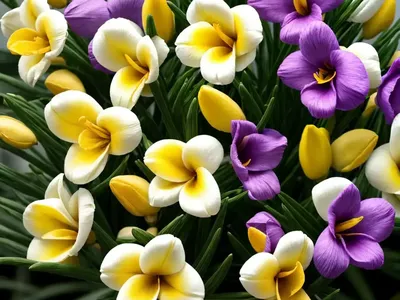
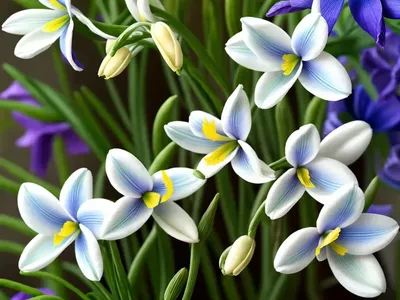
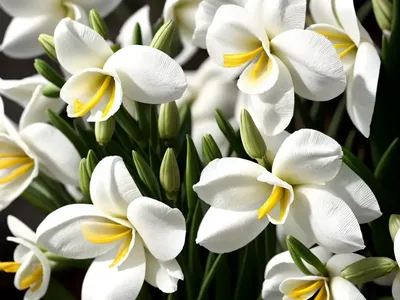
Freesia Single Pink)
Freesia Single Pink, with its delicate trumpet-shaped blooms and enchanting fragrance, is a beloved addition to gardens and floral arrangements. This.
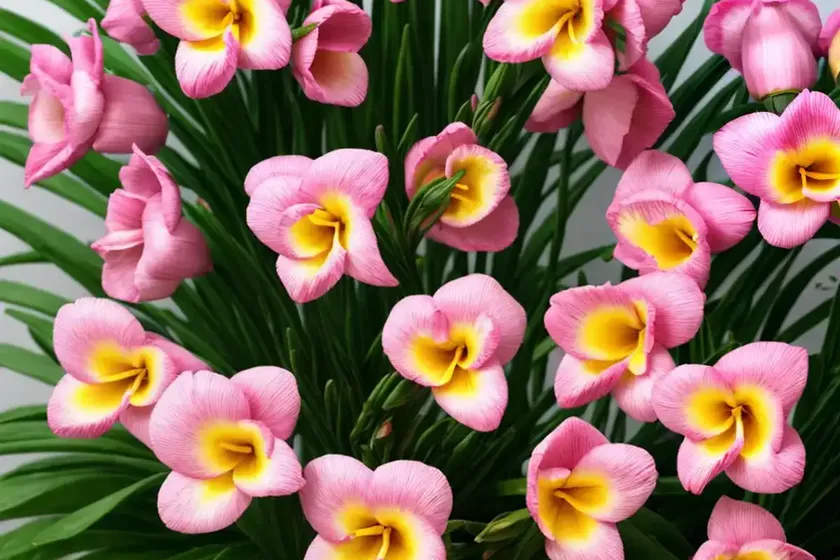
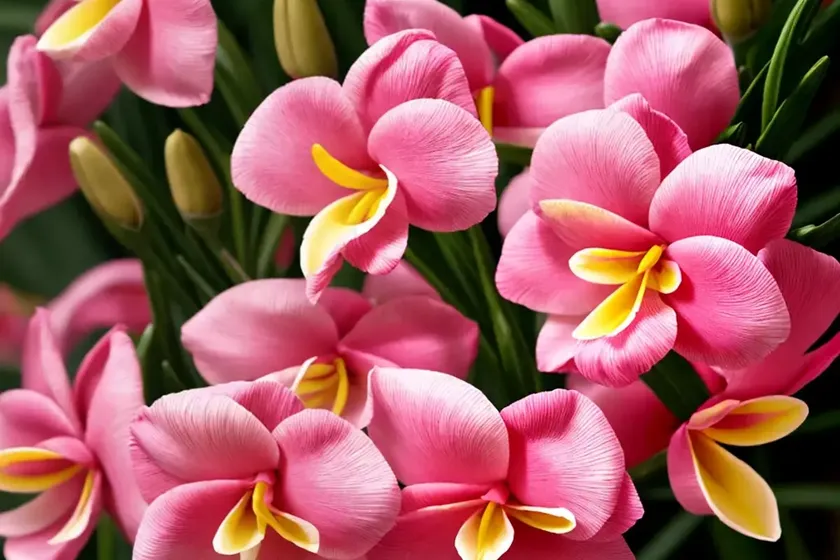
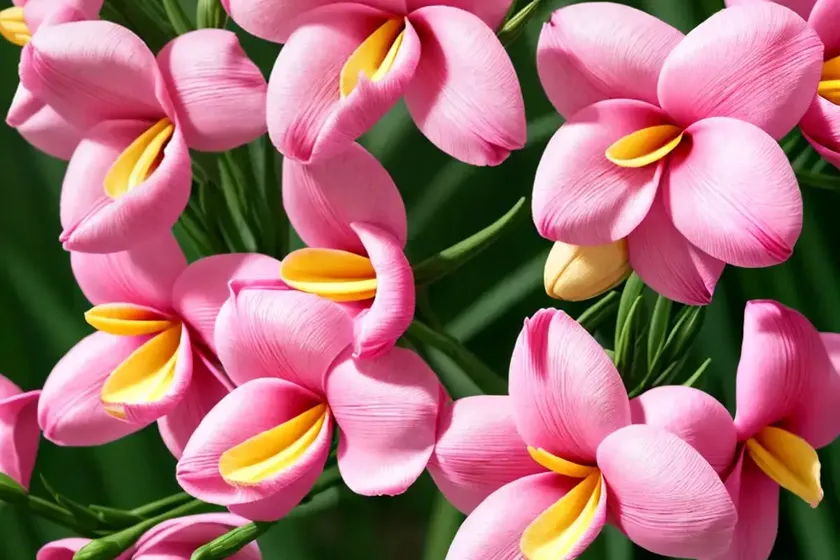
Freesia Single Pink, with its delicate trumpet-shaped blooms and enchanting fragrance, is a beloved addition to gardens and floral arrangements. This charming spring flower not only captivates with its beauty but also attracts enthusiasts with its ease of care and versatility. In this comprehensive guide, we will delve into the world of Freesia Single Pink, exploring its cultivation, care, uses, and much more.
What is Freesia Single Pink?
Freesia Single Pink (Freesia × hybrida) is a captivating flowering plant known for its graceful, tubular blooms and delightful fragrance. Belonging to the Iridaceae family, this perennial plant originated from South Africa. It is a versatile flower that is commonly used in gardens, borders, and as cut flowers in floral arrangements and bouquets. Freesia Single Pink is celebrated for its fragrant and vibrant flowers that bloom in an array of captivating colors, with the single pink variety being particularly popular for its elegant and soft-hued blooms.
Key Takeaways – Freesia Single Pink
To provide a comprehensive understanding of Freesia Single Pink, let’s delve into the key takeaways about its culture, uses, and care requirements.
- Culture:
- Origin: South Africa
- Family: Iridaceae
- Botanical Name: Freesia × hybrida
- Common Name: Freesia Single Pink
- Blooming Season: Spring
- Growth Habit: Perennial
-
Fragrance: Distinctive and Sweet
-
Uses:
- Garden Borders
- Cut Flower for Floral Arrangements
- Potted Plants
-
Fragrance Gardens
-
Water:
-
Moderate, Consistent Moisture
-
Sunlight:
-
Full Sun to Partial Shade
-
Fertilizer:
-
Balanced, Water-Soluble Fertilizer
-
Soil:
-
Well-Draining, Rich, Loamy Soil
-
Pruning:
- Deadheading Spent Blooms
-
Removing Yellowing Foliage
-
Propagation:
- Division of Bulbs
- Seeds Proposition
-
Offsets
-
Container Popularity:
-
High
-
Common Diseases:
- Fusarium Wilt
-
Gray Mold
-
Disease Diagnosis:
- Wilting
- Spots on Foliage
-
Rotting Bulbs
-
Common Pests:
- Thrips
- Spider Mites
With the key takeaways outlined, we will now delve into each aspect of the cultivation and care of Freesia Single Pink, providing in-depth insights to aid gardeners and flower enthusiasts in nurturing these graceful and fragrant blooms.
Freesia Single Pink Cultivation and Care
The allure of Freesia Single Pink lies not only in its captivating appearance but also in its relative ease of cultivation and maintenance. From the soil requirements to pest control, understanding the specific needs of this delicate flower is essential for ensuring its optimal growth and the abundance of blooms.
Planting and Location
Planting Tips for Freesia Single Pink
When it comes to planting Freesia Single Pink, certain crucial factors play a significant role in its successful growth and abundant blooms. Here are some essential planting tips for cultivating Freesia Single Pink:
- Planting Time: Plant freesia bulbs in the fall for spring blooms. In regions with mild winters, they can be planted in late winter for early summer blooms.
- Soil Preparation: Ensure the soil is well-draining and rich in organic matter. Loamy soil with a slightly acidic to neutral pH (6.0-6.5) is ideal for freesias.
- Location: Choose a sunny or partially shaded location for planting freesia bulbs. Avoid areas with waterlogged soil.
Best Soil for Freesia Single Pink
Freesia Single Pink thrives in well-draining, fertile soil. The ideal soil composition for freesias includes a mix of loam, sand, and organic matter to ensure adequate moisture retention and aeration. A slightly acidic to neutral soil pH range of 6.0-6.5 is optimal for healthy freesia growth and blooming.
Watering and Moisture Needs
Proper watering and moisture management are crucial for the healthy growth and abundant flowering of Freesia Single Pink. Understanding the watering requirements and moisture needs of freesias is essential for preventing issues such as rot and ensuring the development of strong, vibrant blooms.
Watering Requirements for Freesia Single Pink
Freesia Single Pink thrives in soil with moderate and consistent moisture. Proper watering practices include:
- Regular Watering: Provide moderate and consistent moisture, especially during the active growth and blooming periods.
- Avoid Overwatering: Freesias are susceptible to rot in waterlogged soil, so it’s important to avoid overwatering.
Sunlight and Exposure
Adequate sunlight is essential for the healthy growth and prolific blooming of Freesia Single Pink. Understanding its sunlight needs and exposure requirements is crucial for selecting the ideal location for planting and ensuring its optimal development.
Sunlight Needs for Freesia Single Pink
Freesia Single Pink thrives in full sun to partial shade. When planting or positioning freesias, consider the following sunlight needs:
- Full Sun: Provide at least 6-8 hours of direct sunlight for optimal blooming.
- Partial Shade: In extremely hot climates, partial shade during the hottest part of the day can help protect the delicate blooms and foliage.
Fertilization
Fertilization plays a crucial role in providing the necessary nutrients for the healthy growth and abundant flowering of Freesia Single Pink. Understanding the fertilization requirements and best practices is essential for nurturing strong and vibrant freesia plants.
Best Fertilizer for Freesia Single Pink
A balanced, water-soluble fertilizer with a formulation such as 10-10-10 or 5-10-5 is ideal for feeding Freesia Single Pink. Fertilize the plants during the active growth phase, following these guidelines:
- Application Frequency: Apply fertilizer every 4-6 weeks during the active growth and blooming period.
- Dilution: Dilute the fertilizer according to the manufacturer’s instructions to prevent overfeeding and potential damage to the plants.
Soil Requirements
The soil composition and quality play a pivotal role in the overall health and vitality of Freesia Single Pink. Understanding the ideal soil requirements and efficient soil management practices are essential for cultivating thriving freesia plants.
Ideal Soil for Freesia Single Pink
Freesia Single Pink thrives in well-draining, rich, and loamy soil. Consider the following aspects when preparing the soil for planting and cultivating freesias:
- Well-Draining Soil: Ensure the soil provides adequate drainage to prevent waterlogging and root rot.
- Organic Matter: Incorporate organic matter such as compost or well-rotted manure to enhance soil fertility and structure.
- Soil pH: Aim for a slightly acidic to neutral soil pH range of 6.0-6.5, as freesias prefer slightly acidic conditions.
Pruning and Maintenance
Pruning and maintenance practices are essential for promoting the health, vigor, and continuous blooming of Freesia Single Pink. Implementing proper pruning techniques and maintenance routines is crucial for ensuring the longevity and vitality of freesia plants.
Pruning Guidelines for Freesia Single Pink
To maintain healthy and vibrant freesia plants, follow these essential pruning guidelines:
- Deadheading: Remove spent blooms promptly to encourage continuous flowering and prevent the formation of seeds.
- Foliage Maintenance: Trim and remove yellowing foliage to maintain the overall appearance and health of the plant.
Propagation Methods
Understanding the propagation methods for Freesia Single Pink enables enthusiasts to expand their freesia collection and propagate new plants with ease. Whether through division or seeds, proper propagation techniques are pivotal for successful reproduction of freesias.
Propagation of Freesia Single Pink
Freesia Single Pink can be propagated through the following methods:
- Division of Bulbs: Divide large freesia clumps in the fall, ensuring that each division has sufficient roots and growing points.
- Seeds: Freesia seeds can be collected from the seed pods and sown in well-prepared soil for the development of new plants.
- Offsets: Freesias produce offsets or cormels that can be carefully separated and replanted to propagate new plants.
Container Gardening and Popularity
The versatility of Freesia Single Pink makes it an ideal choice for container gardening, allowing enthusiasts to bring the captivating beauty and fragrance of freesias to patios, balconies, and indoor settings. Additionally, its popularity as a cut flower further enhances its appeal in container gardening and floral arrangements.
Container Popularity of Freesia Single Pink
Freesia Single Pink is highly popular for container gardening, offering the following advantages:
- Versatility: Thrives in containers, allowing enthusiasts to create stunning displays and arrangements.
- Fragrance: The delightful fragrance of Freesia Single Pink makes it a charming addition to outdoor and indoor spaces.
- Prolific Blooms: Provides an abundance of blooms, elevating the visual appeal of container gardens and floral displays.
Common Diseases and Pest Control
The health and vitality of Freesia Single Pink can be threatened by certain diseases and pests. Recognizing the symptoms of common diseases and implementing effective pest control measures are essential for safeguarding the well-being of freesia plants.
Common Diseases of Freesia Single Pink
Freesia Single Pink is susceptible to the following common diseases:
- Fusarium Wilt: Caused by the Fusarium oxysporum fungus, this disease leads to wilting, yellowing, and stunted growth of the plants.
- Gray Mold: Botrytis cinerea, the causal agent of gray mold, can lead to the development of gray fuzzy growth on the foliage and flowers.
Disease Diagnosis and Prevention
To effectively diagnose and prevent diseases in Freesia Single Pink, monitor the plants for the following signs and implement preventative measures:
- Wilting: Investigate changes in the foliage and overall appearance of the plants, as wilting can indicate the presence of fungal diseases such as Fusarium wilt.
- Spots on Foliage: Gray mold often manifests as brown or gray spots on the foliage. Remove affected plant parts and provide adequate air circulation to prevent the spread of the disease.
- Rotting Bulbs: Address issues such as rotting bulbs promptly by adjusting watering practices and ensuring proper soil drainage.
Common Pests and Pest Control
Freesia Single Pink may be vulnerable to certain pests, including:
- Thrips: Monitor for thrips, tiny insects that feed on flower buds and foliage. Use insecticidal soap or neem oil to control thrips infestations.
- Spider Mites: Mitigate spider mite infestations by regularly inspecting the plants and applying horticultural oils to manage and prevent their proliferation.
Botanist’s Tips for Growing Freesia Single Pink
Drawing from botanical insights and expertise, here are some valuable tips for successfully growing and enjoying the beauty of Freesia Single Pink:
- Deep Planting: Plant freesia bulbs at a depth of 2-3 times the bulb diameter for robust and sturdy growth.
- Mulching: Apply a layer of organic mulch around the base of the plants to conserve moisture and suppress weed growth.
- Regular Monitoring: Monitor the plants for any signs of diseases or pests, and take prompt action to address any issues that arise.
Fun Facts about Freesia Single Pink
Discovering intriguing and captivating facts about Freesia Single Pink adds to the enchantment of this beloved spring flower. Here are some fun facts about this delightful plant:
- Fragrance: Freesia Single Pink infuses the air with a sweet and captivating fragrance, making it a popular choice for scented gardens and indoor arrangements.
- Freesia Language of Flowers: In the language of flowers, freesias symbolize innocence, friendship, and thoughtfulness, adding deeper meaning to floral presentations and gifts.
- Hybrid Varieties: Freesia hybrids have led to the development of an array of captivating colors and bicolor combinations, expanding the range of choices for enthusiasts and florists.
Conclusion
Freesia Single Pink, with its sweet fragrance and elegant blooms, enriches gardens, floral displays, and decorative settings with its timeless beauty. By understanding its cultivation, care requirements, and uses, enthusiasts can cultivate thriving freesias and create captivating floral arrangements. From planting tips to pest control and propagation methods, the comprehensive insights provided here serve as a valuable resource for those seeking to embrace the charm and allure of Freesia Single Pink in their gardening endeavors.
The delicate allure and captivating fragrance of Freesia Single Pink make it a cherished addition to floral displays and garden landscapes, encompassing the essence of spring and the joy of blooming flowers.
References
- Royal Horticultural Society. “Freesia.” https://www.rhs.org.uk/Plants/9445/i-Freesia-i/Details
- North Carolina State University Extension Gardener Handbook. “Freesia.” https://content.ces.ncsu.edu/extension-gardener-handbook/14-bulbs-corms-and-tubers#section_heading_9322
- University of California Agriculture and Natural Resources. “Fusarium Wilt.” https://ucanr.edu/sites/gardenweb/files/290190.pdf
- University of Massachusetts Amherst. “Botrytis Blight (Gray Mold).” https://ag.umass.edu/greenhouse-floriculture/fact-sheets/botrytis-blight-gray-mold
- University of Florida IFAS Extension. “Thrips Management in the Landscape.” https://edis.ifas.ufl.edu/pdffiles/IN/IN65100.pdf
- University of California Statewide Integrated Pest Management Program. “Spider Mites.” https://ipm.ucanr.edu/PMG/PESTNOTES/pn7405.html