Freesia Mix (Freesia)
Freesias are an exquisite genus of flowering plants known for their vibrant and fragrant blooms. They have captivated the hearts of gardeners, florists.
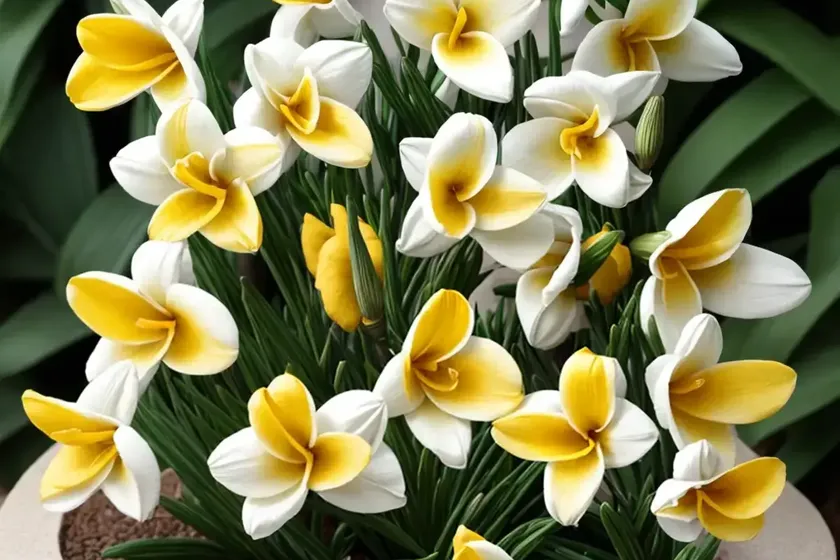
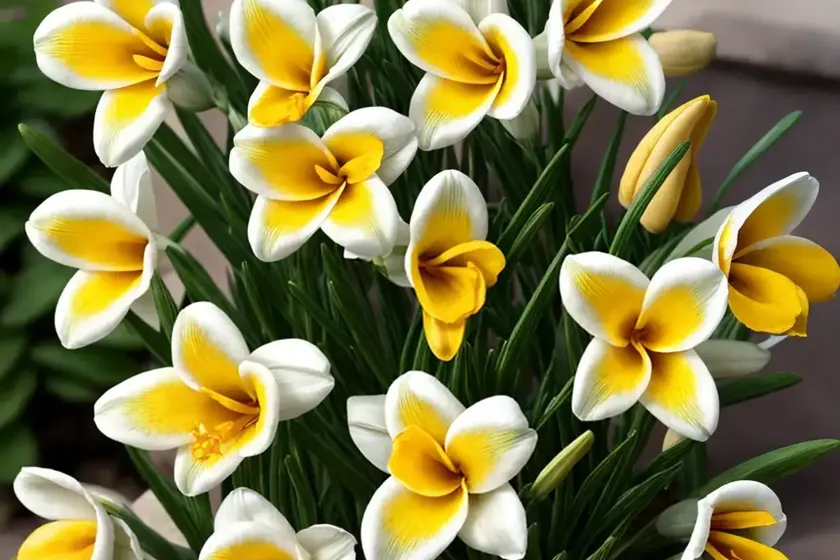
Freesias are an exquisite genus of flowering plants known for their vibrant and fragrant blooms. They have captivated the hearts of gardeners, florists, and enthusiasts with their stunning colors and delightful aroma. In this comprehensive guide, we will explore the culture, uses, care tips, propagation methods, and much more for the beautiful Freesia mix, commonly known as Freesia. Whether you are a seasoned gardener or a novice plant enthusiast, this guide will provide you with valuable insights into the world of Freesias.
What is Freesia Mix (Freesia)?
Freesia refers to a group of fragrant, perennial plants that belong to the Iridaceae family. These plants are native to South Africa and are widely cultivated for their ornamental value. The name “Freesia” pays tribute to Friedrich Heinrich Theodor Freese, a German physician and botanist.
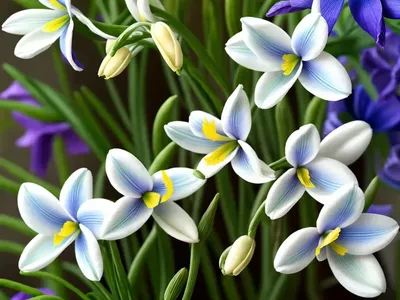
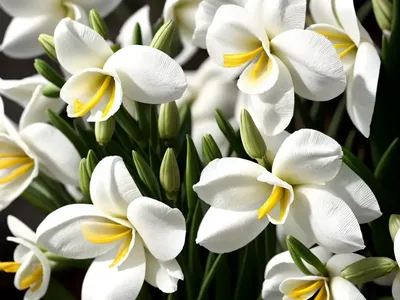
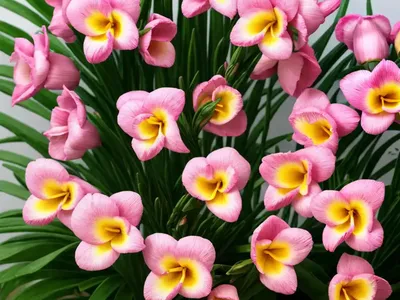
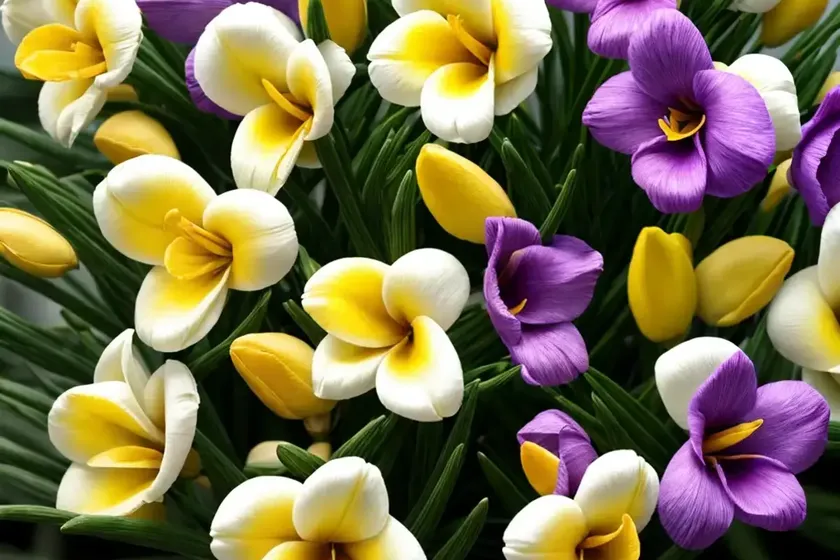
Freesias are characterized by their elegant, funnel-shaped flowers that bloom in an array of breathtaking colors, including white, yellow, orange, pink, red, purple, and blue. The blooms are often held aloft on slender, wiry stems, adding to the allure of these charming plants. Beyond their visual appeal, Freesias are renowned for their enchanting fragrance, which varies from delicate and sweet to rich and intoxicating, depending on the cultivar.
Key Takeaways – Freesia Mix (Freesia)
Before delving into the specifics of Freesia care and cultivation, let’s highlight the key takeaways that will be covered in this guide:
- Culture
- Uses
- Water
- Sunlight
- Fertilizer
- Soil
- Pruning
- Propagation
- Container Popularity
- Container Common Diseases
- Disease Diagnosis
- Common Pests
- Botanist’s Tips
- Fun Facts
- Links to External Resources
Now, let’s explore each of these aspects in detail to gain a comprehensive understanding of the mesmerizing Freesia mix.
Culture of Freesia Mix
Uses
Freesias are beloved for a variety of purposes, including:
- Cut Flowers: The exquisite blooms of Freesias make them a popular choice for floral arrangements and bouquets, adding a touch of elegance and fragrance to any setting.
- Gardening: Freesias are prized for their ornamental value and are often cultivated in garden beds, borders, and containers to enhance the visual appeal of outdoor spaces.
- Indoor Décor: The vibrant blooms and captivating scent of Freesias make them a desirable choice for indoor floral displays and home décor.
Water
Proper watering is crucial for the health and vitality of Freesias. These plants prefer consistently moist, well-draining soil. During the active growing season, it is important to keep the soil evenly moist, but not waterlogged, to promote robust growth and abundant flowering. As the flowering period wanes, gradually reduce watering to allow the plants to enter dormancy.
Sunlight
Freesias thrive in bright, indirect sunlight. They should be grown in locations that receive ample natural light, preferably with morning sun and protection from intense midday and afternoon sun. Adequate sunlight not only promotes healthy growth but also enhances the development of vibrant blooms and ensures a delightful fragrance.
Fertilizer
To support the vigorous growth and blooming potential of Freesias, it is beneficial to provide them with a balanced, water-soluble fertilizer during the growing season. A fertilizer with a higher phosphorus content can aid in the development of robust flower buds and promote a profusion of blooms. It is important to follow the manufacturer’s instructions for application rates and frequency to prevent over-fertilization.
Soil
Freesias thrive in well-draining, fertile soil with a slightly acidic to neutral pH. A loose, loamy soil enriched with organic matter provides an ideal growing medium for these plants. Additionally, incorporating a layer of mulch around the base of Freesias helps to retain soil moisture, suppress weed growth, and insulate the roots during temperature fluctuations.
Pruning
Deadheading spent blooms and removing withered foliage not only enhances the visual appeal of Freesias but also encourages the plants to divert their energy towards the growth of new blooms rather than seed production. Regular pruning and grooming also help to maintain a tidy appearance and promote overall plant health.
Propagation of Freesia Mix
Freesias can be propagated through various methods, including:
- Division: Division of mature clumps allows for the creation of new plants with established root systems, facilitating quicker establishment and blooming.
- Offsets: The offsets or cormels produced by mature Freesias can be carefully separated and planted to produce new plants.
- Seeds: While less commonly practiced, Freesias can also be grown from seeds, though this method requires patience and nurturing the seedlings to maturity.
Container Popularity
Due to their compact size, striking blooms, and captivating fragrance, Freesias are popular choices for container gardening. They can be grown in a range of containers, from traditional terracotta pots to decorative planters, thereby adding a touch of charm to patios, balconies, and indoor spaces.
Common Diseases of Freesia
Freesias are generally resilient plants, but they can occasionally be susceptible to certain diseases, including:
- Botrytis Blight: This fungal disease can cause unsightly gray mold on the foliage and flowers, particularly in humid conditions. Adequate air circulation and diligent sanitation practices can help prevent the onset of this disease.
- Fusarium Wilt: Fusarium wilt can result in the yellowing, wilting, and eventual death of the plant. Proper soil drainage and the use of disease-free planting material are essential in preventing this destructive disease.
Disease Diagnosis
If you suspect that your Freesias are afflicted with a disease, it is crucial to accurately diagnose the issue to implement appropriate interventions. Consultation with a plant pathologist or expert in plant diseases can aid in identifying the specific disease and devising an effective treatment plan.
Common Pests Affecting Freesias
Several pests can pose a threat to the health and vigor of Freesias, including:
- Aphids: These small, sap-sucking insects can distort new growth and cause yellowing of leaves. Regular monitoring and the use of natural predators or insecticidal soap can help in managing aphid populations.
- Spider Mites: Spider mites can infest Freesias, leading to stippled, discolored foliage and a weakened overall appearance. Maintaining adequate humidity and utilizing neem oil or horticultural oil can help in controlling spider mite infestations.
Botanist’s Tips for Growing Freesia Mix
1. Soil Preferences
- Freesias thrive in loose, well-draining soil with a slightly acidic to neutral pH. Amending the soil with organic matter, such as compost or well-rotted manure, can foster optimal growth and flowering.
2. Watering Practices
- Consistent moisture is key to the health of Freesias, especially during the active growing season. Keep the soil evenly moist, but not waterlogged, to prevent issues such as root rot.
3. Container Gardening
- Freesias can be wonderfully showcased in containers, providing a portable burst of color and fragrance. Ensure that the containers have adequate drainage holes and are proportionate to the size of the plants.
4. Sunlight Needs
- Adequate sunlight is essential for the development of robust blooms and the production of fragrance in Freesias. Aim to provide them with bright, indirect light to support their overall health and flowering.
5. Disease Prevention
- Implementing proactive measures, such as proper sanitation, air circulation, and the use of disease-resistant varieties, can help in preventing the onset of common Freesia diseases.
Fun Facts about Freesia Mix
- The delightful fragrance of Freesias is often utilized in the production of perfumes, soaps, and scented candles, showcasing the allure of these blooms beyond the realm of gardening.
- While Freesias are commonly associated with their captivating scent, they are also treasured for their striking, jewel-toned flowers that bring a burst of color to gardens and floral arrangements.
Now that we have explored the culture, uses, care tips, propagation methods, common diseases, and pests affecting Freesias, it’s time to delve into some captivating fun facts and learn about external resources that provide further insights into the fascinating world of Freesia mix.
External Resources
Here are some additional resources that offer valuable information on growing and caring for Freesia mix:
- How to Grow Freesia Bulbs
- Freesia Care Guide
- Freesia Varieties and Colors
- Freesia Garden Design Ideas
- Freesia DIY Crafts and Floral Arrangements
The provided resources cover a wide array of topics, from detailed care guides to creative DIY projects and garden design ideas, allowing enthusiasts to further explore the captivating world of Freesia mix.
In conclusion, Freesias are cherished for their enchanting fragrance, vibrant blooms, and versatile uses in floral arrangements, gardening, and décor. By understanding the cultural requirements, care tips, propagation methods, and pest and disease management strategies for Freesias, enthusiasts can cultivate these captivating plants to perfection and revel in their beauty throughout the seasons.
Keywords:
Freesias for sale, How to grow Freesia mix, Freesia bulbs, Freesia flowers, Freesia planting guide, Freesia care tips, Freesia varieties, Freesia fragrance, Freesia garden, Freesia colors, Freesia arrangements, Freesia bouquet, Freesia season, Freesia in pots, Freesia symbolism, Freesia wedding flowers, Freesia DIY crafts, Freesia landscape, Freesia indoor gardening, Freesia outdoor gardening, Freesia medicinal properties, Freesia cut flowers, Freesia water requirements, Freesia sunlight needs, Freesia soil preferences, Freesia mulching tips, Freesia insect pests, Freesia disease control, Freesia propagation methods, Freesia companions in the garden, Freesia pruning techniques, Freesia container gardening, Freesia natural fertilizers, Freesia seasonality, Freesia garden design ideas, Freesia gardening mistakes to avoid, Freesia benefits for health, Freesia home decor ideas, Freesia floral arrangements, Freesia floral symbolism, Freesia gardening hacks, Freesia flower language, Freesia landscape design, Freesia flower combinations, Freesia gardening supplies, Freesia propagation tips, Freesia garden maintenance, Freesia plant nutrients, Freesia natural pest control, Freesia garden pests