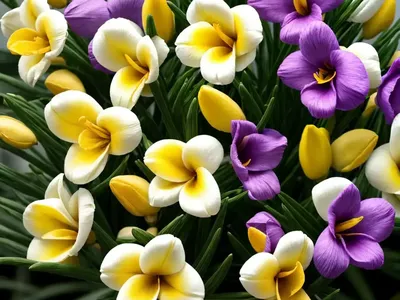
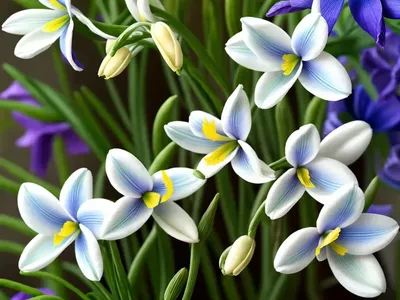
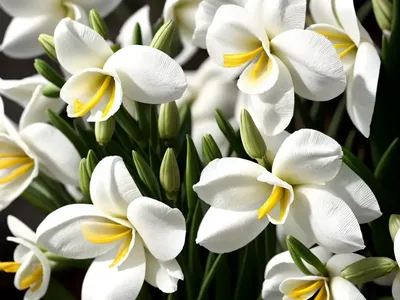
Freesia Single Blue)
Freesia is a delightful and fragrant flower that adds a touch of elegance and grace to gardens, floral arrangements, and indoor spaces. The Single Blue.
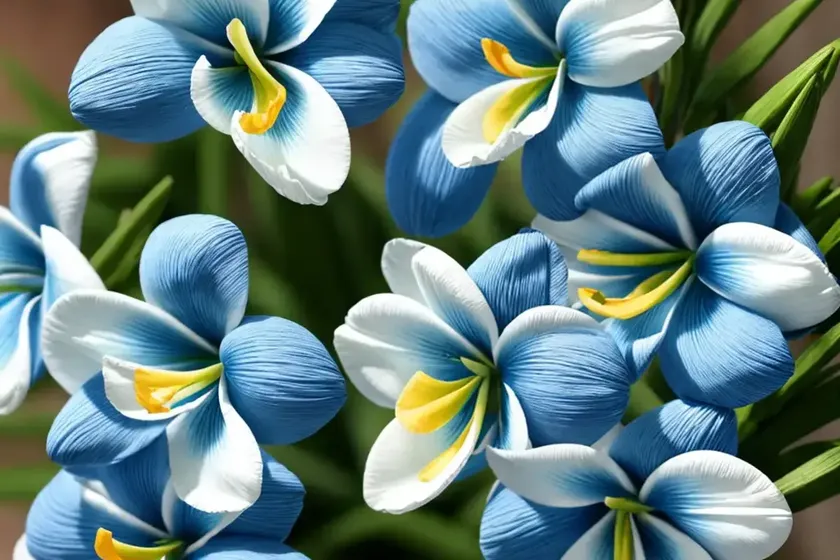
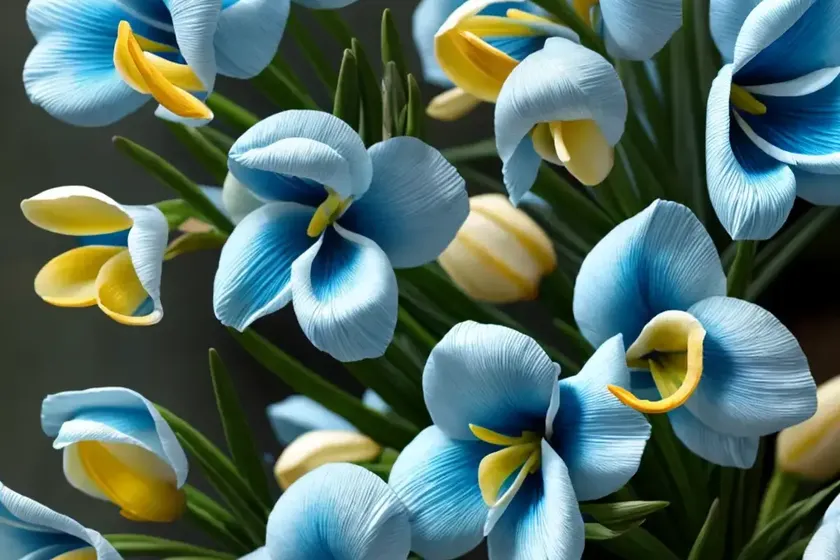
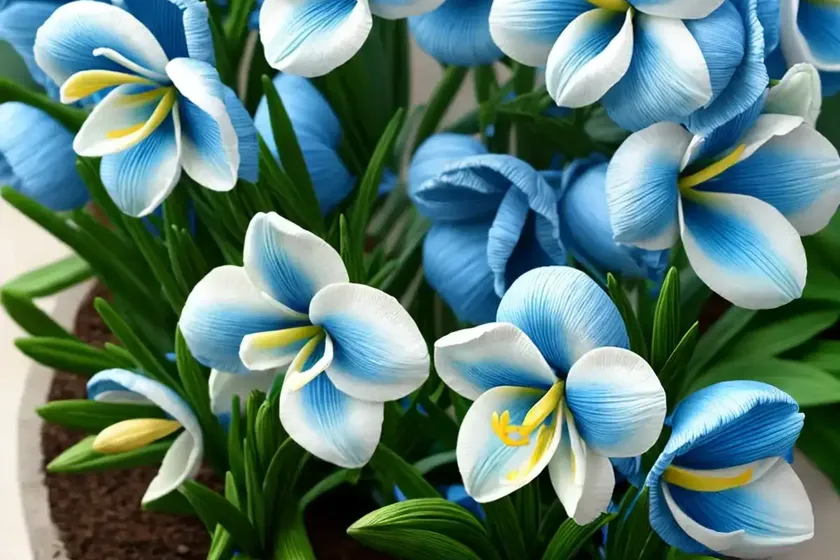
Freesia is a delightful and fragrant flower that adds a touch of elegance and grace to gardens, floral arrangements, and indoor spaces. The Single Blue variety, in particular, captivates with its enchanting blue blooms and delightful fragrance. In this comprehensive guide, we will delve into the captivating world of the Freesia Single Blue, exploring its characteristics, care requirements, uses, and much more. Whether you are a seasoned gardener, a floral enthusiast, or someone simply captivated by the beauty of flowers, this article will provide valuable insights into the world of Freesia Single Blue.
What is Freesia Single Blue?
The Freesia Single Blue is a stunning variety of the Freesia flower, known for its exquisite blue blooms and captivating fragrance. This variety belongs to the Iridaceae family, which includes several species of flowering plants. Native to South Africa, Freesias have become popular ornamental plants worldwide due to their enchanting beauty and delightful scent.
Scientific Classification:
– Family: Iridaceae
– Genus: Freesia
– Species: Refracta
Key Characteristics of Freesia Single Blue:
- Flower Color: The blooms of Freesia Single Blue are a striking, vibrant blue, adding a pop of color to any garden or floral arrangement.
- Fragrance: One of the most captivating features of the Freesia Single Blue is its delightful fragrance, often described as sweet, citrusy, and uplifting.
- Blooming Season: Freesias typically bloom in spring and early summer, adding a burst of color and fragrance to the landscape.
- Plant Height: The plants of the Freesia Single Blue variety typically reach a height of 12 to 18 inches, making them ideal for borders, containers, and garden beds.
Key Takeaways – Freesia Single Blue
Before we delve into the detailed care guide for Freesia Single Blue, let’s take a look at some key takeaways about this enchanting flower.
Freesia Single Blue:
- A captivating variety of the Freesia flower known for its vibrant blue blooms and delightful fragrance.
- Adds a touch of elegance and charm to gardens, floral arrangements, and indoor spaces.
Culture
Uses
The uses of the Freesia Single Blue extend beyond aesthetic appeal. Whether incorporated into garden landscapes or used in floral designs, this captivating flower serves various purposes.
Garden Landscaping: Freesia Single Blue makes for an excellent addition to garden beds, borders, and containers, enhancing the visual appeal with its colorful blooms and enchanting fragrance.
Floral Arrangements: Due to its striking blue hue and delightful scent, Freesia Single Blue is highly sought after in the floral industry, where it is used in bouquets, centerpieces, and various floral designs.
Indoor Display: Bring the beauty of the outdoors inside by displaying Freesia Single Blue blooms in vases or containers, adding a touch of elegance and fragrance to indoor spaces.
Water
Proper watering is essential for the health and vitality of Freesia Single Blue plants. Here’s a guide to watering these enchanting flowers:
Watering Guidelines:
- Frequency: Water Freesia Single Blue plants regularly, ensuring that the soil is consistently moist but not waterlogged. During the active growing season, regular watering is essential to support the development of healthy blooms.
- Soil Moisture: Aim to maintain even soil moisture, particularly during periods of dry weather. However, it is crucial to avoid overwatering, as this can lead to root rot and other issues.
Sunlight
Providing the right amount of sunlight is crucial for the proper growth and blooming of Freesia Single Blue plants. Here are some essential tips for sunlight requirements:
Sunlight Needs:
-
Full Sun: Freesia Single Blue plants thrive in full sun, requiring at least 6 to 8 hours of direct sunlight daily. Plant them in a location where they can receive ample sunlight to promote healthy growth and abundant blooms.
-
Partial Shade: While Freesia plants prefer full sun, they can tolerate partial shade, particularly in regions with intense summer heat. In such locations, providing some protection from the harsh afternoon sun can benefit the plants.
Fertilizer
Fertilizing Freesia Single Blue plants is essential for supplying the necessary nutrients to support healthy growth and abundant blooms. Here’s a guide to fertilizing these enchanting flowers:
Fertilization Tips:
-
Timing: Begin fertilizing Freesia Single Blue plants in early spring, just as new growth starts to emerge. Continue to fertilize every 4 to 6 weeks throughout the growing season to support vigorous growth and blooming.
-
Fertilizer Type: Use a balanced, water-soluble fertilizer designed for flowering plants. A fertilizer with a formulation such as 10-10-10 or 5-10-10 can provide the necessary nutrients for healthy growth and prolific blooms.
Soil
The right soil conditions are crucial for the health and vitality of Freesia Single Blue plants. Here’s an overview of the ideal soil requirements for these enchanting flowers:
Soil Requirements:
-
Well-Draining Soil: Freesia Single Blue plants thrive in well-draining soil that prevents waterlogging and allows the roots to access oxygen. A mixture of loam, sand, and organic matter can create an ideal growing medium for these plants.
-
pH Level: The ideal soil pH for Freesia Single Blue is slightly acidic to neutral, ranging from 6.0 to 7.0. Conduct a soil test to determine the pH of the soil and make any necessary amendments to ensure it falls within the ideal range.
Pruning
Pruning plays a crucial role in maintaining the health, aesthetics, and blooming potential of Freesia Single Blue plants. Here are essential tips for pruning these captivating flowers:
Pruning Guidelines:
- Deadheading: Remove spent blooms promptly to encourage the production of new flowers and prolong the blooming period.
- Foliage Cleanup: As the blooming season comes to an end, trim back the foliage of Freesia Single Blue plants. However, avoid cutting it back entirely, as the foliage plays a role in the plant’s energy storage for the next growing season.
Propagation
If you’re captivated by the beauty of Freesia Single Blue and wish to propagate these enchanting flowers, here are some essential tips for successful propagation:
Propagation Methods:
-
Division: Divide mature Freesia bulbs every 2 to 3 years to propagate new plants. After the blooming season, carefully dig up the bulbs and gently separate the offsets, ensuring that each division has sufficient roots attached.
-
Offsets: When you divide the bulbs, you will likely encounter offsets, which are smaller bulbs attached to the parent bulb. These offsets can be carefully detached and replanted to propagate new Freesia plants.
Container Popularity
The enchanting beauty of Freesia Single Blue makes it a popular choice for container gardening. Here are some reasons why these captivating flowers are well-suited for container cultivation:
Advantages of Container Cultivation:
-
Versatility: Freesia Single Blue plants thrive in containers, allowing gardeners to create stunning floral displays on patios, balconies, and other compact spaces.
-
Indoor Display: Containers of Freesia Single Blue blooms make for enchanting indoor displays, infusing indoor spaces with delightful fragrance and vibrant color.
-
Ease of Maintenance: Container-grown Freesia plants are easier to protect from adverse weather conditions, pests, and diseases, offering greater control over their growing environment.
Common Diseases
While Freesia Single Blue plants are relatively resilient, they can be susceptible to certain diseases that can affect their overall health and blooming performance. Here are some common diseases and their treatments:
Disease Diagnosis and Treatments:
-
Fungal Diseases: Freesia plants can be affected by fungal diseases such as botrytis and powdery mildew, particularly in conditions of high humidity. Apply appropriate fungicidal treatments to combat these issues.
-
Bulb Rot: Improperly drained soil or overwatering can lead to bulb rot in Freesia plants. To prevent this issue, ensure that the soil is well-draining, and avoid excessive moisture around the bulbs.
Common Pests
While Freesia Single Blue plants are relatively resistant to many pests, they can still be targeted by certain insects. Here are some common pests that may affect these enchanting flowers:
Pest Control Measures:
-
Aphids: Keep an eye out for aphids, particularly during periods of new growth. In the event of an infestation, use insecticidal soap or neem oil to control these pests effectively.
-
Thrips: Thrips can cause damage to Freesia blooms, leaving behind streaks or stippling on the petals. Utilize insecticidal treatments to manage thrips infestations and protect the blooms.
Botanist’s Tips
As a botanist specializing in ornamental plants, I have had the pleasure of studying and cultivating Freesia Single Blue extensively. Based on my experience, here are some valuable tips for successfully growing and enjoying these captivating flowers:
Tips for Success:
-
Bulb Planting Depth: When planting Freesia Single Blue bulbs, ensure that they are positioned at a depth of approximately 2 to 4 inches. Planting at the correct depth promotes healthy root development and strong, sturdy stems.
-
Mulching: Apply a layer of organic mulch around Freesia plants to conserve soil moisture, suppress weeds, and provide a layer of insulation for the bulbs during winter.
-
Protect from Frost: In regions with frost, provide protection to Freesia plants by covering them with frost blankets or bringing containers indoors during cold spells.
Fun Facts
Before we conclude this comprehensive guide, let’s explore some intriguing and delightful facts about Freesia Single Blue:
Fascinating Tidbits:
-
Symbolism: Freesia flowers, including the Single Blue variety, are often associated with symbols of friendship, innocence, and thoughtfulness, making them popular choices for gifting and floral arrangements.
-
Fragrance: The delightful scent of Freesia Single Blue is not only uplifting but also long-lasting, making it a captivating addition to indoor spaces and floral designs.
-
Cultivation History: Freesia plants have a rich history of cultivation, with their popularity dating back to the 19th century. They have been cherished for their beauty and fragrance for generations.
With its breathtaking blue blooms and enchanting fragrance, the Freesia Single Blue is a captivating addition to gardens, floral arrangements, and indoor spaces. Whether you are considering adding these enchanting flowers to your garden or wish to incorporate them into your floral designs, understanding their care requirements and characteristics is essential for successful cultivation and enjoyment.
For those captivated by the allure of Freesia Single Blue, the journey of nurturing these enchanting flowers is immensely rewarding. From the vibrant blooms to the delightful fragrance, each aspect of the Freesia Single Blue plant contributes to its undeniable charm, making it a cherished addition to any floral enthusiast’s collection.
As we’ve explored in this comprehensive guide, the world of Freesia Single Blue is brimming with beauty, fragrance, and endless possibilities for garden and floral creativity. Whether used as focal points in garden landscapes, components of stunning floral arrangements, or delightful gifts, the captivating appeal of the Freesia Single Blue is truly timeless.
For further information and detailed insights into the world of Freesia Single Blue, I recommend exploring the following external resources: