Freesia Double Pink)
Freesia Double Pink is a delightful flowering plant known for its captivating fragrance and beautiful blooms. This plant belongs to the genus Freesia.
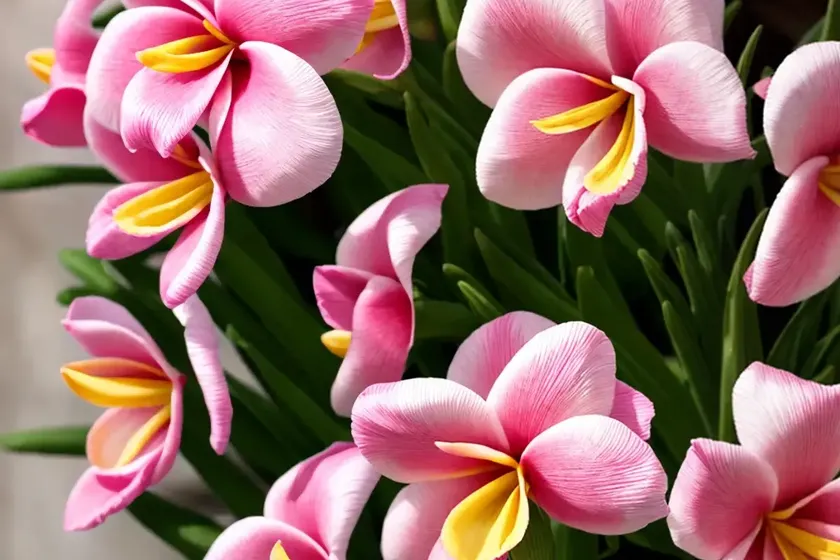
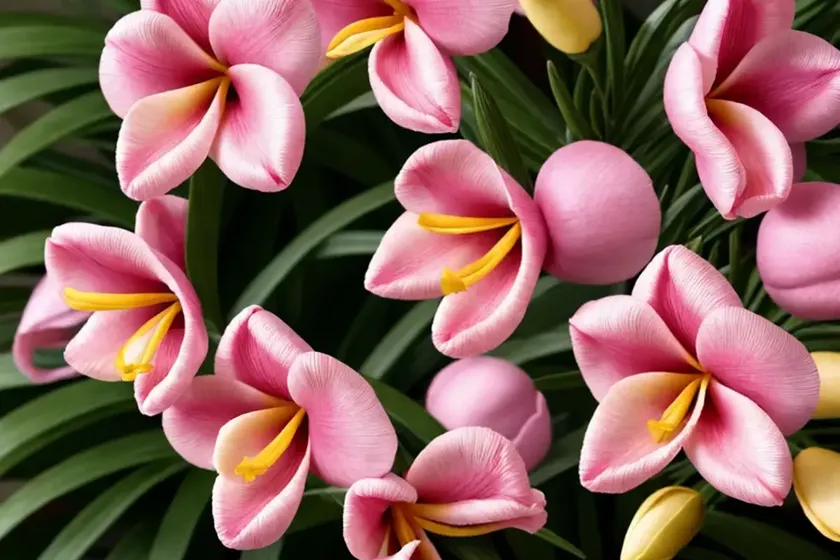
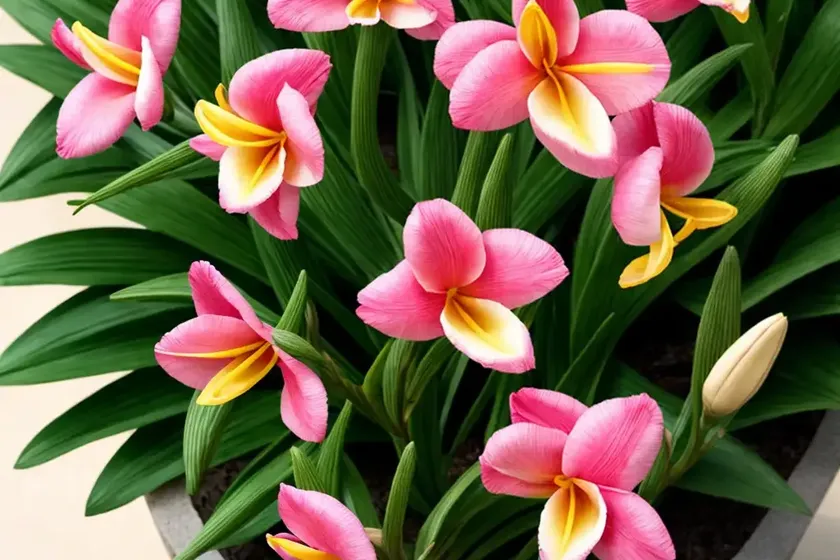
Freesia Double Pink is a delightful flowering plant known for its captivating fragrance and beautiful blooms. This plant belongs to the genus Freesia, which includes several species prized for their ornamental value. In this blog post, we will explore the key characteristics of Freesia Double Pink and provide comprehensive insights into its care, cultivation, and maintenance.
What is Freesia Double Pink?
Freesia Double Pink is a stunning variety of Freesia that is cherished for its double-flowered, pink-hued blossoms. This cultivar exhibits an elegant and charming appearance, making it a popular choice for gardeners seeking to enhance their outdoor spaces with vibrant, fragrant blooms.
Key Takeaways – Freesia Double Pink
Before delving into the specific aspects of caring for Freesia Double Pink, let’s highlight some key takeaways about this plant:
- Plant Name: Freesia Double Pink
- Blooms: Double-petaled pink flowers
- Fragrance: Captivating and sweet aroma
- Cultivation: Well-suited for gardens, containers, and flower beds
- Versatility: Can be grown indoors and outdoors
- Seasonality: Exhibits blooming in summer and can be planted in fall
Now, let’s explore the essential factors involved in the care and cultivation of Freesia Double Pink, encompassing its cultural requirements, uses, and maintenance.
Culture
Uses
Freesia Double Pink serves various purposes in horticulture and landscaping. Its primary uses include:
- Ornamental Value: The double pink blooms of Freesia Double Pink make it a sought-after ornamental plant for gardens, borders, and flower arrangements.
- Fragrant Additions: Due to its captivating fragrance, the flowers are often used in indoor floral displays and bouquets, imparting a delightful scent to interior spaces.
Water
Proper watering is essential for the optimal growth and blooming of Freesia Double Pink. Here are some key watering tips for this plant:
- Irrigation: Provide regular, moderate watering to keep the soil consistently moist but not waterlogged.
- Drainage: Ensure that the soil has good drainage to prevent waterlogging, which can lead to root rot.
Sunlight
Freesia Double Pink has specific sunlight requirements for thriving and producing bountiful blooms. Consider the following sunlight-related aspects:
- Light Exposure: Plant in a location that receives full sun to partial shade, ensuring adequate sunlight for healthy growth and flowering.
- Indoor Care: When grown indoors, place the plant near a south-facing window or in a well-lit area where it can receive ample sunlight.
Fertilizer
Fertilizing is crucial to enhance the growth and flowering of Freesia Double Pink. Here’s how you can effectively fertilize this plant:
- Fertilizer Type: Use a balanced, water-soluble fertilizer with a formulation such as 10-10-10 or similar during the growing season to promote robust growth and abundant blooms.
- Frequency: Apply fertilizer every 3-4 weeks, following the manufacturer’s instructions for dilution and application rates.
Soil
The soil composition plays a vital role in the successful cultivation of Freesia Double Pink. Consider the following soil requirements for this plant:
- Well-Draining Soil: Plant in well-draining, fertile soil with a slightly acidic to neutral pH level (pH 6.0-7.0).
- Soil Amendments: Incorporate organic matter such as compost or well-rotted manure into the soil to improve its texture and fertility.
Pruning
Pruning is an essential aspect of maintaining the health and appearance of Freesia Double Pink. Follow these guidelines for proper pruning:
- Deadheading: Remove spent blooms regularly to encourage continuous flowering and prevent seed formation.
- Post-Blooming Care: Trim back the foliage and stems after the flowering period to promote rejuvenated growth.
Propagation
Propagation allows for the expansion of Freesia Double Pink plantings. Here’s how you can propagate this plant:
- Division: Divide the bulbs in late summer or early fall, ensuring that each division has viable roots and shoots for successful establishment.
- Offsets: Separate and plant the offsets (small bulbils) that form around the base of the parent bulb to propagate new Freesia Double Pink plants.
Container Popularity
Freesia Double Pink is well-suited for container gardening, offering versatility and aesthetic appeal. Consider the following points regarding its container popularity:
- Container Type: Plant in well-draining containers with sufficient depth for bulb establishment and root growth.
- Indoor Display: The compact nature and delightful fragrance of Freesia Double Pink make it an excellent choice for indoor container displays.
Common Diseases
Freesia Double Pink is susceptible to specific diseases that can impact its health and vitality. Some common diseases affecting this plant include:
- Fungal Diseases: Gray mold (Botrytis cinerea) and Fusarium wilt can occur, especially under conditions of high humidity and poor air circulation.
- Bulb Rot: Excessive moisture and poor drainage can lead to bulb rot, characterized by soft, decaying bulbs.
Disease Diagnosis
Diagnosing and addressing diseases promptly is essential for maintaining the vigor of Freesia Double Pink. Look out for the following symptoms to diagnose potential diseases:
- Foliage Discoloration: Yellowing, browning, or wilting of leaves can indicate fungal infections or bulb rot.
- Stunted Growth: Reduced growth and flowering may be indicative of underlying diseases affecting the plant’s health.
Common Pests
Pest infestations can pose challenges to the cultivation of Freesia Double Pink. Common pests that may affect this plant include:
- Thrips: These small, slender insects can cause damage to the flowers and foliage, leading to distorted growth and discoloration.
- Spider Mites: These minute pests can infest the undersides of leaves, causing stippling and weakening the plant.
Botanist’s Tips
As a plant scientist, I recommend the following botanist’s tips for growing and caring for Freesia Double Pink:
- Mulching: Apply a layer of organic mulch around the base of the plants to conserve soil moisture and suppress weed growth.
- Support: Use plant supports or stakes if necessary to prevent bending or lodging of tall Freesia Double Pink stems.
Fun Facts
Here are some intriguing and delightful fun facts about Freesia Double Pink:
- Varietal Beauty: The double-petaled pink blooms of this variety exhibit an exquisite and captivating appearance, enhancing the visual appeal of garden settings.
- Fragrant Elegance: The flowers of Freesia Double Pink emit a sweet and alluring fragrance, adding a sensory delight to outdoor and indoor spaces.
Links to External Resources
For further information and insights into Freesia Double Pink care and cultivation, explore the following external resources:
- Royal Horticultural Society – Growing Freesias
- University of California – Freesia Production Guidelines
- American Society for the Prevention of Cruelty to Plants – Freesia Care Tips
In conclusion, Freesia Double Pink stands out as a captivating and fragrant addition to gardens, containers, and floral arrangements. By understanding its cultural requirements, uses, and maintenance practices, gardeners can successfully cultivate and enjoy the beauty of this delightful plant.
Whether you are a seasoned gardener or a novice enthusiast, incorporating Freesia Double Pink into your outdoor or indoor floral displays can bring a touch of elegance and fragrance to your horticultural endeavors. With proper care and attention to its specific needs, this charming variety of Freesia can thrive and enchant with its double pink blooms and captivating fragrance.