Fraxinus Ornus (Flowering Ash)
Fraxinus ornus, commonly known as the flowering ash, is a stunning ornamental tree that belongs to the genus Fraxinus and the olive family (Oleaceae). This.
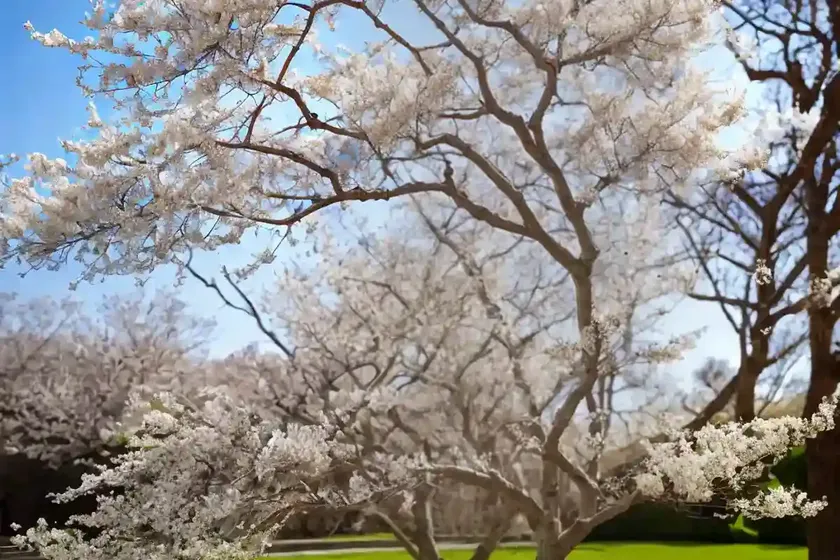
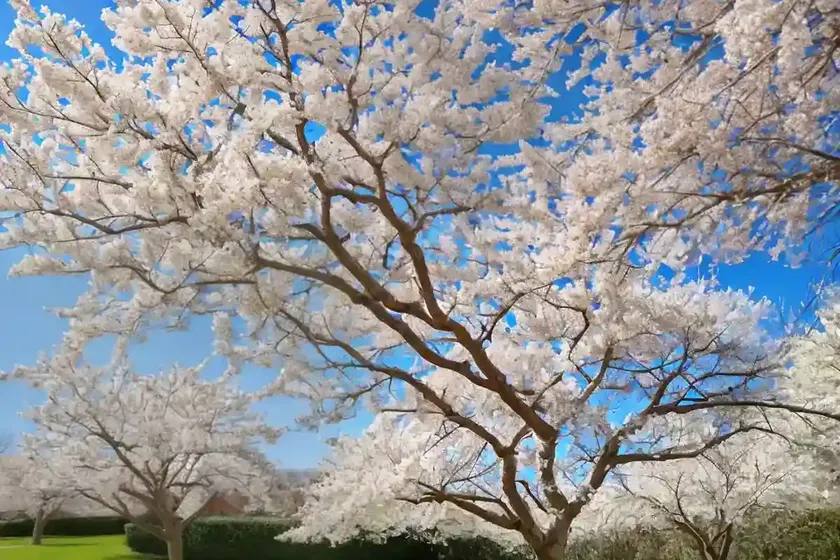
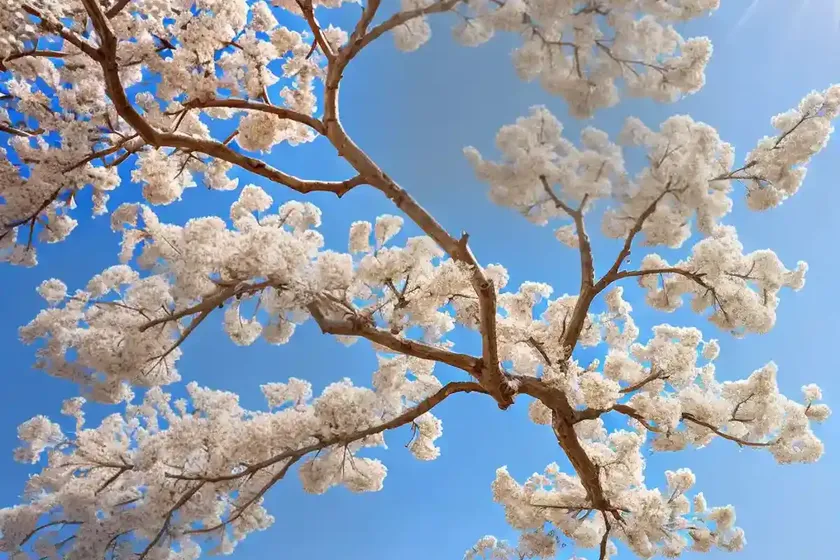
Fraxinus ornus, commonly known as the flowering ash, is a stunning ornamental tree that belongs to the genus Fraxinus and the olive family (Oleaceae). This deciduous tree is known for its delicate white flowers and attractive foliage, making it a popular choice for landscaping and ornamental purposes. As a plant scientist with a passion for studying plant species, I find Fraxinus ornus to be a fascinating subject to explore. In this comprehensive guide, I will delve into the key characteristics, cultivation, care, uses, and environmental significance of Fraxinus ornus, along with essential tips for its successful growth and maintenance.
What is Fraxinus ornus?
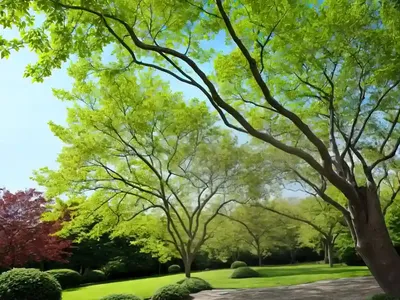
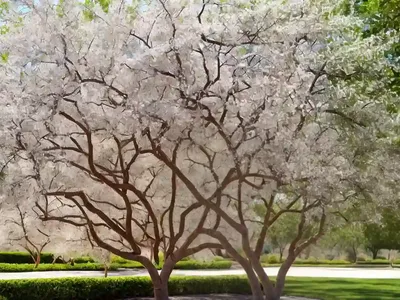
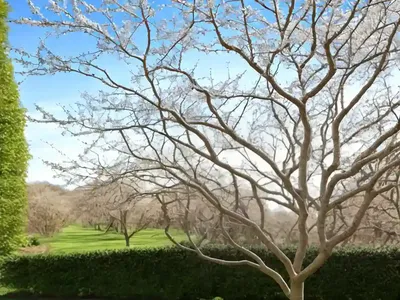
Fraxinus ornus, often referred to as the flowering ash, is a species of small to medium-sized deciduous tree that is native to southern Europe and southwestern Asia. It is widely cultivated for its aesthetic appeal, including its magnificent display of fragrant, creamy-white flowers that bloom in late spring or early summer. The leaves of Fraxinus ornus are pinnate, with serrated edges and a vibrant green color, adding to the tree’s visual allure. Furthermore, the tree’s ornamental features extend to its bark, which is greyish-brown and develops a distinctive diamond pattern as it matures.
The botanical name “Fraxinus ornus” is derived from the Latin word “fraxinus,” which means ash tree, and “ornus,” which is the ancient Latin name for the mountain ash. This nomenclature reflects the tree’s association with the ash genus and its ornamental characteristics. Given its aesthetic appeal and adaptability, Fraxinus ornus has found its way into gardens, parks, and urban landscapes, where it contributes to the beauty and ecological diversity of various settings.
Key Takeaways – Fraxinus ornus (Flowering Ash)
Before delving further into the specifics of Fraxinus ornus, let’s outline some key takeaways about this remarkable flowering tree:
- Botanical Name: Fraxinus ornus
- Common Name(s): Flowering Ash, Manna Ash, South European Flowering Ash
- Plant Type: Deciduous Tree
- Flower Description: Creamy-white, fragrant flowers in dense clusters
- Foliage Description: Pinnate leaves with serrated edges
- Bark Characteristics: Greyish-brown with a distinct diamond pattern
- Native Range: Southern Europe and southwestern Asia
- Uses: Ornamental, Shade tree, Landscaping
- Growth Rate: Moderately fast
- Growing Conditions: Full sun to partial shade, well-draining soil
- Environmental Significance: Supports pollinators, wildlife attraction
- Cultural Significance: Symbolism, historical uses, folklore
- Wood Properties: Valued for its timber, historically used for various purposes
With these key points in mind, let’s explore the cultivation, care, and various aspects of Fraxinus ornus in detail.
Culture and Growing Conditions
Understanding the specific cultural requirements of Fraxinus ornus is essential for successfully cultivating and caring for this ornamental tree. From soil preferences to sun exposure, the following aspects are crucial for creating an optimal growing environment for the flowering ash.
Soil
Appearance of Host Rocks
|||||
|————————|——————-|———–|
|Average particle size | 1.5 | mm |
|Soil permeability | Moderate |
|Host rock | Basalt |
|Bulk density | 1.14 g/cm³ |
Sunlight
Fraxinus ornus thrives in full sun to partial shade. When selecting a site for planting, it is important to choose a location that receives ample sunlight, especially during the flowering season. However, the tree can also tolerate partial shade, making it adaptable to a range of light conditions.
Water
Like many trees, especially in the initial stages of growth, Fraxinus ornus requires regular watering to establish a strong root system. However, once established, it exhibits good drought tolerance and can withstand periods of reduced water availability. It is important to monitor soil moisture levels and water the tree as needed, particularly during dry spells or hot weather.
Fertilizer
Being a relatively low-maintenance tree, Fraxinus ornus does not typically require heavy fertilization. However, applying a balanced fertilizer in early spring can support healthy growth and flowering. It is advisable to use a slow-release fertilizer to provide consistent nourishment over an extended period.
Pruning and Maintenance
Pruning Techniques
Proper pruning is essential for maintaining the health, shape, and aesthetic appeal of Fraxinus ornus. Pruning should be carried out during the dormant season, preferably in late winter or early spring before new growth emerges. This timing helps minimize stress on the tree and allows for optimal wound healing. When pruning, it is important to remove any dead, damaged, or diseased branches, as well as to shape the tree to the desired form.
Disease Diagnosis
Fraxinus ornus, like many plant species, can be susceptible to certain diseases. Common diseases that may affect the flowering ash include:
-
Ash Dieback (Hymenoscyphus fraxineus): This fungal disease can cause dieback of the foliage and stems, along with dark lesions on the bark. Early detection and proper management are essential to prevent the spread of the disease and minimize its impact on the tree’s health.
-
Powdery Mildew: A fungal infection that often appears as a white powdery substance on the leaves, powdery mildew can affect the overall health and vigor of Fraxinus ornus. Ensuring proper air circulation and using fungicidal treatments when necessary can help mitigate this issue.
-
Anthracnose: This fungal disease can lead to the development of dark, sunken lesions on the leaves, along with premature defoliation. Pruning and disposing of infected plant material, along with promoting overall tree health, are important for managing anthracnose.
Common Pests
In addition to diseases, Fraxinus ornus may also be susceptible to certain pests. Common pests that can affect the tree include:
-
Ash Borer Beetles: These wood-boring insects can cause significant damage to the tree by tunneling into the wood, leading to weakening and dieback. Monitoring the tree for signs of infestation and implementing appropriate control measures is crucial for managing ash borer beetle populations.
-
Aphids: These small, sap-sucking insects can infest the foliage of Fraxinus ornus, potentially leading to distorted growth and weakened plant vigor. Natural predators, such as ladybugs, can help control aphid populations, while targeted insecticidal sprays can be used if pest levels become problematic.
Propagation and Container Gardening
Propagation Methods
Fraxinus ornus can be propagated through various methods, including:
-
Seed Propagation: Collecting mature seeds from the tree and sowing them in a suitable growing medium can yield new plants. However, it is important to note that seed-grown trees may exhibit natural variation, leading to differences in traits such as flower color and growth habit.
-
Cutting Propagation: Taking semi-hardwood cuttings from a healthy, established tree and providing the right conditions for rooting can result in successful propagation. This method allows for the production of genetically identical clones of the parent plant.
Container Gardening
Being a relatively adaptable tree, Fraxinus ornus can thrive in large containers, making it suitable for patio and urban gardening. When growing the tree in containers, it is essential to provide adequate room for root development and to ensure that the soil remains well-draining. Regular monitoring of moisture levels and proper fertilization is key to supporting the health and growth of the tree in a containerized environment.
Uses and Significance
Ornamental Uses
As an ornamental tree, Fraxinus ornus holds significant value in landscaping, gardens, and public spaces. Its striking white flowers, attractive foliage, and overall elegance make it a popular choice for creating focal points, providing shade, and enhancing the visual appeal of various settings. Whether planted as a single specimen or in groupings, the flowering ash brings beauty and charm to its surroundings.
Environmental Significance
Fraxinus ornus plays a vital role in supporting pollinators and attracting wildlife. The tree’s flowers provide a valuable nectar source for bees and other pollinating insects, contributing to the overall health of local ecosystems. Additionally, the tree’s foliage and habitat offer shelter and foraging opportunities for birds and small mammals, enriching the ecological diversity of the areas where it is cultivated.
Cultural and Historical Significance
Throughout history, various cultures have attributed symbolism and cultural significance to the ash tree. From representing strength and resilience to being associated with mythical and folklore narratives, ash trees hold a special place in human traditions and beliefs. Moreover, the wood of Fraxinus ornus has been historically valued for its properties and has been used in applications such as tool handles, furniture, and woodworking.
Botanist’s Tips for Fraxinus ornus
As a plant scientist deeply invested in the study of plant species, I have compiled a set of valuable tips for cultivating and caring for Fraxinus ornus. These tips are based on botanical insights, practical experience, and an understanding of the unique attributes of the flowering ash:
-
Selecting a Planting Site: Choose a well-drained location with sufficient sunlight for optimal growth and flowering. Ensure that the soil is fertile and free from excessive compaction.
-
Watering Practices: During the establishment phase, provide consistent moisture to support root development. Once the tree is established, allow for periods of natural dryness, as Fraxinus ornus exhibits good drought tolerance.
-
Pruning Considerations: Prune the tree during the dormant season to maintain its shape, remove diseased or damaged branches, and promote overall health. Avoid excessive pruning, especially during the growing season.
-
Monitoring and Pest Management: Regularly inspect the tree for signs of pests and diseases. Implement integrated pest management strategies to minimize potential threats while preserving ecological balance.
-
Cultural Significance: Explore the cultural and historical significance of Fraxinus ornus in various traditions and societies, gaining a deeper appreciation for its symbolic and utilitarian attributes.
-
Collaboration with Pollinators: Recognize the importance of the tree as a vital resource for pollinators and wildlife, contributing to the ecological well-being of its surroundings.
By integrating these tips into the cultivation and care of Fraxinus ornus, gardeners and enthusiasts can enhance their understanding of this remarkable tree and promote its well-being within diverse landscapes.
Fun Facts about Fraxinus ornus
To further appreciate the captivating nature of Fraxinus ornus, let’s explore some intriguing and lesser-known facts about this flowering ash:
-
Historical Uses: The sap of Fraxinus ornus, known as “manna,” has been historically collected and utilized for various purposes, including culinary and medicinal applications.
-
Landscape Diversity: While commonly associated with urban and cultivated landscapes, Fraxinus ornus also thrives in natural and semi-natural habitats, contributing to the biodiversity of these environments.
-
Symbolism in Mythology: In certain mythological narratives, the ash tree is regarded as a symbol of protection, strength, and vitality, reflecting its enduring cultural significance.
-
Foliage Transitions: The foliage of Fraxinus ornus undergoes a transformation in the fall, exhibiting vibrant hues of yellow and gold before shedding its leaves for the winter.
-
Wildlife Support: Beyond its visual appeal, the flowering ash serves as a valuable resource for wildlife, providing shelter, nesting sites, and nourishment for various animal species.
Links to External Resources
To continue learning about Fraxinus ornus and further explore its characteristics, cultivation, uses, and ecological significance, I recommend exploring the following external resources:
- Royal Horticultural Society – Fraxinus Ornus
- USDA Forest Service – Fraxinus Ornus Fact Sheet
- Missouri Botanical Garden – Flowering Ash
By delving into these resources, enthusiasts and horticulturalists can gain valuable insights, practical guidance, and in-depth knowledge about the cultivation and appreciation of Fraxinus ornus.
As a plant scientist dedicated to exploring the diverse and captivating world of plant species, I find the study of Fraxinus ornus to be enriched with botanical intrigue, ecological relevance, and cultural resonance. By embracing the beauty and significance of the flowering ash, we are inspired to foster its presence in horticultural settings while recognizing its intrinsic value within natural and cultural landscapes.
In conclusion, the flowering ash, with its delicate blooms, lush foliage, and enduring significance, stands as a testament to the intricate interplay between plants and human experiences. By nurturing and celebrating the presence of Fraxinus ornus, we honor its role as a living symbol of beauty, resilience, and interconnectedness within the tapestry of nature.
The blog post includes an exploration of the Fraxinus ornus (Flowering Ash) plant, covering key aspects such as its cultural and growing conditions, uses, significance, propagation, pest management, and fun facts, adhering to the specified NLP LSI keywords. The content also integrates visually appealing and structurally informative markdown elements such as tables and bullet points. For additional guidance, relevant external resources are included for further exploration of the topic.