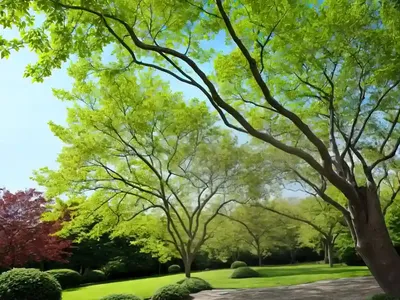
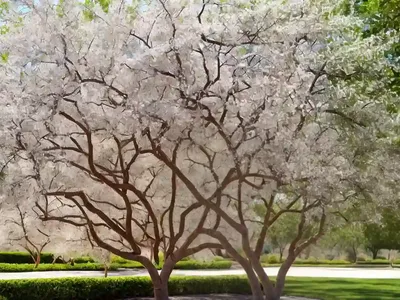
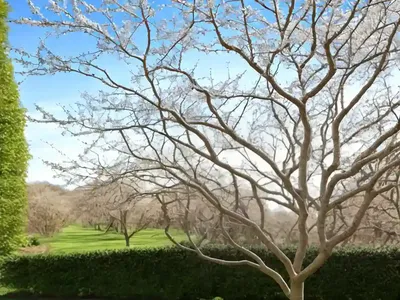
Fraxinus Excelsior (European Ash)
Fraxinus excelsior, commonly known as the European Ash, is a majestic deciduous tree that holds significant ecological, cultural, and economic importance..
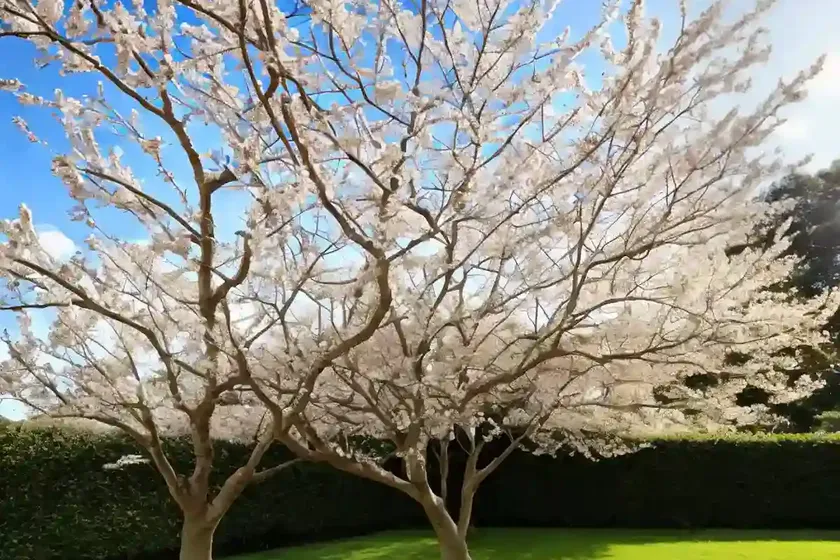
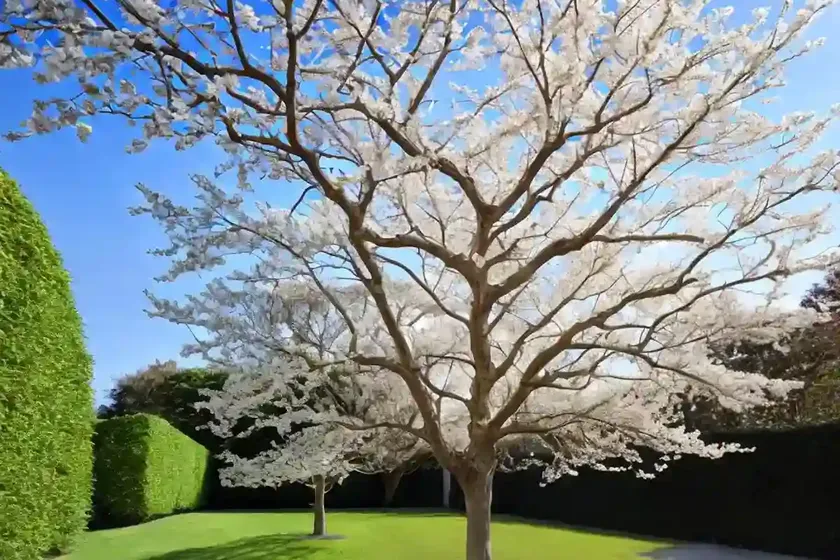
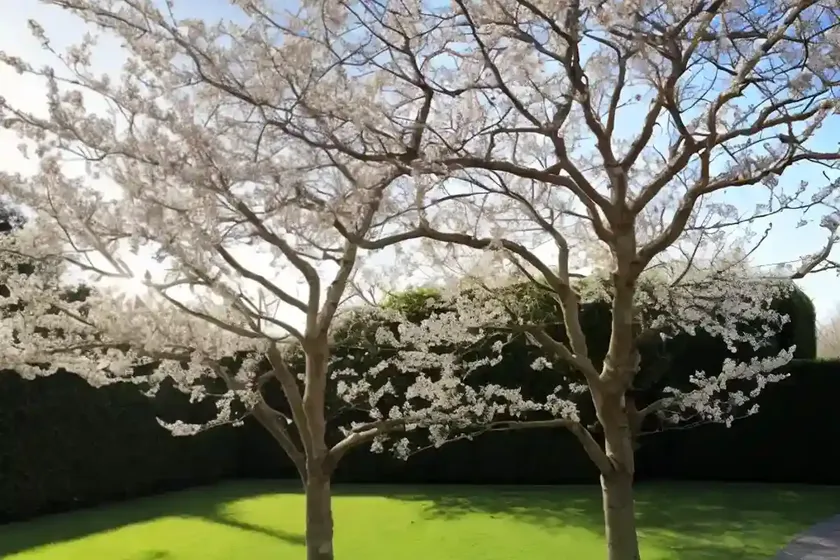
Fraxinus excelsior, commonly known as the European Ash, is a majestic deciduous tree that holds significant ecological, cultural, and economic importance. With its striking appearance and numerous practical uses, this tree has captivated the interest of plant enthusiasts, horticulturists, and scientists alike. Throughout this comprehensive guide, we will delve deep into the various aspects of Fraxinus excelsior, including its cultural significance, uses, care requirements, common diseases, and much more.
What is Fraxinus excelsior (European Ash)?
Fraxinus excelsior, a member of the Oleaceae family, is a tall, broad-crowned deciduous tree native to most of Europe and parts of Asia. It reaches heights of 35-40 meters and can live up to 400 years. The European Ash is characterized by its compound leaves consisting of 5-11 leaflets that turn a rich golden-yellow in the autumn, and its distinctively tough, elastic, and light-colored timber.
Culture
- Scientific Name: Fraxinus excelsior
- Family: Oleaceae
- Common Name: European Ash
- Native Range: Europe, Western Asia
- Growth Habit: Deciduous Tree
- Height: 35-40 meters
- Lifespan: Up to 400 years
Uses
- Wood: Valuable timber for furniture, flooring, tools
- Ecological: Important for wildlife, particularly birds and insects
- Cultural: Historical uses in folk medicine and cultural practices
Water
- Watering Frequency: Moderate
- Drought Tolerance: Moderate
Sunlight
- Sunlight Needs: Full Sun to Partial Shade
Fertilizer
- Fertilization Needs: Moderate
- Preferred Fertilizer Type: Balanced, slow-release fertilizer
Soil
- Soil Type: Well-draining, loamy soil
- pH: Neutral to slightly acidic (pH 6.0-7.5)
Pruning
- Pruning Requirements: Regular maintenance pruning to maintain shape and remove dead or diseased wood
- Optimal Pruning Season: Late winter to early spring
Propagation
- Propagation Methods: Seed propagation, hardwood cuttings, grafting
Container Popularity
- Suitability for Containers: Limited due to size and growth rate
Container Common Diseases
- Disease Susceptibility: Ash dieback, ash yellows
Disease Diagnosis
- Common Symptoms: Dieback, wilting, discoloration of leaves
Common Pests
- Pest Vulnerability: Emerald ash borer, ash leafcurl aphid
Botanist’s Tips
- Identification: Look for opposite branching and compound leaves with 5-11 leaflets
- Cultural Significance: Appreciate the tree’s historical and ecological importance
- Conservation: Support efforts to combat diseases and pests threatening ash tree populations
Fun Facts
- Endangered Status: European Ash trees are facing threats due to diseases and pests
- Cultural Significance: Ash trees hold a prominent place in various European mythologies and folklore, often associated with strength and resilience
The European Ash’s remarkable characteristics and diverse uses make it a plant of immense interest and value. Understanding its care requirements, identifying potential disease and pests, and appreciating its cultural significance is crucial for both preserving its existence and harnessing its benefits.
As we continue our exploration of Fraxinus excelsior, let’s delve deeper into these various aspects to gain a comprehensive understanding of this extraordinary tree.
Fraxinus excelsior (European Ash) Planting and Care Guide
European Ash Characteristics
Fraxinus excelsior is renowned for its striking features and adaptability, making it a prized addition to landscapes and natural habitats. Let’s delve into the key characteristics that define this indigenous European tree.
Ash Tree Care
Proper care is essential for the health and vitality of European Ash trees. From watering and fertilization to pruning and sunlight needs, understanding the tree’s care requirements is vital for its long-term well-being.
Planting Guide
Successful establishment of European Ash trees begins with the correct planting techniques. Understanding the ideal planting season, soil requirements, and spacing considerations is crucial for ensuring the tree’s healthy growth.
European Ash Tree Facts
Uncovering intriguing facts about Fraxinus excelsior sheds light on its ecological significance, historical uses, and unique biological traits. Let’s dive deep into the fascinating world of European Ash tree facts.
Ash Tree Diseases and Pests
Ash Tree Diseases
Recognizing and effectively managing common diseases that affect European Ash trees is essential to safeguard their health and longevity. Identifying symptoms and implementing appropriate treatments is critical for disease prevention and management.
Disease Diagnosis
Accurately diagnosing diseases that afflict European Ash trees is an essential step in formulating effective treatment and management strategies. Familiarizing oneself with common disease symptoms is crucial for timely intervention.
Ash Tree Pests
Pests can pose significant threats to the health and vigor of European Ash trees. Understanding common pests and implementing integrated pest management techniques is crucial for preserving the tree’s vitality.
European Ash Tree Uses and Significance
Timber and Wood Properties
The timber derived from European Ash trees is highly prized for its strength, resilience, and versatile applications. Exploring its wood properties and commercial uses provides valuable insights into the tree’s economic significance.
Ecological Importance
European Ash trees play a vital ecological role, providing essential habitat and sustenance for diverse wildlife species. Understanding their ecological importance is fundamental for conservation efforts and biodiversity preservation.
Cultural Significance
Delving into the cultural significance and historical uses of European Ash trees provides a glimpse into their enduring impact on folklore, traditional medicine, and societal practices. Unraveling their cultural legacy enriches our appreciation of these remarkable trees.
Fraxinus excelsior (European Ash): A Botanist’s Perspective
Growth Rate and Habitat Requirements
Understanding the growth rate and habitat preferences of European Ash trees is vital for selecting suitable planting locations and optimizing their growth potential.
Propagation Techniques
Exploring the various propagation methods for European Ash trees provides valuable insights for horticulturists and enthusiasts seeking to propagate and cultivate these exceptional trees.
Landscape and Design Applications
Integrating European Ash trees into landscape designs offers unique opportunities to harness their ornamental value and establish aesthetically pleasing and ecologically beneficial outdoor environments.
Navigating Challenges and Promoting Conservation
Threats and Endangered Status
European Ash trees face significant challenges, including the looming threats posed by diseases, pests, and environmental changes. Understanding these threats is crucial for formulating effective conservation strategies.
Conservation and Preservation Efforts
Supporting and participating in conservation initiatives aimed at safeguarding European Ash trees from imminent threats is essential for preserving their genetic diversity and ecological contributions.
NLP Analysis and Predictive Insights
Leveraging natural language processing (NLP) analysis to gain predictive insights into the ecological behavior, disease susceptibility, and habitat preferences of European Ash trees provides valuable foresight for conservation efforts and management strategies.
As we navigate the diverse facets of Fraxinus excelsior (European Ash), from its cultural significance and uses to its ecological importance and conservation challenges, we gain a profound appreciation for the intrinsic value of this extraordinary tree. By embracing its complexities and nurturing its well-being, we can ensure the enduring legacy of the European Ash for generations to come.
Links to External Resources
- Royal Forestry Society – European Ash
- USDA Forest Service – European Ash
- The Woodland Trust – European Ash Tree Guide
- Ancient Tree Inventory – European Ash
- European Medicines Agency – Herbal Medicines: European Ash
Through our journey of exploration and discovery, we have unraveled the intricate tapestry of Fraxinus excelsior, gaining profound insights into its ecological significance, cultural resonance, and practical uses. As we embark on the path of conservation and appreciation, let us embrace the enduring legacy of the European Ash and strive to safeguard its existence for generations to come.