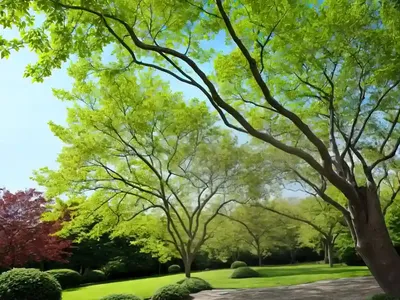
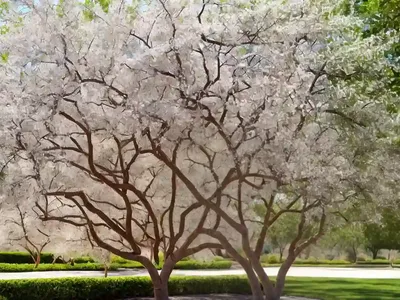
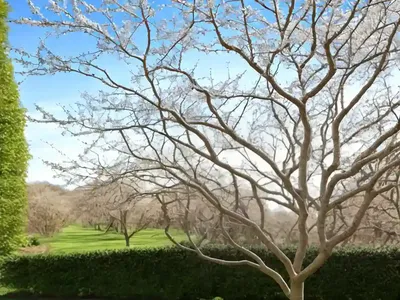
Fraxinus Angustifolia ‘Raywood’ (Claret Ash)
Welcome to the ultimate guide to Fraxinus angustifolia ‘Raywood’, commonly known as Claret Ash. In this extensive guide, we will delve deep into the.
Introduction
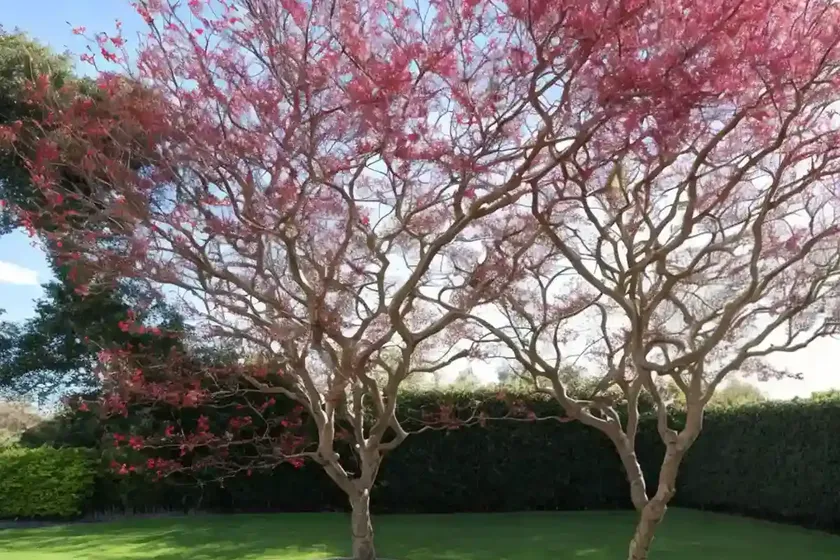
Welcome to the ultimate guide to Fraxinus angustifolia ‘Raywood’, commonly known as Claret Ash. In this extensive guide, we will delve deep into the characteristics, care tips, uses, benefits, and much more of this magnificent tree species. Whether you are a seasoned horticulturist or a beginner enthusiast, this comprehensive guide will enable you to fully understand and appreciate the beauty and value of the Claret Ash tree.
What is Fraxinus Angustifolia ‘Raywood’ (Claret Ash)?
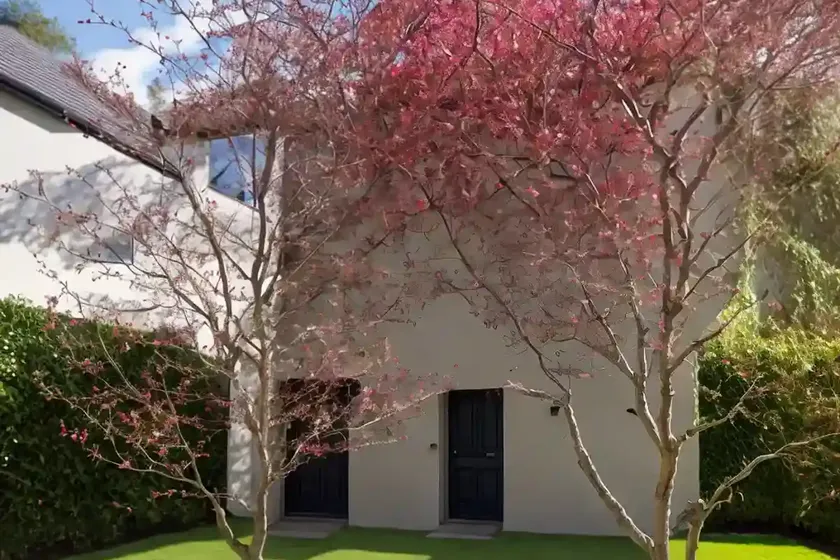
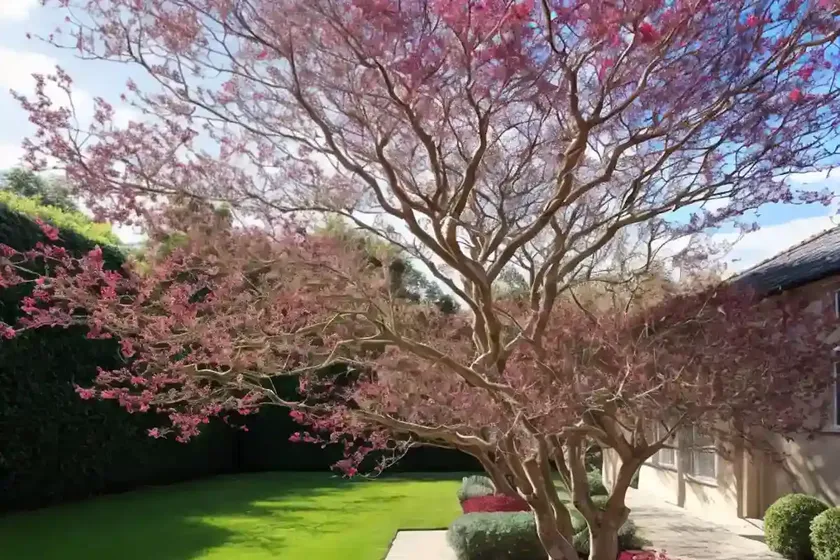
Fraxinus angustifolia ‘Raywood’, also known as Claret Ash, is a deciduous tree belonging to the Oleaceae family. It is renowned for its striking foliage and adaptability to various environmental conditions. The Claret Ash tree is native to the Mediterranean region and is widely cultivated for its ornamental value in landscapes and gardens around the world.
Key Takeaways – Fraxinus Angustifolia ‘Raywood’ (Claret Ash)
Before we embark on an in-depth exploration of the Claret Ash tree, let’s highlight the key takeaways that will be covered in this guide:
- Fraxinus angustifolia ‘Raywood’ attributes and characteristics.
- The cultural requirements of Claret Ash.
- Uses and benefits of this versatile tree species.
- Watering, sunlight, fertilizer, soil, and pruning guidelines.
- Propagation and container planting of Claret Ash.
- Common diseases and pests affecting Fraxinus angustifolia ‘Raywood’.
- Botanist’s tips for maintaining and nurturing the Claret Ash tree.
- Engaging fun facts about this fascinating plant species.
- Links to credible external resources for additional information.
Now, let’s dive into the intricacies of Fraxinus angustifolia ‘Raywood’ and unveil the secrets of cultivating and caring for this remarkable tree.
Culture
Water
The Claret Ash tree exhibits moderate water needs, especially during its initial establishment period. Adequate watering is essential to support healthy root development and overall growth. While it is crucial to provide sufficient moisture, it is equally important to avoid waterlogging, as the tree may be susceptible to root rot in excessively wet conditions. Once established, Claret Ash demonstrates good tolerance to drought, making it a resilient choice for various landscapes.
| Watering Guidelines for Claret Ash |
|---|
| – Young Trees: Water regularly to keep the soil consistently moist during the first year of planting. |
| – Established Trees: Provide deep, infrequent watering to promote robust root growth and resilience to drought conditions. |
| – Avoid Overwatering: Ensure proper drainage to prevent waterlogging, which can lead to root rot. |
Sunlight
Fraxinus angustifolia ‘Raywood’ thrives in full sun to partial shade, exhibiting excellent adaptability to diverse light conditions. When planted in full sun, the tree develops a dense, full canopy with vibrant foliage. However, it also demonstrates good tolerance to partial shade, making it suitable for various landscaping settings.
Fertilizer
Appropriate fertilization plays a crucial role in promoting the vigor and vitality of Claret Ash trees. As with all plant species, it is essential to understand the specific nutritional requirements of Fraxinus angustifolia ‘Raywood’ to support healthy growth and development. A balanced fertilizer formulated for trees and shrubs is recommended, and it should be applied in accordance with the tree’s growth stage and the prevailing soil conditions.
Fertilization Guidelines for Claret Ash
– Young Trees: Apply a slow-release, balanced fertilizer in spring to support the establishment of young trees.
– Established Trees: Fertilize mature Claret Ash trees in early spring to bolster overall health and enhance foliage color.
– Avoid Over-Fertilization: Exercise caution to prevent excessive fertilization, which may lead to an imbalance of nutrients and potential adverse effects on the tree’s well-being.
Soil
Claret Ash trees thrive in well-drained soil with a preference for loamy or sandy soil types. Good soil drainage is paramount to prevent waterlogging and ensure optimal root health. Before planting, it is recommended to assess the soil conditions and amend them as necessary to create an ideal environment for the tree’s growth.
Ideal Soil Conditions for Fraxinus Angustifolia ‘Raywood’
– Well-Drained Soil: Ensure proper soil drainage to prevent water accumulation around the tree’s root zone.
– Soil Amendments: Incorporate organic matter into the soil to improve its structure and fertility, facilitating better moisture retention and nutrient availability.
Pruning
Proper pruning practices are essential for maintaining the structural integrity, aesthetics, and overall health of Fraxinus angustifolia ‘Raywood’. Pruning should be performed with precision and care, considering the tree’s growth patterns and seasonal requirements.
| Pruning Guidelines for Claret Ash |
|---|
| – Seasonal Pruning: Conduct routine pruning during the dormant season to shape the tree and remove any damaged or diseased branches. |
| – Minimal Pruning: Exercise caution to avoid excessive pruning, as Claret Ash trees generally maintain a well-balanced and symmetrical growth habit. |
| – Professional Assistance: For extensive or complex pruning tasks, consider consulting a qualified arborist or horticultural specialist for expert guidance. |
Propagation
Container Propagation
Fraxinus angustifolia ‘Raywood’ can be propagated through container cultivation, enabling enthusiasts to propagate and grow the Claret Ash tree in a controlled environment.
| Container Propagation Guidelines |
|---|
| – Selecting Containers: Choose spacious, well-draining containers for propagating Claret Ash saplings, ensuring adequate room for root development. |
| – Propagating Medium: Utilize a balanced potting mix to provide essential nutrients and good moisture retention for the developing roots. |
| – Root Ball Protection: Carefully transplant the young Claret Ash saplings to minimize root disturbance and support their transition to new containers. |
Popularity
The popularity of Fraxinus angustifolia ‘Raywood’ as an ornamental tree is attributed to its stunning visual appeal, adaptability, and relatively low maintenance requirements. The tree’s vibrant foliage, graceful form, and tolerance to diverse environmental conditions have contributed to its widespread cultivation and popularity in landscaping and horticultural settings.
Common Diseases
Disease Diagnosis
While Claret Ash trees are generally resilient and resistant to many common diseases, they may be susceptible to certain ailments that can impact their health and vigor. Proper diagnosis, timely intervention, and appropriate management strategies are essential to safeguard the tree from potential diseases.
Common Diseases Affecting Claret Ash
1. Anthracnose: Characterized by leaf spotting and potential defoliation, particularly in humid conditions.
2. Powdery Mildew: Manifests as a powdery white fungal growth on the foliage, often attributed to poor air circulation and high humidity.
3. Leaf Rust: Identified by rust-colored spots on the leaves, affecting the tree’s aesthetic appeal and potentially weakening its vigor.
Common Pests
In addition to diseases, Claret Ash trees may encounter various pests that can compromise their health and vitality. Vigilance and proactive measures are paramount to mitigate the impact of common pests and preserve the tree’s well-being.
Common Pests Affecting Claret Ash
1. Aphids: Sap-sucking insects that can cause leaf distortion and reduced vigor if left unaddressed.
2. Scale Insects: Recognizable by their protective scale coverings, they can infest the tree and weaken its overall resilience.
3. Borers: Larvae of wood-boring insects that tunnel into the tree’s trunk and branches, potentially causing structural damage and decline.
Botanist’s Tips
Fraxinus Angustifolia ‘Raywood’ Care Recommendations
- Regular Monitoring: Conduct regular visual inspections of the tree to detect any signs of diseases, pests, or stress, allowing for timely intervention.
- Adequate Watering: Maintain a balanced approach to watering, ensuring sufficient moisture without waterlogging the soil around the tree’s roots.
- Prudent Pruning: Exercise caution and precision when pruning Claret Ash trees, focusing on routine maintenance and corrective measures as needed.
- Optimal Soil Conditions: Prioritize soil health and structure, incorporating organic amendments as necessary to promote the well-being of the tree.
- Fertilization Management: Apply fertilizers judiciously, considering the tree’s specific nutritional requirements and growth stage.
Fun Facts
- The vibrant foliage of Claret Ash trees transitions from deep green in spring and summer to a spectacular claret hue in the fall, creating a captivating visual display.
- The wood of Fraxinus angustifolia ‘Raywood’ is prized for its versatility and is utilized in various woodcraft and carpentry applications.
- Claret Ash trees are known for their remarkable adaptability and resilience, thriving in urban landscapes and challenging growing conditions.
Links to External Resources
For comprehensive information and additional insights into Fraxinus angustifolia ‘Raywood’ (Claret Ash), consider exploring the following reputable external resources:
- Royal Horticultural Society – Fraxinus angustifolia ‘Raywood’
- University of Florida IFAS Extension – Urban Tree Species: Claret Ash
- Missouri Botanical Garden – Fraxinus angustifolia ‘Raywood’
In conclusion, Fraxinus angustifolia ‘Raywood’, or Claret Ash, encapsulates a remarkable blend of visual allure, adaptability, and practical benefits, making it a valuable addition to diverse landscaping and horticultural settings. Understanding the cultural requirements, characteristics, and potential challenges associated with this tree species is instrumental in fostering its health and longevity. We hope that this comprehensive guide has provided valuable insights and practical guidance for anyone seeking to appreciate, cultivate, or care for the captivating Claret Ash tree.