Fragrant Dracaena (Dracaena Fragrans)
Plants have a remarkable ability to enhance our living spaces, improve air quality, and bring a sense of tranquility into our lives. One such plant is the.
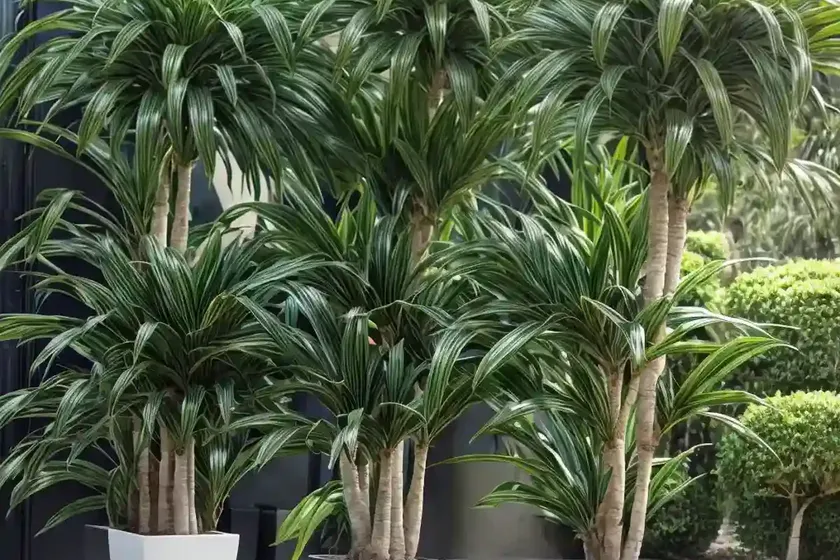
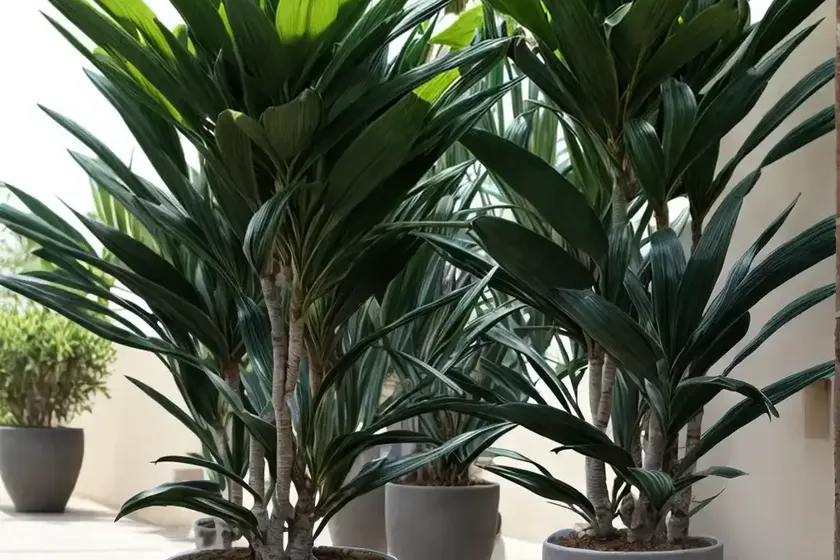
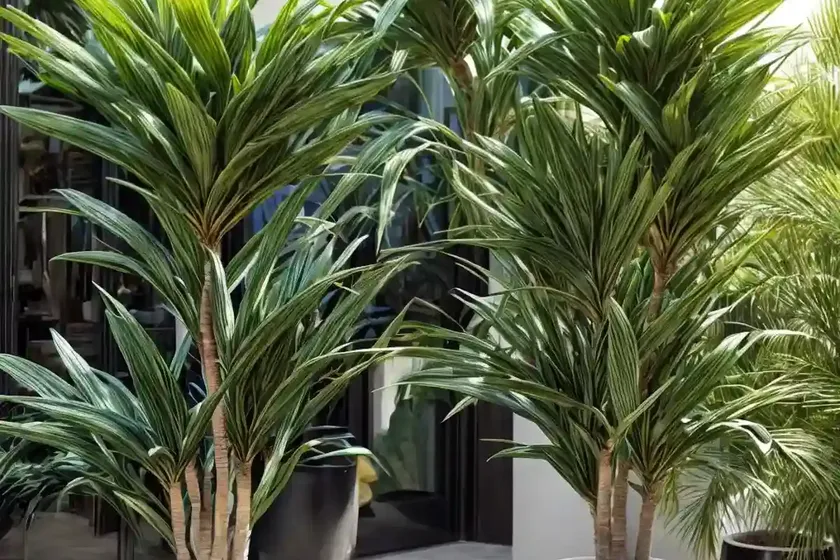
Plants have a remarkable ability to enhance our living spaces, improve air quality, and bring a sense of tranquility into our lives. One such plant is the fragrant dracaena, scientifically known as Dracaena fragrans. In this comprehensive guide, we will delve into the various aspects of caring for this delightful plant, its cultural significance, and its numerous benefits in indoor environments.
What is Fragrant Dracaena?
Dracaena fragrans, commonly referred to as fragrant dracaena, is a species of flowering plant in the family Asparagaceae. It is native to tropical Africa and regions of Eastern Central Africa, where it thrives in the undergrowth of humid forests. This plant is known for its striking foliage and sweet-smelling flowers, making it a popular choice for indoor cultivation.
Key Takeaways
Before we delve into the specifics of caring for fragrant dracaena, here are the key takeaways about this plant that we will explore in detail:
- Culture
- Uses
- Water
- Sunlight
- Fertilizer
- Soil
- Pruning
- Propagation
- Container Popularity
- Common Diseases
- Disease Diagnosis
- Common Pests
- Botanist’s Tips
- Fun Facts
- Links to External Resources
Now, let’s explore each of these aspects in detail to gain a comprehensive understanding of caring for fragrant dracaena.
Culture
Origin and Significance
Dracaena fragrans has a rich cultural history, having been part of indigenous practices in various African societies. Traditionally, the plant is believed to bring good luck and is often used in rituals and ceremonies. Its fragrant flowers and elegant foliage make it a symbol of beauty and tranquility in many cultures.
Uses
The fragrant dracaena serves several practical and aesthetic purposes:
- Indoor Ornamental Plant: With its graceful, arching foliage and pleasant aroma, it is commonly grown as an indoor plant.
- Air Purification: Dracaena fragrans is well-known for its ability to remove toxins from the air, making it a popular choice for improving indoor air quality.
- Aromatherapy: The plant’s sweet fragrance contributes to a calming atmosphere, making it a popular choice for aromatherapy enthusiasts.
- Decorative Purposes: Its attractive appearance adds a touch of elegance to interior spaces, making it a popular choice for home and office decor.
Water
Proper watering is essential for the health and vitality of fragrant dracaena. Here are the watering requirements to keep in mind:
- Moderate Watering: Dracaena fragrans prefers moderate watering. Over-watering should be avoided to prevent root rot and other water-related issues.
- Allow Soil to Dry: Before watering, ensure that the top inch of the soil is dry to the touch. This ensures that the roots are not waterlogged.
- Filtered Water: It is advisable to use filtered water or allow tap water to sit for 24 hours to dissipate any chlorine before watering the plant.
Sunlight
Proper exposure to sunlight is crucial for the growth and well-being of fragrant dracaena:
- Indirect Light: Dracaena fragrans thrives in bright, indirect light. Direct sunlight may cause leaf burn, so it is best to place it in a location with filtered light.
- Low-Light Tolerant: This plant can tolerate lower light conditions, making it suitable for indoor environments with limited natural light.
Fertilizer
To support healthy growth and vibrant foliage, it is important to fertilize fragrant dracaena appropriately:
- Balanced Fertilizer: Use a balanced liquid fertilizer formulated for houseplants, diluted to half-strength, during the growing season (spring and summer).
- Reduced Fertilization: During the winter months, reduce the frequency of fertilization to accommodate the plant’s reduced growth.
Soil
Choosing the right type of soil is essential for providing a suitable growing environment for fragrant dracaena:
- Well-Draining Soil: Use a well-draining potting mix, such as a combination of peat moss, perlite, and coarse sand, to ensure proper drainage and aeration for the plant’s roots.
- Avoid Compaction: Compacted soil can hinder root development, so it is important to ensure that the soil remains loose and aerated.
Pruning
Pruning helps maintain the plant’s shape and promotes healthy growth. Here are some key pruning tips for fragrant dracaena:
- Remove Yellowing Leaves: Regularly remove yellowing or damaged leaves to improve the plant’s appearance and overall health.
- Prune Leggy Growth: Trim back any leggy growth to encourage bushier, more compact growth.
- Sterilize Tools: When pruning, use clean and sterilized pruning shears to prevent the spread of diseases.
Propagation
Propagating fragrant dracaena allows you to expand your plant collection and share this delightful species with others. Here are the common propagation methods:
- Stem Cuttings: Propagation using stem cuttings is a popular method for Dracaena fragrans. Cut a section of the stem with several nodes and place it in a growing medium to encourage root development.
- Water Propagation: Place the stem cuttings in water, ensuring that the nodes are submerged. Change the water regularly and wait for roots to develop before transplanting the cutting into soil.
- Division: This method involves dividing the plant at the root level and transplanting the divided sections into separate containers.
Container Popularity
The fragrant dracaena is a favored choice for container gardening and interior decoration:
- Decorative Containers: Its elegant foliage and compact growth make it suitable for decorative containers, adding a touch of greenery to interior spaces.
- Versatile Sizes: Dracaena fragrans is available in various sizes, from compact table-top versions to larger floor plants, making it adaptable to different container sizes and shapes.
Common Diseases
Preventing and identifying common diseases is essential for maintaining the health of fragrant dracaena:
- Root Rot: Over-watering and waterlogged conditions can lead to root rot. Ensure proper drainage and avoid over-watering to prevent this issue.
- Leaf Spot: Leaf spot diseases may occur due to excessive moisture on the foliage. Proper ventilation and avoiding overhead watering can help prevent this issue.
Disease Diagnosis
Early diagnosis of plant diseases is crucial for effective treatment and prevention:
- Inspect Foliage: Regularly inspect the foliage for any signs of discoloration, spots, or deformities that may indicate a disease.
- Consult a Professional: If you notice any abnormal symptoms, consult a plant care professional to accurately diagnose and address the issue.
Common Pests
Pest infestations can negatively impact the health of fragrant dracaena. Here are some common pests to be aware of:
- Spider Mites: These tiny pests can cause webbing and stippling on the foliage. Regularly misting the plant and keeping it clean can help deter spider mites.
- Mealybugs: These insects can cluster in the leaf axils and feed on the plant sap. Remove them by hand and consider using natural remedies or insecticidal soaps for control.
Botanist’s Tips
Insights from botanists and plant enthusiasts can provide valuable guidance for caring for fragrant dracaena:
- Regulate Watering: Avoid over-watering and ensure that the plant’s root zone is well-drained and consistently moist but not waterlogged.
- Monitor Light Levels: Keep an eye on the plant’s response to light conditions and adjust its placement as needed to ensure optimal growth.
Fun Facts
Here are some intriguing and delightful facts about fragrant dracaena:
- Fragrant Flowers: As the name suggests, Dracaena fragrans produces pleasantly scented flowers, adding a delightful aroma to indoor spaces.
- Air-Purifying Properties: This plant is known for its air-purifying abilities, helping to remove toxins such as formaldehyde from indoor environments.
Links to External Resources
For further information on caring for fragrant dracaena, refer to the following resources:
- Royal Horticultural Society – Dracaena Care Guide
- University of Florida IFAS Extension – Dracaena fragrans Fact Sheet
- The Spruce – How to Grow and Care for Dracaena
Conclusion
Dracaena fragrans is a captivating and versatile plant that brings beauty, fragrance, and health benefits to indoor environments. By understanding its specific care requirements and cultural significance, plant enthusiasts can cultivate and enjoy this remarkable species to the fullest. With the knowledge gained from this guide, you are well-equipped to embark on a rewarding journey of nurturing fragrant dracaena in your own home or office space. Whether you are drawn to its elegant foliage, sweet fragrance, or air-purifying qualities, fragrant dracaena stands as a testament to the enriching presence of plants in our lives.
Remember, caring for plants is a journey of learning and discovery, so observe, adapt, and enjoy the company of your fragrant dracaena as it flourishes in its nurturing environment.